face Archives - Page 3 of 8 - Dr. Walter Zamarian Jr.

Categoria: face

  • Plastic Surgery Brazil: Safety

    Plastic Surgery Brazil: Safety

    Brazil has been synonymous with plastic surgery excellence for decades. As the second-largest plastic surgery market in the world — with more board-certified plastic surgeons than any country except the United States — Brazil attracts thousands of international patients every year seeking high-quality procedures at accessible prices.

    But navigating medical tourism requires more than finding a good deal on a flight. It requires research, planning, and — above all — choosing the right surgeon.

    I’m Dr. Walter Zamarian Jr., a board-certified plastic surgeon with over 20 years of experience and more than 8,000 surgeries performed. I practice in Londrina, in southern Brazil, and I regularly care for international patients. This guide is what I wish every prospective patient would read before booking a trip.

    Why Brazil for Plastic Surgery?

    Brazil’s reputation in plastic surgery isn’t marketing — it’s earned through decades of innovation, rigorous training, and sheer volume of experience.

    • World-class training: Brazilian plastic surgeons complete a minimum of 12 years of education and training — 6 years of medical school, 3 years of general surgery, and 3 years of plastic surgery residency. Board certification through the SBCP requires passing both written and oral examinations.
    • Volume and innovation: Brazilian surgeons operate at a volume that builds exceptional skill. The country’s culture of aesthetic appreciation means surgeons see a wide variety of cases and develop refined judgment about natural-looking results.
    • Pioneers of the field: Brazil is home to Professor Ivo Pitanguy, arguably the most influential plastic surgeon in history. His training program in Rio de Janeiro has produced generations of elite surgeons worldwide. I’m proud to be a Pitanguy Clinic alumnus.
    • Cost efficiency: Procedures in Brazil typically cost 40–60% less than equivalent surgery in the US or Europe — not because of lower quality, but because of lower overhead costs, favorable exchange rates, and a different economic structure.

    How to Verify a Brazilian Surgeon’s Credentials

    This is the single most important step in your research. A beautiful website and impressive Instagram feed are not credentials. Here’s what to verify:

    • SBCP membership: The Sociedade Brasileira de Cirurgia Plástica is the only recognized board for plastic surgery in Brazil. Verify membership at cirurgiaplastica.org.br.
    • CRM number: The Conselho Regional de Medicina registration. Every practicing physician in Brazil must have one. You can verify it on the CRM website of the surgeon’s state.
    • RQE number: The Registro de Qualificação de Especialista confirms the surgeon is a recognized specialist. A surgeon without an RQE in plastic surgery is not a specialist, regardless of what they claim.
    • International affiliations: Memberships in organizations like ASPS (American Society of Plastic Surgeons) or ISAPS (International Society of Aesthetic Plastic Surgery) indicate a surgeon who meets international standards.

    For reference, my credentials: CRM-PR 17.388, RQE 15.688. I’m a full member of SBCP, ASPS, and AExPI (Pitanguy Alumni Association). I share these openly because any surgeon who hesitates to share their credentials should raise a red flag.

    Planning Your Trip — Step by Step

    A well-planned medical trip reduces stress and improves outcomes. Here’s the process I recommend:

    Step 1: Online consultation. Before booking any flights, schedule an online consultation with your surgeon. I offer video consultations for international patients where we discuss your goals, I evaluate your anatomy through photos and video, and we outline a preliminary plan. This saves you from traveling only to discover you’re not a good candidate or that your expectations don’t align with what’s achievable.

    Step 2: Plan your timeline. For most facial procedures, plan to stay in Brazil for at least 14 days after surgery. For body procedures, you may need longer. I recommend arriving 2–3 days before surgery to adjust to the time zone, have your in-person consultation, and complete pre-operative exams.

    Step 3: Book your travel and accommodation. Fly into Londrina (LDB) directly, or connect through São Paulo (GRU) or Curitiba (CWB). My clinic collaborates with local hotels that understand the needs of surgical patients — comfortable rooms, quiet environments, and proximity to the clinic. I can recommend options that suit your budget.

    Step 4: Pre-operative preparation. I’ll provide a detailed list of pre-operative instructions, including medications to avoid, fasting requirements, and what to bring. All pre-operative lab work can be done in Londrina at modern, well-equipped laboratories.

    Step 5: Surgery and recovery. On surgery day, you’ll be at my private clinic, which features a fully equipped surgical center and recovery room. I personally perform every surgery — no “ghost surgeons” or residents operating in my place.

    What to Expect During Your Stay in Londrina

    Londrina is not Rio de Janeiro or São Paulo. That’s actually a significant advantage for medical tourism.

    • Safety: Londrina is a mid-size city of approximately 600,000 people in the state of Paraná, in southern Brazil. It’s considerably safer and more organized than Brazil’s mega-cities.
    • Climate: Southern Brazil has a subtropical climate — comfortable year-round, without the extreme heat of tropical regions.
    • Infrastructure: Modern hospitals, excellent restaurants, shopping centers, and comfortable hotels. Everything you need is within a short drive.
    • Accessibility: The city has its own airport (LDB) with daily flights to São Paulo and other major cities.
    • Cost of living: Significantly lower than Rio or São Paulo, which means your accommodation and meals during recovery will be very affordable.

    I collaborate with local transportation services to ensure international patients can move between their hotel, my clinic, and the laboratory without any difficulty. You don’t need to rent a car or navigate public transportation during your recovery.

    Recovery in Brazil vs. Recovering at Home

    One question I hear frequently: “Should I recover in Brazil or go home as soon as possible?”

    My strong recommendation is to complete the initial recovery phase in Brazil, near your surgeon. Here’s why:

    • Direct monitoring: The first 7–14 days are the most critical. Being near your surgeon means any concern — however minor — can be addressed immediately, in person.
    • Follow-up appointments: I schedule multiple post-operative visits during your stay to monitor healing, remove sutures, adjust compression garments, and answer questions.
    • Flying too early is risky: Air pressure changes during flights can increase swelling and, in rare cases, contribute to complications. Most surgeons — myself included — advise waiting at least 10–14 days before flying after facial surgery.
    • Stress-free environment: Recovering in a comfortable hotel, without the obligations of daily life at home, actually promotes better healing. Many of my patients describe their recovery in Londrina as surprisingly peaceful.

    After you return home, I remain available via WhatsApp and email. I can review photos of your healing progress and, if needed, coordinate with a local physician in your area.

    Red Flags to Watch Out For

    Medical tourism has a dark side, and it’s important to be aware of it. Avoid the following:

    • All-inclusive surgery packages at suspiciously low prices. If a package includes flights, hotel, surgery, and “tourist activities” for a price that seems too good to be true — it is. Quality surgery has a cost, and cutting corners on your safety is never worth the savings.
    • Agencies that won’t tell you the surgeon’s name in advance. You should know exactly who will be operating on you, verify their credentials, and communicate with them directly before committing.
    • Surgeons who don’t offer a pre-operative consultation. Any surgeon willing to operate on you without a thorough evaluation — including medical history, physical examination, and a discussion of realistic expectations — is not prioritizing your safety.
    • “Instagram surgeons” without verifiable board certification. A large social media following is not a medical credential. Always verify SBCP membership, CRM, and RQE.
    • Combining multiple major procedures to “save on travel.” While combining certain procedures can be safe, stacking too many surgeries into one session increases risk. A responsible surgeon will tell you when it’s safer to stage your procedures.
    • Clinics that pressure you to make a quick decision. A reputable surgeon will give you time to think, ask questions, and make an informed choice. High-pressure sales tactics have no place in medicine.

    The best investment you can make in your medical tourism experience is time — time to research, time to verify, time to ask questions. A surgeon who welcomes your scrutiny is a surgeon who has nothing to hide.

    Frequently Asked Questions

    Do I need a visa to have surgery in Brazil?

    It depends on your nationality. Citizens of the United States, Canada, Australia, and most European countries can enter Brazil visa-free for up to 90 days for tourism purposes (which includes medical tourism). Check the Brazilian consulate website for your specific country’s requirements.

    What language will my surgeon speak?

    I’m fluent in English and communicate directly with all international patients — no translators, no intermediaries. From your first inquiry through your final follow-up, you’ll speak with me personally. Not all surgeons in Brazil speak English, so this is an important factor to verify in your research.

    Is Londrina safe for tourists?

    Yes. Londrina is a mid-size city in southern Brazil with a strong economy, good infrastructure, and a quality of life that ranks among the best in the country. It doesn’t have the security concerns associated with Brazil’s larger metropolitan areas. My international patients consistently comment on how safe and welcoming the city feels.

    How do I pay for surgery in Brazil?

    My initial consultation fee is R$800 (approximately US$150). Surgical fees are discussed after your in-person evaluation, as they depend on the specific procedures and complexity of your case. Payment arrangements — including accepted methods and timing — are discussed transparently during the consultation process. There are no hidden fees.

    Can I combine plastic surgery with tourism in Brazil?

    I recommend focusing on your recovery first. After your surgeon clears you — typically 10–14 days post-surgery — you’re welcome to explore. Many patients extend their trip to visit nearby attractions. However, I strongly advise against planning strenuous tourism activities during your recovery period. Your body needs rest to heal properly.

    Considering plastic surgery in Brazil? The first step is a conversation. I invite you to explore the procedures I offer — including the deep plane facelift, rhinoplasty, and traditional facelift — and schedule an online consultation. I’ll answer your questions honestly, assess whether you’re a good candidate, and help you plan a safe, well-organized experience. Your safety is not negotiable — and neither is the quality of your results.


  • Deep Plane Brazil: Is It Safe?

    Deep Plane Brazil: Is It Safe?

    If you’re considering a deep plane facelift and researching surgeons outside your home country, safety is — and should be — your number one concern. I hear this question regularly from international patients who reach out to my clinic: “Is it safe to have a deep plane facelift in Brazil?”

    It’s a fair question. You’re entrusting your face to a surgeon in another country, possibly thousands of miles from home. I want to give you an honest, detailed answer — not a sales pitch, but the facts that will help you make an informed decision.

    My name is Dr. Walter Zamarian Jr. I’m a board-certified plastic surgeon based in Londrina, in southern Brazil. I’ve performed over 8,000 surgeries across more than 20 years of practice, and I’ve dedicated a significant part of my career to facial rejuvenation surgery, particularly the deep plane facelift. Here’s what you need to know about safety.

    Board Certification in Brazil — How It Actually Works

    Brazil has one of the most rigorous plastic surgery training systems in the world. To become a board-certified plastic surgeon here, you must complete:

    • 6 years of medical school
    • 3 years of general surgery residency
    • 3 years of plastic surgery residency at an accredited program
    • Written and oral board exams administered by the SBCP (Sociedade Brasileira de Cirurgia Plástica — the Brazilian Society of Plastic Surgery)

    That’s a minimum of 12 years of training after high school before a surgeon can call themselves board-certified. The SBCP is recognized internationally and is affiliated with the ISAPS (International Society of Aesthetic Plastic Surgery).

    Beyond SBCP certification, every surgeon in Brazil must hold a CRM (Conselho Regional de Medicina — the Regional Medical Council registration) and an RQE (Registro de Qualificação de Especialista — the Specialist Qualification Registry number). These are public records you can verify online. My credentials: CRM-PR 17.388, RQE 15.688.

    I’m also a member of the ASPS (American Society of Plastic Surgeons) and the AExPI (Associação dos Ex-Alunos do Professor Ivo Pitanguy), the alumni association of the legendary Pitanguy Clinic in Rio de Janeiro, where I completed part of my training.

    Hospital and Clinic Standards in Brazil

    Brazil is the second-largest market for plastic surgery in the world, with more board-certified plastic surgeons than any country except the United States. This volume has driven the development of world-class facilities, strict regulatory oversight, and a deep culture of surgical excellence.

    Brazilian surgical centers are regulated by ANVISA (Agência Nacional de Vigilância Sanitária), the country’s equivalent of the FDA. Clinics and hospitals must meet detailed standards for equipment, sterilization, anesthesia, and emergency protocols. Inspections are regular and mandatory.

    The quality of anesthesia in Brazil is also worth noting. Brazilian anesthesiologists undergo 5 years of specialized training (3 years of residency after medical school), and board certification through the SBA (Sociedade Brasileira de Anestesiologia) is the standard at reputable clinics.

    My Clinic and Surgical Setup in Londrina

    My clinic is located in Londrina, Paraná — a modern, safe city of roughly 600,000 people in southern Brazil. Unlike the chaos sometimes associated with larger Brazilian cities, Londrina offers a calm, organized environment that’s ideal for surgery and recovery.

    My private clinic features:

    • A fully equipped surgical center that meets ANVISA standards
    • A dedicated recovery room where patients are monitored post-operatively
    • A small, focused team — I personally oversee every step of your care
    • Modern anesthesia equipment with continuous monitoring

    I don’t operate in assembly-line fashion. I limit my surgical schedule so that each patient receives my full attention. For international patients, I’m personally available throughout your stay — including by WhatsApp for any questions or concerns.

    I’m fluent in English, and I handle all communication with international patients directly. There are no intermediaries or translators between you and your surgeon.

    The Deep Plane Procedure — Technical Safety Aspects

    The deep plane facelift is a more advanced technique than the traditional SMAS facelift. Instead of simply pulling the skin, the surgeon works beneath the SMAS layer (the muscular layer of the face), releasing and repositioning the deeper facial structures.

    This technique requires specific expertise because the surgeon works in close proximity to the facial nerve. However, when performed by a trained surgeon, the deep plane approach actually offers several safety advantages:

    • Less tension on the skin, which reduces the risk of visible scarring and skin necrosis
    • Better blood supply preservation because the skin flap remains attached to underlying tissue
    • More natural, longer-lasting results — the face moves naturally because the deeper structures have been repositioned, not just pulled
    • Lower revision rates compared to superficial techniques

    I trained in the deep plane technique with Dr. Tim Marten in San Francisco, one of the pioneers of this approach. I also trained at the Pitanguy Clinic in Rio de Janeiro, widely regarded as one of the most prestigious plastic surgery training programs in the world. This combination of Brazilian and American training gives me a comprehensive perspective on facial surgery.

    The deep plane facelift is not inherently dangerous — but it does require a surgeon with specific training and significant experience in this technique. Always ask your surgeon how many deep plane facelifts they’ve performed and where they trained.

    What to Look for When Choosing a Surgeon in Brazil

    Whether you choose me or another surgeon, here are the non-negotiable criteria you should verify:

    • SBCP membership: Verify at cirurgiaplastica.org.br. If a surgeon isn’t listed, they are not board-certified in plastic surgery.
    • CRM and RQE numbers: Every legitimate surgeon will share these freely. You can verify them on the CRM website of their state.
    • Specific experience with your procedure: A board-certified plastic surgeon who primarily does body contouring may not be the best choice for a complex facial procedure.
    • Before-and-after photos: Look for consistent, high-quality results in patients with similar concerns to yours.
    • Facility accreditation: The clinic or hospital should meet ANVISA standards. Don’t hesitate to ask.
    • Direct communication: Can you speak directly with the surgeon? Language barriers can lead to misunderstandings about your goals and expectations.

    Be wary of agencies or intermediaries that bundle surgery with tourism packages at suspiciously low prices. Your safety depends on choosing a qualified surgeon, not finding the cheapest deal.

    Frequently Asked Questions

    Is Brazil really safe for plastic surgery?

    Yes — when you choose a board-certified surgeon (SBCP member) operating in an accredited facility. Brazil trains some of the world’s best plastic surgeons, and the regulatory framework is robust. The key is doing your due diligence: verify credentials, review results, and communicate directly with your surgeon before making a decision.

    How long should I stay in Brazil after a deep plane facelift?

    I recommend a minimum of 10 to 14 days after surgery before flying home. This allows for proper monitoring, suture removal, and management of the initial swelling phase. I see my patients for follow-up appointments during this period to ensure everything is healing well.

    Can I have an online consultation before traveling to Brazil?

    Absolutely. I offer pre-trip online consultations for international patients. We discuss your goals, I assess your facial anatomy through photos and video, and I explain the procedure in detail. This way, you arrive in Londrina already informed and prepared — and we can use the in-person consultation for a final examination and surgical planning.

    What happens if I have a complication after returning home?

    Serious complications after a deep plane facelift are rare when the procedure is performed correctly. However, I remain available via WhatsApp and email after you return home. If needed, I can coordinate with a local physician in your area. This is why choosing a surgeon who communicates directly with you — rather than through an agency — matters so much.

    How much does a deep plane facelift cost in Brazil compared to the USA?

    A deep plane facelift in Brazil typically costs 40–60% less than in the United States, even at the highest-quality clinics. This is due to lower overhead costs, not lower quality. My initial consultation fee is R$800 (approximately US$150). Surgical fees are discussed after your in-person evaluation, as they depend on the complexity of your specific case.

    Ready to learn more? I invite you to explore the deep plane facelift procedure on my website, review my before-and-after gallery, and schedule an online consultation to discuss your goals. You can reach my clinic directly — I personally respond to international patient inquiries.

  • Rinoplastia ou Preenchimento?

    Rinoplastia ou Preenchimento?

    Se existe uma dúvida que eu escuto praticamente todos os dias no consultório, é esta: “Doutor, meu caso é de rinoplastia ou preenchimento nasal?” É uma pergunta excelente — e a resposta honesta é que depende de uma série de fatores que vão muito além da estética. Com mais de 20 anos de experiência e mais de 8.000 cirurgias realizadas, posso dizer que a escolha certa depende do que o seu nariz realmente precisa, não do que parece mais fácil ou mais rápido.

    Neste artigo, vou explicar com clareza o que cada procedimento pode — e não pode — fazer, para que você chegue à consulta já com uma boa noção do caminho mais indicado para o seu caso.

    O Que o Preenchimento Nasal Pode Fazer

    O preenchimento nasal com ácido hialurônico é um procedimento não cirúrgico, realizado em consultório, que leva cerca de 15 a 30 minutos. Não exige anestesia geral — apenas anestesia tópica ou bloqueio local — e o paciente sai andando, sem necessidade de repouso.

    Ele funciona bem para casos específicos e leves:

    • Disfarçar uma pequena giba (calombo) no dorso — o ácido hialurônico é aplicado acima e abaixo da elevação, criando uma linha mais reta. Tecnicamente, o nariz fica maior, mas visualmente parece mais harmonioso.
    • Levantar sutilmente a ponta do nariz — com técnica adequada, é possível projetar a ponta em 1–2 mm, melhorando o perfil.
    • Corrigir pequenas assimetrias — irregularidades discretas no dorso ou na ponta podem ser suavizadas.
    • Melhorar o resultado de uma rinoplastia prévia — em alguns casos de rinoplastia secundária, o preenchimento pode complementar o resultado cirúrgico de forma não invasiva.

    O resultado é imediato, mas temporário: dura entre 6 e 18 meses, dependendo do produto e do metabolismo do paciente. Após esse período, o procedimento precisa ser repetido.

    O Que o Preenchimento Nasal NÃO Pode Fazer

    É aqui que muitos pacientes se frustram quando não recebem uma orientação honesta. O preenchimento nasal não substitui a rinoplastia na grande maioria dos casos. Ele não é capaz de:

    • Reduzir o tamanho do nariz — o preenchimento só adiciona volume. Se o seu nariz é grande, o preenchimento vai torná-lo maior, não menor.
    • Estreitar a base nasal ou as asas — alterações na largura do nariz exigem técnicas cirúrgicas específicas.
    • Corrigir desvio de septo — problemas respiratórios são funcionais e exigem abordagem cirúrgica.
    • Refinar uma ponta bulbosa ou grossa — a ponta do nariz é formada por cartilagens que precisam ser esculpidas cirurgicamente.
    • Projetar significativamente a ponta — projeções maiores que 2 mm necessitam de enxertos estruturais.
    • Oferecer resultado permanente — o corpo absorve o ácido hialurônico gradualmente.

    Além disso, existe um risco importante que precisa ser mencionado: o nariz é uma região com vascularização complexa e delicada. A injeção de preenchimento pode comprimir ou obstruir vasos sanguíneos, levando à necrose de pele (morte do tecido) ou, em casos raríssimos, à cegueira. São complicações raras, mas reais — e é por isso que sou criterioso na indicação.

    O Que a Rinoplastia Pode Fazer

    A rinoplastia estruturada é uma cirurgia que permite modificar o nariz de forma definitiva e completa. É o procedimento indicado quando o paciente deseja mudanças reais e permanentes na forma, no tamanho ou na função nasal.

    Na técnica que utilizo — a rinoplastia estruturada — trabalho com enxertos de cartilagem (geralmente do próprio septo do paciente) para reconstruir e remodelar a arquitetura nasal. Isso permite:

    • Reduzir o tamanho do nariz — remoção de giba, encurtamento, afinamento.
    • Refinar a ponta — tornando-a mais definida, projetada e elegante.
    • Estreitar dorso e base — osteotomias controladas e suturas de asas.
    • Corrigir desvio de septo e melhorar a respiração — aspecto funcional que o preenchimento jamais resolve.
    • Corrigir assimetrias significativas — incluindo narizes tortos pós-trauma.
    • Resultado permanente — o resultado final é para a vida toda.

    A recuperação envolve uso de aquaplast (“gessinho”) por 7 dias, inchaço moderado por 2–3 semanas e resultado final visível entre 6 e 12 meses, à medida que o edema residual se resolve.

    Comparativo Prático: Rinoplastia vs Preenchimento Nasal

    Fator Preenchimento Nasal Rinoplastia
    Tipo de procedimento Não cirúrgico (consultório) Cirúrgico (centro cirúrgico)
    Anestesia Tópica ou local Geral ou sedação + local
    Duração 15–30 minutos 2–4 horas
    Dor/Desconforto Mínimo Leve a moderado (controlado com medicação)
    Recuperação Imediata (0–2 dias de leve inchaço) 7 dias de aquaplast, 2–3 semanas de inchaço
    Resultado Imediato Final em 6–12 meses
    Duração do resultado 6–18 meses Permanente
    Pode reduzir o nariz? Não — só adiciona volume Sim — reduz, afina e remodela
    Corrige respiração? Não Sim (septoplastia associada)
    Custo a longo prazo Alto (repetições a cada 6–18 meses) Investimento único
    Risco vascular Presente (necrose, cegueira em casos raros) Muito baixo

    Casos Reais de Indicação

    Para ilustrar como penso na indicação, vou compartilhar perfis de pacientes que atendo com frequência:

    Caso 1: Preenchimento indicado

    Paciente de 28 anos, mulher, com nariz de formato geral harmonioso, mas com uma pequena giba no dorso que a incomoda no perfil. Respiração normal, ponta bem definida, sem assimetrias relevantes. Nesse caso, uma sessão de preenchimento com ácido hialurônico pode camuflar a giba de forma elegante, sem cirurgia. Resultado imediato, custo acessível, zero downtime.

    Caso 2: Rinoplastia indicada

    Paciente de 32 anos, mulher, com nariz largo, ponta bulbosa, giba moderada e queixa de obstrução nasal. Quer um nariz menor, mais fino e que permita respirar melhor. Esse é um caso clássico de rinoplastia estruturada — não existe preenchimento que reduza, afine ou corrija a respiração. Tentar resolver com preenchimento seria adicionar volume a um nariz que a paciente já considera grande.

    Caso 3: Preenchimento como complemento pós-rinoplastia

    Paciente de 40 anos que realizou rinoplastia há 5 anos e está satisfeita com o resultado geral, mas nota uma discreta irregularidade no dorso. Em vez de uma cirurgia de revisão, um toque sutil de preenchimento corrige a irregularidade em minutos. Resultado imediato, sem necessidade de novo procedimento cirúrgico.

    Caso 4: Paciente que pensa que quer preenchimento, mas precisa de rinoplastia

    Esse é o caso mais comum na minha prática. Paciente de 25 anos que viu no Instagram que preenchimento nasal “muda completamente o nariz” e chega ao consultório querendo reduzir o nariz com preenchimento. Após a avaliação, fica claro que as mudanças desejadas — nariz menor, ponta mais fina, dorso mais estreito — só são possíveis com rinoplastia. Meu papel é ser honesto e orientar adequadamente, mesmo que a resposta não seja a que o paciente esperava ouvir.

    Perguntas Frequentes

    O preenchimento nasal pode substituir a rinoplastia?

    Na maioria dos casos, não. O preenchimento é excelente para ajustes sutis — camuflar uma pequena giba, levantar levemente a ponta ou suavizar irregularidades. Mas se você deseja reduzir o nariz, afinar a ponta, corrigir assimetrias significativas ou melhorar a respiração, a rinoplastia é o único caminho. São procedimentos com indicações diferentes, não substitutos um do outro.

    O preenchimento nasal é perigoso?

    Todo procedimento médico tem riscos. No caso do preenchimento nasal, o risco mais sério é a oclusão vascular — quando o produto comprime ou entra em um vaso sanguíneo. Isso pode causar necrose de pele e, em casos extremamente raros, comprometimento visual. O risco é baixo quando realizado por profissional experiente e com conhecimento detalhado da anatomia vascular nasal, mas existe. É por isso que sou seletivo na indicação.

    Quanto tempo dura o preenchimento nasal?

    Em geral, o resultado dura entre 6 e 18 meses, dependendo do tipo de ácido hialurônico utilizado e do metabolismo do paciente. Após esse período, o corpo absorve gradualmente o produto e o procedimento precisa ser repetido para manter o resultado. Com o tempo, o custo acumulado pode se equiparar ou superar o de uma rinoplastia definitiva.

    Posso fazer preenchimento primeiro e rinoplastia depois?

    Sim, mas com ressalvas. O ideal é que o ácido hialurônico do preenchimento seja completamente absorvido — ou dissolvido com hialuronidase — antes da rinoplastia. A presença de preenchimento nos tecidos pode alterar a anatomia cirúrgica e dificultar o planejamento. Se está considerando rinoplastia no futuro, converse comigo antes de fazer preenchimento nasal.

    Como saber qual é o melhor para mim?

    A resposta honesta: somente uma avaliação presencial pode determinar com segurança. Durante a consulta, analiso a estrutura óssea e cartilaginosa do nariz, a espessura da pele, a função respiratória, as proporções faciais e, claro, as expectativas do paciente. Com base nessa análise completa é que indico o procedimento mais adequado — ou a combinação deles. Não existe atalho para essa avaliação.

    Quer saber qual é o melhor caminho para o seu nariz? Agende sua consulta e terei prazer em fazer uma avaliação completa — analisando sua anatomia, sua respiração e seus objetivos para indicar o procedimento ideal para o seu caso. Saiba mais sobre a rinoplastia estruturada que realizo na minha clínica em Londrina.

  • Fat Grafting vs Fillers: Truth

    Fat Grafting vs Fillers: Truth

    Every week, patients sit across from me and ask the same question: “Doctor, should I get fat grafting or fillers?” After performing over 8,000 surgeries in more than 20 years of practice, I can tell you this — the answer is never one-size-fits-all. Both fat grafting and dermal fillers restore facial volume, but they do so in fundamentally different ways, with different trade-offs that matter enormously depending on your goals, your anatomy, and your stage of life.

    In this article, I’ll share my honest perspective as a surgeon who performs both procedures regularly. No marketing spin — just the clinical reality I see every day in my operating room and office in Londrina, Brazil.

    How Fat Grafting Works

    Fat grafting — also called fat transfer or lipofilling — is a surgical procedure where I harvest fat from one area of your body (usually the abdomen or thighs), process it carefully, and reinject it into the face. The technique I use is part of my Regenerative Deep Plane approach, where fat grafting plays a central role in facial rejuvenation.

    What makes fat grafting unique is that it’s not just a filler — it’s a biological transplant. The transferred fat contains adipose-derived stem cells (ADSCs) that stimulate collagen production, improve skin quality, and promote tissue regeneration. This is why patients often notice their skin looks healthier and more luminous in the months following the procedure, even in areas that weren’t directly injected.

    The fat is processed using centrifugation or decantation to separate viable fat cells from oil, blood, and tumescent fluid. The purified fat is then micro-injected in small parcels across multiple tissue planes, maximizing survival rates. In experienced hands, 60–80% of the transferred fat integrates permanently into the facial tissues.

    Recovery typically involves 7–14 days of noticeable swelling, with final results visible at 3–6 months once the fat has fully integrated.

    How Dermal Fillers Work

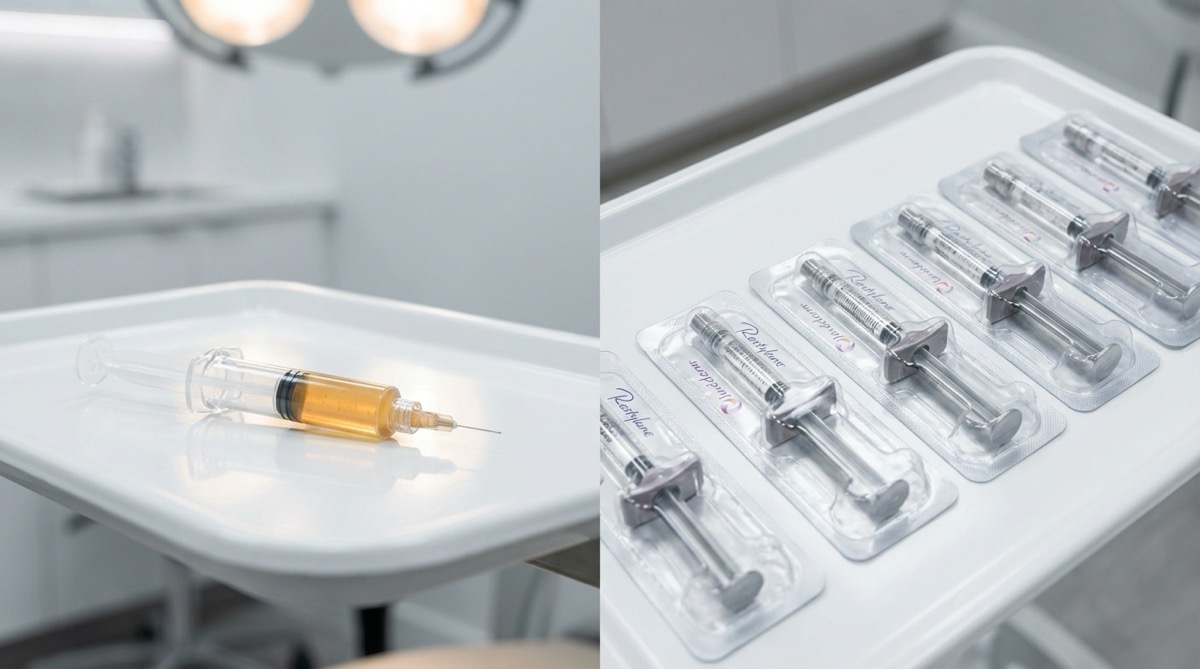
    Dermal fillers — primarily hyaluronic acid (HA) products like Juvederm and Restylane — are gel-like substances injected directly into facial tissues to restore volume, smooth wrinkles, or enhance contours. The procedure takes 15–45 minutes, requires no general anesthesia, and patients can return to normal activities almost immediately.

    Hyaluronic acid is a naturally occurring molecule in your skin that attracts and retains water, creating a plumping effect. Different formulations have varying levels of cross-linking, which determines their thickness, lifting capacity, and longevity. Thicker products work well for cheek augmentation and jawline definition, while thinner ones are better suited for lips and fine lines.

    Results are immediate but temporary, typically lasting 6–18 months depending on the product, the area treated, and your metabolism. The body gradually breaks down the hyaluronic acid, and the effect fades. One significant advantage: HA fillers can be dissolved with hyaluronidase if the result is unsatisfactory or if a complication arises.

    Fat Grafting vs Dermal Fillers: A Detailed Comparison

    Here’s how the two approaches compare across the factors that matter most to my patients:

    Factor Fat Grafting Dermal Fillers
    Longevity Permanent (surviving fat lasts a lifetime) Temporary (6–18 months)
    Naturalness Extremely natural — it’s your own tissue Very good with modern products, but can look “puffy” if overdone
    Cost Over 10 Years Lower (one-time investment, occasional touch-up) Higher (repeated sessions every 6–18 months)
    Recovery 7–14 days of visible swelling 0–3 days of mild swelling
    Anesthesia Local + sedation or general Topical or local only
    Stem Cell Benefit Yes — regenerative effect on skin quality No
    Reversibility Not easily reversible Reversible with hyaluronidase
    Risk of Vascular Occlusion Very low Low but documented, especially near the nose and glabella
    Best Areas Cheeks, temples, periorbital, jawline, full face Lips, nasolabial folds, marionette lines, targeted touch-ups
    Volume Capacity Large volumes (20–60 mL per session) Limited (typically 1–4 mL per session)

    When I Recommend Fat Grafting

    Fat grafting is my first recommendation when patients present with significant facial volume loss — the kind that makes the face look gaunt, hollow, or prematurely aged. Specifically, I recommend it for:

    • Patients over 45 with global volume deflation — sunken cheeks, hollow temples, deep under-eye circles. These patients need substantial volume restoration that fillers simply cannot deliver cost-effectively.
    • Patients combining procedures — if you’re already undergoing a facelift or eyelid surgery, adding fat grafting during the same operative session is highly efficient. One recovery, multiple benefits.
    • Patients who want a permanent solution — those tired of returning every 12 months for filler maintenance.
    • Patients seeking skin quality improvement — the stem cell component of fat grafting genuinely improves skin texture, thickness, and luminosity in ways fillers cannot.
    • Under-eye hollows and tear troughs — in many cases, fat grafting provides a more natural, longer-lasting correction than filler in this delicate area.

    When I Recommend Fillers

    Fillers are the better choice in several specific scenarios:

    • Younger patients (30s–early 40s) with mild volume loss — a syringe or two of filler can restore subtle volume without surgery.
    • Patients who want zero downtime — professionals, public figures, or anyone who simply cannot take time off.
    • Very targeted corrections — lip enhancement, a specific nasolabial fold, a small chin projection adjustment.
    • “Test drive” before surgery — some patients want to see what more volume looks like before committing to a permanent procedure. Fillers serve as an excellent preview.
    • Patients with insufficient body fat — very thin patients may not have enough donor fat for an effective transfer.

    The Hybrid Approach: Combining Fat Grafting and Fillers

    In my practice, I’ve found that the most sophisticated rejuvenation plans often combine both techniques. Here’s a scenario I see frequently:

    A 52-year-old patient undergoes a deep plane facelift with fat grafting for global volume restoration — cheeks, temples, periorbital area, jawline. Six months later, once everything has settled, she returns for a small touch-up with filler: perhaps 1 mL in the lips for definition, or a subtle correction in the nasolabial folds.

    This hybrid approach leverages the permanent, regenerative power of fat for the heavy lifting, while using fillers for precision finishing touches. It’s the best of both worlds.

    The goal is never to choose between fat grafting and fillers — it’s to understand which tool serves which purpose in your specific rejuvenation plan.

    Frequently Asked Questions

    Is fat grafting more painful than fillers?

    Fat grafting is a surgical procedure performed under anesthesia, so you feel nothing during the operation. Post-operative discomfort is mild and manageable with oral medication. Fillers involve needle pricks that can be uncomfortable but are typically well-tolerated with topical anesthetic. Overall, the recovery experience differs more than the pain itself — fat grafting requires downtime, while fillers do not.

    How much does fat grafting cost compared to fillers?

    Fat grafting has a higher upfront cost since it’s a surgical procedure. However, when you calculate the cumulative cost of filler maintenance over 5–10 years (repeated sessions every 6–18 months), fat grafting almost always becomes the more economical option. I always encourage patients to think in terms of total investment over time, not just the initial price tag.

    Can fat grafting go wrong? What if too much fat survives?

    In experienced hands, overcorrection is rare. I use a conservative, multi-layered injection technique and slightly overcorrect initially (by about 20–30%) because some fat is naturally reabsorbed. If the result is slightly fuller than desired, the face typically settles into a natural look within 3–6 months. Unlike fillers, excess fat cannot be “dissolved,” which is precisely why surgical precision and experience matter enormously.

    Are there any risks specific to facial fillers I should know about?

    The most serious risk with facial fillers is vascular occlusion — when filler is inadvertently injected into or compresses a blood vessel. This can lead to skin necrosis or, in extremely rare cases, vision problems. The nose and glabella (between the eyebrows) are particularly high-risk zones. This is why I always emphasize choosing an experienced physician and why I’m selective about which areas I treat with fillers.

    Can I get fat grafting if I’m very thin?

    It depends on how thin. Even slender patients usually have enough fat in the lower abdomen, inner thighs, or flanks for facial fat grafting — we typically need only 30–60 mL of raw fat. However, if you have an extremely low body fat percentage (such as competitive athletes), the harvest may be insufficient. In those cases, fillers or a combination of a small fat harvest plus fillers may be the better approach.

    Ready for an honest assessment? During your consultation, I’ll evaluate your facial anatomy, volume loss pattern, skin quality, and goals to recommend the approach — or combination of approaches — that will give you the most natural, lasting result. Learn more about my Regenerative Deep Plane technique or explore facelift options.

  • Non-Surgical Rhinoplasty Risks

    Non-Surgical Rhinoplasty Risks

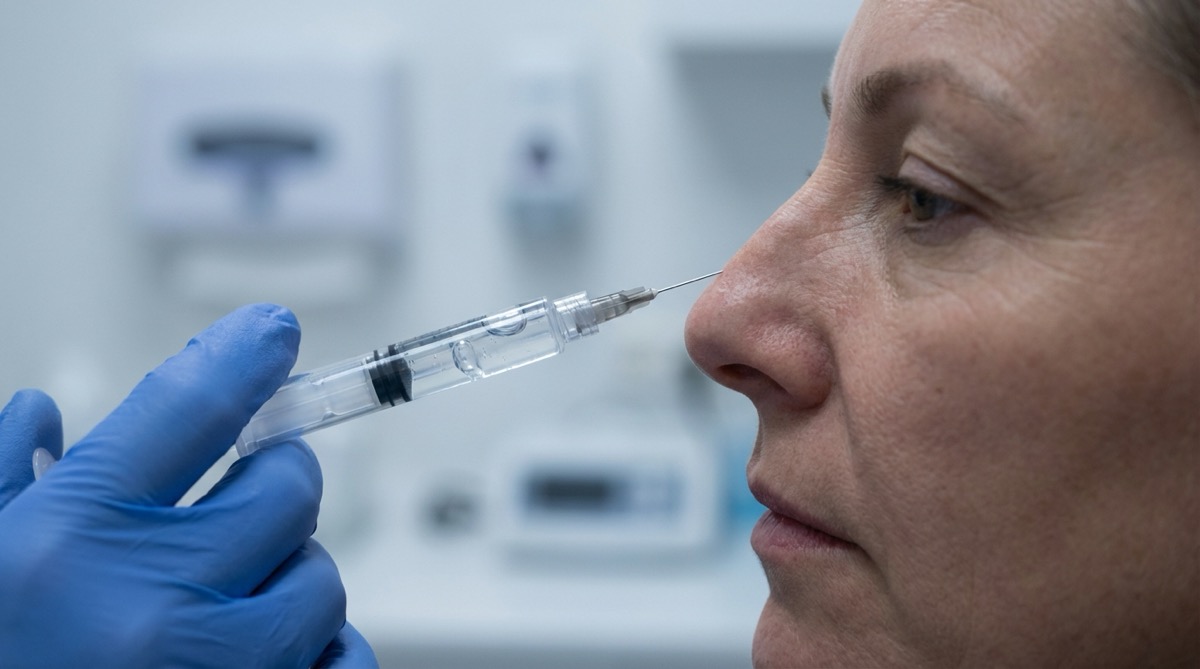
    The idea of reshaping your nose without surgery sounds almost too good to be true — and in many ways, it is. Non-surgical rhinoplasty, often marketed as a “liquid nose job” or “5-minute nose job,” uses injectable hyaluronic acid fillers to alter the nose’s appearance. It is fast, requires no anesthesia, and has virtually no downtime. I understand the appeal.

    But as a rhinoplasty specialist with over 20 years of experience and more than 8,000 nasal surgeries, I have also seen the consequences of this procedure gone wrong — and I have operated on patients whose non-surgical rhinoplasty created problems that were far more complex than the original concern they wanted to address. In this article, I want to give you an honest, evidence-based perspective on what non-surgical rhinoplasty can realistically achieve, what it absolutely cannot do, and the serious risks that are often minimized in marketing materials.

    Want to know if this procedure is right for you?
    Schedule a consultation or reach out via WhatsApp.

    What Non-Surgical Rhinoplasty Can Do

    Non-surgical rhinoplasty does have legitimate applications. When performed by an experienced injector who understands nasal anatomy deeply, fillers can achieve modest improvements in specific situations:

    • Camouflage a dorsal bump: By injecting filler above and below a bony hump, the injector creates a smoother profile line. The bump is not removed — it is disguised by filling the areas around it.
    • Improve minor asymmetries: Small depressions or irregularities on the nasal bridge can be smoothed with precise filler placement.
    • Subtle tip refinement: A small amount of filler at the nasal tip can create a slight lifting effect or improve tip definition in carefully selected patients.
    • Correct post-surgical irregularities: In some rhinoplasty patients, minor contour irregularities after surgery can be camouflaged with a touch of filler rather than a revision procedure.

    These are real, valid uses. The key word in every case is “subtle.” Non-surgical rhinoplasty works by adding volume, and the nose is a small structure where even 0.1 ml of filler makes a visible difference.

    What Non-Surgical Rhinoplasty Cannot Do

    Here is where honest communication becomes critical, because the limitations are substantial:

    It cannot make your nose smaller. This is the single most important limitation, and the one most frequently misunderstood. Fillers add volume. They can create optical illusions that make certain features less prominent, but the overall size of the nose either stays the same or increases. If your primary concern is that your nose is too large, non-surgical rhinoplasty is not the answer — it will make it bigger.

    It cannot fix breathing problems. Nasal obstruction caused by a deviated septum, turbinate hypertrophy, or internal valve collapse requires surgical correction. Fillers placed externally have no effect on the internal airway. In fact, poorly placed fillers can worsen breathing by compressing the nasal passages from outside.

    It is not permanent. Hyaluronic acid fillers are absorbed by the body over 6 to 18 months. This means the patient commits to repeat injections indefinitely to maintain the result. Over years, the cumulative cost can exceed the one-time cost of surgical rhinoplasty — with none of the permanence.

    It cannot reshape bone or cartilage. The fundamental architecture of the nose — the nasal bones, the upper lateral cartilages, the lower lateral cartilages, the septum — remains completely unchanged. Fillers sit on top of these structures as a soft-tissue layer. They cannot narrow wide nasal bones, rotate a drooping tip, or correct a twisted nose.

    It cannot address complex deformities. Saddle nose deformity, significant post-traumatic deviation, cleft lip nasal deformity, and other structural problems require cartilage grafting and precise surgical reconstruction — not filler injections.

    The Serious Risks Nobody Talks About

    The nose is one of the highest-risk areas for filler injection in the entire face. This is not opinion — it is vascular anatomy. The nose has a complex, highly variable blood supply with multiple anastomoses (connections between arteries). When filler is inadvertently injected into or around these vessels, the consequences can be devastating:

    Vascular compromise and skin necrosis: If filler compresses or enters the blood vessels supplying the nasal skin, the tissue loses its blood supply. The skin turns white, then blue, then black as it dies. This can result in permanent scarring and tissue loss on the most visible part of the face. Treatment with hyaluronidase (the filler-dissolving enzyme) must begin within minutes to hours — and even then, outcomes are unpredictable.

    Blindness: The nasal arteries communicate with the ophthalmic artery system that supplies the retina. Filler injected into the dorsal nasal artery can travel retrograde into the retinal vasculature, causing permanent, irreversible blindness. This is not a theoretical risk — it has been documented in peer-reviewed medical literature multiple times. The nose and glabella (area between the eyebrows) are the two highest-risk zones for filler-related blindness.

    Stroke: In rare but documented cases, filler material reaching the cerebral vasculature has caused stroke. The interconnected arterial system of the face makes this anatomically possible whenever fillers are injected in the central face.

    “The nose is a danger zone for fillers. Its blood supply is complex, variable between patients, and directly connected to the arteries that supply the eyes and brain. No amount of marketing can change vascular anatomy.”

    When Fillers Become a Problem: The Filler Nose Syndrome

    There is another risk that develops slowly over time, one that I see increasingly in my practice: filler nose syndrome. This occurs in patients who receive repeated filler injections over months or years. The cumulative effect creates a characteristic appearance:

    • Progressive widening: The nose gradually becomes broader and more amorphous as filler spreads through the soft tissues. What started as a “quick fix” for a bump has made the nose wider and less defined.
    • Loss of definition: The natural contours of the nasal tip and bridge become obscured under layers of accumulated filler. The nose takes on a smooth, puffy, unnatural appearance.
    • Skin changes: Chronic filler presence can thin the nasal skin over time, making it more translucent and prone to showing irregularities. In some cases, the skin develops a bluish discoloration (Tyndall effect) from superficially placed hyaluronic acid.
    • Fibrosis and granulomas: The body’s inflammatory response to repeated filler injections can create scar tissue (fibrosis) and granulomas — firm nodules that are difficult to treat and can distort the nose permanently.

    The tragedy of filler nose syndrome is that it creates a problem that is harder to correct surgically than the original complaint. Rhinoplasty on a nose with extensive filler history involves working through scar tissue, fibrotic capsules, and unpredictable tissue planes. The surgical complexity — and risk — increases significantly.

    When Surgical Rhinoplasty Is the Better Choice

    For the vast majority of patients who are unhappy with the shape or function of their nose, structural rhinoplasty remains the gold standard. Here is why:

    • Permanent results: A single surgery produces results that last a lifetime. No repeat treatments, no ongoing costs, no gradual loss of correction.
    • True size reduction: Surgical rhinoplasty can actually make the nose smaller — narrowing the bridge, refining the tip, reducing alar flare — something fillers fundamentally cannot do.
    • Functional improvement: Surgery can simultaneously correct breathing problems by addressing the septum, turbinates, and internal valves.
    • Structural integrity: Cartilage grafts create a strong, lasting framework that supports the nose through decades of aging, rather than a temporary filler layer that will be absorbed.
    • Natural aging: A well-structured nose ages gracefully with the face. A filler-dependent nose requires constant maintenance, and the appearance changes unpredictably as filler migrates and degrades.

    Surgical rhinoplasty requires downtime — typically 7 to 10 days of social recovery and 3 to 6 months for swelling to fully resolve. But this investment of time yields a permanent transformation, whereas non-surgical rhinoplasty offers a temporary illusion that must be repeated indefinitely.

    Frequently Asked Questions

    Can non-surgical rhinoplasty make my nose smaller?

    No. This is the most common misconception. Fillers add volume to the nose — they cannot remove tissue, narrow bone, or reduce cartilage. Strategic placement can create the illusion of a smoother profile by camouflaging a bump, but the nose becomes slightly larger overall. If reducing nose size is your goal, surgical rhinoplasty is the only effective option.

    How dangerous are nose fillers really?

    The nose is classified as a high-risk zone for filler injections due to its complex vascular anatomy. Documented complications include skin necrosis (tissue death), permanent blindness, and stroke. While these severe complications are rare, they are not theoretical — they occur in real clinical practice. The risk is higher with inexperienced injectors, but even experts have reported vascular events because of the unpredictable anatomical variations in nasal blood supply.

    I had filler in my nose and want surgery now. Is that possible?

    Yes, but there are important considerations. I recommend dissolving all filler with hyaluronidase and waiting at least 3 to 6 months before surgical rhinoplasty. This allows the tissues to return to their natural state and gives me the most accurate assessment of your nasal anatomy. Surgery on a nose with residual filler is more complex due to altered tissue planes and potential fibrosis.

    Is non-surgical rhinoplasty a good “test run” before committing to surgery?

    This is a common marketing claim, but it is misleading. Non-surgical rhinoplasty and surgical rhinoplasty achieve fundamentally different things. Filler adds volume and camouflages; surgery reshapes, reduces, and restructures. What you see after filler is not a preview of what surgery would achieve. A proper surgical consultation with computer imaging provides a far more accurate preview of potential surgical outcomes.

    How much does non-surgical rhinoplasty cost over time compared to surgery?

    A single non-surgical rhinoplasty session typically costs $600 to $1,500. Since results last 6 to 18 months, patients need 1 to 2 treatments per year indefinitely. Over 10 years, the cumulative cost ranges from $6,000 to $30,000 — often exceeding the one-time cost of a permanent surgical rhinoplasty. Add the ongoing time commitment, the cumulative risks of repeated injections, and the possibility of developing filler nose syndrome, and the cost-benefit analysis strongly favors surgery for most patients.

    Making the Right Decision for Your Nose

    I am not against non-surgical rhinoplasty categorically. In the right patient, with the right expectations, performed by the right hands, it can be a reasonable option for minor, temporary corrections. But I believe every patient deserves complete, honest information before making this decision — including the limitations and risks that are too often glossed over.

    If you are considering any form of rhinoplasty — surgical or non-surgical — I encourage you to schedule a consultation so we can evaluate your anatomy, discuss your goals, and determine which approach will truly serve you best in the long term.

    Learn more about structural rhinoplasty or explore other facial procedures like the regenerative deep plane facelift.

    Dr. Walter Zamarian Jr.
    CRM-PR 17.388 | RQE 15.688
    Board-Certified Plastic Surgeon — Londrina, PR, Brazil