
Short answer: before arranging plastic surgery in Brazil, confirm the surgeon’s specialist registration, the operating facility, the follow-up plan and who can help during recovery. Begin with an online consultation, then allow time for the required in-person assessment. The CDC Yellow Book recommends planning for complications and care after returning home. Choose flexible travel dates: surgery and prolonged travel can increase blood-clot risk, and a booked flight does not establish that you are fit to travel.
Brazil has a long tradition in plastic surgery, but that does not make every clinic, surgeon or travel plan equally safe. A good decision requires the same due diligence you would apply in your own country, plus additional checks for language, documentation, long-haul travel and continuity of care.
Medical review
Written and reviewed by Dr. Walter Zamarian Jr., plastic surgeon in Londrina, Brazil. CRM-PR 17.388, RQE 15.688, full member of the Brazilian Society of Plastic Surgery (SBCP) and member of the American Society of Plastic Surgeons (ASPS). Dr. Zamarian has performed more than 8,000 surgeries over two decades; today, by deliberate choice, more than 90% of his surgeries are deep plane facelifts with fat grafting — 3 per week (~150 per year). Last reviewed: May 23, 2026.
Is plastic surgery in Brazil safe for international patients?
Plastic surgery in Brazil can be safe for international patients when the surgeon is a verified specialist, the procedure is performed in an appropriate medical facility, and the patient has a responsible plan for pre-operative evaluation, recovery time and follow-up. The risk increases when the trip is organized mainly around price, tourism, tight flights or incomplete medical screening.
The safest approach is to separate three decisions: whether you are a good candidate for surgery, whether the surgeon and facility meet specialist standards, and whether your travel plan gives your body enough time to recover before flying home.
How to verify a Brazilian plastic surgeon
Before considering dates or costs, verify whether the physician is legally registered and recognized as a specialist in plastic surgery. In Brazil, the most important credentials are the CRM number and the RQE number.
- CRM: the state medical registration that allows the physician to practice medicine.
- RQE: the specialist qualification record. For aesthetic surgery, the RQE should correspond to plastic surgery.
- SBCP membership: membership in the Brazilian Society of Plastic Surgery helps confirm specialist training and peer recognition.
- International affiliations: organizations such as ASPS may add another layer of professional transparency, but they do not replace CRM, RQE and a direct medical evaluation.
For reference, Dr. Walter Zamarian Jr. openly lists CRM-PR 17.388 and RQE 15.688. Patients should be cautious with any professional who avoids showing a specialist registration number, relies only on social media visibility, or promises a result before examining the patient.
Online consultation is useful, but it does not replace the in-person consultation
An online consultation is useful for international patients because it allows an initial review of goals, medical history, photographs, expectations and travel feasibility before booking flights. It can help identify whether a procedure such as facelift, blepharoplasty or labiaplasty is worth discussing in more detail.
However, surgery should not be confirmed only from a video call. A first in-person consultation in Londrina is required before any surgical procedure. The in-person visit allows physical examination, review of exams, anesthesia planning and a final discussion of risks, limitations and alternatives.
Facility, anesthesia and hospital planning
International patients should ask where the surgery will be performed, who will provide anesthesia, what recovery monitoring is available, and what hospital support exists if a complication occurs. A safe plan is not only about the surgeon; it also depends on the facility, the anesthesia team, sterile protocols, emergency readiness and clear post-operative instructions.
For larger procedures or combined surgeries, the setting matters even more. Patients should avoid offers that minimize anesthesia, skip medical clearance or compress multiple major operations into a schedule chosen mainly for convenience.
Travel documents, visa and insurance
Check passport validity, entry rules and the visa category suitable for your trip before booking. Brazil restored visa requirements for nationals of the United States, Canada and Australia on April 10, 2025, as confirmed by the Brazilian Ministry of Foreign Affairs. Dual Brazilian nationals have different documentation rules. Confirm your exact nationality, passport, purpose and planned stay with the Brazilian consulate.
Travel insurance and health insurance should also be reviewed carefully. Many standard travel policies exclude elective surgery or complications related to planned medical procedures abroad. If a policy does not clearly cover your situation, assume that post-operative care, flight changes or hospital care may be out-of-pocket.
Recovery is not tourism
Recovery after plastic surgery should not be treated as a holiday schedule. Walking gently, hydration, wound care, medication timing, compression garments when indicated, and attendance at follow-up visits are more important than tours, beaches, alcohol, long excursions or rushing to fly home.
Air travel and surgery can both increase blood-clot risk, as the CDC explains. Plan the return flight around individual medical clearance. Shortness of breath or chest pain requires emergency care; do not wait for a WhatsApp reply. New one-sided leg pain or swelling needs urgent assessment. Sudden weakness also requires immediate medical assessment. Fever, worsening wound pain, persistent bleeding or drainage also require prompt medical review.
Risks international patients should discuss before surgery
Every operation has risk, even when performed by a qualified specialist. International patients should discuss infection, bleeding, hematoma, anesthesia risk, delayed wound healing, visible scarring, asymmetry, need for revision, deep vein thrombosis and pulmonary embolism before signing a surgical plan.
The goal is not to create fear. The goal is to make sure the patient understands what can happen, how risks are reduced, which symptoms need urgent care, and who will be responsible for follow-up after the patient leaves Brazil.
Travelling to Londrina: accommodation, transport and personal support
We can begin with an online consultation before you arrange your trip to Londrina. An in-person preoperative consultation is still required; when the first consultation was online, that preoperative visit has no additional consultation fee.
My team provides accommodation guidance in Londrina, including hotel or Airbnb options. Accommodation is booked and paid for separately. We can recommend a trusted driver and a companion or caregiver. The driver and companion/caregiver are available to hire separately, at an additional cost.
During your stay in Londrina, you have support with dressing care and frequent in-person follow-up appointments with me. After you return home, we continue online follow-up until one year after your surgery.
Before booking, confirm the accommodation location, transport to appointments and companion requirements with my team. Your length of stay and clearance to travel depend on an in-person assessment and your individual recovery.
Deep Plane facelift prices and travel budget
I provide an individual surgical quote after assessing you and the proposed treatment plan. Associated procedures, included items and payment terms are discussed during consultation. I do not publish surgical prices or price ranges.
Questions international patients ask
Can I travel alone for plastic surgery in Brazil?
Travelling alone for plastic surgery is usually not ideal because the first days after surgery may require help with transport, meals, medication timing and warning-sign monitoring. If a patient comes alone, the support plan in Londrina must be discussed before surgery.
How long should I stay in Brazil after surgery?
The safest length of stay depends on the procedure, anesthesia, recovery and personal risk factors, so it must be defined individually. Facial procedures and body procedures do not have the same travel timeline, and combined surgeries usually require more caution.
Is a lower price a good reason to choose surgery abroad?
Price alone is not a safe reason to choose surgery abroad because complications, follow-up limitations, travel changes and additional care can make a low initial quote misleading. The decision should be based on credentials, safety standards, communication, realistic expectations and continuity of care.
Can I do tourism while recovering?
Tourism should be limited during surgical recovery because activity, heat, alcohol, long walks and missed rest can increase discomfort and risk. The recovery plan should come first; sightseeing, if allowed, should only happen after medical clearance.
Before you book your trip
Brazil can be a serious destination for plastic surgery when the patient chooses a verified specialist, understands the limits of online assessment, completes an in-person consultation, plans recovery responsibly and treats travel logistics as part of the medical plan. A safe international surgery journey is built on verification, time, follow-up and realistic expectations, not on shortcuts.
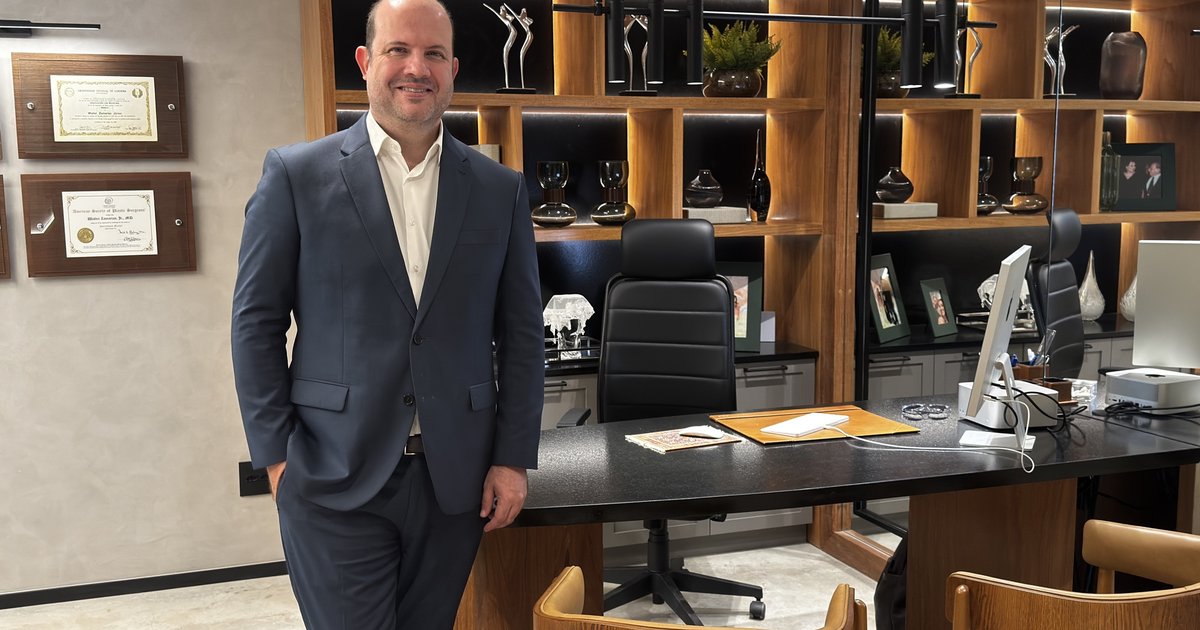
Dr. Walter Zamarian Jr.
Plastic surgeon in Londrina, Brazil (CRM-PR 17.388 | RQE 15.688), full member of SBCP and ASPS. He has worked in plastic surgery for more than 20 years, with a focus on individualized planning, patient safety, Deep Plane facelift, eyelid surgery, facial fat grafting, and female intimate surgery.
Follow this blog on Google
Want to find more articles from this blog on Google? Add Dr. Walter Zamarian Jr. to your preferred sources.
Leave a comment