Resposta curta: uma segunda rinoplastia pode ser considerada quando existe alteração estética ou respiratória que possa melhorar com nova cirurgia e o benefício justifique os riscos. A avaliação pode começar durante o acompanhamento; ela não significa reoperar imediatamente. Para uma revisão eletiva, a Mayo Clinic recomenda esperar pelo menos um ano, porque o nariz continua mudando. Infecção, exposição de enxerto, sofrimento da pele ou piora respiratória exigem avaliação precoce. Nem toda insatisfação precisa de outra operação.
Sobre a prática atual: O Dr. Walter Zamarian Jr. não realiza mais rinoplastia. Este artigo permanece disponível como conteúdo educativo.
O primeiro passo não é decidir pela cirurgia. O primeiro passo é entender se existe um problema objetivo, se ele é corrigível, se os tecidos já amadureceram e se o risco de operar novamente é justificado. Em alguns casos, a melhor conduta é observar por mais tempo; em outros, investigar a respiração, revisar exames ou planejar reconstrução estrutural.
Revisão médica
Texto escrito e revisado pelo Dr. Walter Zamarian Jr., cirurgião plástico em Londrina. CRM-PR 17.388, RQE 15.688, membro titular da Sociedade Brasileira de Cirurgia Plástica (SBCP) e membro da American Society of Plastic Surgeons (ASPS). Mais de 8.000 cirurgias realizadas ao longo de duas décadas de carreira; hoje, por escolha deliberada, mais de 90% das suas cirurgias são lifting deep plane com enxerto de gordura — 3 por semana (~150/ano) — menos volume, mais profundidade de transformação por paciente. Última revisão: 24 de maio de 2026.
O que é rinoplastia de revisão?
A rinoplastia de revisão, também chamada de rinoplastia secundária, é uma cirurgia nasal realizada depois de uma rinoplastia prévia. Ela pode ter objetivo funcional, estético ou ambos. Em alguns pacientes, a revisão corrige uma irregularidade pequena; em outros, exige reconstrução de suporte nasal que foi enfraquecido, removido ou distorcido na primeira cirurgia.
Ela é diferente de uma primeira rinoplastia porque o cirurgião encontra tecidos já cicatrizados. Os planos anatômicos podem estar alterados, a cartilagem septal pode já ter sido usada, a pele pode estar menos complacente e a resposta ao inchaço pode ser mais lenta. Por isso, a revisão exige mais diagnóstico, mais planejamento e uma conversa mais rigorosa sobre limites.
Quando uma segunda cirurgia pode fazer sentido
A revisão pode ser apropriada quando existe um problema visível, funcional, estável e com boa chance de melhora cirúrgica. Exemplos incluem obstrução nasal persistente, colapso da válvula nasal, desvio septal residual ou recorrente, nariz torto, dorso irregular, perda de suporte da ponta, retração alar, assimetria das narinas, deformidade em V invertido ou enfraquecimento estrutural progressivo.
A insatisfação estética isolada não é suficiente. É preciso diferenciar um problema real de cicatrização ainda em evolução, expectativa desalinhada, alteração pequena demais para justificar o risco ou quadro emocional que pode piorar com novas cirurgias. Operar um nariz que não precisa de revisão pode causar mais dano do que benefício.
Quando ainda é cedo para revisar
Para uma nova cirurgia eletiva, costuma ser necessário esperar a cicatrização amadurecer. A Mayo Clinic orienta pelo menos um ano quando uma segunda operação é necessária. O prazo pode ser maior conforme os tecidos e a complexidade, mas não impede consultas antes disso para examinar a queixa e acompanhar sua evolução.
Existem exceções. Avaliação precoce é importante quando há infecção, obstrução respiratória intensa, trauma, colapso progressivo, exposição de enxerto, sofrimento de pele ou deformidade que piora rapidamente. Avaliar cedo não significa operar cedo; significa acompanhar o problema com segurança e decidir no momento certo.
Por que a rinoplastia de revisão é mais complexa?
Cicatriz interna muda os planos anatômicos
Toda rinoplastia gera cicatriz. Na revisão, a fibrose pode tornar os tecidos mais rígidos, menos previsíveis e com planos de dissecção menos nítidos. Isso pode limitar a quantidade de refinamento possível e aumentar a importância de preservar a vascularização da pele.
Cartilagem pode estar ausente ou enfraquecida
Algumas rinoplastias primárias removem ou enfraquecem cartilagem. Quando o suporte é insuficiente, a revisão não é apenas uma cirurgia de contorno; ela pode exigir reconstrução da estrutura nasal. Isso é especialmente importante quando há dificuldade para respirar ou perda de sustentação da ponta, do dorso médio ou das bordas das narinas.
As expectativas precisam ser mais estreitas
A cirurgia anterior deixa limites reais. Em uma revisão, o objetivo pode ser melhorar a respiração, reconstruir suporte, suavizar uma irregularidade ou devolver proporção ao nariz, mas não criar um nariz perfeito ou completamente novo. Expectativa realista é parte da indicação médica.
Como avaliar função respiratória e estética
A consulta precisa avaliar aparência e respiração. A obstrução nasal pode estar relacionada a desvio de septo residual, colapso da válvula nasal, alterações dos cornetos, sinéquias, cicatrizes internas ou perda de suporte estrutural. Em alguns casos, a revisão se aproxima de uma rinosseptoplastia, porque forma e função estão conectadas.
Quando o problema envolve osso nasal, a rinoplastia ultrassônica pode ser considerada em pacientes selecionados. Ainda assim, tecnologia não substitui diagnóstico. A pergunta principal é anatômica: qual estrutura falhou, o que precisa ser preservado e o que precisa ser reconstruído?
Enxertos na rinoplastia de revisão
A revisão frequentemente exige enxertos de cartilagem. A escolha depende do que sobrou do septo, da quantidade de suporte necessária, do formato desejado e da presença de cirurgias anteriores.
- Cartilagem septal: é útil quando ainda existe material suficiente, mas muitas vezes já foi usada na primeira cirurgia.
- Cartilagem de orelha: pode ajudar em refinamentos e suporte de borda alar, mas tem quantidade limitada e curvatura própria.
- Cartilagem de costela: pode ser indicada em reconstruções maiores, colapso importante ou múltiplas cirurgias prévias, mas acrescenta dor e cicatriz em área doadora, além de risco de empenamento, irregularidade, visibilidade, palpabilidade ou necessidade de nova correção.
O enxerto de costela é uma ferramenta valiosa, mas não deve ser banalizado. Ele pode oferecer material abundante e firme para reconstrução, especialmente quando falta suporte nasal. Ao mesmo tempo, exige indicação precisa, técnica cuidadosa e explicação clara dos riscos.
Recuperação depois de uma rinoplastia de revisão
A recuperação pode lembrar a primeira rinoplastia, mas o inchaço costuma ser mais prolongado. A ponta nasal é a região que mais demora para definir, e tecidos já operados podem ficar endurecidos durante a cicatrização. Se houver retirada de cartilagem costal, a região torácica também precisa de cuidado e controle de dor.
Nas primeiras semanas, o foco é cuidar da tala, controlar edema e evitar trauma. Nos meses seguintes, a definição aparece gradualmente. A definição pode exigir um ano ou mais, e o acompanhamento deve ser individualizado; o Johns Hopkins Medicine ressalta que a resolução completa do inchaço pode ultrapassar um ano.
Riscos e sinais de alerta
A rinoplastia de revisão tem os riscos de uma rinoplastia somados à complexidade de operar tecidos já modificados. Podem ocorrer problemas anestésicos, sangramento, infecção, má cicatrização, cicatrizes, edema prolongado, dormência, sofrimento de pele, perfuração septal, alterações respiratórias, assimetrias, irregularidades de contorno, empenamento de enxerto, enxerto visível ou palpável, dor ou cicatriz em área doadora, insatisfação e necessidade de nova cirurgia.
Febre, secreção purulenta, inchaço que piora rapidamente, sangramento intenso, dor fora do esperado, piora respiratória, mudança de cor da pele, dor no peito, falta de ar ou inchaço em panturrilha exigem contato imediato com a equipe cirúrgica ou atendimento de urgência.
Expectativa e preparo emocional
A revisão nasal tem uma carga emocional importante. Muitos pacientes chegam frustrados, inseguros ou com medo de repetir uma experiência ruim. Isso precisa ser acolhido, mas também separado da decisão cirúrgica. Se o incômodo muda a cada consulta, se a expectativa é simetria perfeita ou se o sofrimento é desproporcional ao achado físico, a cirurgia pode não ser o melhor próximo passo.
Uma indicação responsável pode terminar com cirurgia, mas também pode terminar com observação, documentação fotográfica, investigação respiratória ou orientação para esperar mais tempo. O objetivo é proteger o paciente, não acelerar uma nova operação.
Perguntas frequentes
Quanto tempo devo esperar para fazer rinoplastia de revisão?
A avaliação pode ocorrer antes de a cicatrização terminar. Para reoperar eletivamente, costuma-se aguardar pelo menos um ano e individualizar o momento conforme os tecidos. Obstrução importante, infecção, trauma, sofrimento da pele ou colapso progressivo exigem avaliação mais precoce.
A rinoplastia de revisão é mais arriscada que a primeira?
A rinoplastia de revisão costuma ser mais complexa porque cicatrizes, anatomia alterada e cartilagem ausente reduzem a previsibilidade. Ela pode ser indicada, mas a discussão de risco, benefício e limite precisa ser mais rigorosa do que em uma primeira cirurgia.
Vou precisar de cartilagem da costela?
Nem toda rinoplastia de revisão precisa de cartilagem costal. Ela é considerada quando a cartilagem do septo ou da orelha é insuficiente e o nariz precisa de suporte estrutural mais forte, especialmente após colapso importante ou múltiplas cirurgias prévias.
A revisão pode melhorar a respiração?
A rinoplastia de revisão pode melhorar a respiração em pacientes selecionados quando a obstrução é causada por alterações corrigíveis, como desvio septal, colapso de válvula nasal, sinéquias ou perda de suporte. Ela não garante respiração normal em todos os casos.
O convênio cobre rinoplastia de revisão?
A cobertura de uma cirurgia nasal depende do contrato, da indicação clínica, da documentação funcional e da análise do plano de saúde. Quando existe componente respiratório, a avaliação deve ser individualizada e documentada; a parte estética, em geral, não deve ser assumida como coberta.
Como é a avaliação para rinoplastia de revisão
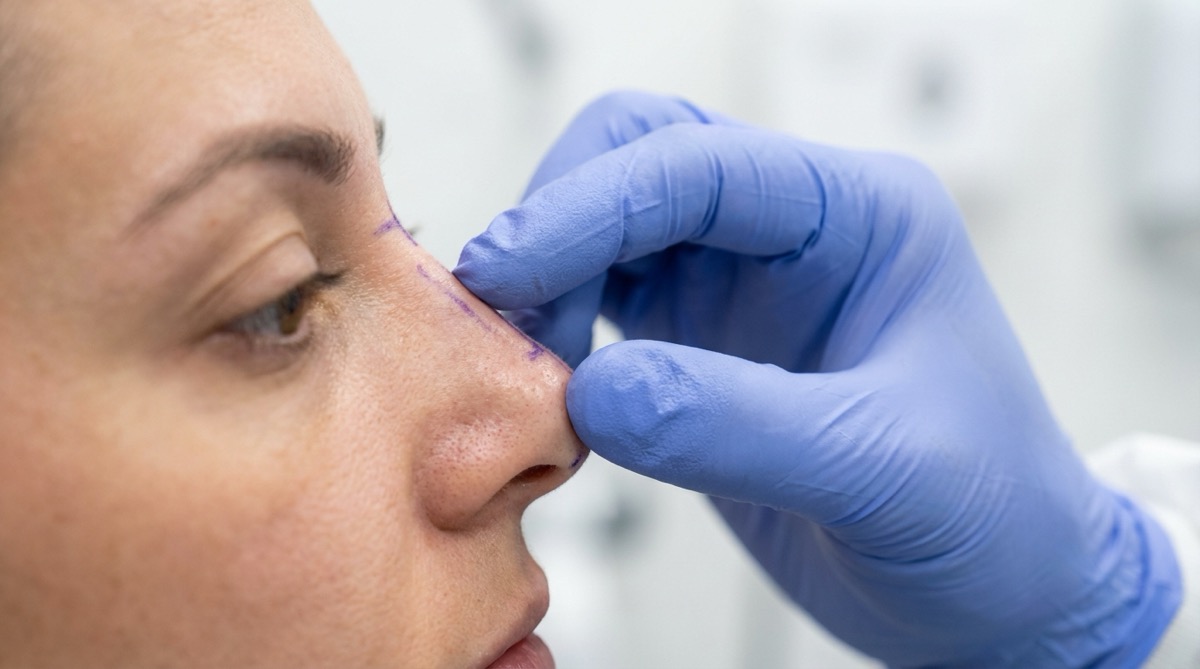
Na consulta, o cirurgião responsável analisa a história da cirurgia anterior, fotografias, sintomas respiratórios, espessura da pele, suporte cartilaginoso, septo, válvula nasal, ponta, dorso, narinas e expectativas. Quando disponível, o relatório operatório prévio ajuda, mas o exame físico continua sendo decisivo.
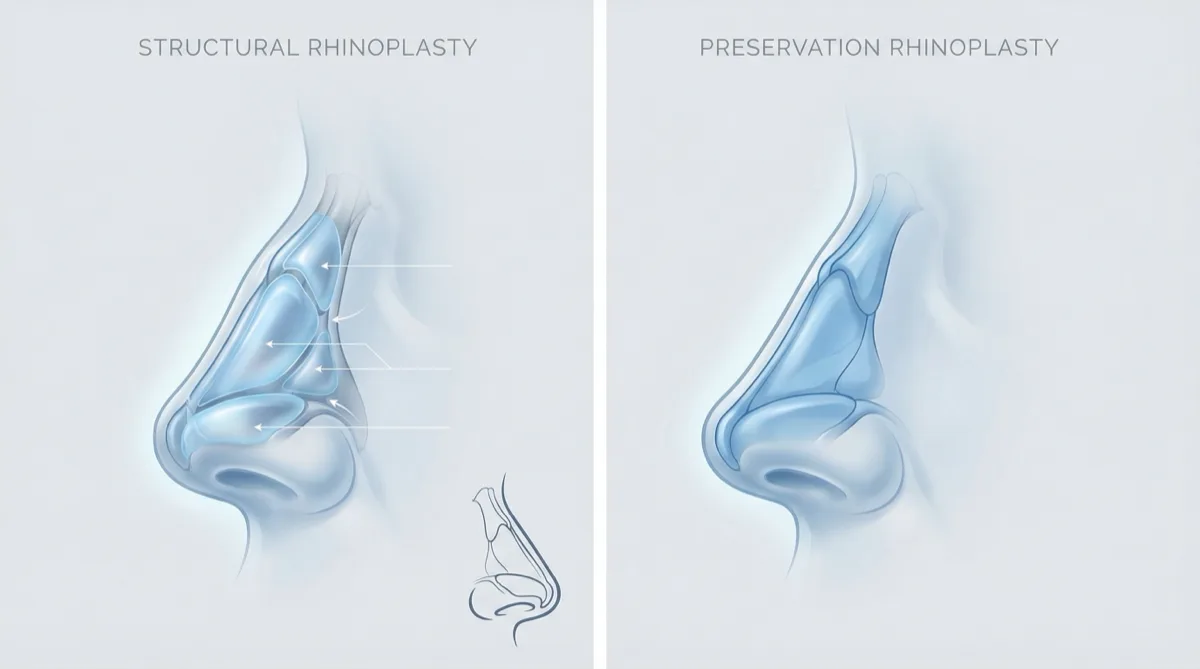
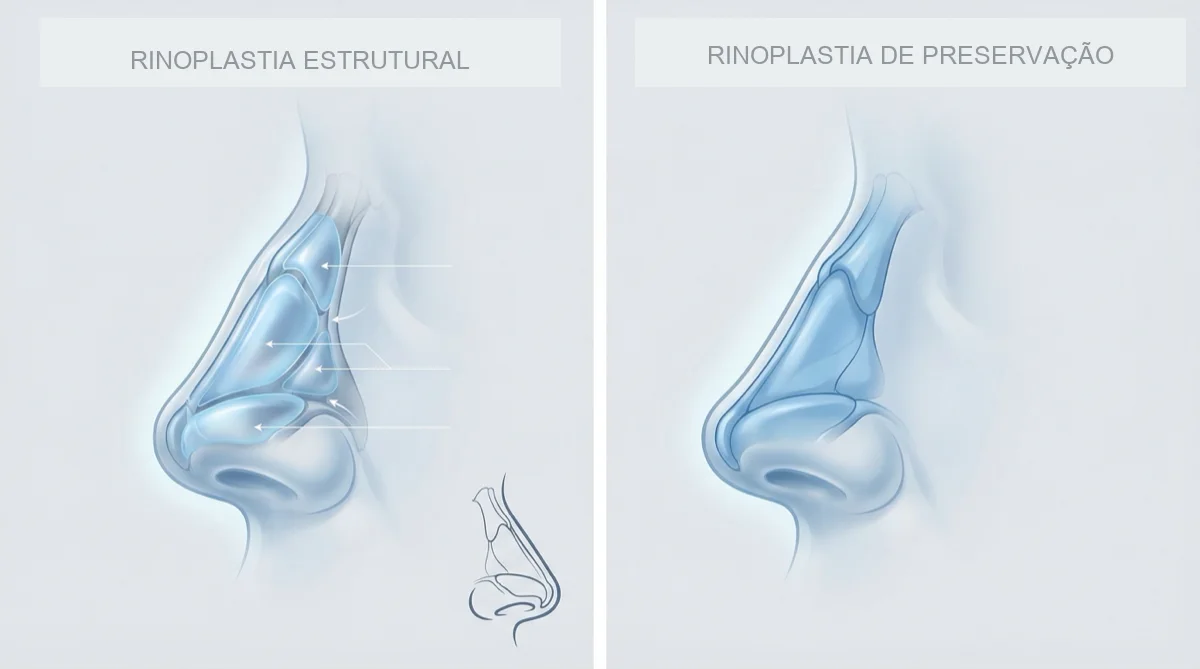
Para aprofundar, leia também as páginas sobre rinoplastia secundária, rinoplastia estrutural, rinosseptoplastia e rinoplastia ultrassônica, além dos guias do blog sobre rinoplastia ou preenchimento nasal e rinoplastia estrutural versus preservação.
Se você considera uma rinoplastia de revisão, procure uma avaliação criteriosa antes de decidir. A consulta deve esclarecer o que é corrigível, o que precisa de tempo, quais enxertos podem ser necessários e quais riscos fazem parte do seu caso.