A Deep Plane facelift can remain meaningful for around a decade or longer in many well-selected patients, but no facelift stops aging and individual longevity varies. The better question is not “how many years is fixed?” but “what changes does the operation correct, what keeps aging, and how can the result be maintained safely?”
Deep Plane surgery repositions deeper facial tissues rather than relying only on skin tension. That can make the result more durable than a limited skin-only procedure, but durability still depends on anatomy, skin quality, sun exposure, smoking, weight stability, facial volume, neck anatomy, technique, recovery and follow-up.
Medical review
Written and reviewed by Dr. Walter Zamarian Jr., plastic surgeon in Londrina, Brazil. CRM-PR 17.388, RQE 15.688, full member of the Brazilian Society of Plastic Surgery (SBCP) and member of the American Society of Plastic Surgeons (ASPS). More than 8,000 surgeries over two decades of practice; today, by deliberate choice, 2-3 facelifts per week (~100-150 per year). Last reviewed: May 24, 2026.
What “lasting” really means after a facelift
A facelift does not freeze the face. It improves selected signs of aging from a new baseline, then the face continues to age. A good long-term result is one that keeps the jawline, cheek, neck and facial transitions looking balanced as time passes, not one that prevents every future wrinkle or every future change.
This distinction matters because patients often hear a number and treat it as a promise. Published patient-education sources commonly describe full facelifts as lasting over ten years for many patients, but that is a general expectation, not a patient-specific prediction.
Why Deep Plane results may age well
In a Deep Plane facelift, the surgical plan addresses deeper facial support rather than simply tightening the skin. By releasing selected retaining structures and repositioning mobile soft tissue, the operation can improve the cheek, jowl and jawline with less dependence on skin pull.
This does not mean every patient gets the same duration. It means the operation is designed around facial support. The quality of the result still depends on anatomy, diagnosis, surgical execution, healing and how the face continues to change after surgery.
Timeline: what changes when?
First month
The first month is not the time to judge longevity. Swelling, bruising, firmness and asymmetry from healing can dominate the appearance. The priority is incision care, edema control, rest and close follow-up.
Three months
At around three months, facial definition is usually clearer, but the tissues are still settling. The jawline and neck may look more natural, while small areas of firmness or swelling can persist.
Six to twelve months
Between six and twelve months, the result becomes more reliable to assess. Scars mature, swelling decreases and the facial transitions settle. If fat grafting was performed, volume retention is also judged over time rather than in the first weeks.
Long-term years
In the long term, the face continues to age. Skin elasticity changes, sun damage accumulates, volume may decrease and the neck may change again. Many patients still look better than they would have without surgery, but maintenance and realistic expectations remain important.
Factors that influence longevity
- Skin quality and genetics: thicker, healthier skin and stronger facial support often age differently than thin, sun-damaged skin.
- Sun exposure: ultraviolet damage weakens collagen and elastin, affecting the skin envelope over the repositioned tissue.
- Smoking and nicotine: nicotine impairs circulation, wound healing and long-term skin quality.
- Weight stability: major weight gain or loss can change facial volume and neck contour.
- Volume loss: a lift repositions tissue, but ongoing facial deflation may require separate planning.
- Neck anatomy: platysma, subplatysmal fullness and skin quality can influence how the neck ages after surgery.
- Follow-up and maintenance: skin care, sun protection, weight stability and timely review help protect the result.
Where fat grafting and skin care fit
Some patients benefit from a combined plan that includes facial fat grafting with Deep Plane surgery. Fat transfer can restore selected volume deficits, but retention varies and it should not be presented as a fixed way to extend facelift duration.
Skin quality also matters. Sunscreen, topical retinoids when tolerated and prescribed, treatment of pigmentation, avoidance of nicotine and healthy weight stability can help the face age better after surgery. These measures maintain the skin envelope; they do not replace surgery when the problem is structural descent.
When revision may be considered
Revision is not decided by the calendar alone. It may be considered when recurrent neck laxity, jowling, scar issues, asymmetry, tissue descent or volume change becomes significant enough to justify another procedure. Some patients need only smaller complementary treatments; others may eventually consider revision facelift.
The decision should be based on examination, health, anatomy, goals and risk-benefit balance. A patient who is still healing, actively losing weight or expecting surgery to stop aging may not be ready for another operation.
Risks and safety context
Deep Plane facelift is a major facial surgery. Risks include anesthesia-related problems, bleeding, hematoma, infection, delayed healing, visible scars, skin suffering, nerve irritation or injury, asymmetry, contour irregularity, hairline or earlobe changes, numbness, prolonged swelling, DVT, pulmonary embolism, dissatisfaction and possible revision.
Urgent signs include severe one-sided swelling, rapidly expanding bruising, intense pain, fever, pus, skin color change, shortness of breath, chest pain, calf swelling, facial weakness or neurologic symptoms. These require immediate contact with the surgical team or emergency care.
Frequently asked questions
How long does a Deep Plane facelift last?
Many well-selected patients can maintain a meaningful Deep Plane facelift result for around a decade or longer, but the duration varies. Aging continues, and skin quality, genetics, sun exposure, smoking, weight change and maintenance all matter.
Does a facelift stop aging?
No. A facelift improves selected signs of aging from a new baseline, but the face continues to age. The goal is a natural, durable improvement, not a frozen or unchanging face.
Does Deep Plane last longer than SMAS?
Deep Plane techniques are designed to reposition deeper tissues, while many SMAS techniques vary widely in depth and extent. Longevity depends on the exact operation, patient anatomy and healing, so this comparison should be discussed in consultation rather than reduced to one fixed number.
Can neck lift or blepharoplasty affect the overall result?
Yes. The face may look balanced longer when the neck, jawline, eyelids and volume loss are evaluated together. A neck lift or eyelid procedure may be part of the plan when those areas are contributing to the aged appearance.
How I discuss longevity in Brazil
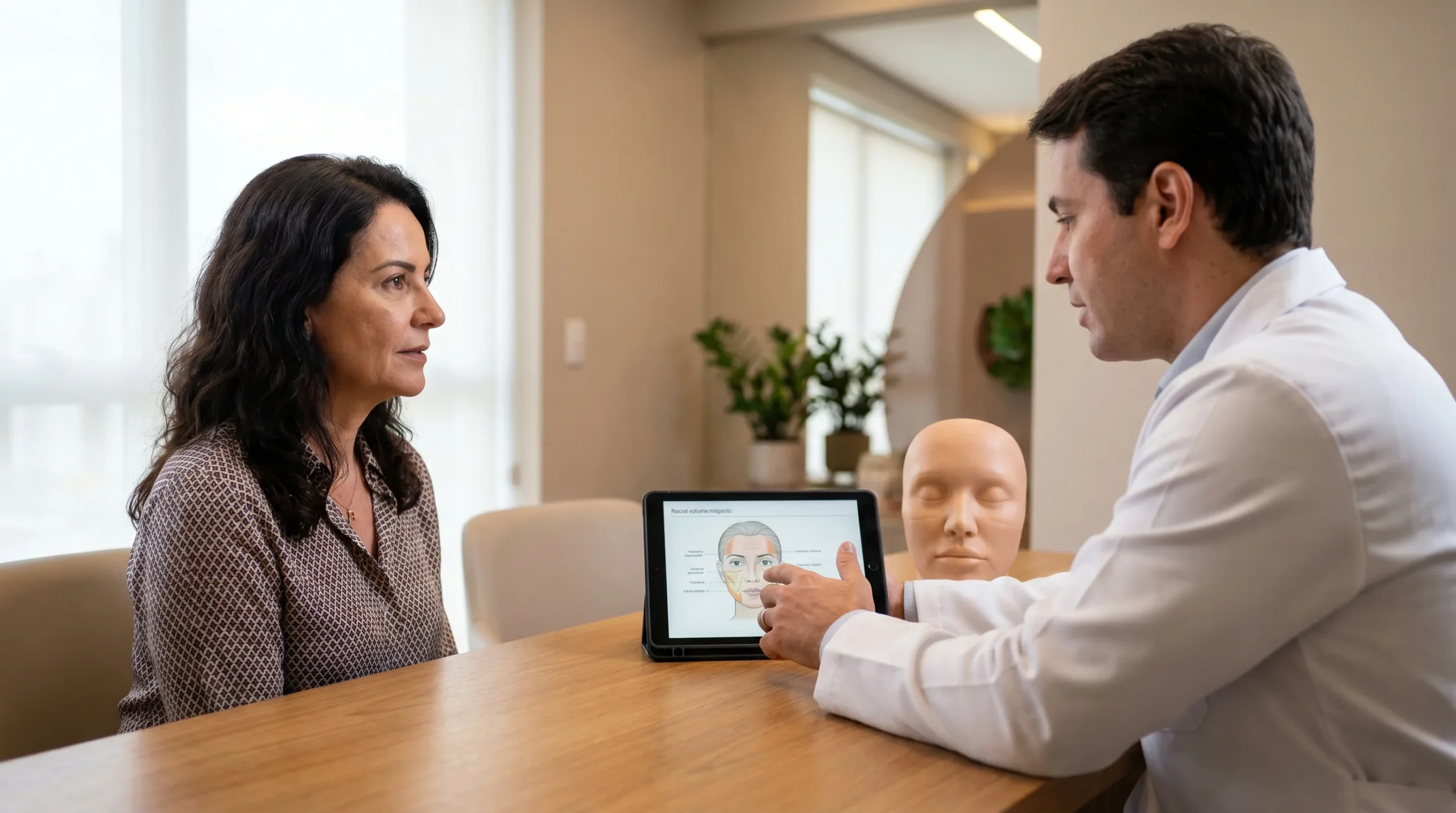
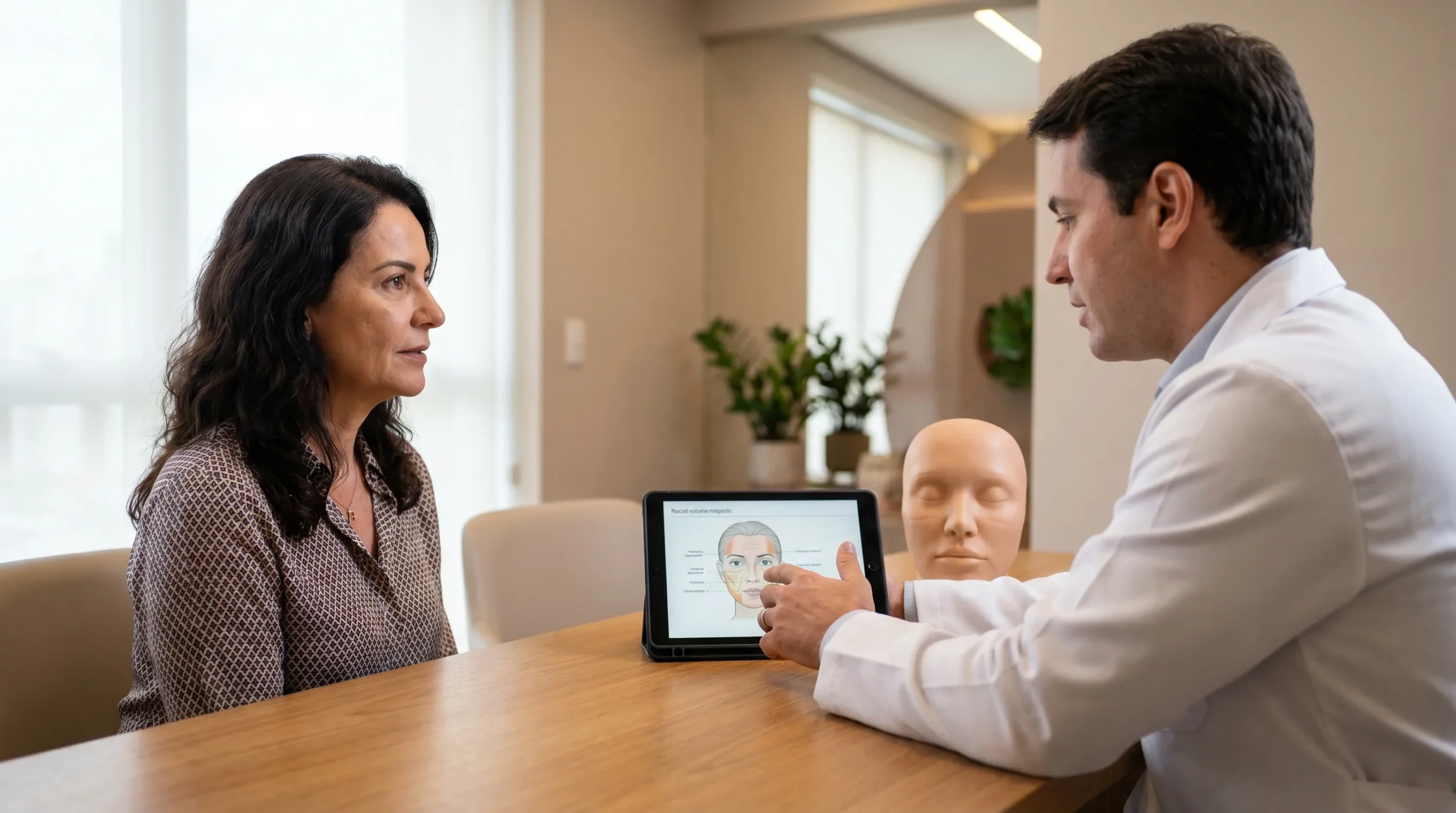
In consultation, I evaluate skin quality, facial support, neck anatomy, volume loss, medical history, nicotine exposure, weight stability and expectations. Then I explain what a complete Deep Plane plan may improve, what will continue to age and what maintenance may be reasonable.
For related reading, see Deep Plane vs SMAS facelift, Deep Plane facelift with fat grafting, Deep Plane facelift and revision facelift.