face Archives - Page 5 of 8 - Dr. Walter Zamarian Jr.

Categoria: face

  • Surgical vs Non-Surgical Nose Job

    Surgical vs Non-Surgical Nose Job

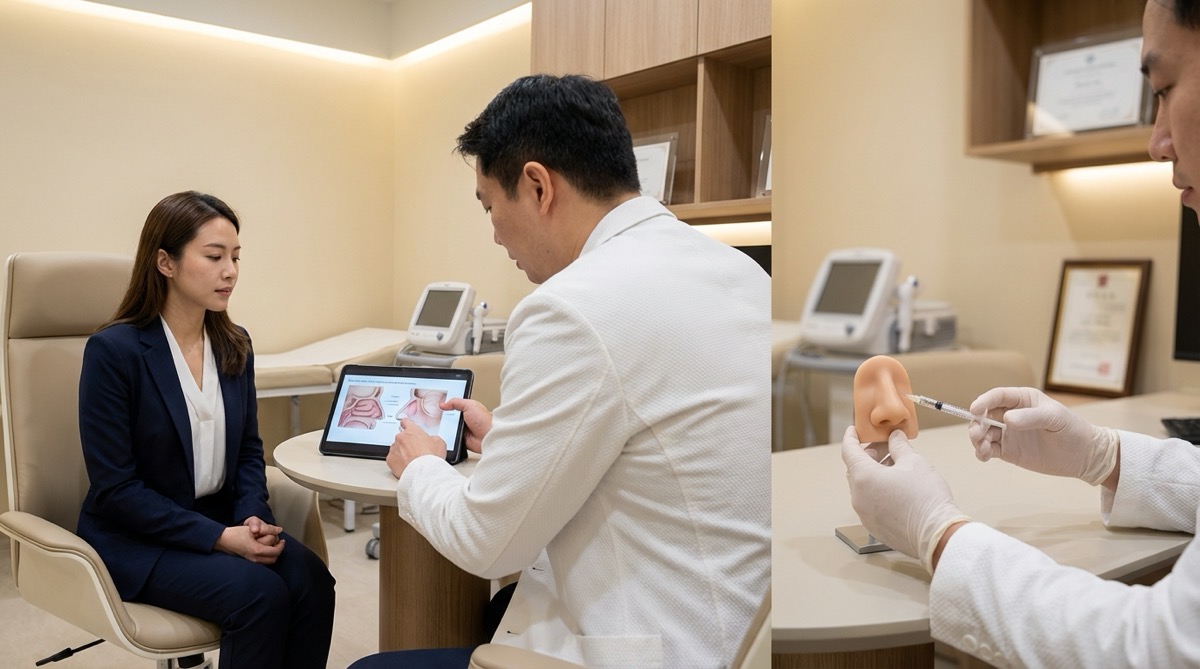
    Every week, patients walk into my office in Londrina, Brazil, asking the same question: “Doctor, can you fix my nose without surgery?” I completely understand the appeal. The idea of reshaping your nose in 15 minutes — no anesthesia, no downtime, instant results — sounds almost too good to be true. And in many ways, it is.

    With over 20 years of experience and more than 8,000 surgeries performed, including hundreds of rhinoplasties, I can tell you that both non-surgical rhinoplasty (nose fillers) and surgical rhinoplasty have their place in modern facial aesthetics. But choosing between them requires understanding not just what each procedure can do, but what it cannot — and the risks that are often glossed over in social media before-and-after photos.

    In this article, I will compare both approaches with complete honesty — no fearmongering, no overselling, just the facts you need to make the right decision for your nose.

    What Is Non-Surgical Rhinoplasty (Liquid Nose Job)?

    A non-surgical rhinoplasty, also known as a liquid nose job or nose filler, involves injecting hyaluronic acid (HA) into specific areas of the nose to smooth out bumps, lift the tip, or correct minor asymmetries. It is performed in-office with topical anesthesia and takes about 15 to 30 minutes.

    The key concept to understand is that fillers work by adding volume. They camouflage imperfections by filling in depressions — they do not remove bone, reshape cartilage, or address structural issues. Think of it as contouring with makeup, but under the skin.

    Common uses include:

    • Smoothing a small dorsal hump
    • Subtly lifting a drooping nasal tip
    • Correcting mild asymmetries
    • Improving the nose profile without changing the overall shape

    Results are visible immediately but temporary, lasting 6 to 12 months before the filler is naturally absorbed. Maintenance sessions are required to preserve the result.

    What Is Structural Rhinoplasty?

    Structural rhinoplasty is the gold standard surgical technique I use in my practice. Unlike older methods that simply shaved down cartilage and bone — often leading to collapse and breathing problems years later — structural rhinoplasty rebuilds the nose using cartilage grafts harvested from the patient’s own septum (or ear/rib in revision cases).

    This approach allows me to:

    • Refine the tip with millimeter precision
    • Correct the dorsum (remove a hump or build up a flat bridge)
    • Improve breathing simultaneously (deviated septum, nasal valve collapse)
    • Achieve permanent results that age naturally with the patient
    • Reduce or increase the overall nose size — something fillers simply cannot do

    The surgery is performed under general anesthesia, takes 2 to 3 hours, and initial recovery requires 7 to 10 days away from social activities. The final result stabilizes over 6 to 12 months but lasts a lifetime.

    Detailed Comparison: Nose Filler vs Surgical Rhinoplasty

    Criteria Non-Surgical (Filler) Structural Rhinoplasty
    Procedure time 15–30 minutes 2–3 hours
    Anesthesia Topical (numbing cream) General
    Result duration 6–12 months (temporary) Permanent
    Pain and discomfort Minimal Moderate (managed with medication)
    Recovery time Immediate return to activities 7–10 days of social downtime
    Initial cost Lower (but recurring every 6–12 months) Higher (one-time investment)
    Long-term cost High (accumulates with repeat sessions) Lower (single payment)
    Functional correction (breathing) No Yes (septum, nasal valves)
    Nose reduction No (only adds volume) Yes
    Serious risks Vascular necrosis, blindness (rare but real) Standard surgical risks (infection, bleeding, revision)
    Reversibility Yes (hyaluronidase dissolves HA) Revision surgery if needed

    When Is a Nose Filler Enough?

    I perform nose fillers in my practice and genuinely believe they are an excellent option for the right patient. I recommend fillers when:

    • The concern is purely cosmetic and minor in scope
    • The patient wants to smooth a subtle dorsal irregularity
    • There is a mild asymmetry that bothers the patient
    • The patient wants to “preview” a change before committing to surgery
    • There is a temporary contraindication for surgery (pregnancy, transient medical issues)

    Fillers can also be a good choice for patients who have already undergone rhinoplasty and need a minor refinement without reoperation.

    “I tell my patients: filler is like makeup — it can disguise, but it doesn’t transform. If your concern is structural, the solution needs to be structural too.”

    When You Truly Need Surgery

    Surgical rhinoplasty becomes the best — and often the only — option when:

    • The nose is too large and needs reduction (fillers can only add volume)
    • There is a deviated septum or breathing difficulty
    • The tip is bulbous, drooping, or too wide
    • There is a significant bony hump that needs removal (not just camouflage)
    • The patient wants a permanent result
    • Multiple filler sessions have yielded unsatisfactory outcomes
    • The nose has functional problems (valve collapse, turbinate hypertrophy)

    In my experience, the vast majority of patients seeking meaningful improvement in their nose will benefit more from structural rhinoplasty than from filler. Filler treats the symptom; surgery addresses the cause.

    The Risks Nobody Talks About with Nose Fillers

    This is the section that motivated me to write this article. The nose is one of the most dangerous areas for filler injection, and this risk is frequently downplayed in patient communication.

    Vascular necrosis

    The nose has a terminal vascular network — meaning its arteries lack sufficient collateral circulation. If hyaluronic acid is injected into or around a vessel, it can obstruct blood flow, leading to tissue death (necrosis). The nasal skin can turn black, ulcerate, and leave permanent scarring. Systematic reviews published in journals such as Otolaryngology–Head and Neck Surgery have documented that vascular complication rates, while low, are disproportionately high compared to filler injections in other facial areas.

    Blindness

    The most feared complication: hyaluronic acid can migrate retrogradely through the angular artery to the ophthalmic artery, causing retinal artery occlusion. Although rare, cases of permanent vision loss following nasal filler have been documented in the medical literature. This is not theoretical — it has happened.

    Product accumulation with repeated injections

    Since fillers last 6 to 12 months, patients tend to repeat the procedure multiple times. Over time, hyaluronic acid can accumulate irregularly, creating nodules, fibrosis, and distortion — a nose that looked good initially gradually becomes artificial-looking.

    False sense of safety

    Perhaps the greatest risk is psychological: many patients believe that because it is “non-surgical,” filler is risk-free. This leads to procedures being done in inadequate settings (aesthetic clinics without emergency support) by practitioners without proper anatomical training.

    “If you choose a nose filler, please: have it done by a surgeon who understands the deep nasal anatomy and who has hyaluronidase immediately available in case of complications.”

    Frequently Asked Questions

    Can a nose filler replace rhinoplasty?

    Not in most cases. Fillers camouflage minor imperfections by adding volume, but they cannot reduce the nose, correct a deviated septum, or significantly reshape the tip. For structural, permanent changes, surgical rhinoplasty remains the gold standard.

    Does non-surgical rhinoplasty hurt?

    Discomfort is mild — most patients describe a brief pressure sensation during injection. I use topical numbing cream, which makes the procedure quite tolerable. Surgical rhinoplasty is performed under general anesthesia, so you feel nothing during the procedure. Post-operative discomfort is moderate for the first few days and well-controlled with medication.

    How many times can I repeat nose filler?

    Technically, it can be repeated as long as there is an indication, but I advise caution. After 2 to 3 sessions, hyaluronic acid accumulation can distort the nasal anatomy and create nodules or fibrosis. If you find yourself repeating filler continuously, it may be time to consider a permanent rhinoplasty.

    Can filler make a future rhinoplasty more difficult?

    Yes. Residual hyaluronic acid can alter tissue planes, create fibrosis, and complicate surgical dissection. I always recommend waiting for complete filler absorption — or dissolving it with hyaluronidase — before proceeding with rhinoplasty.

    What is the cost comparison: filler vs surgery?

    Filler has a lower upfront cost but is recurring. If you have one session every 8 months over 5 years, the total cost can easily exceed that of a rhinoplasty. Surgery is a one-time investment with permanent results. I provide detailed pricing during the in-person consultation.

    My Recommendation as a Surgeon

    After two decades of operating on noses, my advice is straightforward: start with the consultation, not the procedure. Come to my office, understand what is truly causing your dissatisfaction, and together we will determine whether the best solution is a 15-minute filler or a rhinoplasty that will change your face forever.

    I perform both procedures — and I will never recommend surgery when filler is sufficient, nor recommend filler when only surgery can deliver the result you truly want.

    Schedule your consultation and find out which option is right for your nose. My practice is located in Londrina, Brazil, and I welcome patients from around the world seeking excellence in structural rhinoplasty and facial procedures.
  • Revision Rhinoplasty: Guide

    Revision Rhinoplasty: Guide

    Over the course of more than 20 years and over 8,000 surgeries, one of the most common situations I encounter in my practice in Londrina, Brazil, is patients who come to me dissatisfied with the results of a rhinoplasty performed by another surgeon. These are individuals who had legitimate expectations for their procedure and, for various reasons, did not achieve the desired outcome — whether aesthetic, functional, or both.

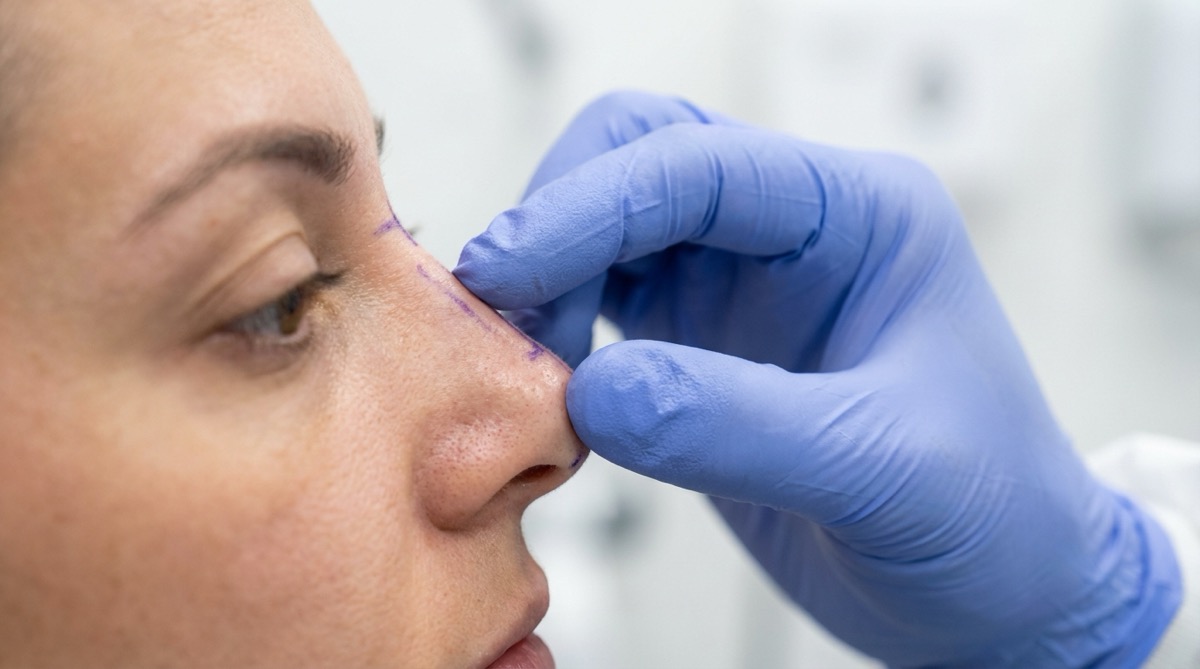
    Revision rhinoplasty — also known as secondary rhinoplasty — now represents a significant portion of my surgical practice. I can say with confidence: it is one of the most complex and challenging surgeries in all of facial plastic surgery. It is not simply about “fixing” something that did not turn out well. It involves reconstructing structures in an anatomical field that has already been modified, where internal scarring exists, cartilage has been removed or altered, and tissues behave unpredictably.

    In this article, I want to explain transparently when it makes sense to consider a revision, what makes this procedure different from a primary surgery, and how my approach using structural rhinoplasty technique aims to deliver lasting and predictable results — even in the most difficult cases.

    What Is Revision Rhinoplasty

    Revision rhinoplasty is any surgical procedure performed on the nose after a primary rhinoplasty. Its goal may be to correct aesthetic problems, functional issues, or both that arose — or persisted — after the first surgery.

    It is important to understand that not every dissatisfaction after a rhinoplasty means something went wrong technically. Sometimes the result is within what was surgically expected, but it does not match the patient’s expectations. That is why, before recommending a revision, I conduct a thorough evaluation to distinguish between:

    • A real problem that can be surgically corrected
    • Misaligned expectations that require an honest conversation about limitations
    • A result still in evolution that needs more time to mature

    This distinction is critical. Operating on a nose that does not need revision can worsen the result, and this is a responsibility I take very seriously.

    When It Is Time to Consider a Revision

    Throughout my experience, I have identified the most common scenarios that lead patients to seek me out for a redo nose job:

    Signs that a revision may be necessary:

    • Breathing difficulties that appeared or worsened after the first surgery — frequently caused by nasal valve collapse, residual septal deviation, or synechiae (internal adhesions)
    • Visible asymmetries that do not improve over time — a crooked tip, irregular dorsum, or uneven nostrils
    • An obviously “operated” appearance — an overly upturned tip, excessively narrow nostrils, an overly lowered dorsum, or the so-called “inverted-V deformity”
    • Progressive deformities — when the nose changes shape over months or years, usually due to inadequate structural support in the first surgery
    • Alar retraction — when the nostril rim rides up excessively, exposing the interior of the nose from the front view

    It is crucial to respect the minimum waiting period. I recommend waiting at least 12 to 18 months after the primary rhinoplasty before considering a revision. This period is necessary for the edema (swelling) to resolve completely and for the tissues to reach their definitive shape. Operating before this time frame risks correcting something that would have resolved on its own.

    Why Revision Is More Difficult Than the First Surgery

    This is a question I hear frequently: “Doctor, if it was done once before, why would it be harder to do again?” The answer involves several factors:

    1. Internal scarring: Every surgery generates scar tissue. The second time around, the surgeon works in a field where normal anatomical planes have been altered by fibrosis. The tissues are stiffer, less predictable, and more prone to bleeding.

    2. Missing or modified cartilage: In primary rhinoplasty, many surgeons remove cartilage — from the septum, upper laterals, or alar cartilages. In a revision, that cartilage simply is no longer available. It is like trying to rebuild a house when some of the original materials have been discarded.

    3. Compromised structural support: If the first surgery weakened the nose’s support without adequately rebuilding it, the revision needs to not only correct the shape but also reconstruct the foundation upon which the entire nose rests.

    4. Unpredictable tissue behavior: The skin and soft tissues of a previously operated nose respond differently. Their capacity for retraction and accommodation is reduced, and the final result may take longer to stabilize.

    Statistically, while the revision rate after a well-executed primary rhinoplasty ranges from 10% to 15%, with the structural technique I use, this rate drops to 3% to 5%. This is because the structural technique preserves and rebuilds nasal support, significantly reducing the chance of progressive deformities.

    My Approach to Revision Rhinoplasty

    Over the years, I have developed a rigorous protocol for patients who seek me for secondary rhinoplasty. Each case is unique, but certain principles guide my practice:

    Detailed evaluation: Before anything else, I need to understand exactly what was done in the first surgery. I request operative reports when available, perform a thorough physical examination, and in many cases order a CT scan to assess the condition of the septum and internal structures.

    Three-dimensional planning: Revision rhinoplasty leaves no room for improvisation. Every surgical maneuver must be planned in advance, taking into account the limitations imposed by the previous surgery.

    Structural technique with grafts: My philosophy is to always rebuild support before refining shape. I use strategically placed cartilage grafts to restore nasal architecture. The most common grafts include:

    • Residual septal graft — when septal cartilage is still available (not always the case in revisions)
    • Auricular cartilage graft — from the ear, useful for minor refinements
    • Costal cartilage graft — from the rib, reserved for more complex cases where there is significant material deficiency

    Open approach (external approach): In the vast majority of revisions, I choose the open rhinoplasty approach. It provides direct visualization of all structures, allowing me to identify and correct problems that would be invisible through a closed approach.

    Honesty about limitations: It is not always possible to achieve the “dream nose” in a revision. The previous surgery imposes real constraints. I prefer to be transparent about what I can and cannot do rather than create false expectations.

    Rib Cartilage Graft — When It Is Necessary

    The costal cartilage graft is one of the most powerful tools in revision rhinoplasty, yet also one of the most feared by patients. Let me demystify this topic.

    When I recommend a rib graft:

    • When the nasal septum has already been used or is insufficient
    • When major reconstructions are needed (dorsum, tip, and sidewalls simultaneously)
    • When the nose has undergone multiple previous surgeries and requires abundant material for reconstruction
    • When significant structural collapse is compromising the airway

    How the harvest is performed: The cartilage is harvested through an incision of approximately 3 cm in the inframammary region (below the breast or pectoral area), resulting in a discreet scar. I remove only the cartilaginous portion of the rib, without compromising the periosteum or the bony structure. Pain at the donor site is generally moderate and well controlled with standard analgesics.

    Advantages of rib cartilage:

    • Abundance of material — enables extensive reconstructions
    • Firm, resilient cartilage — ideal for structural support
    • Can be precisely sculpted for different purposes
    • Long-lasting, durable results

    A critical consideration is cartilage warping. I employ sculpting techniques that minimize this risk, such as balanced strip cutting and proper graft fixation.

    What to Expect During Recovery

    Recovery from revision rhinoplasty is generally similar to that of primary rhinoplasty, with a few notable differences:

    First 7 to 10 days: Nasal splint in place, possible periorbital bruising (“black eyes”), and moderate to significant swelling. This is the period of greatest discomfort, especially if a rib graft was harvested.

    2 to 4 weeks: Gradual return to daily activities. The most visible swelling has already decreased significantly, but the nose is still far from its final shape.

    3 to 6 months: Progressive resolution of edema. The nasal tip is always the last area to lose its swelling. During this period, the patient can already get a good sense of the result, although subtle refinements continue.

    12 to 18 months: The result is considered definitive. In revisions, swelling tends to be more prolonged than after a first surgery, because the tissues already carry scars and respond differently.

    Special care after revision:

    • Avoid intense physical activity for 6 weeks
    • Strict sun protection on scars for 6 months
    • Do not wear glasses resting on the nasal dorsum for at least 8 weeks
    • Patience — the final result takes longer to consolidate than after a primary surgery

    Frequently Asked Questions

    How many times can a rhinoplasty be redone?

    Technically, there is no absolute limit, but each additional surgery increases complexity and reduces the predictability of the result. In my experience, most patients achieve a satisfactory outcome after one well-planned revision. In rare cases, a third procedure may be necessary, but this should be the exception, not the rule.

    Is revision rhinoplasty more painful than the first?

    The discomfort is comparable. If a rib graft is involved, the patient will have an additional area of soreness (the chest region), but this is well managed with medication. The nasal discomfort itself is similar to that of the first surgery.

    How long do I need to wait before having a revision?

    I recommend a minimum of 12 to 18 months after the previous surgery. The nose needs to be fully healed and free of swelling so that I can accurately assess what truly needs correction and so the tissues are in optimal condition for a new procedure.

    Can a revision make things worse?

    Like any surgery, revision carries risks. However, when performed by an experienced surgeon with proper planning and structural technique, the chances of improvement are significantly greater than those of worsening. My commitment is to always be honest: if I assess that surgery carries more risk of worsening than improving, I will not recommend the procedure.

    What is the success rate of revision rhinoplasty?

    Success rates vary depending on the complexity of the case and the definition of “success.” In the literature, patient satisfaction after revision rhinoplasty performed by experienced surgeons ranges from 75% to 90%. In my practice, using structural technique with cartilage grafts and meticulous planning, I achieve high satisfaction rates. The key is honest preoperative communication about realistic goals.

    If you are considering revision rhinoplasty, the first step is a thorough evaluation. During a consultation at my clinic in Londrina, Brazil, I examine your nose, analyze what was previously done, and with complete transparency, explain what can realistically be achieved. I welcome patients from around the world seeking expert revision rhinoplasty care. Learn more about my rhinoplasty practice.

  • Rinoplastia de Revisão: Guia

    Rinoplastia de Revisão: Guia

    Ao longo de mais de 20 anos de carreira e mais de 8.000 cirurgias realizadas, uma das situações que mais encontro no meu consultório em Londrina é a de pacientes que chegam insatisfeitos com o resultado de uma rinoplastia feita por outro cirurgião. São pessoas que depositaram expectativas legítimas em um procedimento e, por diferentes razões, não obtiveram o resultado desejado — seja estético, funcional ou ambos.

    A rinoplastia de revisão — também chamada de rinoplastia secundária — representa hoje uma parte significativa da minha prática cirúrgica. E posso afirmar com segurança: ela é uma das cirurgias mais complexas e desafiadoras de toda a cirurgia plástica facial. Não se trata apenas de “consertar” algo que não ficou bom. Trata-se de reconstruir estruturas em um terreno anatômico que já foi modificado, onde existem cicatrizes internas, cartilagens ausentes ou alteradas e tecidos com comportamento imprevisível.

    Neste artigo, quero explicar de forma transparente quando faz sentido considerar uma revisão, o que torna esse procedimento diferente da primeira cirurgia e como a minha abordagem com técnica estruturada busca oferecer resultados duradouros e previsíveis — mesmo nos casos mais difíceis.

    O Que É a Rinoplastia de Revisão

    A rinoplastia de revisão é qualquer procedimento cirúrgico realizado no nariz após uma rinoplastia primária. Ela pode ter o objetivo de corrigir problemas estéticos, funcionais ou ambos que surgiram — ou persistiram — após a primeira cirurgia.

    É importante entender que nem toda insatisfação após uma rinoplastia significa que algo deu errado tecnicamente. Às vezes, o resultado está dentro do esperado cirurgicamente, mas não corresponde à expectativa que o paciente tinha. Por isso, antes de indicar uma revisão, faço uma avaliação criteriosa para distinguir entre:

    • Problema real que pode ser corrigido cirurgicamente
    • Expectativa não alinhada que requer uma conversa honesta sobre limites
    • Resultado que ainda está em evolução e precisa de mais tempo de maturação

    Essa distinção é fundamental. Operar um nariz que não precisa de revisão pode piorar o resultado, e essa é uma responsabilidade que levo muito a sério.

    Quando É Hora de Considerar uma Revisão

    Ao longo da minha experiência, identifiquei os cenários mais comuns que levam pacientes a me procurarem para refazer a rinoplastia:

    Sinais de que uma revisão pode ser necessária:

    • Dificuldade para respirar que surgiu ou piorou após a primeira cirurgia — frequentemente causada por colapso da válvula nasal, desvio septal residual ou sinéquias (aderências internas)
    • Assimetrias visíveis que não melhoram com o tempo — ponta torta, dorso irregular, narinas desiguais
    • Nariz com aparência operada — ponta muito arrebitada, narinas muito estreitas, dorso excessivamente baixo ou o chamado “nariz em V invertido”
    • Deformidades progressivas — quando o nariz muda de forma com o passar dos meses ou anos, geralmente por falta de suporte estrutural adequado na primeira cirurgia
    • Retração alar — quando a borda da narina sobe excessivamente, mostrando o interior do nariz de frente

    É crucial respeitar o tempo mínimo de espera. Recomendo aguardar pelo menos 12 a 18 meses após a rinoplastia primária antes de considerar uma revisão. Esse período é necessário para que o edema (inchaço) se resolva completamente e os tecidos alcancem sua forma definitiva. Operar antes desse prazo é correr o risco de corrigir algo que se resolveria sozinho.

    Por Que a Revisão É Mais Difícil Que a Primeira Cirurgia

    Essa é uma pergunta que ouço com frequência: “Doutor, se já fez uma vez, por que seria mais difícil fazer de novo?” A resposta envolve vários fatores:

    1. Cicatrizes internas: Toda cirurgia gera cicatrização. Na segunda vez, o cirurgião trabalha em um campo operatório onde os planos anatômicos normais foram alterados por fibrose. Os tecidos são mais rígidos, menos previsíveis e mais propensos a sangramento.

    2. Cartilagem ausente ou modificada: Na rinoplastia primária, muitos cirurgiões removem cartilagem — seja do septo, das laterais superiores ou das cartilagens alares. Na revisão, essa cartilagem simplesmente não está mais disponível. É como tentar reconstruir uma casa quando parte dos materiais originais já foi descartada.

    3. Suporte estrutural comprometido: Se a primeira cirurgia enfraqueceu o suporte do nariz sem reconstruí-lo adequadamente, a revisão precisa não apenas corrigir a forma, mas reconstruir a fundação sobre a qual todo o nariz se sustenta.

    4. Comportamento imprevisível dos tecidos: A pele e os tecidos moles de um nariz já operado respondem de maneira diferente. A capacidade de retração e acomodação é menor, e o resultado final pode levar mais tempo para se estabilizar.

    Estatisticamente, enquanto a taxa de revisão após uma rinoplastia primária bem executada varia entre 10% e 15%, com a técnica estruturada que utilizo, essa taxa cai para 3% a 5%. Isso porque a técnica estruturada preserva e reconstrói o suporte nasal, reduzindo significativamente a chance de deformidades progressivas.

    Minha Abordagem Para a Rinoplastia de Revisão

    Ao longo dos anos, desenvolvi um protocolo rigoroso para pacientes que me procuram para rinoplastia secundária. Cada caso é único, mas alguns princípios norteiam minha conduta:

    Avaliação detalhada: Antes de qualquer coisa, preciso entender exatamente o que foi feito na primeira cirurgia. Solicito relatórios operatórios quando disponíveis, realizo exame físico minucioso e, em muitos casos, tomografia computadorizada para avaliar o estado do septo e das estruturas internas.

    Planejamento tridimensional: A rinoplastia de revisão não permite improvisação. Cada movimento cirúrgico precisa ser planejado com antecedência, considerando as limitações impostas pela cirurgia anterior.

    Técnica estruturada com enxertos: Minha filosofia é sempre reconstruir o suporte antes de refinar a forma. Utilizo enxertos de cartilagem posicionados estrategicamente para restaurar a arquitetura nasal. Os enxertos mais comuns incluem:

    • Enxerto de septo residual — quando ainda há cartilagem septal disponível (nem sempre o caso em revisões)
    • Enxerto de cartilagem auricular — da orelha, útil para refinamentos menores
    • Enxerto de cartilagem costal — da costela, reservado para casos mais complexos onde há deficiência significativa de material

    Abordagem aberta (external approach): Na grande maioria das revisões, opto pela rinoplastia aberta. Ela oferece visão direta de todas as estruturas, permitindo identificar e corrigir problemas que seriam invisíveis por via fechada.

    Honestidade sobre limitações: Nem sempre é possível alcançar o “nariz dos sonhos” em uma revisão. A cirurgia prévia impõe limitações reais. Prefiro ser transparente sobre o que posso e o que não posso fazer do que criar falsas expectativas.

    Enxerto de Costela — Quando É Necessário

    O enxerto de cartilagem costal é um dos recursos mais poderosos na rinoplastia de revisão, mas também um dos mais temidos pelos pacientes. Vou desmistificar esse tema.

    Quando indico o enxerto de costela:

    • Quando o septo nasal já foi utilizado ou está insuficiente
    • Quando há necessidade de grandes reconstruções (dorso, ponta e laterais simultaneamente)
    • Quando o nariz sofreu múltiplas cirurgias anteriores e precisa de material abundante para reconstrução
    • Quando há colapso estrutural significativo comprometendo a via aérea

    Como é feita a retirada: A cartilagem é colhida através de uma incisão de aproximadamente 3 cm na região inframamária (abaixo da mama ou do peitoral), o que resulta em uma cicatriz discreta. Retiro apenas a porção cartilaginosa da costela, sem comprometer o periósteo nem a estrutura óssea. A dor no local da retirada é geralmente moderada e bem controlada com analgésicos comuns.

    Vantagens do enxerto costal:

    • Abundância de material — permite reconstruções amplas
    • Cartilagem firme e resistente — ideal para suporte estrutural
    • Pode ser esculpida com precisão para diferentes finalidades
    • Resultados duradouros a longo prazo

    Um cuidado fundamental é com o empenamento da cartilagem costal (warping). Utilizo técnicas de escultura que minimizam esse risco, como o corte em tiras balanceadas e a fixação adequada dos enxertos.

    O Que Esperar da Recuperação

    A recuperação da rinoplastia de revisão é, em geral, semelhante à da rinoplastia primária, com algumas particularidades:

    Primeiros 7 a 10 dias: Uso de splint nasal (tala), possíveis hematomas periorbitários (“olhos roxos”) e edema moderado a importante. É o período de maior desconforto, especialmente se houve enxerto de costela.

    2 a 4 semanas: Retorno gradual às atividades habituais. O inchaço mais evidente já reduziu significativamente, mas o nariz ainda está longe da sua forma final.

    3 a 6 meses: Resolução progressiva do edema. A ponta do nariz é sempre a última região a desinchar. Neste período, o paciente já consegue ter uma boa ideia do resultado, embora refinamentos sutis continuem ocorrendo.

    12 a 18 meses: Resultado considerado definitivo. Em revisões, o edema tende a ser mais prolongado que na primeira cirurgia, pois os tecidos já carregam cicatrizes e respondem de forma diferente.

    Cuidados especiais na revisão:

    • Evitar atividades físicas intensas por 6 semanas
    • Proteção solar rigorosa nas cicatrizes por 6 meses
    • Não usar óculos apoiados no dorso nasal por pelo menos 8 semanas
    • Paciência — o resultado final demora mais para se consolidar do que na primeira cirurgia

    Perguntas Frequentes

    Quantas vezes é possível refazer uma rinoplastia?

    Tecnicamente, não há um limite absoluto, mas cada cirurgia adicional aumenta a complexidade e reduz a previsibilidade do resultado. Na minha experiência, a maioria dos pacientes obtém um resultado satisfatório após uma revisão bem planejada. Em casos raros, pode ser necessária uma terceira intervenção, mas isso deve ser a exceção, não a regra.

    A rinoplastia de revisão é mais dolorosa que a primeira?

    O desconforto é comparável. Se houver enxerto de costela, o paciente terá uma área adicional de dor (região torácica), mas que é bem controlada com medicação. O incômodo nasal em si é semelhante ao da primeira cirurgia.

    Quanto tempo preciso esperar para fazer a revisão?

    Recomendo um mínimo de 12 a 18 meses após a cirurgia anterior. O nariz precisa estar completamente cicatrizado e desinchado para que eu possa avaliar com precisão o que realmente precisa ser corrigido e para que os tecidos estejam em condições ideais para uma nova intervenção.

    A revisão pode piorar o resultado?

    Como toda cirurgia, a revisão tem riscos. Porém, quando realizada por um cirurgião experiente, com planejamento adequado e técnica estruturada, as chances de melhora são significativamente maiores do que as de piora. Meu compromisso é sempre ser honesto: se avaliar que a cirurgia tem mais risco de piorar do que de melhorar, não indico o procedimento.

    O convênio cobre rinoplastia de revisão?

    Em geral, os planos de saúde cobrem a parte funcional da rinoplastia (correção de desvio de septo, hipertrofia de cornetos) quando há indicação clínica documentada. A parte estética, no entanto, costuma ser de responsabilidade do paciente. Na revisão, quando há componente funcional comprovado — como obstrução nasal decorrente da primeira cirurgia — há argumentos para solicitar cobertura ao convênio.

    Se você está considerando uma rinoplastia de revisão, o primeiro passo é uma avaliação criteriosa. Em uma consulta, examino seu nariz, analiso o que foi feito anteriormente e, com total transparência, explico o que é possível alcançar. Para agendar sua consulta na minha clínica em Londrina-PR, entre em contato. Será um prazer ajudá-lo(a) nessa jornada.

  • Rinoplastia vs Preenchimento

    Rinoplastia vs Preenchimento

    Todos os dias recebo pacientes no meu consultório em Londrina que chegam com a mesma pergunta: “Doutor, não dá para arrumar meu nariz sem cirurgia?” Eu entendo perfeitamente essa busca. A ideia de corrigir o nariz em 15 minutos, sem anestesia, sem afastamento do trabalho e com resultado imediato é, admito, muito sedutora. E não é à toa que a rinoplastia sem cirurgia — também chamada de rinomodelação ou rinoplastia líquida — se tornou um dos procedimentos estéticos mais comentados das redes sociais.

    Mas aqui está o ponto que raramente aparece nos vídeos do Instagram: nem tudo que parece simples é seguro, e nem tudo que é rápido é a melhor solução. Após mais de 20 anos de experiência e mais de 8.000 cirurgias realizadas, incluindo centenas de rinoplastias, posso afirmar que tanto o preenchimento nasal quanto a rinoplastia cirúrgica têm seu lugar — mas é fundamental que você entenda exatamente o que cada um oferece, e principalmente, o que cada um não oferece.

    Neste artigo, vou comparar as duas abordagens com total honestidade. Sem sensacionalismo, sem demonizar o preenchimento, mas também sem esconder os riscos que a maioria dos profissionais prefere não mencionar.

    O Que É a Rinoplastia sem Cirurgia (Preenchimento Nasal)?

    A rinoplastia sem cirurgia, ou rinomodelação, consiste na aplicação de ácido hialurônico em pontos estratégicos do nariz para corrigir pequenas imperfeições. É um procedimento de consultório, realizado com anestesia tópica (creme anestésico), que dura entre 15 e 30 minutos.

    O preenchimento funciona por adição de volume: ele camufla irregularidades acrescentando material onde falta, mas não remove nem remodela as estruturas do nariz. Por isso, é importante entender que ele “disfarça” — não “corrige” de verdade.

    As indicações mais comuns incluem:

    • Suavizar uma pequena giba (“calombo”) no dorso
    • Levantar discretamente a ponta do nariz
    • Corrigir assimetrias leves
    • Melhorar o perfil do nariz sem mexer no formato geral

    O resultado é visível imediatamente, mas temporário: dura entre 6 e 12 meses, quando o ácido hialurônico é naturalmente absorvido pelo organismo. Isso significa que, para manter o resultado, você precisará repetir o procedimento periodicamente.

    O Que É a Rinoplastia Estruturada?

    A rinoplastia estruturada é a técnica cirúrgica que utilizo como padrão no meu trabalho. Diferente das técnicas antigas — que simplesmente “raspavam” cartilagem e osso —, a rinoplastia estruturada reconstrói o nariz usando enxertos de cartilagem do próprio paciente (geralmente do septo nasal ou, em casos de revisão, da orelha ou costela).

    Essa abordagem permite:

    • Refinar a ponta com precisão milimétrica
    • Corrigir o dorso (remover giba ou aumentar dorso baixo)
    • Melhorar a respiração simultaneamente (desvio de septo, válvulas nasais)
    • Criar resultado definitivo que envelhece naturalmente com o paciente
    • Reduzir ou aumentar o tamanho do nariz — possibilidades que o preenchimento simplesmente não tem

    A cirurgia é realizada sob anestesia geral, dura entre 2 e 3 horas, e a recuperação inicial leva cerca de 7 a 10 dias (com uso de tampão e aquaplast). O resultado final se estabiliza em 6 a 12 meses, mas é definitivo.

    Comparativo Detalhado: Preenchimento Nasal vs Rinoplastia Cirúrgica

    Critério Preenchimento Nasal Rinoplastia Estruturada
    Duração do procedimento 15–30 minutos 2–3 horas
    Anestesia Tópica (creme) Geral
    Duração do resultado 6–12 meses (temporário) Definitivo
    Dor e desconforto Mínimo Moderado (controlado com medicação)
    Tempo de recuperação Retorno imediato às atividades 7–10 dias de afastamento social
    Custo inicial Menor (mas recorrente a cada 6–12 meses) Maior (investimento único)
    Custo a longo prazo Alto (acumula com repetições) Menor (pagamento único)
    Correção funcional (respiração) Não Sim (septo, válvulas nasais)
    Redução do nariz Não (só adiciona volume) Sim
    Riscos graves Necrose vascular, cegueira (raros, mas existem) Riscos cirúrgicos padrão (infecção, sangramento, revisão)
    Reversibilidade Sim (hialuronidase dissolve o AH) Revisão cirúrgica se necessário

    Quando o Preenchimento Nasal É Suficiente?

    Eu realizo preenchimentos nasais na minha clínica e reconheço que, em casos selecionados, ele é uma excelente opção. Indico o preenchimento quando:

    • A queixa é exclusivamente estética e de pequena proporção
    • O paciente quer suavizar uma leve irregularidade no dorso
    • Existe uma assimetria discreta que incomoda
    • O paciente deseja “testar” como ficaria uma mudança antes de se comprometer com cirurgia
    • Há contraindicação temporária para cirurgia (gravidez, problemas clínicos transitórios)

    O preenchimento também pode ser uma boa opção para pacientes que já fizeram rinoplastia e precisam de um pequeno retoque sem passar por nova cirurgia.

    “Eu sempre digo aos meus pacientes: o preenchimento é como maquiagem — pode disfarçar, mas não transforma. Se a sua queixa é estrutural, a resposta também precisa ser estrutural.”

    Quando Você Realmente Precisa de Cirurgia?

    A rinoplastia cirúrgica se torna a melhor — e muitas vezes a única — opção quando:

    • O nariz é grande demais e precisa ser reduzido (preenchimento só aumenta)
    • Existe desvio de septo ou dificuldade respiratória
    • A ponta é bulbosa, caída ou muito larga
    • Há uma giba óssea significativa que precisa ser removida (e não apenas camuflada)
    • O paciente deseja um resultado permanente
    • Já foram feitos múltiplos preenchimentos com resultado insatisfatório
    • O nariz tem problemas funcionais (colapso de válvula, hipertrofia de cornetos)

    Na minha experiência, a grande maioria dos pacientes que procuram melhora significativa no nariz vai se beneficiar mais da rinoplastia estruturada do que do preenchimento. O preenchimento trata o sintoma; a cirurgia trata a causa.

    Os Riscos que Ninguém Conta sobre o Preenchimento Nasal

    Este é o ponto que me motivou a escrever este artigo. O nariz é uma das regiões mais perigosas para injeção de preenchedores, e esse risco é frequentemente minimizado na comunicação ao paciente.

    Necrose vascular

    O nariz possui uma rede vascular terminal — isso significa que suas artérias não têm circulação colateral suficiente. Se o ácido hialurônico for injetado dentro ou ao redor de um vaso, pode ocorrer obstrução do fluxo sanguíneo, levando à morte do tecido (necrose). A pele do nariz pode ficar negra, ulcerar e deixar cicatriz permanente.

    Cegueira

    O caso mais temido: o ácido hialurônico pode migrar retrogradamente pela artéria angular até a artéria oftálmica, causando oclusão da artéria retiniana. Embora raro, já foram descritos casos de perda visual permanente após preenchimento nasal. Segundo revisões sistemáticas publicadas em periódicos como o Otolaryngology–Head and Neck Surgery, a taxa de complicações vasculares, embora baixa, é desproporcional quando comparada a preenchimentos em outras áreas do rosto.

    Acúmulo de produto com aplicações repetidas

    Como o preenchimento dura 6 a 12 meses, pacientes tendem a repetir o procedimento várias vezes. Com o tempo, o ácido hialurônico pode se acumular de forma irregular, criando nódulos, fibrose e distorção — um nariz que era “bom” vai se tornando progressivamente artificial.

    Falsa sensação de segurança

    Talvez o maior risco seja psicológico: muitos pacientes acreditam que, por ser “sem cirurgia”, o preenchimento é isento de riscos. Isso leva a escolhas em ambientes inadequados (clínicas de estética sem suporte para emergências) e com profissionais sem treinamento adequado.

    “Se você optar pelo preenchimento nasal, por favor: faça com um médico cirurgião que conheça a anatomia profunda do nariz e que tenha hialuronidase disponível para uso imediato em caso de complicação.”

    Perguntas Frequentes

    O preenchimento nasal pode substituir a rinoplastia?

    Não na maioria dos casos. O preenchimento camufla pequenas imperfeições adicionando volume, mas não consegue reduzir o nariz, corrigir desvio de septo ou remodelar a ponta de forma significativa. Para mudanças estruturais e definitivas, a rinoplastia cirúrgica continua sendo o padrão-ouro.

    A rinoplastia sem cirurgia dói?

    O desconforto é leve — a maioria dos pacientes descreve uma pressão transitória durante a aplicação. Utilizo creme anestésico tópico, o que torna o procedimento bastante tolerável. Já a rinoplastia cirúrgica é feita sob anestesia geral, então você não sente nada durante o procedimento. O pós-operatório envolve desconforto moderado nos primeiros dias, controlado com medicação.

    Quantas vezes posso repetir o preenchimento nasal?

    Tecnicamente, pode ser repetido enquanto houver indicação, mas eu recomendo cautela. Após 2 a 3 aplicações, o acúmulo de ácido hialurônico pode distorcer a anatomia nasal e criar nódulos ou fibrose. Se você está repetindo o preenchimento continuamente, talvez seja hora de considerar a rinoplastia definitiva.

    O preenchimento pode dificultar uma rinoplastia futura?

    Sim. Ácido hialurônico residual pode alterar os planos teciduais, criar fibrose e dificultar a dissecção durante a cirurgia. Sempre recomendo aguardar a absorção completa do preenchimento — ou dissolver com hialuronidase — antes de realizar a rinoplastia.

    Qual o custo comparado: preenchimento vs cirurgia?

    O preenchimento tem custo inicial menor, mas é recorrente. Se você fizer uma sessão a cada 8 meses durante 5 anos, o custo total pode facilmente ultrapassar o de uma rinoplastia. A cirurgia é um investimento único com resultado permanente. Na consulta presencial, apresento os valores detalhados para cada caso.

    Minha Recomendação como Cirurgião

    Após duas décadas operando narizes, meu conselho é simples: comece pela consulta, não pelo procedimento. Venha ao consultório, entenda o que realmente está causando sua insatisfação com o nariz, e juntos vamos definir se a melhor solução é um preenchimento de 15 minutos ou uma rinoplastia que vai mudar seu rosto para sempre.

    Eu faço os dois procedimentos — e nunca vou indicar uma cirurgia quando um preenchimento resolve, nem indicar um preenchimento quando só a cirurgia é capaz de entregar o resultado que você realmente quer.

    Agende sua consulta e descubra qual é a melhor opção para o seu nariz. Meu consultório fica em Londrina-PR, e atendo pacientes de todo o Brasil que buscam excelência em rinoplastia estruturada e procedimentos faciais.

  • Fat Grafting + Deep Plane: Why?

    Fat Grafting + Deep Plane: Why?

    After more than 20 years performing facial rejuvenation surgery — and over 8,000 procedures — I reached a conclusion that fundamentally changed my practice: a facelift alone is not enough to restore everything that aging takes from the face. It is an excellent technique for repositioning tissues, yes. But the face does not age merely because tissues descend. It ages because it loses volume, fat, and skin quality. To address all of this comprehensively, we need to go further.

    This realization is precisely what led me to develop what I call the Regenerative Deep Plane — an approach that combines the deep plane facelift with fat grafting in a single surgical session. This is not simply about “filling” the face with fat. It goes far beyond that: we are talking about real tissue regeneration mediated by adipose-derived stem cells.

    In this article, I explain in detail why I combine these two techniques, the science behind this association, and why I consider this approach the future of high-quality facelift surgery.

    What Is the Regenerative Deep Plane

    The Regenerative Deep Plane is the natural evolution of the deep plane facelift — a technique I learned directly from Dr. Tim Marten in the United States, widely regarded as the world’s foremost authority on facelift surgery. In the classic deep plane approach, dissection is performed in a deeper plane beneath the SMAS (superficial musculoaponeurotic system), allowing the facial tissues to be mobilized with greater freedom and naturalness, avoiding that “pulled skin” appearance that older facelifts used to produce.

    What I have added to this technique — and what makes it truly regenerative — is structural facial fat grafting. By combining deep tissue repositioning with autologous fat transfer (from the patient’s own body), we simultaneously address two fundamental components of aging: ptosis (tissue descent) and atrophy (volume loss).

    But the most fascinating aspect is that transplanted fat carries an extraordinary biological richness: adipose-derived mesenchymal stem cells (ADSCs), which promote genuine tissue regeneration.

    How Facial Fat Grafting Works

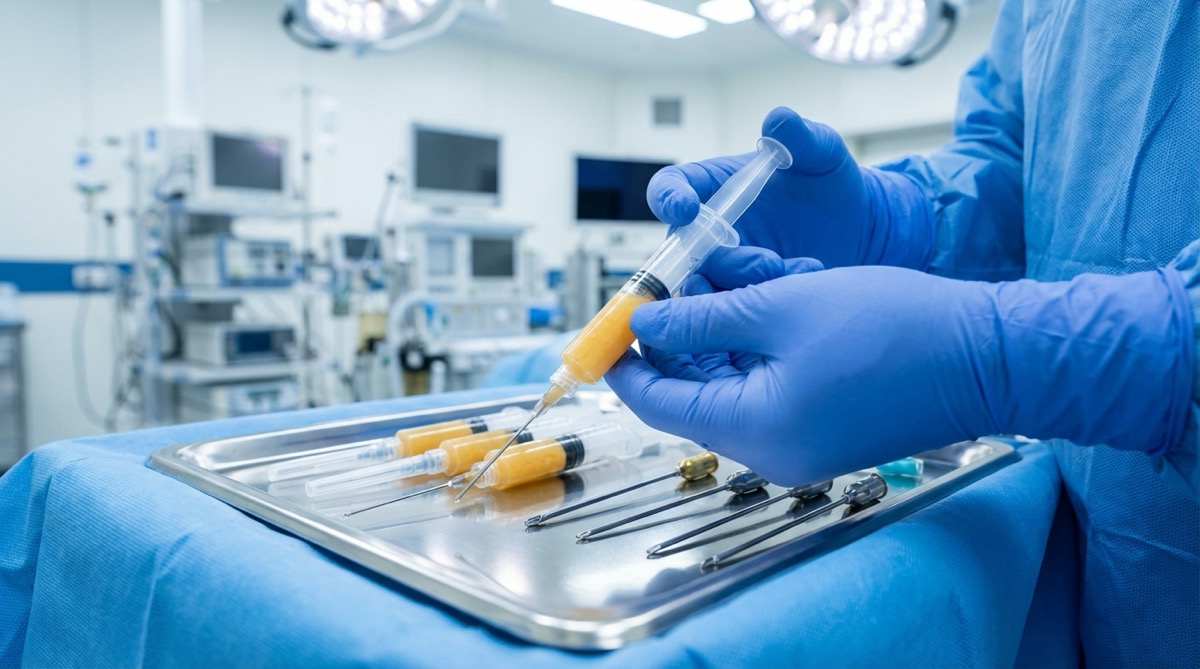
    Facial fat grafting — also called lipofilling or autologous fat transfer — is a procedure in which we harvest fat from a donor area of the patient’s body (typically the abdomen or flanks), process it under sterile conditions, and inject it into specific areas of the face that have lost volume with aging.

    The primary areas that receive the graft include:

    • Malar region (cheeks): one of the first areas to lose volume, creating a “deflated” or “descended” appearance
    • Periorbital region: around the eyes, softening deep hollows and the lid-cheek transition
    • Temporal region: hollow temples are one of the most visible markers of aging
    • Nasolabial folds and marionette lines: the creases that run from nose to mouth and from mouth to chin
    • Lips and perioral region: when indicated, to restore lost labial volume

    My technique involves injecting micro-parcels of fat in multiple layers, using fine-caliber cannulas. This maximizes the contact surface between the graft and recipient tissues, promoting neovascularization — meaning the fat “takes” better because it receives blood supply rapidly.

    Stem Cells and Regeneration: The Science Behind It

    Here is the point that truly distinguishes fat grafting from a simple filler: autologous fat is the richest tissue in mesenchymal stem cells in the human body. Each milliliter of fat contains between 100,000 and 1,000,000 ADSCs (Adipose-Derived Stem Cells).

    What do these cells do when transplanted into the face?

    • Stimulate collagen and elastin production, improving skin firmness and elasticity
    • Promote angiogenesis (new blood vessel formation), enhancing tissue perfusion
    • Secrete growth factors and anti-inflammatory cytokines, accelerating healing
    • Improve overall skin quality — texture, radiance, hydration
    • Reduce fibrosis and scarring in previously operated tissues

    The scientific literature has extensively documented these effects. Studies published in journals such as Plastic and Reconstructive Surgery and Aesthetic Surgery Journal demonstrate that patients who undergo a facelift with fat transfer show superior skin quality outcomes compared to those who had the facelift alone.

    “Fat is not just volume — it is a transplant of biological youth. The stem cells it carries reprogram surrounding tissues to behave like younger tissues.”

    The Benefits of Combining Deep Plane + Fat Grafting

    When I combine deep plane fat grafting in the same surgical session, the benefits are synergistic — the final result exceeds the sum of its parts:

    • Complete three-dimensional rejuvenation: deep plane repositions, fat restores volume. Together, they address both faces of aging
    • More natural results: the volume restored by fat smooths facial transitions, avoiding the “operated” look
    • Exceptional longevity: results that last 10 to 15 years, far beyond conventional facelifts
    • Improved skin quality: stem cells promote real regeneration, not just repositioning
    • Single recovery: performing both in one session means only one recovery period
    • No synthetic materials: the fat is the patient’s own — perfect biocompatibility with zero rejection risk

    In my experience — which includes training at the Pitanguy Clinic in Rio de Janeiro and direct mentorship with Tim Marten in the USA — patients who receive the combined approach demonstrate significantly higher satisfaction. The rejuvenated face has vitality, luminosity, and naturalness — three qualities that a facelift alone rarely achieves to the same degree.

    Who Is a Good Candidate

    The combination of regenerative deep plane with fat grafting is indicated for:

    • Patients with moderate to advanced aging (typically from age 45-50 onward) who present both tissue descent and facial volume loss
    • Patients seeking lasting, natural results without a “pulled” appearance
    • Patients with devitalized skin — thin, dull, or with diminished radiance — where stem cells provide additional benefit
    • Patients who have had a previous facelift and desire more comprehensive results in revision
    • Patients in good general health, non-smokers (or who have quit at least 4 weeks prior)

    The evaluation is always individualized. During the consultation, I analyze facial structure, degree of ptosis, volume loss, skin quality, and patient expectations to determine whether the combined approach is the most appropriate — or whether another technique would be better suited.

    Combined Recovery

    One of the most frequent questions is: “Is the recovery longer because you’re combining two techniques?” The practical answer is no. Facial fat grafting adds very little to the recovery timeline of a deep plane facelift.

    Here is what to expect:

    • First 7-10 days: peak swelling and bruising. The patient rests with the head elevated
    • Week 2: most bruising has resolved. Many patients feel comfortable with light activities
    • Weeks 3-4: residual swelling visible only to the patient. Gradual return to normal activities
    • 2-3 months: excellent intermediate result. The grafted fat is fully integrated
    • 6-12 months: final consolidated result. Stem cell-mediated regeneration continues working for months after surgery

    I provide all my patients with a detailed recovery protocol, including guidance on medications, dressings, lymphatic drainage, nutrition, and physical activity. Postoperative follow-up is thorough and personalized.

    Frequently Asked Questions

    Can the grafted fat be reabsorbed by the body?

    Yes, a portion of the grafted fat is naturally reabsorbed in the first weeks — typically between 20% and 30%. For this reason, I graft a slightly higher volume to compensate for this predictable loss. Fat that survives the first 3 months tends to remain permanently, with stable results for many years.

    What is the difference between fat grafting and hyaluronic acid fillers?

    They are fundamentally different approaches. Hyaluronic acid is a synthetic material that provides temporary volume (6-18 months) and offers no regenerative benefits. Fat grafting uses the patient’s own tissue, is long-lasting, and carries stem cells that improve skin quality. For comprehensive facial rejuvenation, fat grafting is vastly superior.

    Can the regenerative deep plane be done as a revision of a previous facelift?

    Yes, and it is one of the most rewarding indications. Patients who had a conventional facelift (SMAS plication, for example) and did not achieve their desired result can benefit enormously from the regenerative deep plane. The stem cells in the grafted fat are especially valuable in these cases, as they help improve previously operated and fibrosed tissues.

    How many fat grafting sessions are needed?

    In the vast majority of cases, a single session is sufficient when performed alongside the deep plane. Occasionally, a refinement session may be indicated after 6-12 months, but this occurs in fewer than 10% of my patients.

    Does the regenerative deep plane leave visible scars?

    The deep plane facelift incisions are strategically placed around the ear and along the hairline, becoming virtually imperceptible after complete healing. Fat grafting is performed with 1-2mm cannulas that leave pinpoint marks, which disappear within a few weeks.

    If you are seeking facial rejuvenation that goes beyond tissue repositioning — a truly regenerative, natural, and long-lasting result — the Regenerative Deep Plane with fat grafting may be the answer. Schedule your consultation for a personalized evaluation: +55 43 99192-2221 or via WhatsApp. I look forward to assessing your case with the attention it deserves.