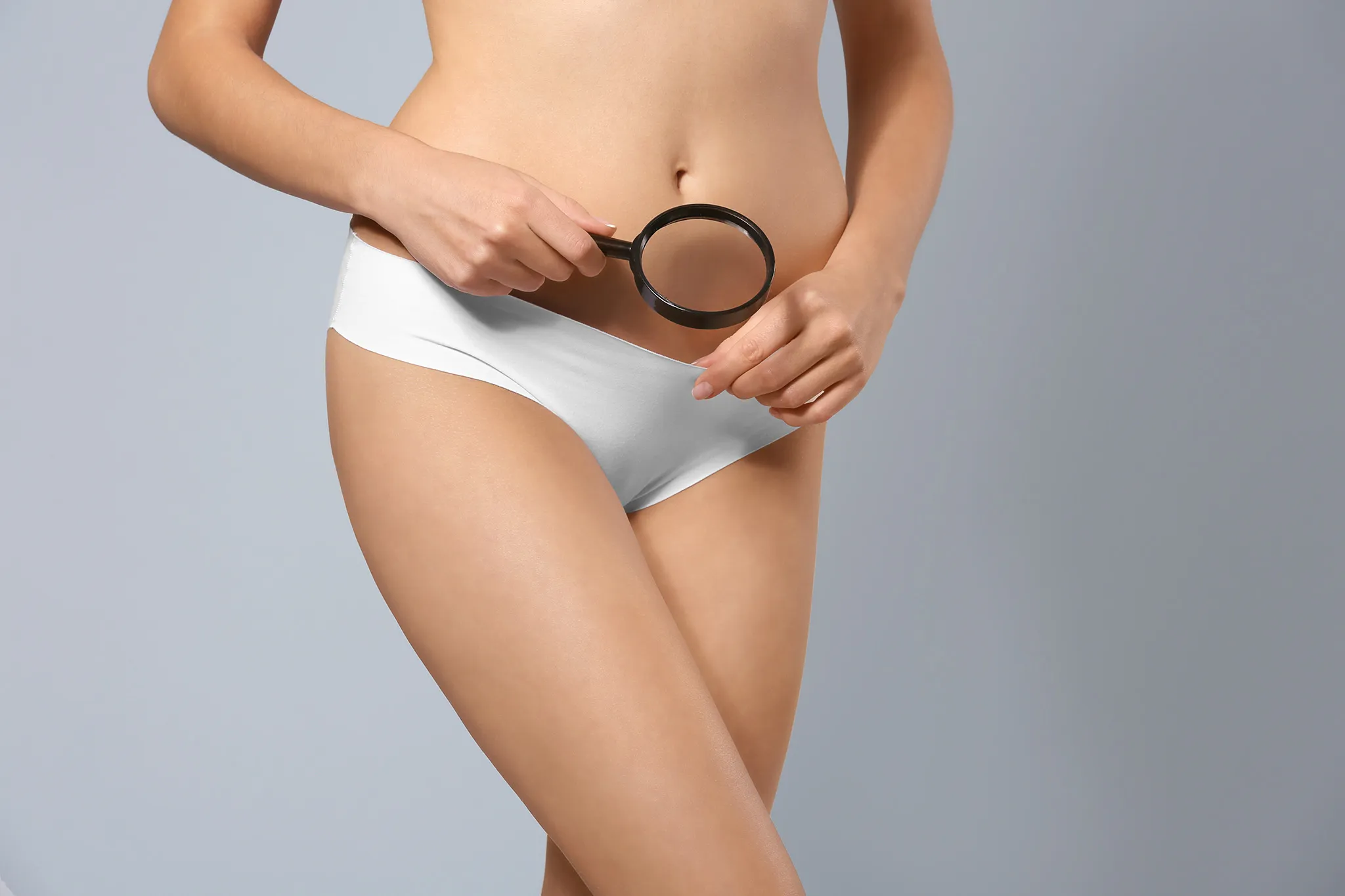
The clitoral hood: the skin that covers the clitoris
Throughout my experience in intimate surgery in Brazil, I have observed a growing demand for clitoral hood reduction -- also known as prepuceplasty. Not long ago, this procedure was rarely discussed. Today, with greater awareness and access to information, many patients discover that the excess skin covering the clitoris -- the so-called clitoral hood -- can be treated safely and with highly satisfactory results. With over 20 years of experience and more than 8,000 surgeries, I offer international patients considering medical tourism in Brazil for cosmetic surgery abroad the highest standard of care.
Unlike male circumcision, which is widely discussed for religious and cultural reasons, excess clitoral hood tissue in women has only recently gained attention. Fortunately, current techniques allow for natural results and a smooth recovery, benefiting patients who suffer from both the aesthetic and functional discomfort of this redundant skin.
In my practice, clitoral hood reduction frequently complements a labiaplasty, producing a more balanced result. It may also be combined with clitoroplasty (clitoral reduction) when appropriate. Removing the excess skin that covers the clitoris is part of the refinement I always seek in every intimate surgery I perform.
Indications
Excess clitoral hood skin can be bothersome both aesthetically and functionally, as it may reduce the exposure of the clitoris -- and this exposure is one of the factors that contribute to the female orgasm. During the consultation, I use a detailed questionnaire to assess whether clitoral hood reduction is recommended purely for aesthetic reasons or whether it may also improve sexual function. In the majority of cases, I perform this procedure as part of a broader intimate surgery such as labiaplasty. It is less common for a patient to seek treatment of the clitoral hood alone.
Subscribe to my YouTube channel:
Subscribe on YouTubeWatch my explanation about clitoral hood reduction

Pre-operative preparation
The consultation
During the consultation for intimate surgery, I assess not only whether there is excess labial tissue but also the entire aesthetics of the area, including the presence or absence of excess skin over the clitoral hood. This redundancy may be more lateral or directly above the clitoris. Depending on the characteristics I identify during the examination, I discuss with you the best technique for your case.
Investigations
For clitoral hood reduction, I request the following pre-operative investigations:
- Complete blood count;
- PT with INR + APTT;
- Urea;
- Creatinine;
- Fasting blood glucose;
- Total proteins and fractions
- Vitamin D
- Vitamin C
- Urinalysis;
- ECG;
- Pre-operative cardiac assessment by a cardiologist.
The anaesthetic
In the vast majority of cases, I perform clitoral hood reduction alongside another procedure, such as labiaplasty. In these cases, I prefer total intravenous general anaesthesia, which offers greater comfort and safety. When the procedure is performed in isolation, local anaesthesia alone is sufficient.
The surgical procedure
I perform clitoral hood reduction using a variety of approaches, selecting the most appropriate technique according to the characteristics of each patient's anatomy.
When the excess skin is predominantly lateral, I typically reduce it during labiaplasty using the modified wedge technique of Dr Gary Alter. In this technique, I make a complementary upper lateral excision alongside the wedge, resulting in a hockey-stick-shaped scar on each side. Owing to the local tissue characteristics, this scar becomes very discreet and almost imperceptible over time. However, lateral clitoral hood reduction is not exclusive to this technique: when a longitudinal labiaplasty is recommended, I can also combine a lateral skin removal around the clitoris.
When the excess is more central, lying directly over the clitoris, the approach is more straightforward: I remove a crescent of skin just above the clitoris or more anteriorly, depending on each case. In both situations, I use fine absorbable sutures, which eliminates the need for suture removal and promotes more discreet healing.
Complete preservation of sensitivity
I consider it essential for you to know: the nerve supply to the clitoris comes from deep within, and no clitoral hood reduction technique has the capacity to interfere with sensitivity. On the contrary, by reducing the excess skin covering the clitoris, many patients report an improvement in sensory perception. You can be entirely reassured on this point.
Post-operative recovery
Recovery following clitoral hood reduction is generally very smooth. I advise my patients to avoid exercise for one month and sexual intercourse for six weeks. Post-operative discomfort is mild and readily controlled with standard analgesics. I use absorbable sutures, so there is no need for suture removal.
The scars are of excellent quality and, in the vast majority of cases, become imperceptible over time.
The final result
Within the first few days, the difference is already noticeable, but the definitive result appears once the swelling has fully resolved, typically between two and six months. This timeframe varies according to each patient and any associated procedures, such as labiaplasty or liposuction of the mons pubis.
Frequently asked questions about clitoral hood reduction
What is clitoral hood reduction?
Clitoral hood reduction is the procedure I perform to remove excess skin covering the clitoris -- the so-called clitoral hood. In my experience, this redundant tissue can cause both aesthetic and functional discomfort, and the surgery corrects this safely with very natural results.
Does clitoral hood reduction alter sensitivity?
I consider it essential to clarify this point: the nerve supply to the clitoris comes from deep within, and no clitoral hood reduction technique interferes with this sensitivity. On the contrary, many of my patients report an improvement in sensory perception after removal of the excess skin. You can be entirely reassured about this.
Can clitoral hood reduction be performed alongside labiaplasty?
Yes, and in my practice, this is the most frequent situation. I typically combine clitoral hood reduction with labiaplasty to achieve a more balanced result for the entire area. It is less common for a patient to seek treatment of the clitoral hood in isolation.
What is the recovery like after clitoral hood reduction?
Recovery is generally very smooth. I advise my patients to avoid exercise for one month and sexual intercourse for six weeks. Post-operative discomfort is mild and readily controlled with standard analgesics. As I use absorbable sutures, there is no need for suture removal.
What anaesthesia is used for clitoral hood reduction?
When I perform clitoral hood reduction alongside another procedure, such as labiaplasty, I prefer total intravenous general anaesthesia, which offers greater comfort and safety. When the procedure is performed in isolation, local anaesthesia alone is sufficient.
What techniques do you use for clitoral hood reduction?
I select the most appropriate technique according to the characteristics of each patient. When the excess skin is lateral, I typically reduce it during labiaplasty using the modified wedge technique of Dr Gary Alter. When the excess is more central, I remove a crescent of skin just above the clitoris. In both cases, I use fine absorbable sutures.
Will the scars from clitoral hood reduction be visible?
In the vast majority of cases, the scars become imperceptible over time. Owing to the characteristics of the tissues in this area, healing is usually of excellent quality. I recommend that my patients follow the post-operative guidelines carefully to optimise this result.
How long until I see the final result of clitoral hood reduction?
Within the first few days, the difference is already noticeable, but the definitive result appears once the swelling has fully resolved, typically between two and six months. This timeframe varies according to each patient and any associated procedures, such as labiaplasty or liposuction of the mons pubis.
What investigations are required before clitoral hood reduction?
I request a full blood count, coagulation profile (PT and APTT), urea, creatinine, fasting blood glucose, total proteins and fractions, vitamins D and C, urinalysis, an ECG, and a pre-operative cardiac assessment by a cardiologist. These investigations ensure that the surgery is performed with complete safety.
When is clitoral hood reduction recommended?
I recommend clitoral hood reduction when I identify excess skin over the clitoris that causes aesthetic discomfort or reduces clitoral exposure. During the consultation, I use a detailed questionnaire to assess whether the surgery is recommended for aesthetic reasons, functional reasons, or both. Each case is evaluated individually.
Book your consultation for clitoral hood reduction
Get in touch with my clinic and book an assessment for clitoral hood reduction or other types of intimate surgery. I hold international qualifications and can recommend the best treatments for your case.
Clitoral hood reduction (prepuceplasty) is often combined with labiaplasty and clitoroplasty. Also learn about labia majora reduction, labia majora fat grafting, pubic liposuction, mons pubis lift, vaginoplasty, perineoplasty, and hymenoplasty. As a board-certified plastic surgeon, I welcome international patients travelling from abroad for intimate surgery in Brazil through medical tourism, providing personalised guidance throughout their journey. See information about pricing and online consultation.

Dr. Walter Zamarian Jr.
Plastic Surgeon in Londrina - Brazil
Rua Engenheiro Omar Rupp, 186
Londrina - Brazil
Postcode 86015-360
Brazil
YouTube Channel: Dr. Walter Zamarian Jr.
Follow on Instagram: @drwalterzamarianjr
Follow on TikTok: @drwalterzamarianjr
Search on our website:
This page in other languages:
Portuguese (BR) | English (US) | English (UK) | Italian | French | Spanish