fat-grafting Archives - Dr. Walter Zamarian Jr.

Tag: fat-grafting

  • Fat Grafting vs Dermal Fillers: Honest Facial Rejuvenation Guide

    Fat Grafting vs Dermal Fillers: Honest Facial Rejuvenation Guide

    Dermal fillers are usually considered for small, precise and temporary volume corrections, while facial fat grafting is a surgical option for broader volume restoration when a patient needs more structural facial rejuvenation. Neither approach is automatically better. The safer choice depends on anatomy, skin quality, degree of volume loss, tolerance for downtime, medical history, and whether the patient is already planning surgery such as a facelift or blepharoplasty.

    I see this question often during consultations in Londrina: “Should I choose fat grafting or fillers?” The honest answer is that both can be useful, but they solve different problems. A syringe of hyaluronic acid filler cannot replace a surgical fat transfer for global facial deflation; fat grafting is not the right answer for every small line, lip detail or minor contour correction.

    Medical review

    Written and reviewed by Dr. Walter Zamarian Jr., plastic surgeon in Londrina, Brazil. CRM-PR 17.388, RQE 15.688, full member of the Brazilian Society of Plastic Surgery (SBCP) and member of the American Society of Plastic Surgeons (ASPS). 20+ years of experience and 8,000+ surgeries performed. Last reviewed: May 24, 2026.

    How facial fat grafting works

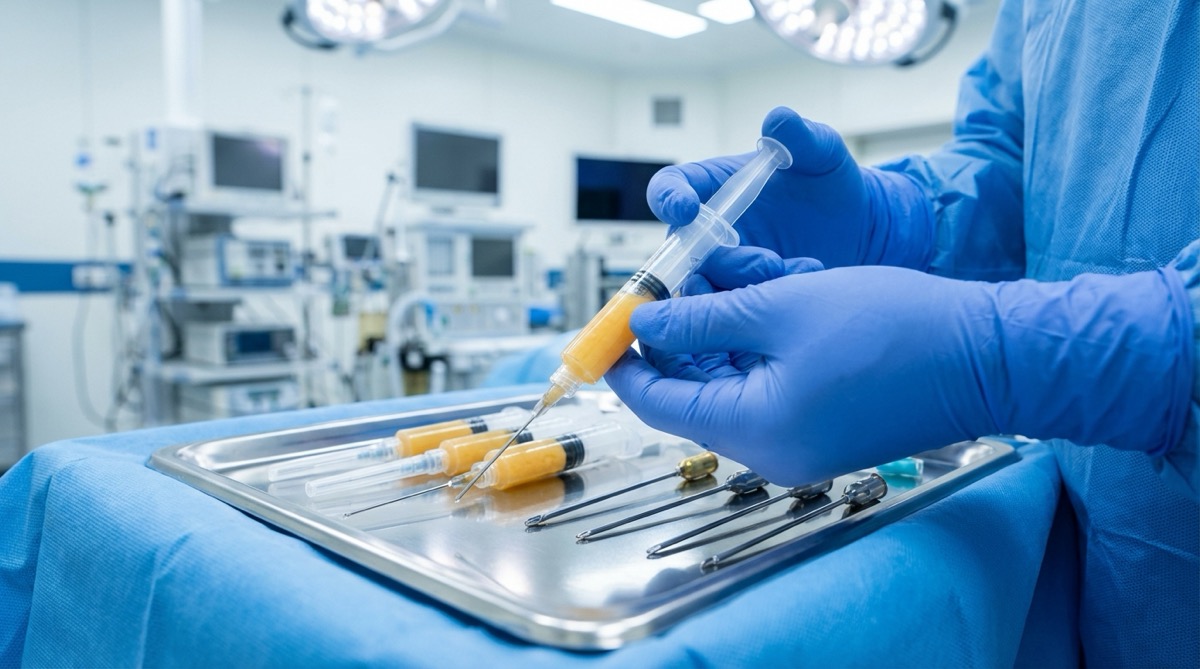
    Facial fat grafting, also called fat transfer or lipofilling, uses the patient’s own fat as a graft. Fat is harvested from a donor area such as the abdomen, flanks or thighs, processed, and then placed in small parcels into selected facial areas. The goal is not to “inflate” the face, but to restore selected zones of volume loss while respecting facial anatomy.

    Because it involves fat harvest, processing and reinjection, fat grafting is a surgical procedure. It may be performed as a standalone treatment in selected patients, but it is often considered during broader facial rejuvenation, such as a facelift, Regenerative Deep Plane facelift, blepharoplasty or neck lift.

    Fat grafting is biologically different from a synthetic filler because the transferred tissue contains living fat cells and stromal components from the patient’s own body. That does not mean it should be marketed as a proven stem-cell therapy, and I avoid promising skin regeneration as if it were guaranteed. Some patients notice improvement in texture or softness after fat grafting, but the most reliable goal remains volume restoration with careful placement.

    How dermal fillers work

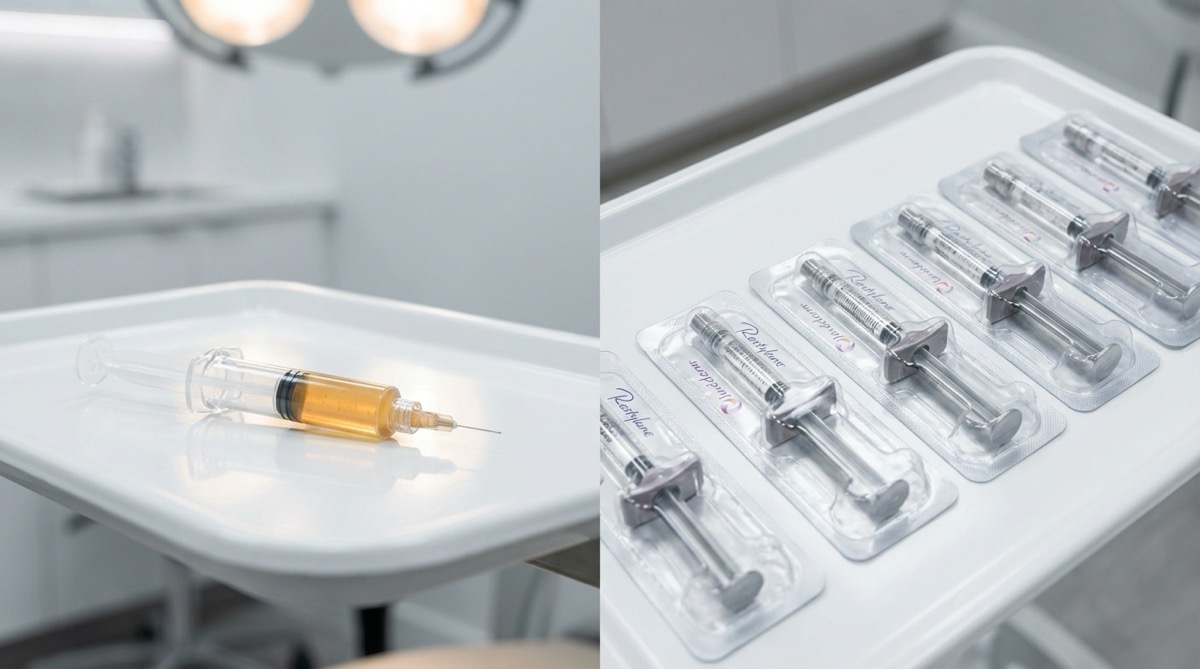
    Dermal fillers are injectable medical products used to restore or shape specific areas. Hyaluronic acid fillers are common because they can add volume, hold water and, in many cases, be dissolved with hyaluronidase if a correction or urgent management is needed.

    Fillers are often useful for small and targeted changes: mild cheek support, lip definition, a selected fold, chin contour, jawline refinement or touch-ups after surgery. They are temporary, and their duration depends on the product, the area treated, movement, metabolism and the amount injected.

    The fact that fillers are nonsurgical does not make them casual beauty treatments. They are medical procedures. Product choice, injection plane, vascular anatomy, dose, antisepsis and emergency preparedness all matter.

    Fat grafting vs fillers: the practical differences

    FactorFacial fat graftingDermal fillers
    Procedure typeSurgical fat harvest, processing and transferInjectable medical procedure
    Main roleBroader volume restoration in selected areasSmall, precise and temporary corrections
    ReversibilityNot easily reversibleHyaluronic acid fillers can often be dissolved
    PredictabilityDepends on fat survival, technique and healingMore immediately visible and adjustable
    RecoveryBruising and swelling in the face and donor area are expectedUsually shorter recovery, but bruising and swelling can still occur
    Best contextFacial deflation, hollow temples, cheeks, periorbital hollowness, combined surgeryLips, folds, small contour refinements and surgical touch-ups
    Main risksPartial resorption, asymmetry, irregularity, donor-site issues, infection, anesthesia riskVascular occlusion, necrosis, visual symptoms, nodules, migration, infection, asymmetry

    When I consider fat grafting

    Fat grafting may be appropriate when volume loss is broad enough that repeated filler sessions would be inefficient or aesthetically limited. Common examples include hollow temples, flattened cheeks, periorbital hollowness, facial deflation after weight loss, or a patient undergoing a facelift who also needs volume restoration.

    It can be particularly useful when the face looks tired because volume has been lost in several zones at the same time. In those situations, simply tightening skin or adding one small filler bolus may not address the underlying shape change.

    However, fat grafting requires realistic expectations. Some transferred fat is absorbed, and it is not easily reversible once tissue has healed. Retention varies by patient, area, technique, vascularity, smoking or nicotine exposure, weight changes and postoperative healing. Touch-up treatment can be necessary. This is why the plan should be conservative and anatomical rather than based on a fixed percentage.

    When I consider fillers

    Fillers can be the better choice when the change is small, localized and meant to be adjustable. A patient may want lip definition, a small chin refinement, mild cheek support, a fold softened or a limited postoperative touch-up. In those cases, hyaluronic acid filler may offer precision without the recovery of surgery.

    Fillers can also be useful when a patient is not ready for surgery or needs a temporary approach. But temporary does not mean unimportant. Repeated filler in the wrong plane or excessive amounts can distort facial proportions, create puffiness, migrate or make later surgical planning more complex.

    Risks of dermal fillers

    The most serious filler complication is vascular occlusion, when filler enters or compresses a blood vessel. This can reduce blood supply and lead to pain, skin color change, livedo, blisters, necrosis and, rarely, visual symptoms or blindness. Areas such as the nose, glabella and tear trough demand particular caution.

    Other possible problems include bruising, swelling, infection, nodules, lumps, Tyndall effect, migration, asymmetry, allergic reaction and dissatisfaction with shape. With hyaluronic acid fillers, hyaluronidase may help in selected situations, but it is not a reason to treat filler casually.

    Warning signs after filler include severe or increasing pain, skin blanching, mottled color change, new blisters, worsening swelling, fever, pus, eye pain, blurred vision, loss of vision or neurological symptoms. These symptoms require urgent contact with the treating physician or emergency care.

    Risks of facial fat grafting

    Fat grafting has a different risk profile because it is surgery. Expected recovery can include facial swelling, bruising, tenderness and donor-site soreness. Possible complications include infection, bleeding, contour irregularity, asymmetry, overcorrection, undercorrection, partial resorption, palpable nodules or oil cysts, donor-site irregularity, anesthesia-related risk and the possibility of revision or touch-up.

    The fact that the graft comes from the patient’s own body does not eliminate risk. Technique matters: small parcels, appropriate planes, respect for vascular anatomy, conservative dosing and sterile handling are part of safe planning.

    Can fat grafting and fillers be combined?

    Yes, but the order and purpose matter. In some patients, fat grafting is used for broader structural volume restoration during surgery, and fillers are reserved later for small refinements once swelling has settled. In others, fillers are enough and surgery would be unnecessary.

    The important point is not to choose a favorite product. The goal is to match the tool to the anatomy. Fat grafting, fillers, lifting surgery, eyelid surgery and skin treatments each solve different parts of facial aging.

    Frequently asked questions

    Is fat grafting better than fillers?

    Fat grafting is not universally better than fillers; it is different. It may be more appropriate for broader facial volume loss, while fillers may be more appropriate for small, precise and temporary corrections.

    Does facial fat grafting last forever?

    Facial fat grafting can be longer-lasting than fillers, but fat retention varies and some of the transferred fat is absorbed. Aging, weight changes, anatomy and healing continue after the procedure, so it should not be discussed as a fixed or guaranteed result.

    Are fillers safer because they are nonsurgical?

    Fillers avoid surgical recovery, but they are still medical procedures with real risks, including vascular occlusion, necrosis, infection and rare visual complications. Safety depends on indication, anatomy, product, technique and emergency preparedness.

    Can fillers be dissolved if I do not like the result?

    Many hyaluronic acid fillers can be treated with hyaluronidase, but dissolving is not always perfectly predictable and does not apply to every filler type. Prevention through correct indication and conservative technique remains better than relying on reversal.

    How do I know which option fits my face?

    The safest way to decide is an in-person consultation that evaluates facial volume, skin quality, eyelids, cheeks, jawline, neck, prior fillers, medical history and expectations. Photos help the discussion, but they do not replace examination and a risk-benefit conversation.

    How I approach the decision in consultation

    During consultation, I look at the whole face rather than one isolated fold. I assess whether the main issue is volume loss, tissue descent, skin quality, eyelid aging, neck laxity or a combination. Sometimes the right plan is filler only. Sometimes it is fat grafting. Sometimes the better discussion is a facelift, blepharoplasty, neck lift or staged approach.

    For deeper reading, see the pages on facial fat grafting, facial fillers, facelift surgery, Regenerative Deep Plane facelift, blepharoplasty and neck lift. The best treatment is not the one with the strongest marketing language; it is the one that fits the patient’s anatomy, goals and safety profile.


  • Ozempic Face and Fat Grafting: What Volume Restoration Can and Cannot Do

    Ozempic Face and Fat Grafting: What Volume Restoration Can and Cannot Do

    Facial fat grafting may help selected patients with facial volume loss after rapid GLP-1 weight loss, but it is a surgical procedure with variable fat retention, recovery, risks and timing considerations. It should be planned only after weight has stabilized and without stopping Ozempic, Wegovy, Mounjaro or any GLP-1 medication unless the prescribing physician advises it.

    “Ozempic face” is a colloquial term, not a formal medical diagnosis. Patients use it to describe hollow cheeks, temples, under-eye areas and loose-looking facial skin after significant weight loss. The medication is not the only variable: the speed of weight loss, age, baseline facial volume, skin elasticity, genetics and previous procedures all influence what the face looks like afterward.

    Medical review

    Written and reviewed by Dr. Walter Zamarian Jr., plastic surgeon in Londrina, Brazil. CRM-PR 17.388, RQE 15.688, full member of the Brazilian Society of Plastic Surgery (SBCP) and member of the American Society of Plastic Surgeons (ASPS). 20+ years of experience and 8,000+ surgeries performed. Last reviewed: May 24, 2026.

    Why the face can change after GLP-1 weight loss

    The face has deep and superficial fat compartments that support the cheeks, temples, under-eye region, jawline and transitions between facial zones. When weight loss is rapid, these compartments may lose volume faster than the skin and soft tissues can adapt. The result can be a hollow, tired or deflated appearance.

    This does not mean the medication is bad or should be stopped for aesthetic reasons. GLP-1 treatment is a medical decision. Any change in medication, dose or timing should be discussed with the prescribing physician or endocrinologist, especially when weight loss, diabetes, metabolic disease or cardiovascular risk are part of the picture.

    Where fat grafting may help

    Facial fat grafting, also called fat transfer or lipofilling, transfers a patient’s own fat from a donor area to selected facial zones. It may be considered when volume loss is broad enough that small amounts of facial fillers would be insufficient or aesthetically limited.

    Common treatment areas include the temples, cheeks, tear trough region, nasolabial transition and jawline support. The goal is not to inflate the face or erase aging; it is to restore selected contours in a conservative, anatomical way.

    Fat grafting can be especially relevant when the patient is already considering facial rejuvenation surgery. In selected cases, volume restoration may be combined with a facelift, Regenerative Deep Plane facelift, neck lift or blepharoplasty. Other patients need volume only, and some should start with nonsurgical options.

    What fat grafting cannot guarantee

    Fat grafting is not a guaranteed reversal of facial aging. It is surgical, not easily reversible, and some transferred fat is absorbed. Retention varies by patient, facial area, technique, blood supply, smoking or nicotine exposure, weight stability, inflammation and healing.

    Because retention is variable, I avoid promising a fixed percentage or a single-session result. Some patients may need a touch-up. Others may not be good candidates if they are still losing weight, have insufficient donor fat, have unrealistic expectations or need tissue repositioning more than volume replacement.

    Fat contains living tissue and stromal components, but routine facial fat grafting should not be marketed as a stem-cell therapy. Some patients may notice skin-quality changes, but the most reliable goal is volume restoration and contour improvement, not guaranteed biological regeneration.

    Timing: weight stability matters

    Timing is one of the most important decisions. If the patient is still actively losing weight, facial volume can continue to change and grafted fat may also be affected. In many cases, it is more sensible to wait until weight has been stable for several months before surgery.

    This timing should be coordinated with the physician managing GLP-1 therapy. The aesthetic plan should support the patient’s overall health plan, not compete with it.

    Risks and recovery after facial fat grafting

    Expected recovery can include swelling, bruising, tenderness, donor-site soreness and temporary asymmetry. Possible complications include infection, bleeding, contour irregularity, overcorrection, undercorrection, nodules or oil cysts, partial resorption, donor-site irregularity, anesthesia-related risk and the possibility of revision or touch-up.

    When fat grafting is combined with larger facial surgery or international travel, broader surgical planning also considers deep vein thrombosis and pulmonary embolism risk. Symptoms such as chest pain, shortness of breath, fainting or calf swelling require urgent medical evaluation.

    Frequently asked questions

    Is Ozempic face a real diagnosis?

    No. “Ozempic face” is a colloquial term for facial hollowing or deflation that some patients notice after rapid weight loss, including weight loss while using GLP-1 medications. It is not a formal diagnosis.

    Should I stop my GLP-1 medication before fat grafting?

    Do not stop Ozempic, Wegovy, Mounjaro or any GLP-1 medication without guidance from the physician who prescribed it. Surgical timing and medication planning should be coordinated with your prescribing physician or endocrinologist.

    Is fat grafting better than fillers for Ozempic face?

    Fat grafting may be more appropriate for broad facial volume loss, while fillers may be better for small, precise and temporary corrections. The best option depends on anatomy, skin laxity, weight stability, donor fat, tolerance for surgery and expectations.

    Will the result last forever?

    No result should be described that way. Fat grafting can be longer-lasting than hyaluronic acid fillers, but fat retention varies and the face continues to age. Weight changes after surgery can also alter the result.

    When is a facelift needed as well?

    A facelift may be considered when the main issue is tissue descent, jowls, neck laxity or loose skin rather than volume loss alone. Some patients need fat grafting; others need lifting surgery; some need a staged or combined plan.

    How I evaluate these cases

    In consultation, I assess weight history, GLP-1 treatment timeline, weight stability, donor fat, facial volume loss, skin laxity, eyelids, neck, prior fillers and medical risk. The safest plan may be fat grafting, fillers, lifting surgery, or no procedure until weight stabilizes.

    For related reading, see facial fat grafting, facial fillers, facelift surgery, Regenerative Deep Plane facelift, neck lift and blepharoplasty. The right timing matters as much as the technique.

  • Facial Fat Grafting: Complete Guide to Fat Transfer for Rejuvenation

    Facial Fat Grafting: Complete Guide to Fat Transfer for Rejuvenation

    Facial fat grafting is a surgical fat-transfer procedure that uses a patient’s own fat to restore selected areas of facial volume loss, but the amount of fat that survives and the final result vary from person to person. It can be a powerful part of facial rejuvenation when the indication is correct, but it should not be presented as a guaranteed permanent result or as a routine “stem-cell therapy”.

    In my practice in Londrina, Brazil, I use facial fat grafting as one tool inside a complete facial analysis. Some patients mainly need volume restoration. Others need lifting of deeper facial tissues, eyelid surgery, neck contour correction, skin treatment, or a staged plan. The goal is not to inflate the face. The goal is to restore proportion, support and softness while respecting anatomy and safety.

    Medical review

    Written and reviewed by Dr. Walter Zamarian Jr., plastic surgeon in Londrina, Brazil. CRM-PR 17.388, RQE 15.688, full member of the Brazilian Society of Plastic Surgery (SBCP) and member of the American Society of Plastic Surgeons (ASPS). 20+ years of experience and 8,000+ surgeries performed. Last reviewed: May 24, 2026.

    What is facial fat grafting?

    Facial fat grafting, also called facial fat transfer or lipofilling, takes fat from one part of the body and transfers it to selected areas of the face. Fat is usually harvested from the abdomen, flanks or thighs with small cannulas, processed, and then placed in small parcels where volume has been lost or where contour support is needed.

    The transferred tissue is autologous, meaning it comes from the patient. This makes it biologically different from a manufactured filler. It does not remove all risk, and it does not make the procedure automatically predictable. It remains surgery, with donor-site recovery, swelling, bruising, variable fat retention and the possibility of touch-up or revision.

    Fat grafting is often discussed together with facelift surgery, Regenerative Deep Plane facelift, blepharoplasty and neck lift, because facial aging is rarely one-dimensional. Laxity, eyelid aging, neck changes, bone remodeling, skin quality and volume loss may need different solutions.

    Why the face loses volume with age

    Aging changes the face at several levels. Facial fat compartments can shrink or descend, bone support changes, skin becomes thinner, and ligaments and soft tissues lose some support. A face may look tired not only because of loose skin, but because the midface, temples, tear troughs or jawline have lost structural volume.

    This is why a skin-only approach can look incomplete. If the deeper tissues are repositioned without restoring selected volume, the face may look tighter but still depleted. If volume is added without addressing descent or skin excess, the face may look heavy or overfilled. A good plan separates these problems before choosing the treatment.

    How facial fat grafting is performed

    1. Fat harvesting

    Fat is harvested from a donor area such as the lower abdomen, flanks or thighs. I use a conservative, atraumatic approach because rough harvesting can damage adipocytes and stromal cells. The donor area must also be planned carefully to avoid contour irregularity.

    2. Processing and preparation

    The harvested fat is processed to separate useful graft material from excess fluid, blood, oil and damaged cells. The goal is to prepare a clean, viable graft for precise placement. Different surgeons use different processing methods; what matters clinically is gentle handling, sterility and consistency.

    3. Micrografting in selected planes

    The prepared fat is placed in small parcels using fine cannulas. Small parcels are important because grafted fat survives by receiving nutrients and blood supply from surrounding tissues before new vascular support develops. Large boluses increase the risk of irregularity, poor integration, nodules or overcorrection.

    Facial areas that can be treated

    The best areas for facial fat grafting depend on the patient’s anatomy and goals. Common areas include the temples, cheeks, tear trough region, nasolabial area, jawline transitions, chin support and selected perioral hollows. The lips can sometimes be treated, but they require conservative planning because movement and swelling can affect predictability.

    The periorbital area deserves special caution. It can be one of the most rewarding areas when hollowing is the true problem, but it is also unforgiving. Too much volume, the wrong plane or poor patient selection can create puffiness, irregularity or a result that is difficult to correct.

    Who is a good candidate?

    A good candidate for facial fat grafting usually has visible facial volume loss, stable weight, realistic expectations and an acceptable medical risk profile. Fat grafting may be especially useful after major weight loss, in selected patients with hollow temples or cheeks, or during a broader facial rejuvenation plan.

    I am more cautious, or I postpone treatment, when weight is still changing, nicotine use is active, medical conditions are uncontrolled, expectations are unrealistic, or the main concern is skin laxity rather than volume loss. In those cases, the more honest answer may be observation, medical optimization, a different procedure or no surgery.

    How long do results last?

    The fat that survives the early healing period can be long-lasting, but facial fat grafting should not be sold as a fixed lifetime result. Some fat is reabsorbed, retention varies, and the face continues to age. Weight gain, weight loss, smoking or nicotine exposure, inflammation, surgical technique and individual healing can all influence the final contour.

    For this reason, I avoid promising a specific survival percentage for every patient. Planning is anatomical and conservative. The objective is to restore proportion without creating an overfilled face that may look unnatural years later.

    What about stem cells and ADSCs?

    Fat contains adipocytes and stromal components, including adipose-derived stem or stromal cells (ADSCs). These cells are part of why fat grafting is biologically interesting, and studies continue to explore their role in tissue quality, vascular support and healing.

    That said, routine cosmetic facial fat grafting should be explained responsibly. I do not tell patients that fat grafting is a guaranteed stem-cell treatment or that it will regenerate the skin in a predictable way. Some patients notice improvement in softness, texture or skin quality after fat transfer, but the most reliable and measurable goal is selected volume restoration with careful technique.

    Fat grafting vs dermal fillers

    Dermal fillers and fat grafting solve different problems. Fillers are often useful for small, precise and temporary corrections. Fat grafting may be more appropriate for broader facial volume loss, especially when the patient is already undergoing surgery.

    The comparison is not “natural versus artificial” in a simplistic way. Fillers can be excellent when correctly indicated, and fat grafting can be disappointing when poorly planned. I discuss this in more detail in the blog guide Fat Grafting vs Dermal Fillers.

    Combining fat grafting with facelift, eyelid surgery and neck lift

    Many patients considering facial rejuvenation need more than one correction. A Deep Plane facelift can reposition descended deep tissues. A deep neck lift can improve neck contour. Blepharoplasty can address eyelid skin, bags or selected periorbital issues. Fat grafting can restore selected volume where tissue has been depleted.

    This is the logic behind a complete regenerative facelift plan: deep plane repositioning, deep neck contour correction, eyelid surgery when indicated, and conservative fat transfer when volume loss is part of the problem. The plan should be individualized, not packaged as a fixed combination for every patient.

    Recovery after facial fat grafting

    Recovery depends on the areas treated, the amount of fat transferred, whether other procedures were performed and the patient’s healing pattern. Swelling and bruising are expected. The donor site can be sore, sometimes more than the face itself. Most patients need social downtime, especially when fat grafting is combined with facelift or blepharoplasty.

    In the first week, swelling is usually most visible. During weeks two to four, the face begins to look more settled, but volume can still change. Final judgment should not be made early, because edema, partial resorption and tissue integration evolve over months.

    Risks and warning signs

    Possible risks of facial fat grafting include bruising, swelling, infection, bleeding, asymmetry, contour irregularity, overcorrection, undercorrection, partial resorption, palpable nodules, oil cysts, donor-site irregularity, numbness, anesthesia-related risks and the possibility of revision or touch-up.

    Urgent warning signs include increasing severe pain, rapidly expanding swelling, fever, pus, skin color change, shortness of breath, chest pain, calf pain or swelling, sudden visual symptoms or neurological symptoms. These signs require immediate medical contact or emergency care.

    Frequently asked questions

    Is facial fat grafting permanent?

    Facial fat grafting can be long-lasting once transferred fat survives, but it is not a guaranteed permanent or fixed result. Some fat is absorbed, retention varies and the face continues to age after the procedure.

    Is facial fat grafting painful?

    Facial fat grafting is performed with anesthesia, so patients should not feel pain during surgery. Afterward, discomfort is usually related to swelling, bruising and donor-site soreness, and the plan for pain control is individualized.

    Can fat grafting be done without a facelift?

    Yes, facial fat grafting can be performed without a facelift in selected patients whose main issue is volume loss rather than tissue descent or skin excess. If laxity is the dominant problem, fat alone may make the face look heavier instead of younger.

    Is fat grafting better than fillers?

    Fat grafting is not universally better than fillers; it is a different tool. Fat transfer may fit broader volume restoration, while fillers may fit smaller, adjustable and temporary corrections.

    Can I have fat grafting after weight-loss medication?

    Facial fat grafting after major weight loss or GLP-1 medication may be considered only after weight has stabilized and the prescribing physician’s guidance is respected. I discuss this topic separately in the guide on Ozempic face and fat grafting.

    How I decide whether fat grafting fits a patient

    During consultation, I evaluate the full face: temples, cheeks, lower eyelids, eyelids, jawline, neck, skin quality, previous fillers, weight history, medical history and expectations. The safest plan is the one that matches the anatomy, not the one that sounds most impressive online.

    For deeper reading, see the pages on facial fat grafting, facelift surgery, Regenerative Deep Plane facelift, blepharoplasty, neck lift and facial fillers. A good rejuvenation plan is complete, but it is never automatic.

    Selected medical sources

    This article is based on clinical experience and on current medical references about facial fat transfer, volume restoration and adipose tissue biology, including patient-education material from the American Society of Plastic Surgeons, Stanford Medicine and Cleveland Clinic, as well as peer-reviewed reviews on adipose-derived stromal cells and facial rejuvenation.

  • Deep Plane Facelift with Fat Grafting: Why Combine Them?

    Deep Plane Facelift with Fat Grafting: Why Combine Them?

    Deep Plane facelift and facial fat grafting are combined in selected patients because lifting repositions descended tissue, while fat grafting restores volume loss that a lift alone cannot correct. When needed, the plan may also include deep neck contouring and blepharoplasty assessment, because facial aging is usually a combination of descent, laxity, neck change, eyelid change and volume deflation.

    The goal is not to fill every hollow or tighten every visible fold. The goal is to diagnose which part of aging comes from tissue descent, which part comes from volume loss, which part comes from the neck, and which part belongs to the eyelids. A safe facial rejuvenation plan starts with that distinction.

    Medical review

    Written and reviewed by Dr. Walter Zamarian Jr., plastic surgeon in Londrina, Brazil. CRM-PR 17.388, RQE 15.688, full member of the Brazilian Society of Plastic Surgery (SBCP) and member of the American Society of Plastic Surgeons (ASPS). 20+ years of experience and 8,000+ surgeries performed. His facial rejuvenation work includes ongoing learning from Dr. Tim Marten and Dr. Mike Nayak in the United States during ASAPS Meetings. Last reviewed: May 24, 2026.

    Why a facelift alone may not be enough

    A Deep Plane facelift is designed to reposition deeper facial tissues rather than simply tighten skin. It can improve jowls, cheek descent, jawline definition and the transition between the face and neck. But it does not replace fat that has been lost from the temples, cheeks, tear troughs, lid-cheek junction or perioral region.

    This is why some patients look lifted but still tired after a facelift-only plan. The skin and soft tissues may be in a better position, but the face can remain hollow or depleted if volume loss was not addressed. In those patients, facial fat grafting can be considered as part of the same surgical strategy.

    What facial fat grafting can do

    Facial fat grafting, also called autologous fat transfer or lipofilling, transfers a patient’s own fat from a donor area to selected facial compartments. It is used to restore volume in carefully chosen areas, not to inflate the face. Common target zones include the malar region, temples, tear trough region, lid-cheek transition, nasolabial transition and selected perioral areas.

    Fat grafting is different from hyaluronic acid filler because it is surgical, not easily reversible, and its retention varies. Some transferred fat is absorbed during healing. The retained volume depends on technique, blood supply, recipient tissue quality, smoking status, inflammation, weight stability and individual biology.

    What fat grafting cannot do

    Fat grafting does not lift the neck, remove excess eyelid skin, correct jowls by itself, treat platysmal bands or replace a facelift when the main issue is tissue descent. It also should not be presented as routine stem-cell therapy. Fat contains stromal and adipose-derived cells that may contribute to tissue behavior, but the clinical procedure is facial fat transfer, not a guaranteed biological reset.

    The complete facial rejuvenation plan

    For some patients, the most coherent plan is not one isolated procedure. It is a coordinated plan that treats each layer of aging with the right tool: ptosis, neck laxity, eyelid change and volume loss are related but not identical problems.

    • Deep Plane facelift: repositions descended cheek and jawline tissues through a deeper surgical plane.
    • Deep neck lift or neck contouring: addresses neck laxity, platysma, subplatysmal fullness or cervicomental angle issues when present.
    • Blepharoplasty and eyelid assessment: evaluates eyelid skin, fat pads, lid support and the lid-cheek junction instead of assuming a facelift will correct eyelids.
    • Facial fat grafting: restores selected volume deficits to soften transitions and avoid a hollow, over-tightened look.

    This combined logic is the reason I often discuss Deep Plane facelift, neck contour, eyelids and fat transfer together. The final recommendation may include all of them, some of them, or none of them, depending on the examination.

    Where fat is usually placed

    The exact map is individualized. In a patient with hollow temples, fat may be placed conservatively in the temporal region. In a patient with flattened midface, small parcels may be placed in the malar and submalar compartments. In the lower eyelid transition, the plan must be especially conservative because swelling, irregularity or overcorrection can be difficult to hide.

    The technical principle is small-volume placement in multiple passes, respecting vascular anatomy and tissue planes. More volume is not better. The best fat grafting usually looks like restored facial continuity, not visible filling.

    Who may be a good candidate?

    The combined approach may fit patients with visible facial descent and true volume loss: jowls with cheek flattening, neck laxity with midface deflation, hollow temples, lid-cheek hollowing or an aged face that looks both descended and depleted. Candidates should be healthy enough for surgery, understand the recovery, avoid nicotine and accept that fat retention is variable.

    It may not be appropriate for patients who primarily need skin care, weight stabilization, eyelid-only surgery, non-surgical volume correction, or psychological support for unrealistic expectations. Patients actively losing weight, especially after major GLP-1-related weight changes, may need to stabilize before surgery is planned.

    Recovery when procedures are combined

    Combining fat grafting with a Deep Plane facelift can increase swelling and bruising in the treated areas, even when it does not radically change the overall recovery plan. Early swelling can make the face look fuller than intended. As healing progresses, some transferred fat is absorbed and the final volume becomes clearer over months.

    Most patients need a staged mindset: the first weeks are about swelling, bruising, incision care and rest; the next months are about definition, scar maturation, neck contour and fat retention. Final judgment should not be rushed.

    Risks and red flags

    Deep Plane facelift with fat grafting is still surgery. Risks include anesthesia-related problems, bleeding, hematoma, infection, delayed healing, visible or widened scars, skin suffering, nerve irritation or injury, asymmetry, contour irregularity, prolonged swelling, numbness, hairline or earlobe changes, fat undercorrection or overcorrection, fat necrosis or oil cysts, donor-site bruising, donor-site contour change, DVT, pulmonary embolism, dissatisfaction and possible revision.

    Urgent red flags include severe one-sided swelling, rapidly expanding bruising, intense pain, fever, pus, skin color change, shortness of breath, chest pain, calf swelling, visual change or neurologic symptoms. These require immediate contact with the surgical team or emergency care.

    Frequently asked questions

    Why combine Deep Plane facelift and fat grafting?

    They treat different parts of facial aging. Deep Plane facelift repositions descended tissue, while fat grafting restores selected volume loss. In the right patient, combining them can create a more balanced plan than either technique alone.

    Is fat grafting the same as filler?

    No. Fat grafting is a surgical transfer of the patient’s own fat, with variable retention and recovery. Hyaluronic acid filler is an injectable material that can be useful in selected non-surgical cases, but it does not replace surgical lifting or neck correction.

    Is this stem-cell treatment?

    No. Routine facial fat grafting should not be marketed as stem-cell treatment. Fat contains stromal and adipose-derived cells, but the clinical procedure is volume restoration with autologous fat transfer, and outcomes vary by patient.

    Can blepharoplasty be part of the same plan?

    Yes, in selected patients. Eyelid aging is evaluated separately because a facelift does not remove eyelid skin or correct every lower-eyelid fat-pad issue. Blepharoplasty may be combined only when the anatomy and safety profile justify it.

    Will all grafted fat survive?

    No. Some transferred fat is absorbed during healing, and retention varies. This is why careful planning, conservative placement and follow-up matter more than adding excessive volume at the first operation.

    How I plan this in Brazil

    During consultation, I evaluate the face, neck, eyelids, skin quality, volume distribution, prior procedures, weight stability, donor areas and expectations. For international patients, an online consultation can help with preliminary planning, but the final surgical indication requires in-person examination in Londrina.

    For deeper reading, see the pages on Deep Plane facelift, regenerative Deep Plane planning, facial fat grafting, neck lift and blepharoplasty. Related blog guides include facial fat grafting and fat grafting versus dermal fillers.