deep plane Archives - Page 2 of 4 - Dr. Walter Zamarian Jr.

Tag: deep plane

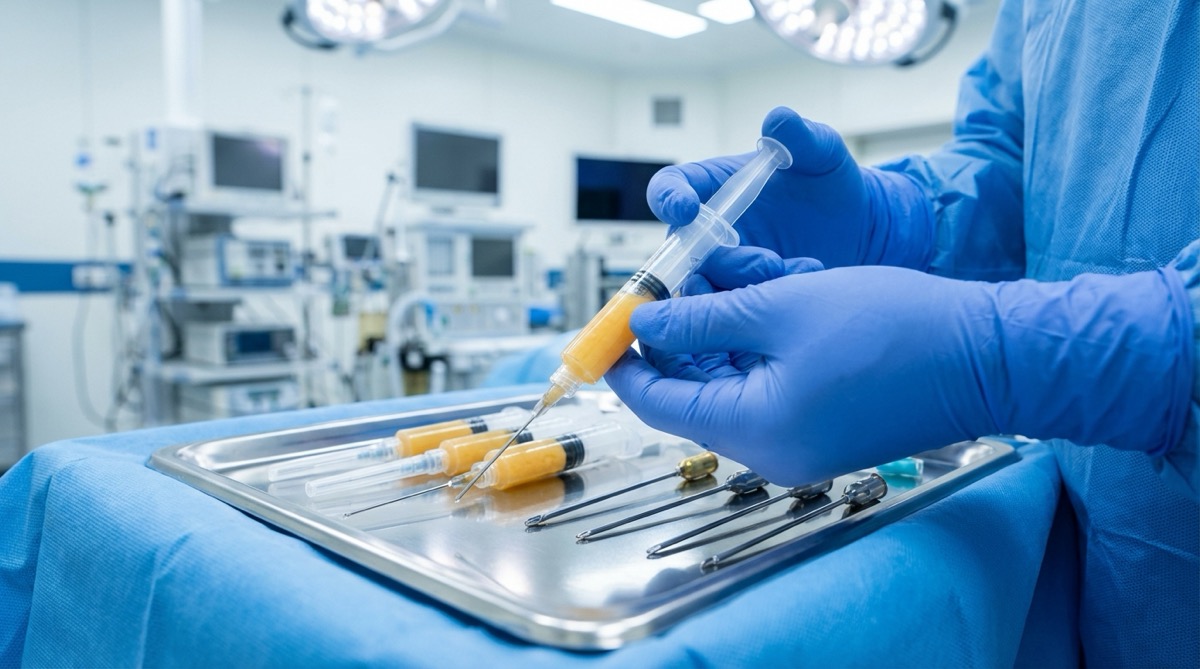
  • Deep Plane Facelift with Fat Grafting: Why Combine Them?

    Deep Plane Facelift with Fat Grafting: Why Combine Them?

    Deep Plane facelift and facial fat grafting are combined in selected patients because lifting repositions descended tissue, while fat grafting restores volume loss that a lift alone cannot correct. When needed, the plan may also include deep neck contouring and blepharoplasty assessment, because facial aging is usually a combination of descent, laxity, neck change, eyelid change and volume deflation.

    The goal is not to fill every hollow or tighten every visible fold. The goal is to diagnose which part of aging comes from tissue descent, which part comes from volume loss, which part comes from the neck, and which part belongs to the eyelids. A safe facial rejuvenation plan starts with that distinction.

    Medical review

    Written and reviewed by Dr. Walter Zamarian Jr., plastic surgeon in Londrina, Brazil. CRM-PR 17.388, RQE 15.688, full member of the Brazilian Society of Plastic Surgery (SBCP) and member of the American Society of Plastic Surgeons (ASPS). 20+ years of experience and 8,000+ surgeries performed. His facial rejuvenation work includes ongoing learning from Dr. Tim Marten and Dr. Mike Nayak in the United States during ASAPS Meetings. Last reviewed: May 24, 2026.

    Why a facelift alone may not be enough

    A Deep Plane facelift is designed to reposition deeper facial tissues rather than simply tighten skin. It can improve jowls, cheek descent, jawline definition and the transition between the face and neck. But it does not replace fat that has been lost from the temples, cheeks, tear troughs, lid-cheek junction or perioral region.

    This is why some patients look lifted but still tired after a facelift-only plan. The skin and soft tissues may be in a better position, but the face can remain hollow or depleted if volume loss was not addressed. In those patients, facial fat grafting can be considered as part of the same surgical strategy.

    What facial fat grafting can do

    Facial fat grafting, also called autologous fat transfer or lipofilling, transfers a patient’s own fat from a donor area to selected facial compartments. It is used to restore volume in carefully chosen areas, not to inflate the face. Common target zones include the malar region, temples, tear trough region, lid-cheek transition, nasolabial transition and selected perioral areas.

    Fat grafting is different from hyaluronic acid filler because it is surgical, not easily reversible, and its retention varies. Some transferred fat is absorbed during healing. The retained volume depends on technique, blood supply, recipient tissue quality, smoking status, inflammation, weight stability and individual biology.

    What fat grafting cannot do

    Fat grafting does not lift the neck, remove excess eyelid skin, correct jowls by itself, treat platysmal bands or replace a facelift when the main issue is tissue descent. It also should not be presented as routine stem-cell therapy. Fat contains stromal and adipose-derived cells that may contribute to tissue behavior, but the clinical procedure is facial fat transfer, not a guaranteed biological reset.

    The complete facial rejuvenation plan

    For some patients, the most coherent plan is not one isolated procedure. It is a coordinated plan that treats each layer of aging with the right tool: ptosis, neck laxity, eyelid change and volume loss are related but not identical problems.

    • Deep Plane facelift: repositions descended cheek and jawline tissues through a deeper surgical plane.
    • Deep neck lift or neck contouring: addresses neck laxity, platysma, subplatysmal fullness or cervicomental angle issues when present.
    • Blepharoplasty and eyelid assessment: evaluates eyelid skin, fat pads, lid support and the lid-cheek junction instead of assuming a facelift will correct eyelids.
    • Facial fat grafting: restores selected volume deficits to soften transitions and avoid a hollow, over-tightened look.

    This combined logic is the reason I often discuss Deep Plane facelift, neck contour, eyelids and fat transfer together. The final recommendation may include all of them, some of them, or none of them, depending on the examination.

    Where fat is usually placed

    The exact map is individualized. In a patient with hollow temples, fat may be placed conservatively in the temporal region. In a patient with flattened midface, small parcels may be placed in the malar and submalar compartments. In the lower eyelid transition, the plan must be especially conservative because swelling, irregularity or overcorrection can be difficult to hide.

    The technical principle is small-volume placement in multiple passes, respecting vascular anatomy and tissue planes. More volume is not better. The best fat grafting usually looks like restored facial continuity, not visible filling.

    Who may be a good candidate?

    The combined approach may fit patients with visible facial descent and true volume loss: jowls with cheek flattening, neck laxity with midface deflation, hollow temples, lid-cheek hollowing or an aged face that looks both descended and depleted. Candidates should be healthy enough for surgery, understand the recovery, avoid nicotine and accept that fat retention is variable.

    It may not be appropriate for patients who primarily need skin care, weight stabilization, eyelid-only surgery, non-surgical volume correction, or psychological support for unrealistic expectations. Patients actively losing weight, especially after major GLP-1-related weight changes, may need to stabilize before surgery is planned.

    Recovery when procedures are combined

    Combining fat grafting with a Deep Plane facelift can increase swelling and bruising in the treated areas, even when it does not radically change the overall recovery plan. Early swelling can make the face look fuller than intended. As healing progresses, some transferred fat is absorbed and the final volume becomes clearer over months.

    Most patients need a staged mindset: the first weeks are about swelling, bruising, incision care and rest; the next months are about definition, scar maturation, neck contour and fat retention. Final judgment should not be rushed.

    Risks and red flags

    Deep Plane facelift with fat grafting is still surgery. Risks include anesthesia-related problems, bleeding, hematoma, infection, delayed healing, visible or widened scars, skin suffering, nerve irritation or injury, asymmetry, contour irregularity, prolonged swelling, numbness, hairline or earlobe changes, fat undercorrection or overcorrection, fat necrosis or oil cysts, donor-site bruising, donor-site contour change, DVT, pulmonary embolism, dissatisfaction and possible revision.

    Urgent red flags include severe one-sided swelling, rapidly expanding bruising, intense pain, fever, pus, skin color change, shortness of breath, chest pain, calf swelling, visual change or neurologic symptoms. These require immediate contact with the surgical team or emergency care.

    Frequently asked questions

    Why combine Deep Plane facelift and fat grafting?

    They treat different parts of facial aging. Deep Plane facelift repositions descended tissue, while fat grafting restores selected volume loss. In the right patient, combining them can create a more balanced plan than either technique alone.

    Is fat grafting the same as filler?

    No. Fat grafting is a surgical transfer of the patient’s own fat, with variable retention and recovery. Hyaluronic acid filler is an injectable material that can be useful in selected non-surgical cases, but it does not replace surgical lifting or neck correction.

    Is this stem-cell treatment?

    No. Routine facial fat grafting should not be marketed as stem-cell treatment. Fat contains stromal and adipose-derived cells, but the clinical procedure is volume restoration with autologous fat transfer, and outcomes vary by patient.

    Can blepharoplasty be part of the same plan?

    Yes, in selected patients. Eyelid aging is evaluated separately because a facelift does not remove eyelid skin or correct every lower-eyelid fat-pad issue. Blepharoplasty may be combined only when the anatomy and safety profile justify it.

    Will all grafted fat survive?

    No. Some transferred fat is absorbed during healing, and retention varies. This is why careful planning, conservative placement and follow-up matter more than adding excessive volume at the first operation.

    How I plan this in Brazil

    During consultation, I evaluate the face, neck, eyelids, skin quality, volume distribution, prior procedures, weight stability, donor areas and expectations. For international patients, an online consultation can help with preliminary planning, but the final surgical indication requires in-person examination in Londrina.

    For deeper reading, see the pages on Deep Plane facelift, regenerative Deep Plane planning, facial fat grafting, neck lift and blepharoplasty. Related blog guides include facial fat grafting and fat grafting versus dermal fillers.

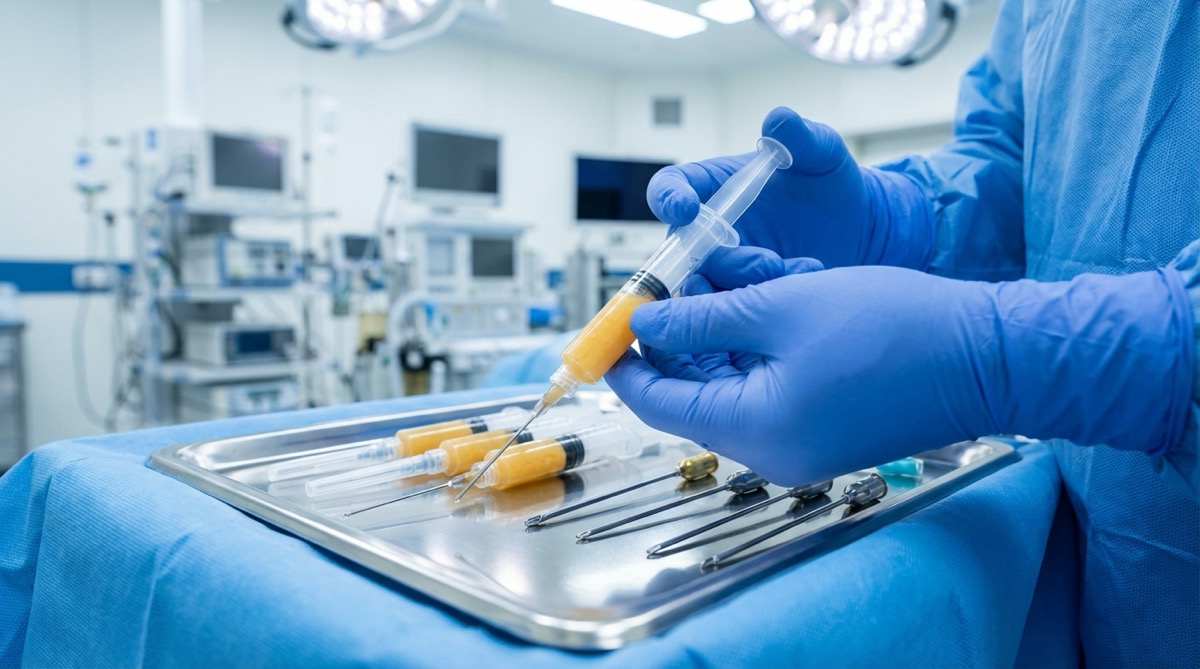
  • How Long Does a Deep Plane Facelift Last? An Honest Timeline

    How Long Does a Deep Plane Facelift Last? An Honest Timeline

    A Deep Plane facelift can remain meaningful for around a decade or longer in many well-selected patients, but no facelift stops aging and individual longevity varies. The better question is not “how many years is fixed?” but “what changes does the operation correct, what keeps aging, and how can the result be maintained safely?”

    Deep Plane surgery repositions deeper facial tissues rather than relying only on skin tension. That can make the result more durable than a limited skin-only procedure, but durability still depends on anatomy, skin quality, sun exposure, smoking, weight stability, facial volume, neck anatomy, technique, recovery and follow-up.

    Medical review

    Written and reviewed by Dr. Walter Zamarian Jr., plastic surgeon in Londrina, Brazil. CRM-PR 17.388, RQE 15.688, full member of the Brazilian Society of Plastic Surgery (SBCP) and member of the American Society of Plastic Surgeons (ASPS). 20+ years of experience and 8,000+ surgeries performed. Last reviewed: May 24, 2026.

    What “lasting” really means after a facelift

    A facelift does not freeze the face. It improves selected signs of aging from a new baseline, then the face continues to age. A good long-term result is one that keeps the jawline, cheek, neck and facial transitions looking balanced as time passes, not one that prevents every future wrinkle or every future change.

    This distinction matters because patients often hear a number and treat it as a promise. Published patient-education sources commonly describe full facelifts as lasting over ten years for many patients, but that is a general expectation, not a patient-specific prediction.

    Why Deep Plane results may age well

    In a Deep Plane facelift, the surgical plan addresses deeper facial support rather than simply tightening the skin. By releasing selected retaining structures and repositioning mobile soft tissue, the operation can improve the cheek, jowl and jawline with less dependence on skin pull.

    This does not mean every patient gets the same duration. It means the operation is designed around facial support. The quality of the result still depends on anatomy, diagnosis, surgical execution, healing and how the face continues to change after surgery.

    Timeline: what changes when?

    First month

    The first month is not the time to judge longevity. Swelling, bruising, firmness and asymmetry from healing can dominate the appearance. The priority is incision care, edema control, rest and close follow-up.

    Three months

    At around three months, facial definition is usually clearer, but the tissues are still settling. The jawline and neck may look more natural, while small areas of firmness or swelling can persist.

    Six to twelve months

    Between six and twelve months, the result becomes more reliable to assess. Scars mature, swelling decreases and the facial transitions settle. If fat grafting was performed, volume retention is also judged over time rather than in the first weeks.

    Long-term years

    In the long term, the face continues to age. Skin elasticity changes, sun damage accumulates, volume may decrease and the neck may change again. Many patients still look better than they would have without surgery, but maintenance and realistic expectations remain important.

    Factors that influence longevity

    • Skin quality and genetics: thicker, healthier skin and stronger facial support often age differently than thin, sun-damaged skin.
    • Sun exposure: ultraviolet damage weakens collagen and elastin, affecting the skin envelope over the repositioned tissue.
    • Smoking and nicotine: nicotine impairs circulation, wound healing and long-term skin quality.
    • Weight stability: major weight gain or loss can change facial volume and neck contour.
    • Volume loss: a lift repositions tissue, but ongoing facial deflation may require separate planning.
    • Neck anatomy: platysma, subplatysmal fullness and skin quality can influence how the neck ages after surgery.
    • Follow-up and maintenance: skin care, sun protection, weight stability and timely review help protect the result.

    Where fat grafting and skin care fit

    Some patients benefit from a combined plan that includes facial fat grafting with Deep Plane surgery. Fat transfer can restore selected volume deficits, but retention varies and it should not be presented as a fixed way to extend facelift duration.

    Skin quality also matters. Sunscreen, topical retinoids when tolerated and prescribed, treatment of pigmentation, avoidance of nicotine and healthy weight stability can help the face age better after surgery. These measures maintain the skin envelope; they do not replace surgery when the problem is structural descent.

    When revision may be considered

    Revision is not decided by the calendar alone. It may be considered when recurrent neck laxity, jowling, scar issues, asymmetry, tissue descent or volume change becomes significant enough to justify another procedure. Some patients need only smaller complementary treatments; others may eventually consider revision facelift.

    The decision should be based on examination, health, anatomy, goals and risk-benefit balance. A patient who is still healing, actively losing weight or expecting surgery to stop aging may not be ready for another operation.

    Risks and safety context

    Deep Plane facelift is a major facial surgery. Risks include anesthesia-related problems, bleeding, hematoma, infection, delayed healing, visible scars, skin suffering, nerve irritation or injury, asymmetry, contour irregularity, hairline or earlobe changes, numbness, prolonged swelling, DVT, pulmonary embolism, dissatisfaction and possible revision.

    Urgent signs include severe one-sided swelling, rapidly expanding bruising, intense pain, fever, pus, skin color change, shortness of breath, chest pain, calf swelling, facial weakness or neurologic symptoms. These require immediate contact with the surgical team or emergency care.

    Frequently asked questions

    How long does a Deep Plane facelift last?

    Many well-selected patients can maintain a meaningful Deep Plane facelift result for around a decade or longer, but the duration varies. Aging continues, and skin quality, genetics, sun exposure, smoking, weight change and maintenance all matter.

    Does a facelift stop aging?

    No. A facelift improves selected signs of aging from a new baseline, but the face continues to age. The goal is a natural, durable improvement, not a frozen or unchanging face.

    Does Deep Plane last longer than SMAS?

    Deep Plane techniques are designed to reposition deeper tissues, while many SMAS techniques vary widely in depth and extent. Longevity depends on the exact operation, patient anatomy and healing, so this comparison should be discussed in consultation rather than reduced to one fixed number.

    Can neck lift or blepharoplasty affect the overall result?

    Yes. The face may look balanced longer when the neck, jawline, eyelids and volume loss are evaluated together. A neck lift or eyelid procedure may be part of the plan when those areas are contributing to the aged appearance.

    How I discuss longevity in Brazil

    In consultation, I evaluate skin quality, facial support, neck anatomy, volume loss, medical history, nicotine exposure, weight stability and expectations. Then I explain what a complete Deep Plane plan may improve, what will continue to age and what maintenance may be reasonable.

    For related reading, see Deep Plane vs SMAS facelift, Deep Plane facelift with fat grafting, Deep Plane facelift and revision facelift.

  • Deep Plane com lipoenxertia facial: por que combinar técnicas?

    Deep Plane com lipoenxertia facial: por que combinar técnicas?

    O lifting Deep Plane e a lipoenxertia facial podem ser combinados em pacientes selecionados porque o lifting reposiciona tecidos que desceram, enquanto o enxerto de gordura trata perdas de volume que o lifting sozinho não corrige. Quando necessário, o plano também pode incluir contorno cervical profundo e avaliação das pálpebras, porque o envelhecimento facial costuma misturar ptose, flacidez, mudança do pescoço, alteração palpebral e perda de volume.

    A meta não é preencher todo sulco nem esticar toda dobra. A meta é diagnosticar o que vem da queda dos tecidos, o que vem da perda de gordura, o que pertence ao pescoço e o que pertence às pálpebras. Um plano seguro de rejuvenescimento facial começa por essa distinção.

    Revisão médica

    Texto escrito e revisado pelo Dr. Walter Zamarian Jr., cirurgião plástico em Londrina. CRM-PR 17.388, RQE 15.688, membro titular da Sociedade Brasileira de Cirurgia Plástica (SBCP) e membro da American Society of Plastic Surgeons (ASPS). Mais de 20 anos de experiência e mais de 8.000 cirurgias realizadas. Seu trabalho em rejuvenescimento facial inclui aprendizado com o Dr. Tim Marten e o Dr. Mike Nayak nos Estados Unidos durante meetings da ASAPS. Última revisão: 24 de maio de 2026.

    Por que o lifting isolado pode não ser suficiente

    O lifting facial Deep Plane reposiciona tecidos profundos da face, melhorando bochechas, jowls, mandíbula e transição face-pescoço. Mas ele não repõe, por si só, a gordura perdida nas têmporas, região malar, transição pálpebra-bochecha, sulcos e região perioral.

    Por isso alguns pacientes podem ficar com a face mais bem posicionada, mas ainda com aspecto cansado ou esvaziado se a perda de volume não for avaliada. Nesses casos, a lipoenxertia facial associada ao Deep Plane pode fazer parte do mesmo planejamento cirúrgico.

    O que a lipoenxertia facial pode fazer

    A lipoenxertia facial transfere gordura do próprio paciente para compartimentos selecionados da face. O objetivo é restaurar volume de forma conservadora, não inflar o rosto. As áreas avaliadas podem incluir região malar, têmporas, transição pálpebra-bochecha, sulco nasogeniano, região perioral e áreas de sombra facial.

    A gordura enxertada tem pega variável. Parte pode ser reabsorvida durante a cicatrização, e o volume mantido depende de técnica, vascularização, qualidade dos tecidos receptores, inflamação, tabagismo, estabilidade de peso e biologia individual.

    O que a lipoenxertia não deve prometer

    A lipoenxertia não substitui um lifting quando o problema principal é queda de tecidos. Ela também não remove excesso de pele nas pálpebras, não corrige bandas platismais e não define sozinha o pescoço. A gordura contém células estromais e adipose-derived cells que podem participar da resposta tecidual, mas a lipoenxertia facial de rotina não deve ser vendida como terapia com células-tronco.

    O plano facial completo

    Em alguns pacientes, o plano mais coerente não é um procedimento isolado, e sim uma combinação indicada por anatomia. Ptose, flacidez cervical, alteração palpebral e perda de volume são problemas relacionados, mas não idênticos.

    • Lifting Deep Plane: reposiciona tecidos profundos da face e melhora mandíbula, jowls e bochechas.
    • Deep neck lift ou contorno cervical: trata flacidez do pescoço, platisma, gordura subplatismal ou ângulo cervicomentoniano quando indicado.
    • Avaliação de blefaroplastia: diferencia excesso de pele palpebral, bolsas, suporte da pálpebra e transição pálpebra-bochecha.
    • Lipoenxertia facial: restaura perdas de volume selecionadas para suavizar transições sem criar aspecto preenchido.

    Quem pode ser candidato

    A combinação pode fazer sentido para pacientes com queda facial e perda real de volume: jowls com esvaziamento malar, flacidez cervical com face murcha, têmporas afundadas, transição pálpebra-bochecha marcada ou aparência cansada por descentração e deflação ao mesmo tempo.

    Ela pode não ser adequada para quem precisa apenas de cuidados de pele, estabilização de peso, cirurgia palpebral isolada, tratamento não cirúrgico de volume ou apoio para expectativas irreais. Pacientes em emagrecimento ativo podem precisar estabilizar antes de planejar cirurgia.

    Recuperação e variabilidade

    Associar lipoenxertia ao lifting pode aumentar edema e equimoses nas áreas tratadas, mesmo quando o plano geral de recuperação continua parecido. No começo, o rosto pode parecer mais cheio do que o resultado desejado. Com o tempo, parte da gordura pode ser reabsorvida e o volume final fica mais claro.

    A cicatrização deve ser observada em etapas: primeiras semanas para edema, hematomas, curativos e repouso; meses seguintes para definição, cicatriz, contorno cervical e pega da gordura. Julgar o resultado cedo demais é um erro comum.

    Riscos e sinais de alerta

    Deep Plane com lipoenxertia continua sendo cirurgia. Os riscos incluem eventos anestésicos, sangramento, hematoma, infecção, cicatrização desfavorável, cicatriz visível, sofrimento de pele, irritação ou lesão nervosa, assimetria, irregularidade de contorno, edema prolongado, dormência, alteração de implantação capilar ou lóbulo, subcorreção ou excesso de gordura, necrose gordurosa, cistos oleosos, equimoses em área doadora, alteração de contorno na área doadora, trombose, embolia, insatisfação e possível revisão.

    Inchaço intenso de um lado, hematoma em expansão, dor importante, febre, pus, mudança de cor da pele, falta de ar, dor no peito, inchaço de panturrilha, alteração visual ou sintoma neurológico exigem contato imediato com a equipe cirúrgica ou atendimento de urgência.

    Perguntas frequentes

    Por que combinar Deep Plane e lipoenxertia facial?

    Porque eles tratam componentes diferentes do envelhecimento. O Deep Plane reposiciona tecidos que desceram, enquanto a lipoenxertia restaura perdas de volume selecionadas. Em pacientes adequados, a combinação pode ser mais equilibrada do que tratar apenas um desses fatores.

    Lipoenxertia é o mesmo que preenchimento?

    Não. A lipoenxertia é uma transferência cirúrgica de gordura do próprio paciente, com recuperação e pega variável. O ácido hialurônico é um material injetável útil em casos selecionados, mas não substitui lifting ou correção cervical quando o problema é estrutural.

    Isso é tratamento com células-tronco?

    Não deve ser apresentado dessa forma. A gordura contém células estromais e células derivadas do tecido adiposo, mas o procedimento clínico é restauração de volume com enxerto de gordura autóloga, e os resultados variam de paciente para paciente.

    A blefaroplastia pode entrar no mesmo plano?

    Sim, em pacientes selecionados. O envelhecimento das pálpebras é avaliado separadamente, porque o lifting facial não remove excesso de pele palpebral nem corrige todas as bolsas. A associação depende de anatomia, segurança e prioridade cirúrgica.

    Como planejo essa combinação em Londrina

    Na consulta, avalio face, pescoço, pálpebras, qualidade da pele, distribuição de volume, cirurgias prévias, estabilidade de peso, áreas doadoras e expectativas. Para aprofundar, leia também as páginas sobre lifting facial Deep Plane, Deep Plane regenerativo, neck lift e blefaroplastia, além dos guias sobre lipoenxertia facial e Deep Plane com fat grafting em inglês.

  • Quanto tempo dura o lifting Deep Plane? Uma linha do tempo realista

    Quanto tempo dura o lifting Deep Plane? Uma linha do tempo realista

    O resultado de um lifting Deep Plane pode permanecer significativo por cerca de uma década ou mais em muitos pacientes bem selecionados, mas nenhum lifting interrompe o envelhecimento e a duração varia individualmente. A pergunta mais útil não é quantos anos são fixos, e sim quais alterações a cirurgia corrige, o que continua envelhecendo e como proteger o resultado com segurança.

    O Deep Plane reposiciona tecidos profundos da face, em vez de depender apenas de tração de pele. Isso pode favorecer uma evolução mais estável do que técnicas muito superficiais, mas a durabilidade ainda depende de anatomia, qualidade da pele, sol, tabagismo, estabilidade de peso, volume facial, pescoço, técnica, cicatrização e acompanhamento.

    Revisão médica

    Texto escrito e revisado pelo Dr. Walter Zamarian Jr., cirurgião plástico em Londrina. CRM-PR 17.388, RQE 15.688, membro titular da Sociedade Brasileira de Cirurgia Plástica (SBCP) e membro da American Society of Plastic Surgeons (ASPS). Mais de 20 anos de experiência e mais de 8.000 cirurgias realizadas. Última revisão: 24 de maio de 2026.

    O que significa “durar” depois de um lifting

    Um lifting não congela o rosto. Ele melhora sinais selecionados do envelhecimento a partir de um novo ponto de partida, e o rosto continua envelhecendo. Um bom resultado a longo prazo é aquele que mantém mandíbula, bochechas, pescoço e transições faciais equilibrados enquanto o tempo passa.

    Esse ponto é importante porque números de duração são médias ou expectativas gerais, não previsões individuais. A mesma técnica pode evoluir de forma diferente em pessoas com pele, idade, genética, peso e hábitos distintos.

    Por que o Deep Plane pode envelhecer bem

    No lifting facial Deep Plane, o plano cirúrgico trabalha o suporte profundo da face, e não apenas a pele. Ao liberar estruturas de retenção selecionadas e reposicionar tecidos móveis, a cirurgia pode melhorar bochecha, jowls, mandíbula e transição face-pescoço com menor dependência de tensão cutânea.

    Isso não significa que todos terão a mesma duração. Significa que a técnica é planejada em torno do suporte facial. O resultado depende de diagnóstico correto, execução cirúrgica, cicatrização e manutenção.

    Linha do tempo do resultado

    Primeiro mês

    O primeiro mês não serve para julgar duração. Edema, equimoses, firmeza e assimetrias transitórias podem dominar a aparência. O foco é repouso, curativos, controle de inchaço e acompanhamento.

    Três meses

    Por volta de três meses, o contorno fica mais claro, mas os tecidos ainda estão se acomodando. Mandíbula e pescoço podem parecer mais naturais, embora pequenas áreas de edema ou rigidez persistam.

    Seis a doze meses

    Entre seis e doze meses, o resultado se torna mais confiável para avaliação. Cicatrizes amadurecem, o edema reduz e as transições faciais se assentam. Se houve lipoenxertia, a pega da gordura também é avaliada ao longo do tempo.

    Longo prazo

    No longo prazo, a face continua mudando. A pele perde elasticidade, a exposição solar se acumula, o volume pode diminuir e o pescoço pode voltar a mostrar alterações. Muitos pacientes ainda ficam melhores do que ficariam sem cirurgia, mas manutenção e expectativa realista continuam importantes.

    Fatores que influenciam a duração

    • Genética e qualidade da pele: pele saudável e boa estrutura facial tendem a envelhecer de forma diferente de pele fina ou muito danificada pelo sol.
    • Exposição solar: radiação ultravioleta enfraquece colágeno e elastina.
    • Tabagismo: nicotina prejudica circulação, cicatrização e qualidade cutânea.
    • Peso estável: grandes variações mudam volume facial e pescoço.
    • Perda de volume: lifting reposiciona tecidos, mas a deflação facial pode exigir planejamento separado.
    • Anatomia do pescoço: platisma, gordura profunda e qualidade da pele interferem na evolução cervical.
    • Acompanhamento: consultas, cuidados de pele, proteção solar e revisão precoce de problemas ajudam a preservar o resultado.

    Onde entram lipoenxertia e cuidados de pele

    Alguns pacientes se beneficiam de um plano combinado com lipoenxertia facial associada ao Deep Plane. O enxerto de gordura pode restaurar perdas de volume selecionadas, mas a pega varia e isso não deve ser apresentado como forma fixa de prolongar a duração do lifting.

    Cuidados com a pele também importam: fotoproteção, retinoides quando indicados e tolerados, tratamento de manchas, evitar nicotina e manter peso estável ajudam a pele a envelhecer melhor. Eles não substituem cirurgia quando o problema principal é queda estrutural dos tecidos.

    Quando uma revisão pode ser considerada

    A revisão não deve ser decidida apenas pelo calendário. Ela pode ser considerada quando flacidez cervical, jowls, cicatrizes, assimetrias, queda de tecidos ou perda de volume voltam a ser relevantes a ponto de justificar novo tratamento. Alguns pacientes precisam apenas de procedimentos menores; outros podem discutir lifting facial secundário se a anatomia indicar.

    Riscos e segurança

    O lifting Deep Plane é uma cirurgia facial de porte. Riscos incluem eventos anestésicos, sangramento, hematoma, infecção, cicatrização desfavorável, cicatriz visível, sofrimento de pele, irritação ou lesão nervosa, assimetria, irregularidade de contorno, alteração de implantação capilar ou lóbulo, dormência, edema prolongado, trombose, embolia, insatisfação e possível revisão.

    Inchaço intenso de um lado, hematoma em expansão, dor importante, febre, pus, mudança de cor da pele, falta de ar, dor no peito, inchaço de panturrilha, fraqueza facial ou sintomas neurológicos exigem contato imediato com a equipe ou atendimento de urgência.

    Perguntas frequentes

    Quanto tempo dura o lifting Deep Plane?

    Muitos pacientes bem selecionados mantêm resultado significativo por cerca de uma década ou mais, mas a duração varia. Envelhecimento, genética, pele, sol, tabagismo, peso e manutenção influenciam a evolução.

    O lifting interrompe o envelhecimento?

    Não. O lifting melhora sinais selecionados do envelhecimento a partir de um novo ponto de partida, mas o rosto continua envelhecendo. O objetivo é melhora natural e durável, não uma face imóvel.

    O Deep Plane dura mais que o SMAS?

    O Deep Plane trabalha estruturas profundas, enquanto técnicas SMAS variam muito em profundidade e extensão. A comparação deve ser feita em consulta, porque duração depende da técnica exata, da anatomia e da cicatrização.

    Como discuto duração em Londrina

    Na consulta, avalio qualidade de pele, suporte facial, pescoço, volume, histórico médico, nicotina, estabilidade de peso e expectativas. Para aprofundar, leia sobre Deep Plane regenerativo, neck lift, Deep Plane vs SMAS e Deep Plane com lipoenxertia.

  • Male Facelift: Deep Plane Planning for Men

    Male Facelift: Deep Plane Planning for Men

    A male facelift requires planning around jawline and neck anatomy, beard growth, sideburn position, hairline, thicker skin, scar visibility and natural facial expression. The goal is not to erase age or change identity; it is to improve selected signs of facial and neck aging while preserving a natural masculine facial balance.

    Men often seek facial rejuvenation because the lower face and neck no longer match how they feel. Common concerns include jowls, a heavy neck, loss of jawline definition, loose skin after weight loss, tired facial expression and a mismatch between energy and appearance. The indication should still be anatomical, not social pressure.

    Medical review

    Written and reviewed by Dr. Walter Zamarian Jr., plastic surgeon in Londrina, Brazil. CRM-PR 17.388, RQE 15.688, full member of the Brazilian Society of Plastic Surgery (SBCP) and member of the American Society of Plastic Surgeons (ASPS). 20+ years of experience and 8,000+ surgeries performed. Last reviewed: May 24, 2026.

    Why male facelift planning is different

    A male facelift is not simply a standard facelift performed on a man. Beard distribution, sideburn position, thicker skin, a heavier neck and different hair-wearing patterns all affect incision planning and recovery. Many men also have less ability or desire to camouflage early scars with makeup or longer hair.

    The aesthetic goal is also different. In many male patients, the jawline, mandibular angle, neck contour and facial weight need to remain natural and balanced. Over-tightening the skin, over-reducing volume or softening every line can create an operated appearance.

    Deep Plane facelift for male anatomy

    The Deep Plane facelift repositions deeper facial tissues rather than relying only on skin tension. For men, this can be useful when the main concerns are jowls, cheek descent, jawline loss and neck heaviness. The plan may also include neck lift work when the platysma, subplatysmal fullness or cervicomental angle requires correction.

    Fat grafting can be considered in selected men with true volume loss, but it should be conservative. Restoring hollow temples, cheek support or the lid-cheek transition is different from creating a filled or rounded face. When volume is relevant, see the guide to facial fat grafting.

    Scars, beard and sideburns

    Scar planning is central in male facelift surgery. Incisions must account for beard-bearing skin, sideburn height, ear anatomy and hairline. A pretragal incision may be preferred in some men to reduce the risk of beard-bearing skin being moved into the ear, while other details depend on the patient’s anatomy and hair pattern.

    No surgeon should promise invisible scars. The realistic goal is careful placement, low tension, good wound care and time for maturation. Short hair, beard style and skin type can make scar planning more demanding, and this should be discussed before surgery.

    Recovery timeline

    • First week: swelling, bruising, tightness and incision care are expected. Men may bruise more because beard-bearing facial skin is vascular.
    • Second week: many patients feel more comfortable socially, but residual swelling and firmness can remain visible.
    • Weeks three to six: gradual return to exercise is individualized. Scars are still maturing.
    • Three to six months: contours look more settled, but numbness, firmness or scar redness may continue improving.
    • Six to twelve months: the long-term contour and scar quality become easier to judge.

    Risks and red flags

    Male Deep Plane facelift risks include anesthesia-related problems, bleeding, hematoma, infection, delayed healing, visible scars, widened scars, hairline or sideburn change, beard-pattern change, skin suffering, nerve irritation or injury, numbness, asymmetry, contour irregularity, prolonged swelling, DVT, pulmonary embolism, dissatisfaction and possible revision.

    Urgent signs include severe one-sided swelling, rapidly expanding bruising, intense pain, fever, pus, skin color change, shortness of breath, chest pain, calf swelling, facial weakness or neurologic symptoms. These require immediate contact with the surgical team or emergency care.

    Frequently asked questions

    Will a male facelift look obvious?

    A male facelift can look natural when the plan respects jawline shape, neck anatomy, beard pattern, sideburns and skin tension. It can look obvious if the skin is over-tightened, volume is overcorrected or scars are poorly planned.

    Will scars show with short hair?

    Short hair can make scar planning more demanding. Incisions are placed around natural ear and hairline transitions when possible, but scar visibility depends on anatomy, healing, skin type, incision tension and postoperative care.

    How long do male facelift results last?

    Many well-selected patients maintain meaningful improvement for years, but a facelift does not stop aging. Longevity depends on skin quality, sun exposure, smoking, weight stability, neck anatomy and maintenance. See the guide on Deep Plane facelift longevity.

    How I evaluate male facelift candidates in Brazil

    During consultation, I evaluate the lower face, neck, skin thickness, beard pattern, sideburns, hairline, previous procedures, weight stability and expectations. Related reading: Deep Plane vs SMAS facelift, Deep Plane facelift, neck lift and facial fat grafting.