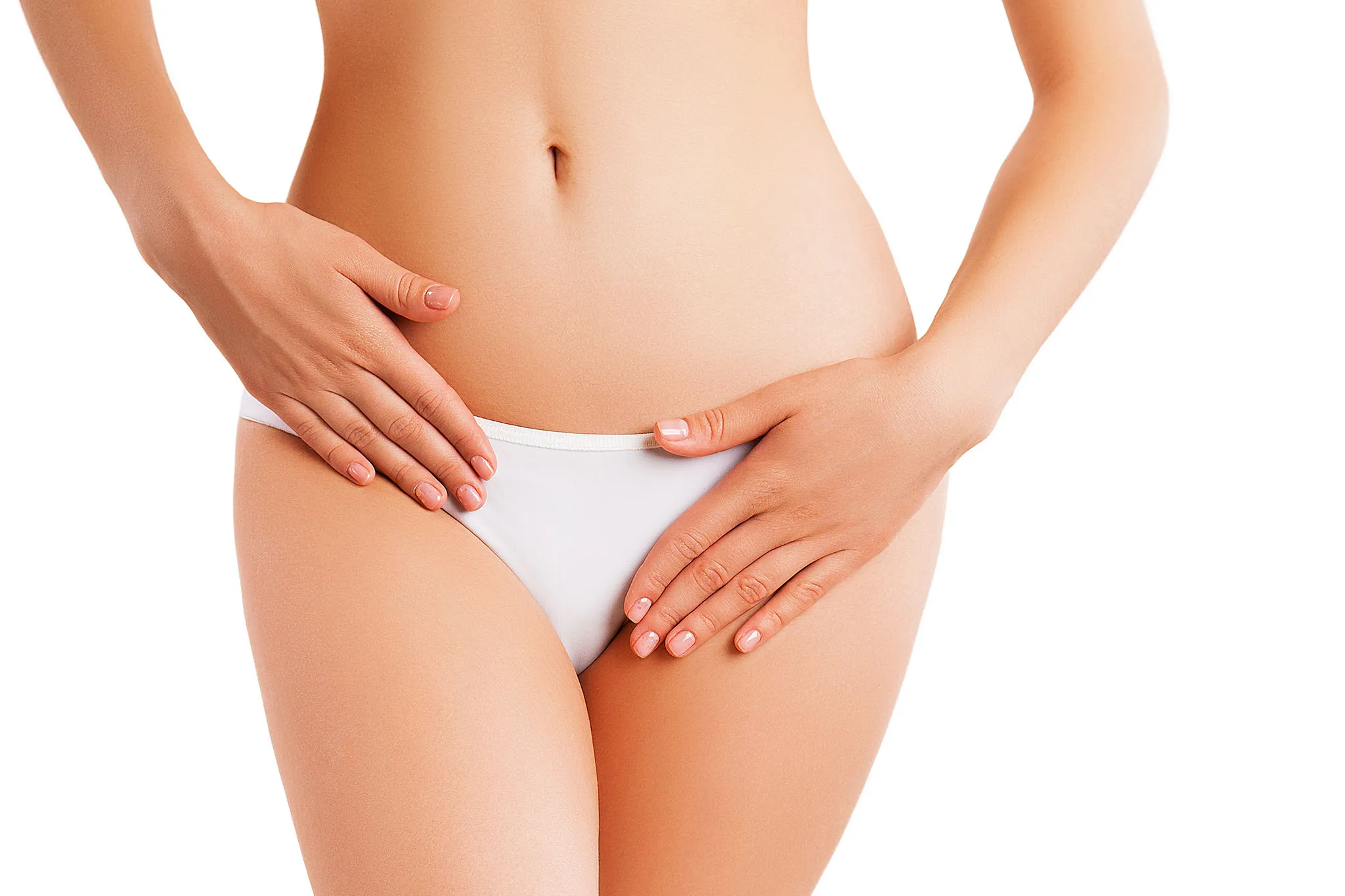
Do your labia minora appear larger than they should?
The intimate area has a significant impact on a woman's self-confidence. Changes such as enlarged labia minora can cause discomfort during physical activities, when wearing certain clothes, or during sex. If you feel your labia minora are larger than they should be, know that this is far more common than you might imagine -- and there is an effective treatment. Labiaplasty (labia reduction) is the plastic surgery procedure for reduction of the labia minora, with a structured recovery and discomfort that is usually manageable with prescribed analgesia. Labiaplasty is among the fastest-growing aesthetic procedures worldwide, according to the ISAPS (International Society of Aesthetic Plastic Surgery) (Triana et al., Aesthet Plast Surg, 2024).
I am a Consultant Plastic Surgeon in Brazil, trained by the late Professor Ivo Pitanguy in Rio de Janeiro, and I am an intimate surgery specialist with more than 8,000 surgeries over two decades (today, by deliberate choice, 3 facelifts per week, ~150 per year). I travelled to the United States to learn the wedge technique personally from its creator, Dr. Gary Alter. This international training allows me to offer the most current approaches, with safe and individualised results. Whether you are a UK resident or an international patient considering medical tourism in Brazil for cosmetic surgery abroad, I can recommend the best approach for your case.
Indication
Patients with excess of one or both labia minora are candidates for labiaplasty, also called labioplasty. The most common concerns include discomfort when walking, engaging in sports, or wearing tight clothing, chronic irritation, pain during sexual activity, and aesthetic dissatisfaction. The excess can be upper, lower, symmetrical, asymmetrical, small, large, involve the clitoral hood (prepuce) -- the skin covering the clitoris -- or not, thin, thick, dark, or pink. There are various variations of the labia minora, and one of them may be bothering you. During the consultation, I assess whether it is a case that can be improved with surgery. The indication takes into account the overall condition of the intimate area and may require concurrent treatment of other aspects, such as excess clitoral hood tissue, excess mucosa in the vaginal fourchette, excess labia majora, excess fat in the mons pubis, among others.
Subscribe to my YouTube channel:
Subscribe on YouTubeI explain about labiaplasty in Brazil
Pre-operative
The consultation
In the consultation for labiaplasty, I listen to your concerns and assess your intimate area. The labia minora are analysed regarding size, colour, thickness, symmetry, and shape. During the physical examination, I also assess the mons pubis, clitoral hood, clitoris, labia majora, and perineum, to outline the most suitable surgical plan for your case. I explain the details of the surgery and the techniques employed, as well as inform you about post-operative care and answer your questions.
Examinations
For your labiaplasty, I usually request the following examinations:
- Complete blood count;
- PT with INR + APTT;
- Urea;
- Creatinine;
- Fasting blood glucose;
- Total proteins and fractions
- Vitamin D
- Vitamin C
- Urinalysis;
- ECG;
- Pre-operative cardiac assessment.
The anaesthesia
I use a labiaplasty technique without infiltration of anaesthetic solution, to avoid distortions that may compromise the final result. For this reason, labiaplasty is performed under general anaesthesia in most cases, or under spinal anaesthesia occasionally. The general anaesthesia I employ is total intravenous anaesthesia (TIVA), where all medication is administered intravenously and only oxygen passes through the tube. At the end of the surgery, the infusion is stopped and the patient wakes within two to three minutes.
The surgery
I perform labiaplasty principally using two techniques: longitudinal resection -- trimming -- or the wedge technique (wedge excision). Both preserve the sensitivity of the labia minora, as the principal innervation (perineal nerve and posterior labial nerve) is respected. The choice depends on the anatomy, concerns, and objectives of each patient.
Longitudinal resection - trimming
This technique consists of removing the excess from top to bottom, aligning the labia minora with the labia majora, finishing with a continuous absorbable suture in the longitudinal direction of the labia minora. The scars remain along the anterior edge of the labia minora. It is one of the oldest techniques and was the first one I used.
Advantages
- Does not interfere with sensitivity;
- Corrects asymmetries;
- The scar is imperceptible when well executed;
- It is quicker, and can be performed in 30 to 40 minutes;
- Removes the dark and thicker part, if that is the patient's wish.
Disadvantages
- Does not reduce the length of the labia minora;
- Some patients wish to preserve the original colour pattern of the labia minora, and this technique does not allow for that;
- Needs to be very well executed by the surgeon, to avoid leaving excess or removing too much.
Wedge resection - wedge excision
The wedge technique was developed in the United States by plastic surgeon and urologist Dr. Gary Alter. It consists of removing a wedge, or "pizza slice", as well as removing tissue more superiorly, laterally to the clitoris. I travelled to the United States to learn this technique directly from Dr. Alter, to execute it perfectly. This is my preferred approach for most labia reduction cases.
Advantages
- Also does not interfere with sensitivity;
- Corrects asymmetries;
- The scar is also imperceptible when well executed;
- Preserves the original colour and shape of the labia minora
- Allows shortening of the labia minora.
Disadvantages
- Does not completely remove the dark and thickened part, if desired;
- Takes longer to execute due to more details and more suture points - about two hours -.
Which technique to use?
Based on your desires and your physical examination, I discuss with you the most suitable technique for your case. In some cases, I may combine elements of both techniques to achieve the best possible result.
Post-operative
Labiaplasty is usually associated with manageable post-operative discomfort rather than severe pain, with a recovery plan that must be followed carefully. I recommend the use of silver sulphadiazine ointment for one week, to prevent infection, as it is a moist area. Other recommendations include one month without physical activity and six weeks without sexual activity. Bleeding is minimal and most patients resume light activities within a few days.
Sutures
The sutures I use in labiaplasty are absorbable. This means there is no need to remove them -- they dissolve naturally over the following weeks, providing greater comfort throughout recovery.
Final result
Initially, the labia minora may be slightly swollen, and will progressively decrease in volume. After one to two months, they will have significantly reduced swelling, but healing will not yet be complete. I consider the final result to be around six months to a year. The scars remain in the natural folds and become practically imperceptible.
Combined intimate surgeries
It is very common to combine other female intimate surgery procedures with labiaplasty. Treatment of the intimate area should be comprehensive, to achieve the most natural balance. As an intimate surgery specialist, I have the knowledge, experience, and skill to offer you a complete and individualised treatment.
The intimate surgeries most commonly performed alongside labiaplasty are:
Clitoral hood reduction
The skin surrounding the clitoris, also referred to as the clitoral hood or prepuce, may be excessive. During the assessment for labiaplasty, it is very important to evaluate this area, as an excess of hooding can make the clitoris overly prominent, making the result of the labiaplasty less aesthetically pleasing. The wedge technique typically includes reduction of the skin along the clitoral hood. For patients undergoing the trimming technique, I assess and remove any excess hood tissue if present. This excess can be removed with longitudinal incisions parallel to the clitoris, as in the wedge technique, or through a crescent-shaped excision just above the clitoris, increasing its exposure, as in male circumcision surgery.
Labia majora reduction
The labia majora are the outer folds of the vulva. Often, the problem of enlarged labia minora is associated with laxity of the labia majora. It is possible to reduce the labia majora in conjunction with labiaplasty, and the resulting scar is imperceptible, sitting in the fold between the labia majora and labia minora on each side. Importantly, as Dr. Christine A. Hamori always reminds, during this combined procedure I first reduce the labia majora, as this usually decreases the projection of the labia minora, making the labiaplasty somewhat more conservative.
Pubic liposuction
Excess fat in the pubic area can be quite bothersome. During the labiaplasty consultation, many patients request mons pubis contouring through pubic liposuction. Through two small incisions concealed by the bikini line, it is possible to effectively remove fat and reduce the volume that previously protruded in swimwear and gym clothing. You may also consider labia majora fat grafting to restore volume to that area.
Non-surgical treatments
There are other treatments for the intimate area that do not involve surgery and can be performed as a complement to labiaplasty. These treatments depend on each case and may involve, for example:
- Laser;
- Lightening creams;
- Dermal filler with hyaluronic acid.
I assess your case and recommend the aesthetic treatment modalities that are necessary.
How much does labiaplasty cost for UK patients?
Labiaplasty costs vary depending on the technique (Wedge or trim), the need for combined procedures (clitoral hood reduction, labia majora reduction, pubic liposuction), and the type of anaesthesia. I provide a personalised estimate during the first consultation, after personally assessing the anatomy, concerns, and most suitable surgical plan.
Labiaplasty on the NHS: Individual Funding Requests
In the United Kingdom, labiaplasty is rarely funded by the NHS. Most NHS Integrated Care Boards (ICBs) classify labiaplasty as a cosmetic procedure and do not routinely commission it. However, if you experience significant functional symptoms -- such as chronic irritation, pain during physical activity, or dyspareunia -- your GP may submit an Individual Funding Request (IFR) to your local ICB. The IFR must demonstrate that your case is clinically exceptional and that the procedure is not being sought primarily for cosmetic reasons.
Relevant diagnostic codes for the IFR include:
- ICD-10 N90.6 -- Hypertrophy of vulva (labial hypertrophy)
- ICD-10 N94.1 -- Dyspareunia (pain during sexual intercourse)
- ICD-10 Q52 -- Congenital anomalies of female genital organs
Private medical insurance providers such as BUPA, AXA Health, and Vitality may cover labiaplasty when there is documented functional indication and prior authorisation from the insurer. Each insurer has its own criteria, and a detailed specialist report is typically required.
Labiaplasty classified as exclusively cosmetic (without functional complaints) is not covered by the NHS or most private insurers.
Non-surgical labiaplasty: plasma jet, Accutite, and non-surgical alternatives
The search for "non-surgical labiaplasty" is common, but the term can be misleading. Several technologies claim to reduce the labia minora without traditional surgical incision:
- Plasma jet (Plasma Pen / Plexr) -- uses electrical discharge to vaporise tissue. In my assessment, the precision is insufficient for labiaplasty: depth control is limited, the risk of irregular burns is real, and published results are inconsistent. I do not perform this procedure.
- Accutite (minimally invasive radiofrequency) -- InMode technology that uses radiofrequency for tissue retraction. It has an indication for mild vulvar rejuvenation, but for significant labial hypertrophy, the effect is insufficient. It may complement surgery in selected cases but cannot replace it.
- CO2 laser -- performs the cut by thermal vaporisation, causing thermal damage to the edges and impairing healing. It does not allow precise execution of the Wedge technique. On the intimate surgery page, I explain in detail why I do not perform laser labiaplasty.
In my experience, surgical labiaplasty -- with scalpel, electrocautery, and refined suturing -- remains the safest, most predictable approach with the best aesthetic outcome. The Wedge technique specifically requires precise tissue handling that no non-surgical technology can replicate.
What do the labia minora look like before and after labiaplasty?
Before surgery, patients with hypertrophy have labia minora that extend beyond the labia majora, with visible excess when wearing swimwear, leggings, or underwear. The most common complaints are discomfort when walking, chronic irritation, pain when cycling, difficulty with hygiene, and self-consciousness during sexual activity. In many cases, there is asymmetry between the two sides and darkening of the edge.
After surgery, the labia minora are proportionate, symmetrical, and comfortably contained within the labia majora. With the Wedge technique, the natural edge is preserved with its original colour and texture. With the trimming technique, the edge is renewed, with a more uniform colour. The result is not immediate: in the first weeks there is oedema that masks the shape; after one to two months, the reduction in swelling reveals approximately 80-90% of the result; between six months and one year, healing is complete and the final result is achieved.
I do not publish before-and-after photographs on this website, as Brazilian medical ethics regulations (CFM Resolution 1,974/2011) restrict the use of patient images -- particularly in the intimate area, where privacy is paramount. During an in-person consultation, I can show photographs of real cases (with express patient consent, in a private setting).
Why do the labia minora become enlarged or darkened?
This is one of the most commonly searched questions -- and the answer is straightforward: normal anatomical variation. The size, colour, and shape of the labia minora vary enormously between women and are determined primarily by genetics, hormones, and natural ageing.
- Genetics -- the primary cause. Just as with the shape of the nose or ears, the labia minora have great individual variation. Hypertrophy may be present from puberty.
- Hormones -- oestrogen and progesterone influence the growth of genital tissues. Puberty, pregnancy, and the menopause are phases of hormonal change that can affect volume and pigmentation.
- Ageing -- over time, the tissues of the intimate area may lose elasticity (laxity) or darken due to natural hyperpigmentation of the genital skin.
- Pregnancy and childbirth -- hormonal and mechanical changes can alter volume and colour.
- Chronic friction -- prolonged use of tight clothing, activities such as cycling and horse riding can contribute to irritation and darkening.
Darkening of the labia minora is physiological and does not indicate a health problem. If the volume or appearance causes functional or aesthetic discomfort, labiaplasty may be indicated -- but the decision is always the patient's, without aesthetic pressure.
Risks and complications of labiaplasty
Labiaplasty is a low-risk surgery, but like any surgical procedure, it has possible complications. In my experience, the rate of relevant complications is very low. The risks described in the literature include:
- Partial suture dehiscence -- opening of some stitches, more common with the Wedge technique (which has greater tension on the suture line). In most cases, this heals spontaneously with local wound care.
- Bleeding -- rare and usually self-limiting. The area is well vascularised but responds well to cauterisation.
- Infection -- rare. Rigorous post-operative hygiene and silver sulphadiazine ointment are preventive measures.
- Residual asymmetry -- may occur if oedema resolves asymmetrically or if there is a difference in healing between the two sides. Usually imperceptible.
- Over- or under-correction -- excessive or insufficient result. Careful assessment during the consultation minimises this risk.
- Altered sensitivity -- transient in most cases, due to oedema affecting the nerves. In my experience, sensitivity returns fully within weeks to months.
Recognising a poorly performed labiaplasty
Signs include: a "cut lip" appearance (straight, artificial edge, typical of excessive trim), obvious asymmetry, retractile scars that distort the anatomy, excessive tissue loss (labia insufficient to protect the vaginal introitus), and chronic pain. Patients dissatisfied with results from other practitioners may seek revision -- each case is assessed individually during a consultation.
Frequently Asked Questions about Labiaplasty
Is labiaplasty painful?
I perform labiaplasty under total intravenous general anaesthesia, so the patient feels absolutely nothing during the procedure. In the post-operative period, in my experience, discomfort is minimal — most of my patients report much less pain than they expected. I prescribe analgesics that effectively manage any discomfort in the first few days.
What is the difference between the wedge technique and the trimming technique?
In my practice, I use both techniques according to each patient's needs. The trimming technique removes excess tissue along the edge of the labia minora, allowing for the elimination of the darkened and thicker part. The wedge technique removes a wedge-shaped section in a "V" shape, preserving the natural edge and original colour. I travelled to the United States to learn the wedge technique directly from its creator, Dr. Gary Alter, and I personally assess which approach will yield the best result for each case.
Does labiaplasty affect the sensitivity of the labia minora?
Labiaplasty is planned to preserve the main innervation of the labia minora — the perineal nerve and the posterior labial nerve. Sensitivity preservation is one of my main concerns during surgical planning, while I also explain that temporary sensory changes can occur after any surgery.
When can I return to normal activities after labiaplasty?
I recommend that my patients resume light activities within a few days. For intense physical activity, I advise waiting a month, and for sexual activity, six weeks. Each case is assessed individually during follow-up consultations.
Does labiaplasty leave a visible scar?
In my experience, the scars are practically imperceptible. In both the trimming and wedge techniques, I position the incisions in the natural folds of the labia minora. With complete healing, around six months to a year, the marks become almost invisible.
Is it possible to combine labiaplasty with other intimate surgeries?
Yes, and this is very common in my practice. I often combine labiaplasty with clitoral hood reduction, labia majora reduction, or pubic liposuction. As an intimate surgery specialist, I assess the entire region to provide a complete and balanced result.
What type of anaesthesia is used in labiaplasty?
I use total intravenous general anaesthesia in most cases. In this technique, all medication is administered via the vein, and only oxygen passes through the tube. At the end of the surgery, the drip is turned off, and the patient wakes up in two to three minutes. Occasionally, I may use spinal anaesthesia. I choose not to infiltrate local anaesthetic solution to avoid distortions that could compromise the result.
Do the stitches from labiaplasty need to be removed?
The stitches used in labiaplasty do not usually need to be removed because I exclusively use absorbable sutures. They dissolve naturally in the weeks following surgery, which gives patients more comfort and avoids a specific appointment just to remove stitches.
How long does it take to see the final result of labiaplasty?
In the first few days, it is normal to experience swelling in the labia minora. In my experience, after one to two months, there is already a significant reduction in swelling, but I consider the final result to be between six months and a year, when healing is fully complete.
Who is a candidate for labiaplasty?
I recommend labiaplasty for patients who have excess skin on one or both labia minora and who experience discomfort when walking, exercising, wearing tight clothing, or who have aesthetic dissatisfaction. During the consultation, I carefully assess the anatomy — size, colour, thickness, symmetry — and discuss expectations to determine if surgery is the best option.
Is it worth travelling to Brazil for labiaplasty?
Travelling from the UK to Brazil for labiaplasty can be appropriate for selected patients who complete an initial assessment and can stay in Londrina for the required early recovery. I welcome patients from the United Kingdom, Europe, and worldwide, offer an online consultation for preliminary assessment, and my team assists with accommodation and logistics. Post-operative follow-up can continue by video call after the early in-person recovery period.
How much does labiaplasty cost?
The cost varies depending on the technique (Wedge or trim), combined procedures (clitoral hood reduction, labia majora reduction, pubic liposuction), and type of anaesthesia. I provide a personalised estimate during the first consultation. NHS funding is rarely available for labiaplasty; an Individual Funding Request (IFR) via your ICB may be considered for functional cases. Private insurers such as BUPA, AXA Health, and Vitality may cover the procedure with documented functional indication.
Does the NHS or private insurance cover labiaplasty?
The NHS rarely funds labiaplasty, as most ICBs classify it as cosmetic. However, if you have significant functional symptoms — chronic irritation, dyspareunia, pain during physical activity — your GP may submit an Individual Funding Request. Relevant ICD-10 codes are N90.6 (vulvar hypertrophy) and N94.1 (dyspareunia). Private insurers such as BUPA, AXA Health, and Vitality may authorise coverage with a detailed specialist report. Labiaplasty that is exclusively cosmetic is not typically covered.
Does non-surgical labiaplasty (plasma jet, Accutite) work?
In my assessment, "non-surgical" technologies such as plasma jet and Accutite do not replace surgical labiaplasty for significant hypertrophy. The precision is insufficient and published results are inconsistent. Surgical labiaplasty — particularly the Wedge technique — offers a safer, more predictable, and aesthetically superior outcome.
Does laser labiaplasty work?
I do not perform laser labiaplasty. The CO2 laser causes thermal damage to the tissue edges, impairs healing, and prevents precise execution of the Wedge technique. In most cases, those offering "laser labiaplasty" are performing a trim with a laser, which removes the entire labial edge and can leave a "cut lip" appearance.
Why do the labia minora become enlarged or darkened?
Normal anatomical variation. Genetics is the primary cause; hormones (puberty, pregnancy, menopause), ageing, and chronic friction (tight clothing, cycling) also play a role. Darkening is physiological and does not indicate a health problem. If the volume or appearance causes discomfort, labiaplasty may be indicated, but the decision is always the patient's.
What are the risks of labiaplasty?
Risks are low: partial suture dehiscence (usually heals on its own), bleeding (rare), infection (rare), residual asymmetry, over- or under-correction, and transient sensitivity changes. The Wedge technique, by preserving the blood supply, carries a lower risk of dehiscence than a complete trim. Correct indication and post-operative care are decisive.
Read also on the Blog
Have your labiaplasty performed by an intimate surgery specialist
Get in touch with my clinic in Brazil, and book your consultation for labia reduction. As an intimate surgery specialist in Brazil, trained at the Ivo Pitanguy Institute and with the wedge technique learned from Dr. Gary Alter in the USA, I deliver excellent results with total respect, discretion, and professionalism. As a board-certified plastic surgeon, I welcome international patients from the United Kingdom and worldwide seeking cosmetic surgery abroad through medical tourism.
Labiaplasty is often combined with labia majora reduction, clitoral hood reduction, and clitoroplasty. Also learn about labia majora fat grafting, mons pubis lift, perineoplasty, vaginoplasty, and hymenoplasty. See information about pricing and online consultation.

Dr. Walter Zamarian Jr.
Consultant Plastic Surgeon in Brazil
Rua Engenheiro Omar Rupp, 186
Londrina, Brazil
ZIP 86015-360
Brazil
YouTube Channel: Dr. Walter Zamarian Jr.
Follow on Instagram: @drwalterzamarianjr
Follow on TikTok: @drwalterzamarianjr
Search on our website:
This page in other languages:
Portuguese (BR) | English (US) | English (UK) | Italian | French | Spanish