rinoplastia Archives - Page 2 of 3 - Dr. Walter Zamarian Jr.

Tag: rinoplastia

  • Non-Surgical Rhinoplasty: Limits and Filler Risks

    Non-Surgical Rhinoplasty: Limits and Filler Risks

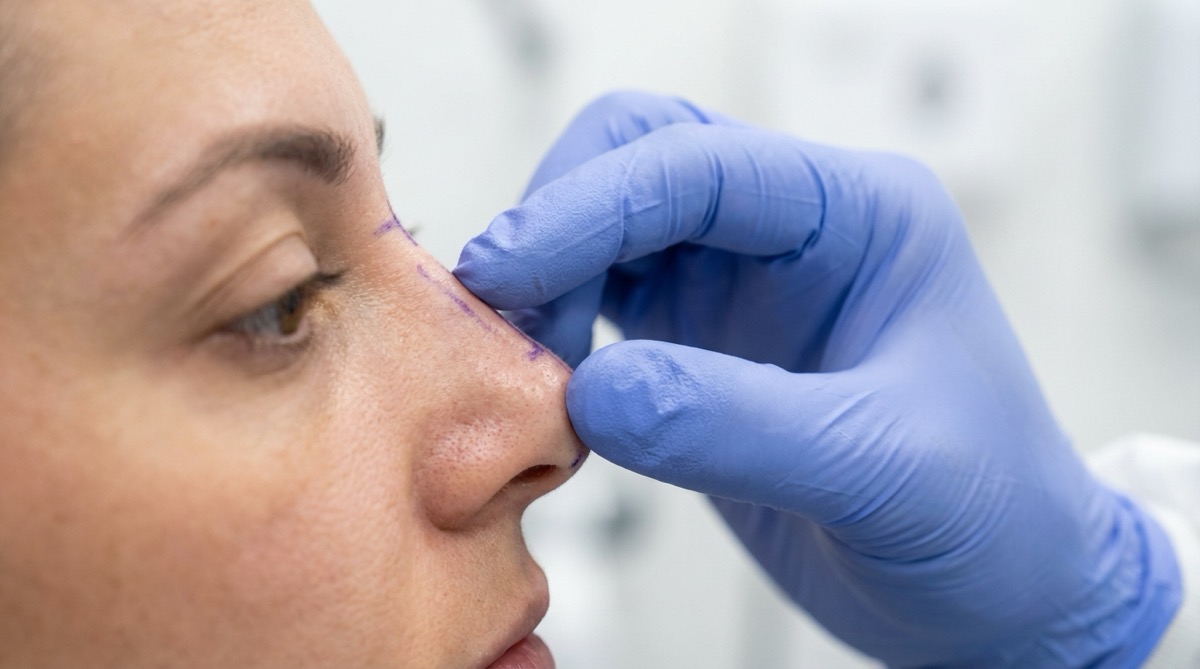
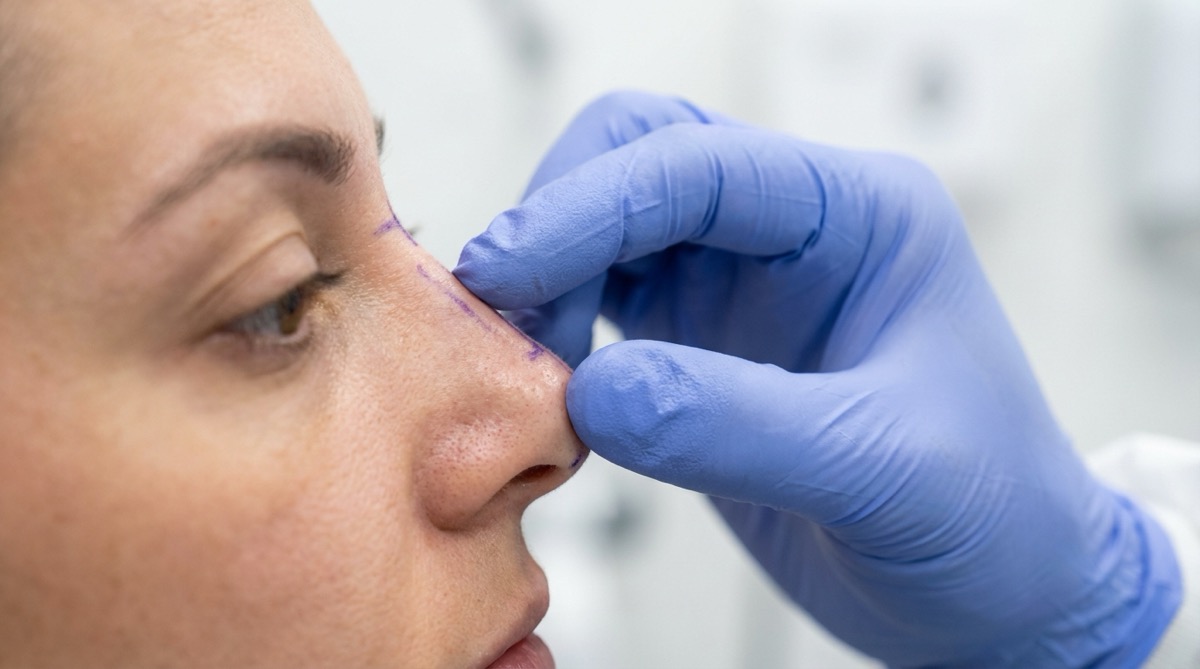
    Non-surgical rhinoplasty can camouflage small contour irregularities by adding filler, but it cannot make the nose smaller, reshape bone or cartilage, correct the septum, or improve nasal breathing. When the goal is reduction, tip refinement, structural support or airway improvement, the discussion usually needs to shift toward structural rhinoplasty or septorhinoplasty.

    The appeal is easy to understand. A “liquid nose job” sounds faster than surgery, and in selected cases a small amount of hyaluronic acid filler can soften a dorsal irregularity or improve a subtle contour. The problem is that marketing often presents nasal filler as a shortcut to rhinoplasty, when anatomically it is a different procedure with different limits and a distinct risk profile.

    Medical review

    Written and reviewed by Dr. Walter Zamarian Jr., plastic surgeon in Londrina, Brazil. CRM-PR 17.388, RQE 15.688, full member of the Brazilian Society of Plastic Surgery (SBCP) and member of the American Society of Plastic Surgeons (ASPS). 20+ years of experience and 8,000+ surgeries performed. Last reviewed: May 24, 2026.

    What non-surgical rhinoplasty can do

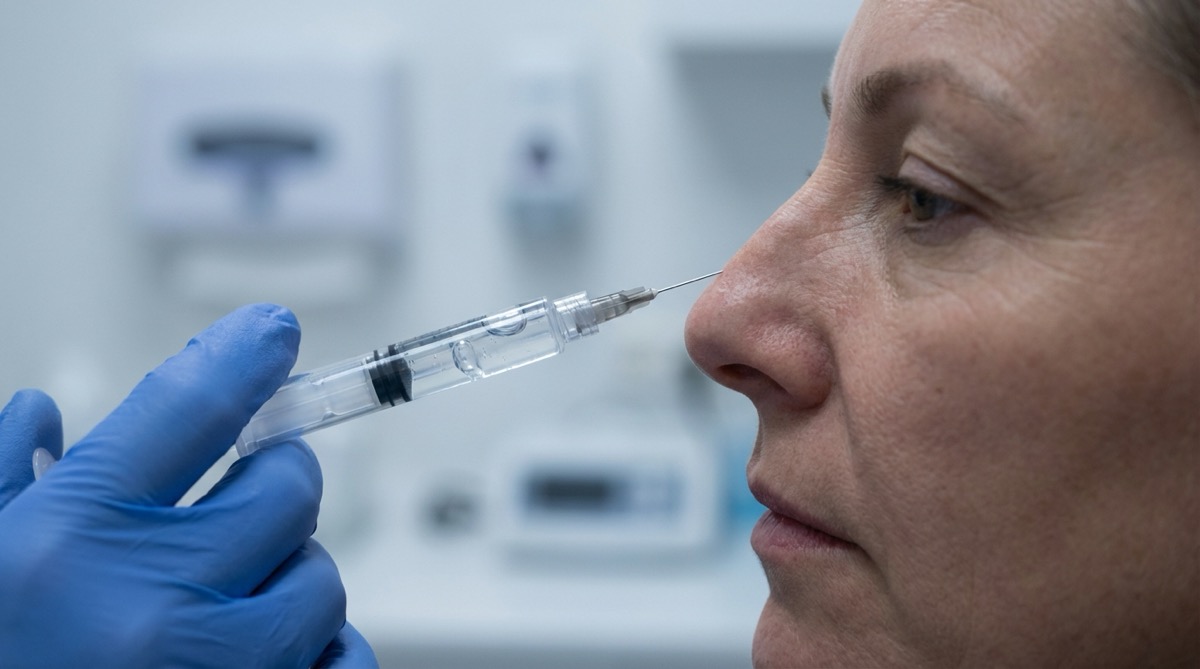
    Non-surgical rhinoplasty uses injectable filler, most often hyaluronic acid, to create optical changes on the outside of the nose. It may be considered for small and specific goals: smoothing a minor dorsal indentation, camouflaging a small bump by filling around it, softening a mild asymmetry or refining a small contour irregularity after previous surgery.

    The key word is small. Filler works by adding volume. In the nose, even a tiny amount can be visible because the anatomy is compact and the skin envelope is tight. That same fact is also why overcorrection, migration or repeated treatment can gradually make the nose look wider or less defined.

    What filler cannot do to the nose

    Nasal filler does not remove tissue. It does not narrow nasal bones, sculpt cartilage, reduce a bulbous tip, correct a deviated septum or open the internal nasal airway. It can create a smoother line in selected patients, but it cannot perform the work of structural rhinoplasty.

    • It cannot make the nose smaller: filler adds volume, even when the profile looks smoother.
    • It cannot refine cartilage structurally: a wide or bulbous tip depends on cartilage, skin thickness and support.
    • It cannot narrow bone: wide nasal bones require surgical assessment and, in selected cases, controlled osteotomies or ultrasonic rhinoplasty.
    • It cannot improve breathing: obstruction from septal deviation, valve collapse or turbinate problems requires functional evaluation and may require septorhinoplasty.
    • It cannot replace revision surgery: some small irregularities can be camouflaged, but significant deformity after prior surgery may require revision rhinoplasty.

    Why the nose is a high-risk filler area

    The nose is a vascular danger zone. Its arteries have connections with vessels that supply the skin, eye and central face. If filler enters or compresses a blood vessel, blood flow can be reduced or blocked. This is called vascular occlusion, and it can evolve quickly.

    Possible complications include severe pain, skin blanching, livedo, blisters, skin necrosis, scarring, infection, nodules, migration, asymmetry and, rarely, visual symptoms, blindness or stroke. These events are uncommon, but they are real and time-sensitive. The fact that hyaluronic acid filler can sometimes be dissolved with hyaluronidase does not make nasal filler a casual procedure.

    Warning signs after nasal filler include increasing pain, white or dusky skin, mottled color change, new blisters, rapidly worsening swelling, fever, pus, eye pain, blurred vision, vision loss, severe headache or neurological symptoms. These symptoms require immediate contact with the treating physician or emergency care.

    Repeated filler can make later rhinoplasty harder

    Another problem is not dramatic in the first hour, but it matters over time. Repeated nasal filler can accumulate, spread, create puffiness, obscure anatomy, trigger inflammation, form nodules or contribute to fibrosis. A nose that started with a small dorsal bump can become wider and less defined after repeated injections.

    If a patient later decides to have surgery, residual filler and scarred tissue planes can make surgical assessment more complex. In many cases, I prefer to dissolve hyaluronic acid filler and allow tissues to settle before planning rhinoplasty. The interval depends on the amount, product, location and tissue response.

    When structural rhinoplasty is the more appropriate discussion

    Surgery becomes the more relevant conversation when the patient wants the nose smaller, the tip more refined, the bridge narrower, the septum corrected, the airway improved or the nose structurally supported. These are not filler goals; they are bone, cartilage, septum and soft-tissue goals.

    Rhinoplasty also has risks and should not be presented as a simple upgrade. Risks include bleeding, infection, anesthesia reaction, septal perforation, persistent or new breathing changes, asymmetry, irregularity, skin suffering or necrosis, altered sensation, visible scarring and possible revision. The advantage is that surgery can address anatomy that filler cannot change, but the decision must be individualized.

    Non-surgical rhinoplasty versus surgical rhinoplasty

    QuestionNasal fillerStructural rhinoplasty
    Can it reduce the nose?No, it adds volumeCan reduce or refine selected structures
    Can it improve breathing?NoCan when functional correction is included
    Can it reshape cartilage?NoYes, when indicated
    Is it temporary?YesMore durable, but still affected by healing and aging
    Can it be reversed?Hyaluronic acid filler may be dissolved in selected casesSurgical revision may be needed for structural changes
    Main risk profileVascular occlusion, necrosis, visual symptoms, nodules, migrationSurgical, anesthetic, respiratory, cicatricial and revision risks

    Frequently asked questions

    Can non-surgical rhinoplasty make my nose smaller?

    No. Non-surgical rhinoplasty cannot make the nose smaller because filler adds volume. It may camouflage a small bump in selected patients, but the total volume of the nose does not decrease.

    Is nasal filler dangerous?

    Nasal filler is a medical procedure in a high-risk vascular area. Severe complications are uncommon, but they can include vascular occlusion, skin necrosis, visual symptoms, blindness, infection and nodules.

    Can filler be dissolved before rhinoplasty?

    Many hyaluronic acid fillers can be treated with hyaluronidase before rhinoplasty, but timing must be individualized. The surgeon needs to know what was injected, where it was placed, when it was done and how the tissue responded.

    Is filler a good test before surgery?

    Filler is not a true preview of surgical rhinoplasty because it adds volume, while surgery can reduce, reshape and support the nose. Imaging and consultation are more useful for discussing surgical possibilities and limits.

    How do I choose safely?

    The safest way to choose is an in-person evaluation of nasal shape, skin thickness, cartilage, septum, breathing, prior fillers, prior surgery and expectations. Photos can start the conversation, but they do not replace examination.

    How I approach this decision

    In consultation, I first separate cosmetic contour from structural anatomy and breathing. If the issue is a small contour depression and the patient understands the temporary nature and vascular risk, filler may be discussed cautiously. If the issue is size, width, tip shape, deviation, previous surgery or airway function, the conversation usually belongs in the rhinoplasty or septorhinoplasty category.

    For more context, read about structural rhinoplasty, facial fillers, septorhinoplasty, ultrasonic rhinoplasty, revision rhinoplasty and facial fat grafting. The right choice is the one that matches anatomy, safety and goals, not the one that sounds fastest online.
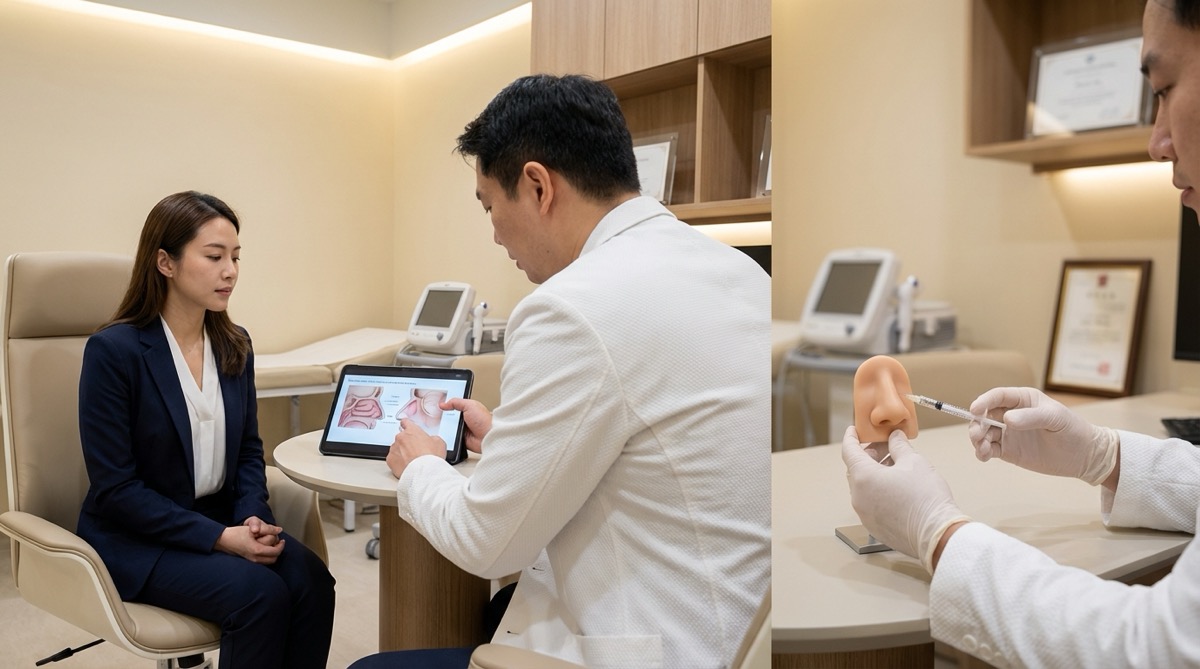
  • Structural Rhinoplasty in Brazil: Safety Guide for International Patients

    Structural Rhinoplasty in Brazil: Safety Guide for International Patients

    Structural rhinoplasty in Brazil can be considered by international patients only when surgeon credentials, hospital safety, anesthesia, travel logistics, postoperative time in Londrina and mandatory in-person evaluation are planned before surgery. A virtual consultation can start the discussion, but it cannot replace examination of the nose, breathing, skin, cartilage and expectations.

    Many patients from outside Brazil contact the clinic because they are looking for experienced rhinoplasty care and a clear plan. The decision should not be based on price or travel appeal. In a YMYL medical context, the important questions are: who is operating, where the surgery takes place, how anesthesia is handled, how long the patient remains nearby, and what happens if recovery does not follow the expected course.

    Medical review

    Written and reviewed by Dr. Walter Zamarian Jr., plastic surgeon in Londrina, Brazil. CRM-PR 17.388, RQE 15.688, full member of the Brazilian Society of Plastic Surgery (SBCP) and member of the American Society of Plastic Surgeons (ASPS). 20+ years of experience and 8,000+ surgeries performed. Last reviewed: May 24, 2026.

    What structural rhinoplasty means

    Structural rhinoplasty is a surgical approach that treats the nose as a framework of bone, cartilage, septum, skin and airway function. Instead of only removing tissue, the operation may use cartilage support, precise reshaping and functional assessment to improve form and, when indicated, breathing.

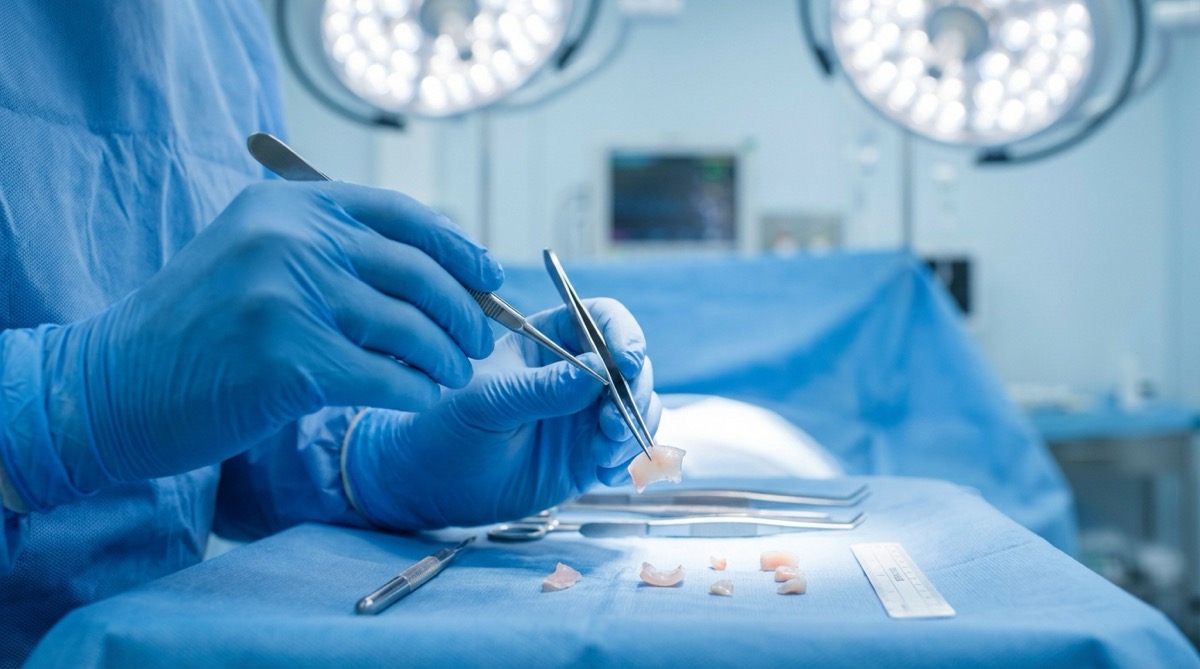
    The plan depends on the patient’s anatomy. Septal cartilage is often the preferred graft source when available. Ear cartilage or rib cartilage may be considered in selected cases, especially revision surgery or noses that need stronger support. Skin thickness, ethnic features, facial proportions, prior trauma, previous surgery and airway symptoms all change the plan.

    Some patients need aesthetic rhinoplasty only. Others need septorhinoplasty because breathing and structure are connected. Some may benefit from ultrasonic rhinoplasty for selected bone work, while revision cases require a different level of planning through revision rhinoplasty.

    How international patients should evaluate safety

    Before traveling for rhinoplasty, international patients should verify medical credentials, board certification, the surgeon’s RQE in plastic surgery, hospital or surgical facility standards, anesthesia team, postoperative availability and emergency plan. In Brazil, RQE and SBCP membership are important trust signals because they show formal specialist registration and plastic surgery training.

    Virtual screening is useful for an initial discussion, but it remains preliminary. Surgery should not be confirmed as final until the in-person consultation in Londrina, where I examine the nose, assess breathing, review photographs, discuss expectations, evaluate medical history and confirm whether the plan remains appropriate.

    Travel planning: what needs to be organized

    International rhinoplasty requires more planning than local surgery. Patients need a valid passport, official visa guidance for their nationality, travel insurance that covers medical contingencies when possible, accommodation close enough for follow-up, a responsible adult for the early recovery period and enough time in Londrina for postoperative checks.

    Visa and entry rules change, so patients should check official Brazilian government or consular sources before buying tickets. Flight timing also matters, because returning too early can make it harder to manage bleeding, swelling, pain, infection, breathing concerns or other unexpected symptoms.

    Remote follow-up after returning home is helpful, but it does not replace urgent local medical care if warning signs occur. Patients should know where they would seek emergency help in their home country if they develop fever, bleeding, chest pain, shortness of breath, calf swelling or sudden breathing problems.

    Recovery timeline for patients traveling to Brazil

    The exact timeline depends on the operation, swelling, skin thickness, bleeding tendency, airway work and whether revision or rib cartilage is involved. Many patients need at least 10 to 14 days in Brazil, but this is individualized. A longer stay may be safer for complex cases.

    • First days: swelling, bruising, nasal congestion, fatigue and limited activity are expected.
    • First week: splint and early postoperative checks are managed in person.
    • Before flying: the nose, bleeding risk, breathing, pain, swelling and general condition must be reviewed.
    • After returning home: remote follow-up can monitor progress, but urgent symptoms require local care.
    • Long term: swelling can continue to refine for months, especially in the nasal tip and thicker skin.

    Risks that must be discussed before surgery

    Rhinoplasty is surgery and carries risk even when performed by an experienced surgeon. Possible complications include bleeding, hematoma, infection, anesthesia reaction, septal perforation, persistent or new breathing obstruction, asymmetry, contour irregularity, skin suffering or necrosis, altered sensation, visible scarring and need for revision surgery.

    Travel adds another layer. Long flights and limited mobility can increase the importance of planning around deep vein thrombosis and pulmonary embolism risk, especially in patients with risk factors. Warning signs such as chest pain, shortness of breath, fainting or calf swelling require urgent evaluation.

    Questions international patients should ask

    Is virtual consultation enough to schedule surgery?

    Virtual consultation is a preliminary screening tool, not a substitute for in-person evaluation. The final indication should be confirmed in Londrina after examination, breathing assessment and medical review.

    How long should I stay in Brazil after rhinoplasty?

    The stay is individualized, but international patients should usually plan enough time for early in-person follow-up before flying. Complex cases, revision surgery or airway work may require a longer stay.

    Can rhinoplasty improve breathing?

    Rhinoplasty can improve breathing when the plan includes functional correction of septal deviation, valve collapse or other airway problems. When breathing is a concern, the discussion should include septorhinoplasty rather than cosmetic change alone.

    Is Brazil the right place for every patient?

    No. Traveling for surgery is not appropriate for every patient. Medical history, recovery support, ability to stay in Brazil, language, travel risk, expectations and access to urgent care after returning home all matter.

    What should I verify before choosing a surgeon?

    Verify specialist registration, RQE, plastic surgery training, hospital or facility standards, anesthesia support, postoperative follow-up and whether the surgeon gives a balanced explanation of risks, limits and alternatives.

    How I plan rhinoplasty for international patients

    My process begins with a careful review of photographs, concerns, breathing symptoms, prior procedures and medical history. If the case appears appropriate for travel, the plan remains conditional until in-person consultation confirms anatomy and safety. I also discuss whether ethnic rhinoplasty, ultrasonic bone work, septorhinoplasty or revision strategies are relevant.

    For related information, read about structural rhinoplasty, ultrasonic rhinoplasty, septorhinoplasty, revision rhinoplasty, ethnic rhinoplasty or start with the international patient contact page. A safe trip for surgery is built on planning, not urgency.

  • Non-Surgical vs Surgical Rhinoplasty: Limits, Risks and Choices

    Non-Surgical vs Surgical Rhinoplasty: Limits, Risks and Choices

    Non-surgical rhinoplasty can camouflage selected minor nasal contour issues by adding filler, while surgical rhinoplasty is required when the goal is reduction, cartilage or bone reshaping, septal correction, valve support or breathing improvement. The safer choice depends on anatomy, goals, medical history, prior filler, airway function and tolerance for recovery.

    Many patients ask whether a nose can be improved without surgery. The honest answer is sometimes yes, but only within narrow limits. A filler can add volume to disguise a small irregularity; it cannot make a large nose smaller, narrow a wide tip, remove bone, rebuild cartilage or correct a deviated septum.

    Medical review

    Written and reviewed by Dr. Walter Zamarian Jr., plastic surgeon in Londrina, Brazil. CRM-PR 17.388, RQE 15.688, full member of the Brazilian Society of Plastic Surgery (SBCP) and member of the American Society of Plastic Surgeons (ASPS). 20+ years of experience and 8,000+ surgeries performed. Last reviewed: May 24, 2026.

    What non-surgical rhinoplasty can do

    Non-surgical rhinoplasty, also called a liquid rhinoplasty or nasal filler treatment, usually uses hyaluronic acid filler to change the way light reflects on the nose. It can soften a small depression, camouflage a mild dorsal irregularity, improve selected asymmetries or create the impression of a smoother profile.

    The key limitation is that filler adds volume. It does not remove a hump, reduce size, refine cartilage, narrow thick skin, support weak nasal valves or improve breathing. If the nose already feels too large, adding filler may make the face look less balanced even if the profile line appears smoother.

    For a deeper discussion of filler limits and complications, see the related guide on non-surgical rhinoplasty limits and filler risks.

    What surgical rhinoplasty can do

    Surgical rhinoplasty changes nasal structure. Depending on the case, it can refine the tip, adjust the bridge, reduce or support the dorsum, straighten selected deformities, use cartilage grafts, improve nasal valve support and address breathing problems when combined with septal or functional work.

    In my practice, I think structurally: the nose must look balanced and remain supported over time. In selected patients, planning may include ultrasonic rhinoplasty, septorhinoplasty or, when prior surgery has already altered the anatomy, revision rhinoplasty.

    Surgery can be long-lasting, but it should not be described as a fixed or guaranteed result. Healing, scar behavior, skin thickness, cartilage memory, trauma, aging and individual anatomy all influence the final outcome.

    Practical comparison

    FactorNon-surgical rhinoplastySurgical rhinoplasty
    Main mechanismAdds filler to camouflage selected contour issuesChanges cartilage, bone, septum, support and shape
    Can reduce nose size?NoYes, in selected anatomical patterns
    Can improve breathing?NoSometimes, when functional anatomy is addressed
    Best useSmall camouflage, mild asymmetry, selected refinementStructural change, reduction, tip work, septum/valve support
    RecoveryUsually shorter, but swelling/bruising can occurLonger recovery with swelling that evolves over months
    ReversibilityMany hyaluronic acid fillers can be treated with hyaluronidaseCorrection requires healing time and, sometimes, revision surgery
    Main risksVascular occlusion, necrosis, visual symptoms, nodules, migrationAnesthesia, bleeding, infection, breathing change, asymmetry, revision

    When filler may be reasonable

    Nasal filler may be reasonable when the concern is small, cosmetic and caused by a contour depression that can be safely camouflaged. It may also help selected patients who want a temporary change, or selected post-rhinoplasty patients who need a minor contour refinement and are not candidates for revision surgery at that time.

    The indication must be conservative. The nose is a high-risk injection area because its blood supply connects with vessels around the eye. The person injecting must understand nasal vascular anatomy, have an emergency plan, and have hyaluronidase immediately available when hyaluronic acid filler is used.

    When surgery is usually the more honest discussion

    Surgery becomes the more honest discussion when the patient wants a smaller nose, a more defined tip, correction of a significant hump, better symmetry after trauma, correction of a deviated septum, improvement in nasal valve support or a plan that addresses both appearance and breathing.

    Repeated filler can delay the right decision and may distort tissue planes. If filler has been placed many times, I evaluate whether it should be dissolved before surgery, whether it has caused fibrosis or irregularity, and whether the surgical plan needs to be adjusted.

    Filler risks patients should understand

    Dermal filler is a medical procedure. The most serious complication is vascular occlusion, when filler enters or compresses a blood vessel. This can reduce blood flow and cause severe pain, skin blanching, mottled color change, blisters, skin necrosis, scarring and, rarely, visual symptoms, blindness or stroke.

    Other possible filler complications include bruising, swelling, infection, nodules, Tyndall effect, migration, delayed inflammatory reaction, asymmetry and dissatisfaction with shape. The fact that hyaluronic acid can often be dissolved does not make the procedure casual or without risk.

    Surgical rhinoplasty risks patients should understand

    Rhinoplasty is surgery. Possible risks include anesthesia-related problems, bleeding, infection, poor wound healing, scarring, prolonged swelling, numbness, skin suffering or necrosis, septal perforation, breathing changes, asymmetry, contour irregularity, dissatisfaction with appearance and the possibility of revision surgery.

    Risk reduction starts before the operating room: correct indication, medical history review, smoking and nicotine avoidance, realistic expectations, careful photography, functional nasal assessment and a clear discussion of what surgery can and cannot change.

    Warning signs after filler or surgery

    After nasal filler, urgent warning signs include severe or increasing pain, white or mottled skin, new blisters, darkening skin, eye pain, blurred vision, loss of vision or neurological symptoms. After rhinoplasty, warning signs include fever, pus, rapidly worsening swelling, heavy bleeding, chest pain, shortness of breath, calf swelling or severe uncontrolled pain. These symptoms require immediate contact with the treating physician or emergency care.

    Frequently asked questions

    Can nose filler replace rhinoplasty?

    Nose filler cannot replace rhinoplasty when the goal is reduction, tip refinement, cartilage reshaping, septal correction or breathing improvement. It can only camouflage selected minor contour issues by adding volume.

    Is non-surgical rhinoplasty safer because it avoids surgery?

    Non-surgical rhinoplasty avoids surgical recovery, but it is not automatically safer. Nasal filler carries rare but serious vascular risks, including skin necrosis, visual symptoms, blindness or stroke.

    Can filler make future rhinoplasty harder?

    Filler can make future rhinoplasty more complex when it leaves residual product, inflammation, fibrosis or distorted planes. A surgeon may recommend waiting, dissolving hyaluronic acid filler or adjusting the surgical plan.

    How do I choose between filler and surgery?

    The choice depends on what bothers you anatomically. If the issue is minor camouflage, filler may fit; if the issue is size, cartilage, bone, septum, nasal valves or breathing, surgical rhinoplasty is usually the more appropriate conversation.

    How I approach the decision in consultation

    During consultation in Londrina, I examine the nose from the front, profile, base and functional perspective. I look at skin thickness, tip support, dorsum, septum, nasal valves, prior filler, prior surgery, breathing symptoms and facial proportions. The aim is not to push a procedure, but to match the treatment to the anatomy.

    For related reading, see the pages on rhinoplasty, ultrasonic rhinoplasty, septorhinoplasty, revision rhinoplasty and facial fillers, as well as the safety guide for structural rhinoplasty in Brazil for international patients.

  • Revision Rhinoplasty: When a Second Nose Surgery Makes Sense

    Revision Rhinoplasty: When a Second Nose Surgery Makes Sense

    Revision rhinoplasty is considered after the nose has healed when persistent breathing problems, structural collapse, significant asymmetry or a clearly correctable contour problem remains; many patients should wait 12 to 18 months before deciding. A second nose surgery can help selected patients, but not every dissatisfaction should be treated with another operation.

    Patients often seek revision because they still cannot breathe well, the nose looks over-operated, the tip lost support, the bridge became irregular, or the result does not match what they expected. The first step is not to schedule surgery. The first step is to understand whether there is an objective, correctable problem and whether the tissues are ready for another operation.

    Medical review

    Written and reviewed by Dr. Walter Zamarian Jr., plastic surgeon in Londrina, Brazil. CRM-PR 17.388, RQE 15.688, full member of the Brazilian Society of Plastic Surgery (SBCP) and member of the American Society of Plastic Surgeons (ASPS). 20+ years of experience and 8,000+ surgeries performed. Last reviewed: May 24, 2026.

    What is revision rhinoplasty?

    Revision rhinoplasty, also called secondary rhinoplasty, is nasal surgery performed after a previous rhinoplasty. It may be aesthetic, functional or both. Some cases involve a small contour issue; others require reconstruction of support that was weakened, removed or distorted during the first procedure.

    The operation is different from a primary rhinoplasty because the surgeon is working in tissue that has already healed with scars. Normal planes may be altered, cartilage may be missing, the septum may already have been used, and skin may be less forgiving. This is why planning is more important than speed.

    When a second surgery may be appropriate

    Revision may be appropriate when a patient has a problem that is visible, functional, stable and likely to improve with surgery. Examples include persistent nasal obstruction, nasal valve collapse, residual or recurrent septal deviation, a crooked nose, an irregular dorsum, tip collapse, alar retraction, nostril asymmetry, inverted-V deformity or structural weakness that continues to worsen over time.

    Aesthetic dissatisfaction alone is not enough. I need to determine whether the concern is surgically correctable, whether the expected improvement is meaningful, and whether the risk of another operation is justified. Sometimes the safest recommendation is to wait, treat the airway medically, dissolve residual filler, or not operate.

    When it is too early to revise

    In most patients, I prefer waiting 12 to 18 months after the previous rhinoplasty before deciding on revision. Swelling can last a long time, especially in the nasal tip, thick skin, revision cases and patients who had extensive structural work. A concern that looks important at month four may become much less relevant by month twelve.

    Earlier evaluation is important when there is infection, severe obstruction, trauma, progressive collapse, exposed graft, skin suffering or a rapidly worsening deformity. Evaluation does not always mean immediate surgery; it means the problem should be assessed promptly and followed closely.

    Why revision rhinoplasty is more complex

    Scar tissue changes the anatomy

    Every rhinoplasty creates scar tissue. In revision, the tissue planes are less distinct, bleeding can be less predictable and the skin envelope may not redrape as easily. This can limit how much refinement is possible.

    Cartilage may be missing or weakened

    Primary rhinoplasty sometimes removes or weakens cartilage. If support is insufficient, revision is not only about contour; it may require rebuilding the framework of the nose. This is especially important when breathing is affected or when the tip, middle vault or nostril rims have lost support.

    Expectations must be narrower

    A revision plan must respect what the previous surgery left behind. The goal may be improvement in breathing, better support, a smoother bridge or a more balanced shape, not a perfect or completely new nose. Clear limits protect the patient from unnecessary surgery.

    Cartilage graft options

    Revision rhinoplasty often requires grafting. The best graft source depends on how much cartilage is needed, what remains from the septum, whether the ear is suitable and whether a stronger graft is required.

    • Septal cartilage: useful when enough remains, but it may have been removed or altered during the first operation.
    • Ear cartilage: useful for selected contour and rim support, but it is curved and limited in quantity.
    • Rib cartilage: useful for major reconstruction, severe support loss or multiple previous surgeries, but it adds donor-site pain, scar, possible warping, possible visibility/palpability and rare chest-wall complications.

    Rib cartilage can be a valuable tool, but it should not be presented as simple or automatically necessary. The indication must be individualized. When the airway and structure need major support, rib cartilage may be the safest source of enough material; in smaller revisions, septal or ear cartilage may be enough.

    Functional revision: breathing matters

    A revision consultation must evaluate breathing, not only appearance. Persistent obstruction can be related to residual septal deviation, nasal valve collapse, turbinate issues, synechiae, scarring or loss of structural support. In selected patients, revision may overlap with septorhinoplasty because form and function are connected.

    When bone work is needed, ultrasonic rhinoplasty can be considered in selected cases, but technology is not the plan. The plan is anatomical: identify the cause, rebuild support when needed and avoid weakening the nose further.

    Recovery after revision rhinoplasty

    Recovery after revision can resemble primary rhinoplasty, but swelling often lasts longer. The tip may take many months to refine, and scarred tissues can feel firmer during healing. If rib cartilage is harvested, the chest donor site also needs recovery time and pain control.

    Patients should expect staged healing rather than an early final answer. The first weeks are about splint care, bruising and swelling. The following months are about gradual definition. The final judgment may require 12 to 18 months, especially in thick skin or complex revisions.

    Risks and red flags

    Revision rhinoplasty carries the risks of rhinoplasty plus the added complexity of previous surgery. Possible risks include anesthesia-related problems, bleeding, infection, poor healing, scarring, prolonged swelling, numbness, skin suffering or necrosis, septal perforation, breathing changes, asymmetry, contour irregularity, graft warping, graft visibility or palpability, donor-site pain or scar, dissatisfaction and the possibility of further surgery.

    Urgent red flags include fever, pus, rapidly worsening swelling, heavy bleeding, severe uncontrolled pain, worsening obstruction, skin color change, chest pain, shortness of breath or calf swelling. These signs require immediate contact with the treating surgeon or emergency care.

    Expectations and emotional readiness

    Revision rhinoplasty is emotionally charged. Patients may feel disappointed, anxious or distrustful after the first operation. Those feelings are understandable, but they must be separated from surgical decision-making. If distress is disproportionate to objective findings, if the concern keeps changing, or if the goal is a perfectly symmetrical nose, surgery may not be the right next step.

    My role is to explain what can realistically improve, what probably cannot, and what could become worse. A responsible consultation sometimes ends with a plan to wait, observe and photograph rather than operate immediately.

    Frequently asked questions

    How long should I wait before revision rhinoplasty?

    Most patients should wait 12 to 18 months before deciding on revision rhinoplasty, because swelling and scar maturation can change the apparent result. Earlier evaluation is appropriate for severe obstruction, infection, trauma, skin problems or progressive collapse.

    Is revision rhinoplasty riskier than primary rhinoplasty?

    Revision rhinoplasty is usually more complex because scar tissue, altered anatomy and missing cartilage reduce predictability. It can still be appropriate, but the risk-benefit discussion must be stricter than in a first rhinoplasty.

    Will I need rib cartilage?

    Rib cartilage is not needed in every revision rhinoplasty. It is considered when septal or ear cartilage is insufficient and the nose needs stronger structural support, especially after major collapse or multiple previous surgeries.

    Can revision rhinoplasty improve breathing?

    Revision rhinoplasty can improve breathing in selected patients when obstruction is caused by correctable structural problems such as septal deviation, nasal valve collapse, synechiae or loss of support. It cannot guarantee normal breathing in every case.

    How I evaluate revision candidates

    During consultation, I review the patient’s timeline, photographs, prior operative information when available, breathing symptoms, skin thickness, cartilage support, nostril shape, dorsum, tip, septum and expectations. For international patients, an online consultation may help with preliminary planning, but an in-person examination in Londrina is necessary before surgery.

    For related reading, see the pages on revision rhinoplasty, structural rhinoplasty, septorhinoplasty, ultrasonic rhinoplasty and ethnic rhinoplasty, plus the blog guides on surgical vs non-surgical rhinoplasty and structural rhinoplasty in Brazil for international patients.

  • Rinoplastia de Revisão: quando uma segunda cirurgia faz sentido

    Rinoplastia de Revisão: quando uma segunda cirurgia faz sentido

    A rinoplastia de revisão pode ser considerada depois que o nariz cicatrizou adequadamente, geralmente após 12 a 18 meses, quando permanecem dificuldade respiratória, colapso estrutural, assimetria relevante ou uma alteração de contorno claramente corrigível. Uma segunda cirurgia nasal pode ajudar pacientes selecionados, mas nem toda insatisfação depois de uma rinoplastia deve ser tratada com nova operação.

    O primeiro passo não é decidir pela cirurgia. O primeiro passo é entender se existe um problema objetivo, se ele é corrigível, se os tecidos já amadureceram e se o risco de operar novamente é justificado. Em alguns casos, a melhor conduta é observar por mais tempo; em outros, investigar a respiração, revisar exames ou planejar reconstrução estrutural.

    Revisão médica

    Texto escrito e revisado pelo Dr. Walter Zamarian Jr., cirurgião plástico em Londrina. CRM-PR 17.388, RQE 15.688, membro titular da Sociedade Brasileira de Cirurgia Plástica (SBCP) e membro da American Society of Plastic Surgeons (ASPS). Mais de 20 anos de experiência e mais de 8.000 cirurgias realizadas. Última revisão: 24 de maio de 2026.

    O que é rinoplastia de revisão?

    A rinoplastia de revisão, também chamada de rinoplastia secundária, é uma cirurgia nasal realizada depois de uma rinoplastia prévia. Ela pode ter objetivo funcional, estético ou ambos. Em alguns pacientes, a revisão corrige uma irregularidade pequena; em outros, exige reconstrução de suporte nasal que foi enfraquecido, removido ou distorcido na primeira cirurgia.

    Ela é diferente de uma primeira rinoplastia porque o cirurgião encontra tecidos já cicatrizados. Os planos anatômicos podem estar alterados, a cartilagem septal pode já ter sido usada, a pele pode estar menos complacente e a resposta ao inchaço pode ser mais lenta. Por isso, a revisão exige mais diagnóstico, mais planejamento e uma conversa mais rigorosa sobre limites.

    Quando uma segunda cirurgia pode fazer sentido

    A revisão pode ser apropriada quando existe um problema visível, funcional, estável e com boa chance de melhora cirúrgica. Exemplos incluem obstrução nasal persistente, colapso da válvula nasal, desvio septal residual ou recorrente, nariz torto, dorso irregular, perda de suporte da ponta, retração alar, assimetria das narinas, deformidade em V invertido ou enfraquecimento estrutural progressivo.

    A insatisfação estética isolada não é suficiente. É preciso diferenciar um problema real de cicatrização ainda em evolução, expectativa desalinhada, alteração pequena demais para justificar o risco ou quadro emocional que pode piorar com novas cirurgias. Operar um nariz que não precisa de revisão pode causar mais dano do que benefício.

    Quando ainda é cedo para revisar

    Na maioria dos pacientes, prefiro aguardar 12 a 18 meses após a rinoplastia anterior antes de indicar uma revisão. O inchaço pode durar muito tempo, principalmente na ponta nasal, em peles espessas, em casos de cirurgia extensa e em pacientes que já foram operados. Uma irregularidade que incomoda no quarto mês pode se tornar menos relevante depois de um ano.

    Existem exceções. Avaliação precoce é importante quando há infecção, obstrução respiratória intensa, trauma, colapso progressivo, exposição de enxerto, sofrimento de pele ou deformidade que piora rapidamente. Avaliar cedo não significa operar cedo; significa acompanhar o problema com segurança e decidir no momento certo.

    Por que a rinoplastia de revisão é mais complexa?

    Cicatriz interna muda os planos anatômicos

    Toda rinoplastia gera cicatriz. Na revisão, a fibrose pode tornar os tecidos mais rígidos, menos previsíveis e com planos de dissecção menos nítidos. Isso pode limitar a quantidade de refinamento possível e aumentar a importância de preservar a vascularização da pele.

    Cartilagem pode estar ausente ou enfraquecida

    Algumas rinoplastias primárias removem ou enfraquecem cartilagem. Quando o suporte é insuficiente, a revisão não é apenas uma cirurgia de contorno; ela pode exigir reconstrução da estrutura nasal. Isso é especialmente importante quando há dificuldade para respirar ou perda de sustentação da ponta, do dorso médio ou das bordas das narinas.

    As expectativas precisam ser mais estreitas

    A cirurgia anterior deixa limites reais. Em uma revisão, o objetivo pode ser melhorar a respiração, reconstruir suporte, suavizar uma irregularidade ou devolver proporção ao nariz, mas não criar um nariz perfeito ou completamente novo. Expectativa realista é parte da indicação médica.

    Como avalio função respiratória e estética

    A consulta precisa avaliar aparência e respiração. A obstrução nasal pode estar relacionada a desvio de septo residual, colapso da válvula nasal, alterações dos cornetos, sinéquias, cicatrizes internas ou perda de suporte estrutural. Em alguns casos, a revisão se aproxima de uma rinosseptoplastia, porque forma e função estão conectadas.

    Quando o problema envolve osso nasal, a rinoplastia ultrassônica pode ser considerada em pacientes selecionados. Ainda assim, tecnologia não substitui diagnóstico. A pergunta principal é anatômica: qual estrutura falhou, o que precisa ser preservado e o que precisa ser reconstruído?

    Enxertos na rinoplastia de revisão

    A revisão frequentemente exige enxertos de cartilagem. A escolha depende do que sobrou do septo, da quantidade de suporte necessária, do formato desejado e da presença de cirurgias anteriores.

    • Cartilagem septal: é útil quando ainda existe material suficiente, mas muitas vezes já foi usada na primeira cirurgia.
    • Cartilagem de orelha: pode ajudar em refinamentos e suporte de borda alar, mas tem quantidade limitada e curvatura própria.
    • Cartilagem de costela: pode ser indicada em reconstruções maiores, colapso importante ou múltiplas cirurgias prévias, mas acrescenta dor e cicatriz em área doadora, além de risco de empenamento, irregularidade, visibilidade, palpabilidade ou necessidade de nova correção.

    O enxerto de costela é uma ferramenta valiosa, mas não deve ser banalizado. Ele pode oferecer material abundante e firme para reconstrução, especialmente quando falta suporte nasal. Ao mesmo tempo, exige indicação precisa, técnica cuidadosa e explicação clara dos riscos.

    Recuperação depois de uma rinoplastia de revisão

    A recuperação pode lembrar a primeira rinoplastia, mas o inchaço costuma ser mais prolongado. A ponta nasal é a região que mais demora para definir, e tecidos já operados podem ficar endurecidos durante a cicatrização. Se houver retirada de cartilagem costal, a região torácica também precisa de cuidado e controle de dor.

    Nas primeiras semanas, o foco é cuidar da tala, controlar edema e evitar trauma. Nos meses seguintes, a definição aparece gradualmente. Em revisões, o julgamento final pode exigir 12 a 18 meses, principalmente em peles espessas ou casos reconstrutivos.

    Riscos e sinais de alerta

    A rinoplastia de revisão tem os riscos de uma rinoplastia somados à complexidade de operar tecidos já modificados. Podem ocorrer problemas anestésicos, sangramento, infecção, má cicatrização, cicatrizes, edema prolongado, dormência, sofrimento de pele, perfuração septal, alterações respiratórias, assimetrias, irregularidades de contorno, empenamento de enxerto, enxerto visível ou palpável, dor ou cicatriz em área doadora, insatisfação e necessidade de nova cirurgia.

    Febre, secreção purulenta, inchaço que piora rapidamente, sangramento intenso, dor fora do esperado, piora respiratória, mudança de cor da pele, dor no peito, falta de ar ou inchaço em panturrilha exigem contato imediato com a equipe cirúrgica ou atendimento de urgência.

    Expectativa e preparo emocional

    A revisão nasal tem uma carga emocional importante. Muitos pacientes chegam frustrados, inseguros ou com medo de repetir uma experiência ruim. Isso precisa ser acolhido, mas também separado da decisão cirúrgica. Se o incômodo muda a cada consulta, se a expectativa é simetria perfeita ou se o sofrimento é desproporcional ao achado físico, a cirurgia pode não ser o melhor próximo passo.

    Uma indicação responsável pode terminar com cirurgia, mas também pode terminar com observação, documentação fotográfica, investigação respiratória ou orientação para esperar mais tempo. O objetivo é proteger o paciente, não acelerar uma nova operação.

    Perguntas frequentes

    Quanto tempo devo esperar para fazer rinoplastia de revisão?

    A maioria dos pacientes deve esperar 12 a 18 meses antes de decidir por uma rinoplastia de revisão, porque o edema e a cicatriz podem mudar bastante o resultado aparente. Avaliação mais precoce é indicada em caso de obstrução importante, infecção, trauma, sofrimento de pele ou colapso progressivo.

    A rinoplastia de revisão é mais arriscada que a primeira?

    A rinoplastia de revisão costuma ser mais complexa porque cicatrizes, anatomia alterada e cartilagem ausente reduzem a previsibilidade. Ela pode ser indicada, mas a discussão de risco, benefício e limite precisa ser mais rigorosa do que em uma primeira cirurgia.

    Vou precisar de cartilagem da costela?

    Nem toda rinoplastia de revisão precisa de cartilagem costal. Ela é considerada quando a cartilagem do septo ou da orelha é insuficiente e o nariz precisa de suporte estrutural mais forte, especialmente após colapso importante ou múltiplas cirurgias prévias.

    A revisão pode melhorar a respiração?

    A rinoplastia de revisão pode melhorar a respiração em pacientes selecionados quando a obstrução é causada por alterações corrigíveis, como desvio septal, colapso de válvula nasal, sinéquias ou perda de suporte. Ela não garante respiração normal em todos os casos.

    O convênio cobre rinoplastia de revisão?

    A cobertura de uma cirurgia nasal depende do contrato, da indicação clínica, da documentação funcional e da análise do plano de saúde. Quando existe componente respiratório, a avaliação deve ser individualizada e documentada; a parte estética, em geral, não deve ser assumida como coberta.

    Como é a avaliação em Londrina

    Na consulta, analiso a história da cirurgia anterior, fotografias, sintomas respiratórios, espessura da pele, suporte cartilaginoso, septo, válvula nasal, ponta, dorso, narinas e expectativas. Quando disponível, o relatório operatório prévio ajuda, mas o exame físico continua sendo decisivo.

    Para aprofundar, leia também as páginas sobre rinoplastia secundária, rinoplastia estrutural, rinosseptoplastia e rinoplastia ultrassônica, além dos guias do blog sobre rinoplastia ou preenchimento nasal e rinoplastia estrutural versus preservação.

    Se você considera uma rinoplastia de revisão, procure uma avaliação criteriosa antes de decidir. A consulta deve esclarecer o que é corrigível, o que precisa de tempo, quais enxertos podem ser necessários e quais riscos fazem parte do seu caso.