Categoria: Sem categoria

  • Facelift or Fillers? How to Choose

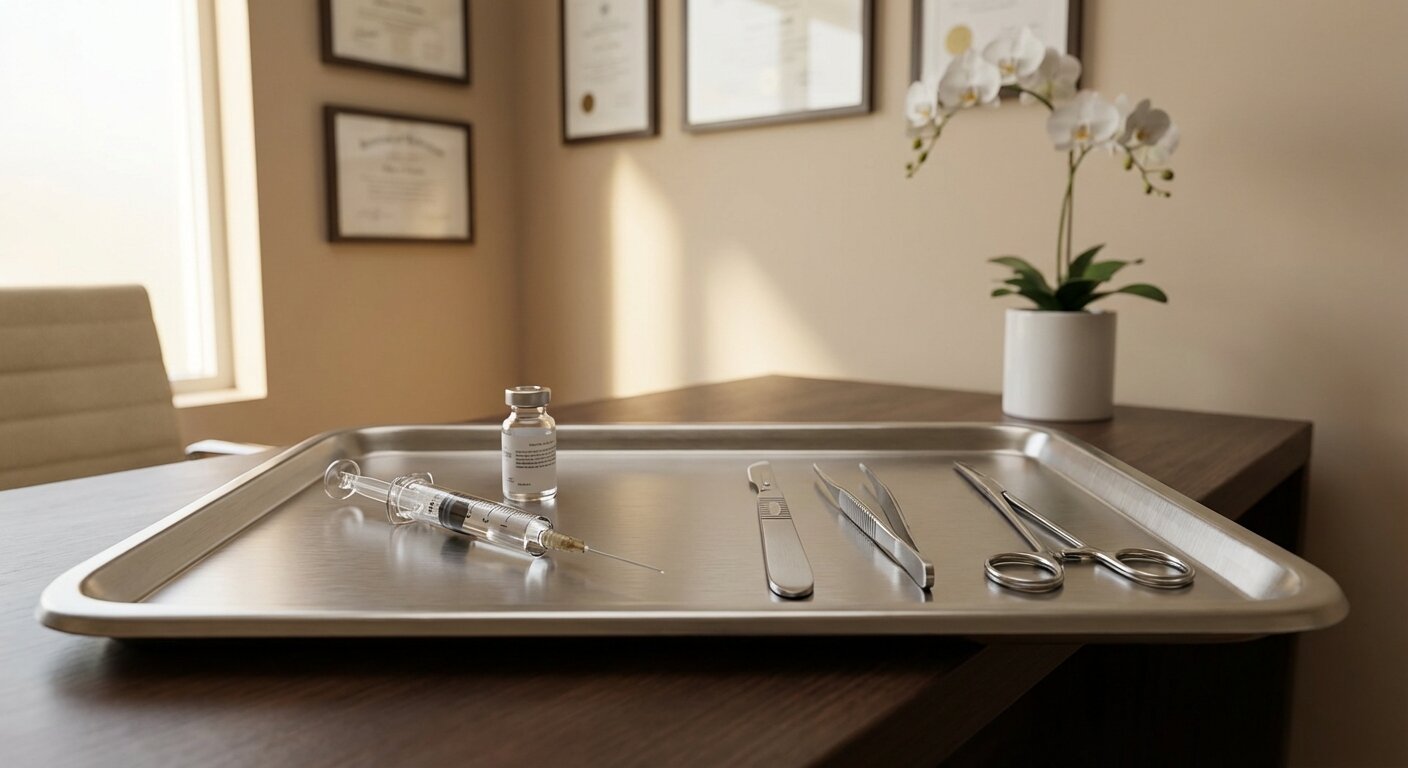
    Tray with filler syringe and surgical instruments for facelift in medical office

    Facelift or Fillers? How to Choose the Right Rejuvenation Treatment

    “Can fillers give me the same result as a facelift?” I hear this question almost daily in my clinic. After performing over 8,000 surgeries and injecting countless syringes of hyaluronic acid, I can tell you the honest answer: it depends entirely on what is causing your aging.

    The confusion is understandable. Social media is flooded with before-and-after filler transformations that look miraculous. Meanwhile, the word “surgery” still carries weight. But choosing the wrong treatment does not just waste money — it can leave you looking unnatural. Let me walk you through how to think about this decision clearly.

    What Fillers Can Actually Do

    Dermal fillers, typically made of hyaluronic acid, are genuinely excellent tools when used for the right indications. They can:

    • Restore lost volume — Cheeks that have deflated over time, temples that have hollowed, and under-eye troughs all respond beautifully to strategic filler placement.
    • Smooth fine lines — Superficial wrinkles around the mouth (the so-called “barcode lines”) and nasolabial folds can be softened effectively.
    • Hydrate and refresh the skin — Newer “skinbooster” fillers improve skin quality from within, adding a subtle glow without changing your shape.
    • Enhance contours — Defining the jawline or chin in younger patients who have good skin elasticity but lack structural projection.

    When a patient in their 30s or early 40s comes to me with early volume loss and good skin tone, fillers are often the perfect first step. The treatment is quick, there is minimal downtime, and the results are immediate.

    What Fillers Cannot Do

    Here is where honesty matters most. Fillers add volume — they do not lift. And that distinction is everything once gravity and tissue laxity enter the picture.

    Fillers cannot correct:

    • Sagging skin along the jawline (jowls) — Adding filler to a sagging jaw does not tighten the skin; it adds weight to tissue that is already falling.
    • A loose or banding neck — No injectable product can reposition the platysma muscle or remove excess cervical skin.
    • Deep structural descent of the midface — When the SMAS layer (the muscular-fascial foundation of your face) has descended, only surgical repositioning addresses the root cause.
    • Significant skin excess — Redundant skin needs to be redraped or removed. Filler placed under loose skin simply creates puffiness.

    The uncomfortable truth is that many patients receive escalating volumes of filler year after year, chasing a result that only surgery can achieve. The outcome is the overfilled, “pillow face” appearance we have all learned to recognize. More filler is not the answer when the problem is structural.

    When a Facelift Becomes the Right Choice

    A facelift addresses what fillers cannot: it repositions the deep tissue layers, tightens the muscular foundation, redrapes the skin, and restores the natural architecture of the face. If you are noticing jowling, a blurred jawline, deepening folds that no longer respond to filler, or neck laxity, these are signs that the underlying structure needs attention — not more volume on top.

    My approach is the Deep Plane facelift, a technique that goes beneath the superficial musculoaponeurotic system (SMAS) to release and reposition the deeper ligaments and tissue layers as a single, cohesive unit. This differs fundamentally from older facelift techniques that simply pulled the skin tighter.

    Why the Deep Plane Technique Matters

    The Deep Plane method offers several advantages that are directly relevant to the fillers-versus-surgery question:

    • Natural results — Because it lifts the deep structures rather than stretching the skin, you look refreshed rather than “operated on.”
    • Longevity — Results typically last 10 to 15 years, compared to 12 to 18 months for most fillers. Over a decade, the cumulative cost and repeated clinic visits for filler maintenance often exceed the one-time investment in surgery.
    • Addresses the actual problem — Sagging is a structural issue. The Deep Plane technique treats the cause, not just the symptom.
    • Less tension on the skin — This means better healing, finer scars, and a lower risk of the “windswept” look associated with older facelift methods.

    The Smart Approach: Combining Both

    In my practice, the best results often come from combining techniques thoughtfully. A Deep Plane facelift restores the structural foundation — the jawline, the neck, the midface position. Fat grafting performed during the same procedure adds natural, permanent volume where needed. Then, months after healing, strategic filler or skinbooster treatments can refine the result further: a touch more definition here, improved skin quality there.

    This layered approach treats each problem with the tool best suited to solve it. Structure is corrected surgically. Volume and skin quality are optimized with injectables. Neither replaces the other; they complement each other.

    How to Decide

    My guidance is straightforward. If your concern is primarily volume loss and fine lines, and your skin still has good elasticity, start with fillers. If you are dealing with sagging, jowls, a heavy neck, or structural descent, have an honest conversation about surgery. And if someone is recommending ever-increasing amounts of filler to compensate for tissue that is falling — seek a second opinion.

    The goal is not to choose the most aggressive treatment or the least invasive one. The goal is to choose the right one.

    Ready to find out which approach is right for you? I offer both in-person and online consultations to evaluate your specific anatomy and goals. Send me a message on WhatsApp and let us start the conversation.


    Frequently Asked Questions

    At what age should I consider a facelift instead of fillers?

    Age alone is not the deciding factor — tissue quality and the degree of structural descent are what matter. I have operated on patients in their early 40s with significant genetic laxity and recommended fillers for patients in their 50s who still have excellent skin tone. The right assessment is always individual, based on anatomy rather than a number on a calendar.

    How long does a Deep Plane facelift last compared to fillers?

    A well-performed Deep Plane facelift typically provides results lasting 10 to 15 years. You will continue to age, of course, but from a significantly younger starting point. Most hyaluronic acid fillers last between 12 and 18 months, requiring repeated treatments. Over time, the cumulative cost of filler maintenance often surpasses the investment in surgery.

    Can I still get fillers after having a facelift?

    Absolutely, and this is often the ideal strategy. A facelift addresses the structural issues — sagging, jowls, neck laxity — while fillers and skinboosters can be used afterward to fine-tune volume and improve skin quality. The combination of both approaches, each applied to its proper indication, consistently delivers the most natural and complete rejuvenation.


  • Deep Plane Facelift Checklist

    Facelift preparation checklist on clinic desk with diplomas in background

    Facelift Checklist: Before and After Your Deep Plane Surgery

    A Deep Plane facelift is one of the most transformative procedures in facial rejuvenation, but outstanding results depend on more than surgical technique alone. Over the course of 8,000+ surgeries, I have developed a comprehensive checklist that my patients follow to ensure the safest experience and the most natural, long-lasting outcome. This guide covers every step from pre-operative preparation through full recovery.

    Pre-Operative Checklist

    Medical Clearance and Lab Work

    Every patient undergoes a thorough medical evaluation before surgery:

    • Complete blood count (CBC) and coagulation panel
    • Metabolic panel to assess kidney and liver function
    • Cardiac evaluation (ECG and, for patients over 50, cardiology clearance)
    • Chest X-ray when indicated by medical history
    • Standardized photographs for surgical planning

    These exams can be completed in your home country and sent digitally, or performed in Londrina upon arrival.

    Stop Smoking: 6 to 8 Weeks Before

    This is non-negotiable. Nicotine constricts blood vessels and increases the risk of skin necrosis. Stop all nicotine products, including cigarettes, vapes, patches, and gum, at least 6 to 8 weeks before surgery and remain nicotine-free for the same period afterward.

    Stop Blood Thinners and Certain Supplements

    At least two weeks before your procedure, discontinue aspirin, ibuprofen, vitamin E, omega-3 fish oil, ginkgo biloba, and any supplements that increase bleeding. Consult your prescribing physician before stopping prescription medications.

    Prepare Your Recovery Space

    Before you leave for surgery, set up a comfortable recovery area at home or at your hotel:

    • Extra pillows to keep your head elevated at 30 to 45 degrees
    • Ice packs or frozen peas wrapped in soft cloth
    • Soft, button-front shirts (nothing that pulls over your head)
    • Bland, easy-to-chew foods prepared in advance
    • Prescriptions filled and within arm’s reach

    Plan Time Off Work

    Most patients need 3 to 4 weeks away from professional obligations. If your work is physically demanding, plan for up to 6 weeks. Remote or desk-based workers can often return in 2 to 3 weeks with some limitations.

    Day of Surgery: What to Expect

    You will arrive at the surgical center early in the morning after fasting for at least 8 hours:

    • Pre-operative markings: I draw the surgical plan on your face while standing, about 20 minutes.
    • Anesthesia: General anesthesia administered by a board-certified anesthesiologist.
    • Surgery duration: Approximately 4 hours for a full Deep Plane facelift with fat grafting. Combined procedures add additional time.
    • Overnight stay: One night at the surgical center under nursing supervision.

    The Deep Plane technique repositions the deeper muscular layer (SMAS) rather than simply pulling the skin, producing a more natural result with less tension and longer-lasting rejuvenation.

    Post-Operative Recovery Checklist

    Week 1: Rest and Protection

    • Keep your head elevated, even while sleeping
    • Apply cold compresses as directed to minimize swelling
    • Take prescribed pain medication and antibiotics on schedule
    • Avoid bending over, heavy lifting, or any straining
    • Attend your first post-operative visit (usually day 2 or 3)

    Bruising and swelling are expected and will peak around days 3 to 5 before gradually improving.

    Week 2: Suture Removal

    Sutures are typically removed between days 7 and 10. Most patients feel significantly more comfortable after this visit. Light walking is encouraged to promote circulation.

    Weeks 3 to 4: Gradual Return to Normal Life

    By the third week, the majority of visible bruising has faded and swelling has decreased noticeably. Most patients feel confident enough to return to work and social activities. You should still avoid strenuous exercise and direct sun exposure.

    Months 2 to 6: Final Results Emerge

    While you will see a dramatic improvement within the first month, the final result of a Deep Plane facelift continues to refine over 3 to 6 months as residual swelling resolves and tissues settle into their new position. Scars mature and fade progressively over 12 months.

    Travel Planning for International Patients

    We regularly welcome patients from the United States, Canada, Europe, and the Middle East. Here is a practical timeline:

    • Arrive 2 days before surgery: This gives you time for your in-person consultation, any remaining lab work, and to rest after your flight.
    • Stay 10 to 14 days after surgery: This covers your critical recovery period, suture removal, and final clearance to fly home.
    • Total trip: Plan for approximately 2 weeks in Londrina.

    Our team assists with hotel recommendations, airport transfers, and a bilingual coordinator who accompanies you throughout your stay. Londrina has a regional airport (LDB) with daily connections to Sao Paulo and major hubs.

    Dr. Zamarian’s Comprehensive Care Approach

    With over 8,000 surgeries performed and two decades of facial specialization, my practice is built on meticulous planning, advanced technique, and attentive follow-up. Every Deep Plane facelift I perform includes structural fat grafting to restore volume, because true rejuvenation addresses both sagging and volume loss simultaneously.

    I personally follow each patient from the initial consultation to the final result. For international patients, we maintain remote follow-up through video calls and coordinate with your local physician as needed.

    Learn more about the procedure on our dedicated page: Deep Plane Facelift with Dr. Zamarian.

    Frequently Asked Questions

    How long do Deep Plane facelift results last?

    A Deep Plane facelift produces results that typically last 10 to 15 years, significantly longer than traditional techniques. Because the deeper muscular layer is repositioned rather than just the skin, the outcome is more durable and ages gracefully over time.

    Is it safe to fly after a facelift?

    Most patients are cleared to fly 10 to 14 days after surgery. By that point, sutures have been removed and the initial healing phase is complete. We provide a detailed medical travel letter and remain available by phone throughout your journey home.

    Can I combine a facelift with other procedures?

    Yes. It is very common to combine a Deep Plane facelift with blepharoplasty (eyelid surgery), rhinoplasty, or chin augmentation in a single session. Combining procedures reduces overall recovery time and allows for a more harmonious facial result. We discuss the best plan during your consultation.

    Ready to Start Your Facelift Journey?

    If you are considering a Deep Plane facelift and want a surgeon who combines advanced technique with personalized care, reach out. Our team is ready to guide you from your first question to your final result.

    Contact us directly on WhatsApp: Send a message to our team. We reply in English within 24 hours.

  • Emotional Side of Rhinoplasty

    Thoughtful woman in waiting room before rhinoplasty consultation, representing the emotional side of the decision

    Rhinoplasty Is Not Just a Physical Transformation

    When patients begin researching rhinoplasty, most of the information they find focuses on techniques, recovery timelines, and before-and-after photos. What rarely gets discussed is the profound emotional journey that accompanies every nose surgery — a journey that begins long before the operating room and continues well after the bandages come off.

    After performing more than 8,000 surgeries and training with world-renowned rhinoplasty specialists Dr. Dean Toriumi (University of Illinois, Chicago) and Dr. Ali Sajjadian (Newport Beach, California), I have learned that emotional preparation is just as important as physical preparation. Patients who understand and anticipate the psychological aspects of rhinoplasty consistently have smoother recoveries and greater satisfaction with their results.

    The Emotions You Will Feel Before Surgery

    It is completely normal to experience a wide range of emotions in the weeks and days leading up to your rhinoplasty. Understanding that these feelings are universal can bring significant relief.

    • Excitement: You have been thinking about this change for months or even years. The anticipation of finally seeing a nose that matches how you feel inside is genuinely thrilling.
    • Anxiety: Surgery of any kind triggers a natural stress response. You may worry about anesthesia, pain, or whether things will go as planned. This is your body’s normal protective mechanism.
    • Doubt: “Am I making the right decision?” is perhaps the most common question patients ask themselves the night before surgery. Second-guessing is not a sign you should cancel — it is a sign you are taking the decision seriously.
    • Vulnerability: Choosing to change a feature at the center of your face requires courage. Feeling exposed or vulnerable about that choice is entirely human.

    I tell every patient: feeling nervous does not mean you are not ready. It means you care about the outcome, and that awareness is a strength.

    Setting Realistic Expectations

    One of the greatest sources of post-surgical distress comes from a gap between expectations and reality. A successful rhinoplasty does not give you someone else’s nose — it gives you a refined, harmonious version of your nose within the context of your unique facial anatomy.

    During our consultation, I use 3D imaging to show patients a realistic projection of their results. This is not about promising a specific outcome; it is about opening an honest conversation. When you can see an approximation of what is achievable, anxiety decreases and confidence grows.

    The goal is never perfection. The goal is balance, proportion, and a nose that lets you look in the mirror without fixation.

    The Consultation as a Safe Space

    A proper rhinoplasty consultation should feel like a conversation, not a sales pitch. I encourage patients to share not only what they dislike about their nose but also why it bothers them, how long they have felt this way, and what they hope will change in their daily life after surgery.

    These questions matter because they help me understand motivation. A patient who says, “I want to stop avoiding photos” is telling me something very different from a patient who says, “My partner thinks I should fix my nose.” The decision must come from within.

    A Word About Body Dysmorphia

    Body dysmorphic disorder (BDD) is a condition in which a person becomes excessively preoccupied with perceived flaws that others may not even notice. In rhinoplasty, this can manifest as an inability to feel satisfied with any result, no matter how technically successful.

    As surgeons, we have an ethical responsibility to recognize signs of BDD and, when appropriate, recommend psychological support before proceeding. Surgery cannot fix what is rooted in perception rather than anatomy. This is not a rejection — it is an act of genuine care for the patient’s well-being.

    The Emotional Phases of Recovery

    Even patients who prepare well emotionally are often surprised by what they feel during the first weeks of recovery. Here is what to expect:

    • Days 1-7 — The “What Have I Done?” Phase: Swelling, bruising, and the cast on your nose can trigger a wave of regret. This is overwhelmingly common and almost always temporary. You are seeing your nose at its worst, not its final form.
    • Weeks 2-4 — The Impatience Phase: The cast is off and you can see changes, but swelling distorts the shape. Patients often compare obsessively to their pre-op photos. Try to limit mirror time during this period.
    • Months 2-6 — The Gradual Reveal: Swelling slowly resolves. Each month brings subtle refinements. This is when most patients begin to genuinely appreciate their results.
    • Months 6-12 — The Final Shape: The nasal tip, which retains swelling the longest, finally settles. Patients often say this is when the nose truly feels like “theirs.”

    Patience is not optional in rhinoplasty recovery — it is essential. The nose you see at two weeks is not the nose you will have at twelve months.

    The Importance of a Support System

    Recovery is significantly easier when you are not navigating it alone. A supportive partner, family member, or friend who understands your decision can make an enormous difference — not just with practical tasks like driving you home, but emotionally.

    I also recommend that patients limit exposure to social media during early recovery. Comparing your swollen, healing nose to filtered images online is neither fair nor productive.

    How I Prepare My Patients Emotionally

    In my practice, emotional preparation is built into every step of the patient journey:

    • Thorough consultation: I spend significant time understanding each patient’s motivations, concerns, and psychological readiness.
    • Honest communication: I show realistic simulations and clearly explain what surgery can and cannot achieve.
    • Recovery education: Every patient receives detailed guidance on what to expect physically and emotionally at each stage.
    • Accessibility: My team and I remain available throughout recovery. No question is too small, and no concern is dismissed.

    Rhinoplasty is one of the most personally meaningful surgeries a person can undergo. When the emotional dimension is respected and addressed, the experience becomes not just a physical transformation but a genuine boost in confidence and quality of life.

    Frequently Asked Questions

    Is it normal to feel regret immediately after rhinoplasty?

    Yes, this is extremely common. In the first days after surgery, swelling and bruising can make your nose look very different from the final result. Many patients experience a temporary wave of doubt or regret that fades as healing progresses. By the second or third month, most patients report feeling increasingly happy with their decision.

    How do I know if I am emotionally ready for rhinoplasty?

    You are likely ready if your desire for the surgery comes from within (not external pressure), you have realistic expectations about the outcome, and you understand that the recovery process requires patience. Feeling some anxiety is normal and does not indicate unreadiness. If you are unsure, discussing your feelings openly during the consultation is the best first step.

    Can I have rhinoplasty if I have anxiety or depression?

    Having anxiety or depression does not automatically disqualify you from rhinoplasty. However, it is important that these conditions are well-managed and that your surgeon is aware of your mental health history. In some cases, I may recommend coordinating with your therapist or psychiatrist to ensure that surgery is appropriate at this time and that you have adequate support during recovery.

    Ready to Start the Conversation?

    If you are considering rhinoplasty and want a surgeon who values your emotional well-being as much as your surgical result, I invite you to schedule a consultation. Whether you are in Brazil or traveling from abroad, my team is ready to guide you through every step — from the first question to the final result.

    Learn more about structural rhinoplasty: walterzamarianjr.com/us/face/rhinoplasty

    Contact us directly on WhatsApp: wa.me/5543991922221

  • Deep Plane Facelift: Real Risks

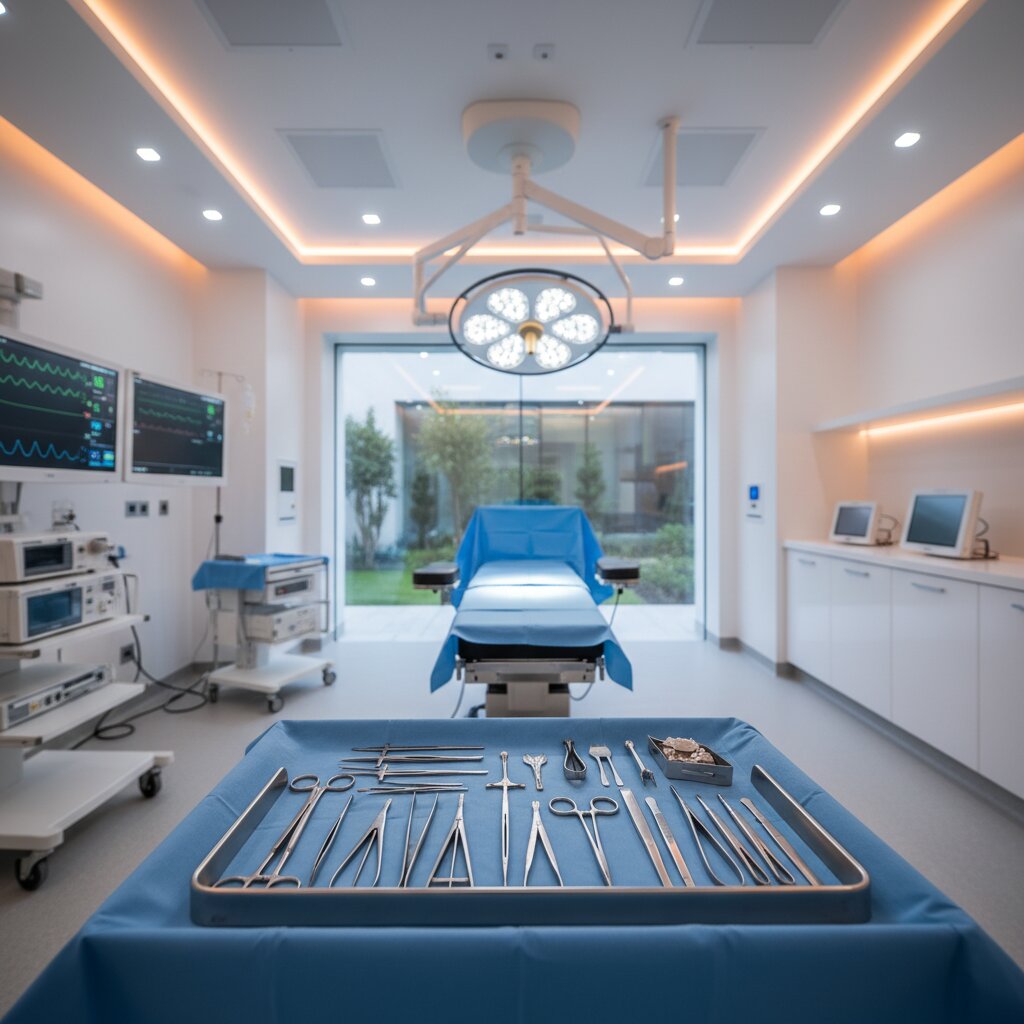
    Equipped surgical center with instruments and monitors for safe Deep Plane facelift surgery

    Risks of Deep Plane Facelift: What the Science Says

    The Deep Plane facelift is widely regarded as the gold standard in facial rejuvenation. Unlike traditional facelifts that pull only the skin, this technique repositions the deeper muscular layer (SMAS) along with fat and skin as a single unit, producing natural, long-lasting results without the “pulled” look.

    But as with any surgery, it carries risks. If you are considering a Deep Plane facelift in Brazil, understanding these risks — and how an experienced surgeon minimizes them — is essential.

    What Are the Common Risks?

    Peer-reviewed literature identifies several potential complications associated with facelift surgery. The Deep Plane technique shares some of these risks with other approaches:

    Hematoma

    Hematoma — a collection of blood beneath the skin — is the most frequently cited complication, with published rates between 1% and 8% across all facelift techniques. It typically occurs within the first 24 hours and may require drainage. Male patients and those with uncontrolled hypertension are at higher risk.

    Nerve Injury

    Temporary weakness of certain facial muscles occurs in roughly 1% to 2% of cases and usually resolves within weeks to months. Permanent nerve injury is exceedingly rare — less than 0.5% with experienced surgeons. The Deep Plane technique may actually offer better nerve protection because the dissection occurs in a defined anatomical plane above the nerve branches.

    Infection

    Surgical site infection occurs in fewer than 1% of cases. The face has an exceptionally rich blood supply, which promotes healing and natural resistance to infection. Prophylactic antibiotics and sterile technique further reduce this risk.

    Scarring

    Incisions are placed along natural creases — in front of and behind the ear and along the hairline. Most scars mature into thin, nearly invisible lines over 6 to 12 months. Abnormal scarring is rare but can occur in predisposed individuals.

    Other Risks

    • Skin necrosis: very rare, more common in smokers (another reason to quit well before surgery)
    • Hair loss: temporary thinning near incision lines, typically recovers fully
    • Asymmetry: minor and usually imperceptible; significant asymmetry is uncommon
    • Anesthesia-related complications: minimized by thorough preoperative evaluation

    How Dr. Zamarian Minimizes Risks

    With over 8,000 surgeries performed and training at the prestigious Ivo Pitanguy Institute in Rio de Janeiro, Dr. Walter Zamarian Jr. has developed a meticulous approach to Deep Plane facelifts that keeps complication rates well below published averages.

    The Auersvald Hemostatic Net: No Drains Needed

    One of the most significant advances Dr. Zamarian employs is the Auersvald hemostatic net technique. This method uses a network of progressive tension sutures that eliminate dead space beneath the skin flap, dramatically reducing the risk of hematoma. The result: no surgical drains are needed. Patients benefit from less discomfort, lower infection risk, and a smoother recovery.

    Meticulous Surgical Technique

    Every Deep Plane facelift performed by Dr. Zamarian follows a careful, anatomically guided dissection. By working within the well-defined sub-SMAS plane, he avoids the danger zones where facial nerve branches are most vulnerable. Precision matters more than speed — and this philosophy is reflected in consistently low complication rates.

    Careful Patient Selection

    Not every patient is an ideal candidate. Dr. Zamarian conducts thorough preoperative evaluations — including medical history, blood work, and cardiovascular assessment — to ensure safe surgical conditions. Patients with uncontrolled hypertension, bleeding disorders, or active smoking are counseled and optimized before scheduling.

    Complication Rates Below 3%

    In Dr. Zamarian’s practice, the overall complication rate for Deep Plane facelifts remains below 3%, with the vast majority being minor and self-resolving. This reflects the combined effect of surgical expertise, advanced techniques, and rigorous patient selection.

    What to Ask Your Surgeon

    These are critical questions to ask any surgeon during your consultation:

    • How many Deep Plane facelifts have you performed? Experience is the most important factor in reducing complications.
    • What is your personal complication rate? A transparent surgeon will share this data openly.
    • Do you use drains? Modern techniques like the hemostatic net can eliminate the need for drains entirely.
    • What happens if a complication occurs? Ask about protocols, availability, and hospital access.
    • Can I see before-and-after photos of real patients? Consistency across many cases demonstrates mastery.

    Why Surgeon Experience Matters

    The Deep Plane facelift is technically demanding — nerves, blood vessels, and delicate structures lie within millimeters of the surgical field. Published data shows that complication rates decrease significantly with surgeon volume. A surgeon who has performed thousands of facelifts navigates this anatomy with a precision that cannot be replicated early in a career.

    Dr. Zamarian’s training at the Ivo Pitanguy Institute — one of the most respected plastic surgery programs in the world — combined with decades of clinical experience, makes him one of the most qualified surgeons for this procedure. For international patients, choosing a surgeon with this depth of experience is a safeguard, not a luxury.

    Learn more about the Deep Plane facelift procedure and results on our website.

    Frequently Asked Questions

    Is the Deep Plane facelift more dangerous than a traditional facelift?

    No. In experienced hands, the Deep Plane technique is at least as safe as traditional methods — and may actually carry a lower risk of nerve injury because the dissection follows well-defined anatomical planes. The key factor is surgeon experience, not the technique itself.

    How long does it take to recover from a Deep Plane facelift?

    Most patients return to light daily activities within 10 to 14 days. Swelling and bruising subside over 3 to 4 weeks, with final results refining over 3 to 6 months. The hemostatic net technique (no drains) often accelerates early recovery.

    Is it safe to have a facelift in Brazil as an international patient?

    Brazil is one of the world’s leading countries in plastic surgery. Dr. Zamarian operates in a fully equipped, accredited surgical center in Londrina. International patients receive a comprehensive care plan including preoperative evaluation, surgery, and structured postoperative follow-up before returning home.

    Ready to Learn More?

    If you are considering a Deep Plane facelift, our team is available to answer your questions in English. Contact us directly via WhatsApp for a personalized response.

    Send a message on WhatsApp: +55 43 99192-2221