After more than 20 years performing facial rejuvenation surgery — and over 8,000 procedures — I reached a conclusion that fundamentally changed my practice: a facelift alone is not enough to restore everything that aging takes from the face. It is an excellent technique for repositioning tissues, yes. But the face does not age merely because tissues descend. It ages because it loses volume, fat, and skin quality. To address all of this comprehensively, we need to go further.
This realization is precisely what led me to develop what I call the Regenerative Deep Plane — an approach that combines the deep plane facelift with fat grafting in a single surgical session. This is not simply about “filling” the face with fat. It goes far beyond that: we are talking about real tissue regeneration mediated by adipose-derived stem cells.
In this article, I explain in detail why I combine these two techniques, the science behind this association, and why I consider this approach the future of high-quality facelift surgery.
What Is the Regenerative Deep Plane
The Regenerative Deep Plane is the natural evolution of the deep plane facelift — a technique I learned directly from Dr. Tim Marten in the United States, widely regarded as the world’s foremost authority on facelift surgery. In the classic deep plane approach, dissection is performed in a deeper plane beneath the SMAS (superficial musculoaponeurotic system), allowing the facial tissues to be mobilized with greater freedom and naturalness, avoiding that “pulled skin” appearance that older facelifts used to produce.
What I have added to this technique — and what makes it truly regenerative — is structural facial fat grafting. By combining deep tissue repositioning with autologous fat transfer (from the patient’s own body), we simultaneously address two fundamental components of aging: ptosis (tissue descent) and atrophy (volume loss).
But the most fascinating aspect is that transplanted fat carries an extraordinary biological richness: adipose-derived mesenchymal stem cells (ADSCs), which promote genuine tissue regeneration.
How Facial Fat Grafting Works
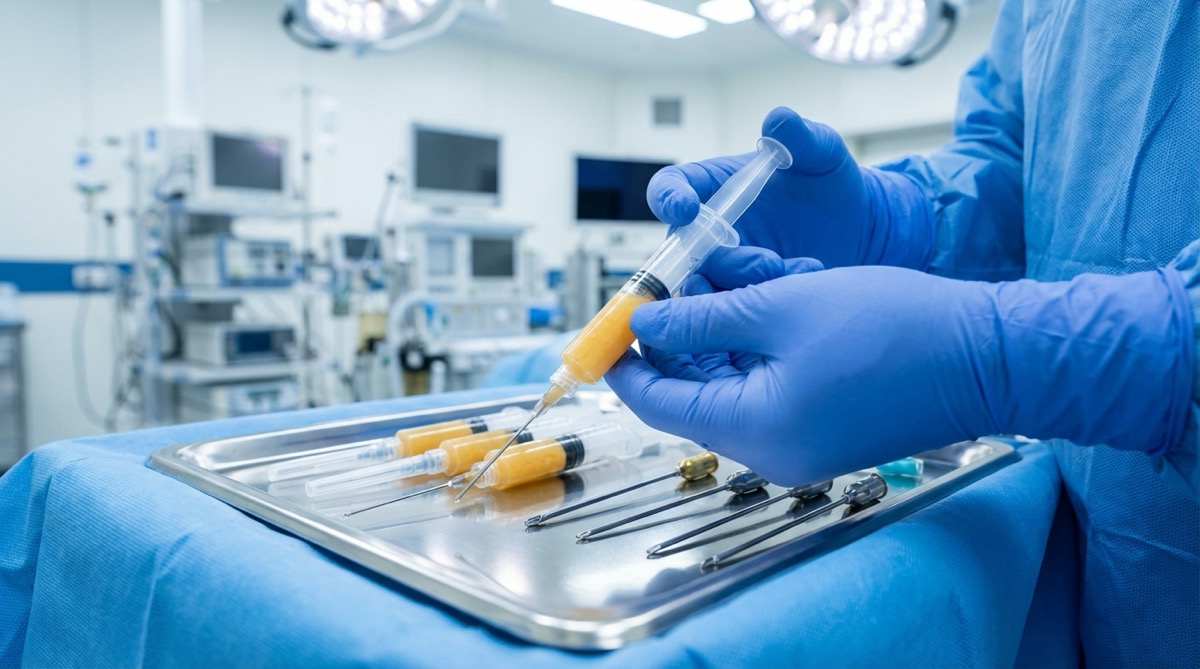
Facial fat grafting — also called lipofilling or autologous fat transfer — is a procedure in which we harvest fat from a donor area of the patient’s body (typically the abdomen or flanks), process it under sterile conditions, and inject it into specific areas of the face that have lost volume with aging.
The primary areas that receive the graft include:
- Malar region (cheeks): one of the first areas to lose volume, creating a “deflated” or “descended” appearance
- Periorbital region: around the eyes, softening deep hollows and the lid-cheek transition
- Temporal region: hollow temples are one of the most visible markers of aging
- Nasolabial folds and marionette lines: the creases that run from nose to mouth and from mouth to chin
- Lips and perioral region: when indicated, to restore lost labial volume
My technique involves injecting micro-parcels of fat in multiple layers, using fine-caliber cannulas. This maximizes the contact surface between the graft and recipient tissues, promoting neovascularization — meaning the fat “takes” better because it receives blood supply rapidly.
Stem Cells and Regeneration: The Science Behind It
Here is the point that truly distinguishes fat grafting from a simple filler: autologous fat is the richest tissue in mesenchymal stem cells in the human body. Each milliliter of fat contains between 100,000 and 1,000,000 ADSCs (Adipose-Derived Stem Cells).
What do these cells do when transplanted into the face?
- Stimulate collagen and elastin production, improving skin firmness and elasticity
- Promote angiogenesis (new blood vessel formation), enhancing tissue perfusion
- Secrete growth factors and anti-inflammatory cytokines, accelerating healing
- Improve overall skin quality — texture, radiance, hydration
- Reduce fibrosis and scarring in previously operated tissues
The scientific literature has extensively documented these effects. Studies published in journals such as Plastic and Reconstructive Surgery and Aesthetic Surgery Journal demonstrate that patients who undergo a facelift with fat transfer show superior skin quality outcomes compared to those who had the facelift alone.
“Fat is not just volume — it is a transplant of biological youth. The stem cells it carries reprogram surrounding tissues to behave like younger tissues.”
The Benefits of Combining Deep Plane + Fat Grafting
When I combine deep plane fat grafting in the same surgical session, the benefits are synergistic — the final result exceeds the sum of its parts:
- Complete three-dimensional rejuvenation: deep plane repositions, fat restores volume. Together, they address both faces of aging
- More natural results: the volume restored by fat smooths facial transitions, avoiding the “operated” look
- Exceptional longevity: results that last 10 to 15 years, far beyond conventional facelifts
- Improved skin quality: stem cells promote real regeneration, not just repositioning
- Single recovery: performing both in one session means only one recovery period
- No synthetic materials: the fat is the patient’s own — perfect biocompatibility with zero rejection risk
In my experience — which includes training at the Pitanguy Clinic in Rio de Janeiro and direct mentorship with Tim Marten in the USA — patients who receive the combined approach demonstrate significantly higher satisfaction. The rejuvenated face has vitality, luminosity, and naturalness — three qualities that a facelift alone rarely achieves to the same degree.
Who Is a Good Candidate
The combination of regenerative deep plane with fat grafting is indicated for:
- Patients with moderate to advanced aging (typically from age 45-50 onward) who present both tissue descent and facial volume loss
- Patients seeking lasting, natural results without a “pulled” appearance
- Patients with devitalized skin — thin, dull, or with diminished radiance — where stem cells provide additional benefit
- Patients who have had a previous facelift and desire more comprehensive results in revision
- Patients in good general health, non-smokers (or who have quit at least 4 weeks prior)
The evaluation is always individualized. During the consultation, I analyze facial structure, degree of ptosis, volume loss, skin quality, and patient expectations to determine whether the combined approach is the most appropriate — or whether another technique would be better suited.
Combined Recovery
One of the most frequent questions is: “Is the recovery longer because you’re combining two techniques?” The practical answer is no. Facial fat grafting adds very little to the recovery timeline of a deep plane facelift.
Here is what to expect:
- First 7-10 days: peak swelling and bruising. The patient rests with the head elevated
- Week 2: most bruising has resolved. Many patients feel comfortable with light activities
- Weeks 3-4: residual swelling visible only to the patient. Gradual return to normal activities
- 2-3 months: excellent intermediate result. The grafted fat is fully integrated
- 6-12 months: final consolidated result. Stem cell-mediated regeneration continues working for months after surgery
I provide all my patients with a detailed recovery protocol, including guidance on medications, dressings, lymphatic drainage, nutrition, and physical activity. Postoperative follow-up is thorough and personalized.
Frequently Asked Questions
Can the grafted fat be reabsorbed by the body?
Yes, a portion of the grafted fat is naturally reabsorbed in the first weeks — typically between 20% and 30%. For this reason, I graft a slightly higher volume to compensate for this predictable loss. Fat that survives the first 3 months tends to remain permanently, with stable results for many years.
What is the difference between fat grafting and hyaluronic acid fillers?
They are fundamentally different approaches. Hyaluronic acid is a synthetic material that provides temporary volume (6-18 months) and offers no regenerative benefits. Fat grafting uses the patient’s own tissue, is long-lasting, and carries stem cells that improve skin quality. For comprehensive facial rejuvenation, fat grafting is vastly superior.
Can the regenerative deep plane be done as a revision of a previous facelift?
Yes, and it is one of the most rewarding indications. Patients who had a conventional facelift (SMAS plication, for example) and did not achieve their desired result can benefit enormously from the regenerative deep plane. The stem cells in the grafted fat are especially valuable in these cases, as they help improve previously operated and fibrosed tissues.
How many fat grafting sessions are needed?
In the vast majority of cases, a single session is sufficient when performed alongside the deep plane. Occasionally, a refinement session may be indicated after 6-12 months, but this occurs in fewer than 10% of my patients.
Does the regenerative deep plane leave visible scars?
The deep plane facelift incisions are strategically placed around the ear and along the hairline, becoming virtually imperceptible after complete healing. Fat grafting is performed with 1-2mm cannulas that leave pinpoint marks, which disappear within a few weeks.
If you are seeking facial rejuvenation that goes beyond tissue repositioning — a truly regenerative, natural, and long-lasting result — the Regenerative Deep Plane with fat grafting may be the answer. Schedule your consultation for a personalized evaluation: +55 43 99192-2221 or via WhatsApp. I look forward to assessing your case with the attention it deserves.
drwalterzamarianjr
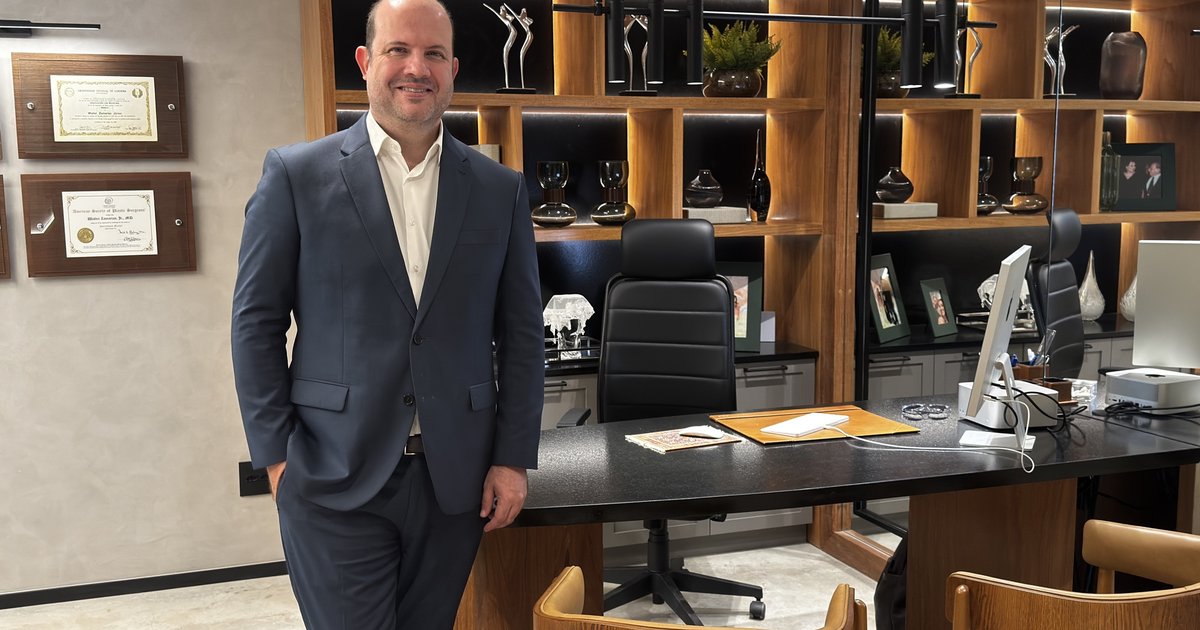
Dr. Walter Zamarian Jr. é cirurgião plástico em Londrina-PR (CRM-PR 17.388 | RQE 15.688), membro titular da SBCP e da ASPS. Formado em Medicina pela UEL, com especialização no Instituto Ivo Pitanguy (38a Enfermaria da Santa Casa do Rio de Janeiro) e treinamento nos EUA em lifting facial Deep Plane, rinoplastia estruturada e cirurgia íntima feminina. Com mais de 20 anos de experiência e 8.000+ cirurgias realizadas, é referência em rejuvenescimento facial e cirurgia genital feminina.
Deixe um comentário