
Brazil has been synonymous with plastic surgery excellence for decades. As the second-largest plastic surgery market in the world — with more board-certified plastic surgeons than any country except the United States — Brazil attracts thousands of international patients every year seeking high-quality procedures at accessible prices.
But navigating medical tourism requires more than finding a good deal on a flight. It requires research, planning, and — above all — choosing the right surgeon.
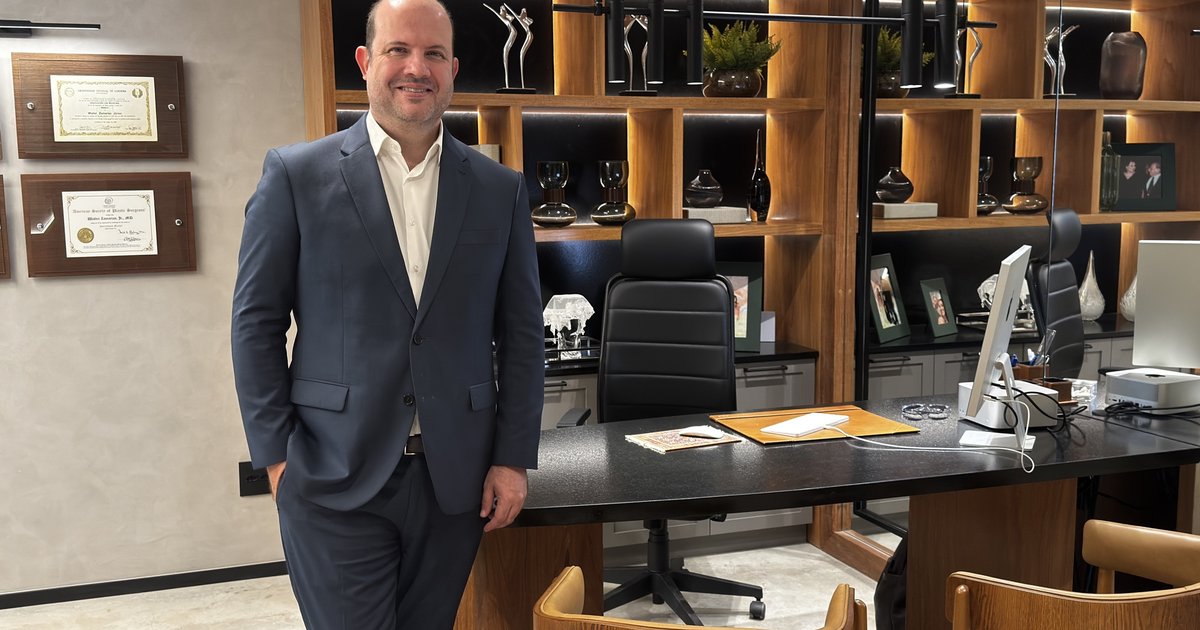
I’m Dr. Walter Zamarian Jr., a board-certified plastic surgeon with over 20 years of experience and more than 8,000 surgeries performed. I practice in Londrina, in southern Brazil, and I regularly care for international patients. This guide is what I wish every prospective patient would read before booking a trip.
Why Brazil for Plastic Surgery?
Brazil’s reputation in plastic surgery isn’t marketing — it’s earned through decades of innovation, rigorous training, and sheer volume of experience.
- World-class training: Brazilian plastic surgeons complete a minimum of 12 years of education and training — 6 years of medical school, 3 years of general surgery, and 3 years of plastic surgery residency. Board certification through the SBCP requires passing both written and oral examinations.
- Volume and innovation: Brazilian surgeons operate at a volume that builds exceptional skill. The country’s culture of aesthetic appreciation means surgeons see a wide variety of cases and develop refined judgment about natural-looking results.
- Pioneers of the field: Brazil is home to Professor Ivo Pitanguy, arguably the most influential plastic surgeon in history. His training program in Rio de Janeiro has produced generations of elite surgeons worldwide. I’m proud to be a Pitanguy Clinic alumnus.
- Cost efficiency: Procedures in Brazil typically cost 40–60% less than equivalent surgery in the US or Europe — not because of lower quality, but because of lower overhead costs, favorable exchange rates, and a different economic structure.
How to Verify a Brazilian Surgeon’s Credentials
This is the single most important step in your research. A beautiful website and impressive Instagram feed are not credentials. Here’s what to verify:
- SBCP membership: The Sociedade Brasileira de Cirurgia Plástica is the only recognized board for plastic surgery in Brazil. Verify membership at cirurgiaplastica.org.br.
- CRM number: The Conselho Regional de Medicina registration. Every practicing physician in Brazil must have one. You can verify it on the CRM website of the surgeon’s state.
- RQE number: The Registro de Qualificação de Especialista confirms the surgeon is a recognized specialist. A surgeon without an RQE in plastic surgery is not a specialist, regardless of what they claim.
- International affiliations: Memberships in organizations like ASPS (American Society of Plastic Surgeons) or ISAPS (International Society of Aesthetic Plastic Surgery) indicate a surgeon who meets international standards.
For reference, my credentials: CRM-PR 17.388, RQE 15.688. I’m a full member of SBCP, ASPS, and AExPI (Pitanguy Alumni Association). I share these openly because any surgeon who hesitates to share their credentials should raise a red flag.
Planning Your Trip — Step by Step
A well-planned medical trip reduces stress and improves outcomes. Here’s the process I recommend:
Step 1: Online consultation. Before booking any flights, schedule an online consultation with your surgeon. I offer video consultations for international patients where we discuss your goals, I evaluate your anatomy through photos and video, and we outline a preliminary plan. This saves you from traveling only to discover you’re not a good candidate or that your expectations don’t align with what’s achievable.
Step 2: Plan your timeline. For most facial procedures, plan to stay in Brazil for at least 14 days after surgery. For body procedures, you may need longer. I recommend arriving 2–3 days before surgery to adjust to the time zone, have your in-person consultation, and complete pre-operative exams.
Step 3: Book your travel and accommodation. Fly into Londrina (LDB) directly, or connect through São Paulo (GRU) or Curitiba (CWB). My clinic collaborates with local hotels that understand the needs of surgical patients — comfortable rooms, quiet environments, and proximity to the clinic. I can recommend options that suit your budget.
Step 4: Pre-operative preparation. I’ll provide a detailed list of pre-operative instructions, including medications to avoid, fasting requirements, and what to bring. All pre-operative lab work can be done in Londrina at modern, well-equipped laboratories.
Step 5: Surgery and recovery. On surgery day, you’ll be at my private clinic, which features a fully equipped surgical center and recovery room. I personally perform every surgery — no “ghost surgeons” or residents operating in my place.
What to Expect During Your Stay in Londrina
Londrina is not Rio de Janeiro or São Paulo. That’s actually a significant advantage for medical tourism.
- Safety: Londrina is a mid-size city of approximately 600,000 people in the state of Paraná, in southern Brazil. It’s considerably safer and more organized than Brazil’s mega-cities.
- Climate: Southern Brazil has a subtropical climate — comfortable year-round, without the extreme heat of tropical regions.
- Infrastructure: Modern hospitals, excellent restaurants, shopping centers, and comfortable hotels. Everything you need is within a short drive.
- Accessibility: The city has its own airport (LDB) with daily flights to São Paulo and other major cities.
- Cost of living: Significantly lower than Rio or São Paulo, which means your accommodation and meals during recovery will be very affordable.
I collaborate with local transportation services to ensure international patients can move between their hotel, my clinic, and the laboratory without any difficulty. You don’t need to rent a car or navigate public transportation during your recovery.
Recovery in Brazil vs. Recovering at Home
One question I hear frequently: “Should I recover in Brazil or go home as soon as possible?”
My strong recommendation is to complete the initial recovery phase in Brazil, near your surgeon. Here’s why:
- Direct monitoring: The first 7–14 days are the most critical. Being near your surgeon means any concern — however minor — can be addressed immediately, in person.
- Follow-up appointments: I schedule multiple post-operative visits during your stay to monitor healing, remove sutures, adjust compression garments, and answer questions.
- Flying too early is risky: Air pressure changes during flights can increase swelling and, in rare cases, contribute to complications. Most surgeons — myself included — advise waiting at least 10–14 days before flying after facial surgery.
- Stress-free environment: Recovering in a comfortable hotel, without the obligations of daily life at home, actually promotes better healing. Many of my patients describe their recovery in Londrina as surprisingly peaceful.
After you return home, I remain available via WhatsApp and email. I can review photos of your healing progress and, if needed, coordinate with a local physician in your area.
Red Flags to Watch Out For
Medical tourism has a dark side, and it’s important to be aware of it. Avoid the following:
- All-inclusive surgery packages at suspiciously low prices. If a package includes flights, hotel, surgery, and “tourist activities” for a price that seems too good to be true — it is. Quality surgery has a cost, and cutting corners on your safety is never worth the savings.
- Agencies that won’t tell you the surgeon’s name in advance. You should know exactly who will be operating on you, verify their credentials, and communicate with them directly before committing.
- Surgeons who don’t offer a pre-operative consultation. Any surgeon willing to operate on you without a thorough evaluation — including medical history, physical examination, and a discussion of realistic expectations — is not prioritizing your safety.
- “Instagram surgeons” without verifiable board certification. A large social media following is not a medical credential. Always verify SBCP membership, CRM, and RQE.
- Combining multiple major procedures to “save on travel.” While combining certain procedures can be safe, stacking too many surgeries into one session increases risk. A responsible surgeon will tell you when it’s safer to stage your procedures.
- Clinics that pressure you to make a quick decision. A reputable surgeon will give you time to think, ask questions, and make an informed choice. High-pressure sales tactics have no place in medicine.
The best investment you can make in your medical tourism experience is time — time to research, time to verify, time to ask questions. A surgeon who welcomes your scrutiny is a surgeon who has nothing to hide.
Frequently Asked Questions
Do I need a visa to have surgery in Brazil?
It depends on your nationality. Citizens of the United States, Canada, Australia, and most European countries can enter Brazil visa-free for up to 90 days for tourism purposes (which includes medical tourism). Check the Brazilian consulate website for your specific country’s requirements.
What language will my surgeon speak?
I’m fluent in English and communicate directly with all international patients — no translators, no intermediaries. From your first inquiry through your final follow-up, you’ll speak with me personally. Not all surgeons in Brazil speak English, so this is an important factor to verify in your research.
Is Londrina safe for tourists?
Yes. Londrina is a mid-size city in southern Brazil with a strong economy, good infrastructure, and a quality of life that ranks among the best in the country. It doesn’t have the security concerns associated with Brazil’s larger metropolitan areas. My international patients consistently comment on how safe and welcoming the city feels.
How do I pay for surgery in Brazil?
My initial consultation fee is R$800 (approximately US$150). Surgical fees are discussed after your in-person evaluation, as they depend on the specific procedures and complexity of your case. Payment arrangements — including accepted methods and timing — are discussed transparently during the consultation process. There are no hidden fees.
Can I combine plastic surgery with tourism in Brazil?
I recommend focusing on your recovery first. After your surgeon clears you — typically 10–14 days post-surgery — you’re welcome to explore. Many patients extend their trip to visit nearby attractions. However, I strongly advise against planning strenuous tourism activities during your recovery period. Your body needs rest to heal properly.
Considering plastic surgery in Brazil? The first step is a conversation. I invite you to explore the procedures I offer — including the deep plane facelift, rhinoplasty, and traditional facelift — and schedule an online consultation. I’ll answer your questions honestly, assess whether you’re a good candidate, and help you plan a safe, well-organized experience. Your safety is not negotiable — and neither is the quality of your results.
drwalterzamarianjr
Dr. Walter Zamarian Jr. é cirurgião plástico em Londrina-PR (CRM-PR 17.388 | RQE 15.688), membro titular da SBCP e da ASPS. Formado em Medicina pela UEL, com especialização no Instituto Ivo Pitanguy (38a Enfermaria da Santa Casa do Rio de Janeiro) e treinamento nos EUA em lifting facial Deep Plane, rinoplastia estruturada e cirurgia íntima feminina. Com mais de 20 anos de experiência e 8.000+ cirurgias realizadas, é referência em rejuvenescimento facial e cirurgia genital feminina.
Deixe um comentário