labiaplasty Archives - Dr. Walter Zamarian Jr.

Categoria: labiaplasty

  • Labiaplasty Techniques: Trim, Wedge and Laser Compared

    Labiaplasty Techniques: Trim, Wedge and Laser Compared

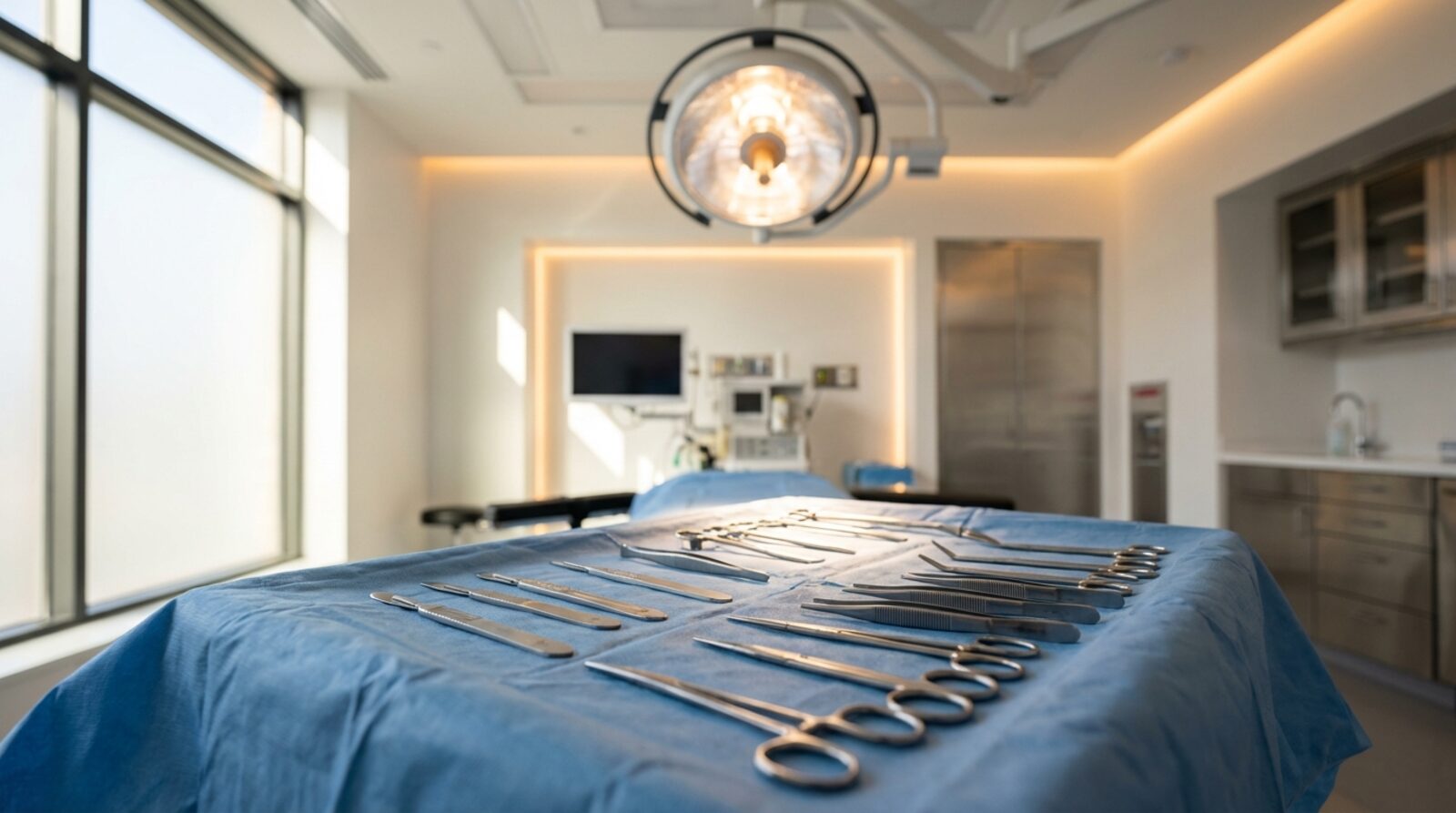
    Operating room instruments prepared for a labiaplasty technique discussion

    Labiaplasty, also called labia minora reduction, is a surgical procedure that can reduce or reshape excess labial tissue when it causes friction, pinching, hygiene difficulty, discomfort during sport or intimate activity, or a personal concern that remains clear after careful counseling. The safest question is not “which technique is best online?” but “which technique fits this patient’s anatomy, goals and risk profile?”

    This guide compares trim, wedge and laser labiaplasty in plain English. It explains where each approach may fit, what each can and cannot do, and which risks must be discussed before choosing surgery.

    Medical review: this article was reviewed by Dr. Walter Zamarian Jr., plastic surgeon in Londrina, Brazil (CRM-PR 17.388 | RQE 15.688), member of the SBCP and ASPS, with 20+ years of experience and 8,000+ surgeries performed. Last medical review: May 22, 2026.

    The short answer

    Trim labiaplasty removes tissue along the outer edge of the labia minora, wedge labiaplasty removes a central wedge while preserving more of the natural edge, and laser labiaplasty describes the cutting tool rather than a separate surgical design. The right choice depends on excess-tissue pattern, edge pigmentation, asymmetry, clitoral hood involvement, prior surgery, tissue quality, symptoms and expectations.

    First, what is normal?

    There is no single normal appearance for the vulva. Labia can be small, prominent, asymmetric, darker at the edge, lighter centrally, smooth, folded or uneven. Many women have labia minora that extend beyond the labia majora, and that can be entirely normal.

    Surgery should be considered cautiously when the main concern is comparison, shame or pressure from a partner, social media or advertising. A responsible consultation separates normal anatomical variation from symptoms such as recurrent friction, twisting, tugging, pain with exercise, irritation from clothing, hygiene difficulty or persistent discomfort.

    In patients younger than 18, elective cosmetic labiaplasty requires exceptional caution because genital anatomy continues to develop through adolescence and early adulthood. Functional problems, congenital issues or trauma require individualized medical and ethical evaluation.

    Trim labiaplasty

    The trim technique removes tissue along the free edge of the labia minora. The incision runs along the edge, and the wound is closed with fine absorbable sutures. This is one of the oldest and most direct approaches to labia minora reduction.

    Where trim can be useful

    • When excess tissue is distributed along a long edge rather than concentrated centrally.
    • When the patient wants to remove a darker or irregular edge after understanding the tradeoffs.
    • When asymmetry extends across much of the labial border.
    • When a conservative edge reduction gives better control than a central wedge.

    Tradeoffs to discuss

    Trim can change the natural border, because the edge itself is removed. The scar is placed along a friction zone, which may matter in patients prone to sensitivity, hypertrophic scarring or irritation. Over-resection can create an overly shortened or unnatural look, so conservative planning is important.

    Wedge labiaplasty

    The wedge technique removes a V-shaped or pie-shaped segment from the central portion of the labia minora. The upper and lower edges are then brought together, which can reduce projection while preserving more of the natural labial edge.

    Dr. Walter Zamarian Jr. trained directly with Dr. Gary Alter, who is widely associated with modern wedge labiaplasty refinements. That training influences his preference for preserving the natural edge when anatomy allows, but it does not mean wedge is automatically the correct option for every patient.

    Where wedge can be useful

    • When the natural edge, color and contour should be preserved.
    • When the excess is concentrated centrally.
    • When the patient has enough tissue quality for a tension-free closure.
    • When maintaining a natural border is a high priority.

    Tradeoffs to discuss

    Wedge is technically more demanding and must be closed without excessive tension. A specific risk is wound dehiscence, meaning partial opening of the suture line. Small separations may heal with local care, but larger separations can require prolonged recovery or revision. Wedge also may not address all edge irregularity or excess near the clitoral hood unless the plan is modified.

    Laser labiaplasty

    “Laser labiaplasty” usually means that a CO2 or diode laser is used to cut tissue instead of a scalpel or scissors. The laser is a tool; it does not automatically define whether the surgical design is trim, wedge or another variant.

    Where a laser can be useful

    • It may help with cutting and coagulation in selected settings.
    • It can reduce bleeding during parts of the incision when used carefully.
    • It may be chosen by surgeons who are experienced with laser tissue handling.

    Tradeoffs to discuss

    Laser energy can also create thermal injury if used too aggressively or too close to tissue that needs precise healing. It should not be marketed as a shortcut around anatomy, surgical judgment or informed consent. A well-planned scalpel technique is often safer than a poorly planned laser procedure.

    Trim vs wedge vs laser: practical comparison

    Question Trim Wedge Laser
    What it changes Outer edge of the labia minora Central tissue while preserving more edge Cutting method, not the design itself
    Main possible advantage Direct control of edge length and irregularity Preserves more natural border and pigmentation Can cut and coagulate at the same time
    Main limitation Edge scar and possible loss of natural contour Higher technical demand and dehiscence concern Does not fix poor surgical design
    Best-fit discussion Diffuse edge excess or edge pigmentation concerns Central excess with a natural edge worth preserving Only if the underlying design is appropriate
    Key risk to discuss Visible or sensitive scar, over-resection Wound separation, tension, revision Thermal injury, delayed healing, marketing bias

    How Dr. Walter chooses the technique

    In consultation, the technique is chosen after a private medical history, physical examination and expectation review. Important factors include the amount and location of excess tissue, the quality and thickness of the labia, the natural edge, asymmetry, clitoral hood anatomy, previous surgery, scarring tendency, smoking or nicotine use, infection risk, medications and the patient’s main symptom.

    For many patients, preserving the natural edge is valuable, which is why wedge-based planning may be appropriate. For others, a conservative trim or a combined approach can be safer. The surgical plan should never be chosen by trend, advertising term or instrument alone.

    Risks and red flags

    Labiaplasty is surgery and carries real risks. These include bleeding, hematoma, infection, wound dehiscence, delayed healing, scarring, asymmetry, altered sensitivity, persistent pain, pain with intercourse, excessive reduction, dissatisfaction and need for revision.

    After surgery, contact the medical team urgently if there is persistent bleeding, rapidly increasing swelling, severe or worsening pain, fever, foul-smelling drainage, spreading redness, point opening, dark color change, inability to urinate or any symptom that feels outside the instructions you received.

    Recovery timeline

    Recovery varies by technique, anatomy, extent of surgery and healing pattern. Many patients can return to desk work in about 5 to 10 days, but swelling, sensitivity and sitting discomfort may last longer. Exercise, cycling, tight clothing, swimming, beach exposure and sexual activity should resume only after medical clearance. Residual swelling can take several months to settle.

    Questions patients often ask

    Is wedge always better than trim?

    No, wedge is not always better than trim because labiaplasty technique should be selected according to anatomy, symptoms, tissue quality and surgical goals. Wedge can preserve more of the natural edge, but trim may be more appropriate for diffuse edge excess, edge pigmentation concerns or certain asymmetries.

    Is laser labiaplasty less invasive?

    Laser labiaplasty is not automatically less invasive because the laser is a cutting tool, not a separate surgical plan. If the same amount of tissue is removed, the procedure remains a surgical labiaplasty and still carries risks of bleeding, infection, scarring, delayed healing and sensitivity change.

    Can labiaplasty affect sensitivity?

    Yes, labiaplasty can affect sensitivity, although the goal is to preserve function and avoid unnecessary tissue removal. The risk depends on anatomy, technique, extent of reduction, wound healing, scar behavior and postoperative care.

    How long does recovery take?

    Labiaplasty recovery often allows low-effort work after about 5 to 10 days, but exercise and sexual activity usually require a longer pause and individual medical clearance. Swelling and tissue firmness can continue improving for weeks to months.

    Can I decide the technique online?

    No, you cannot responsibly choose a labiaplasty technique online without a physical examination and private consultation. Photos, diagrams and articles can educate, but they cannot assess tissue tension, symmetry, clitoral hood anatomy, scarring risk, infection risk or expectations safely.

    Related English pages

    For a fuller medical overview, read the English page on labiaplasty. You can also review the broader female intimate surgery section, labia majora reduction and clitoral hood reduction when anatomy suggests that more than one structure may be involved.

    Next step

    If you are considering labiaplasty, the next step is a confidential consultation, not choosing a technique from a marketing label. Dr. Walter Zamarian Jr. will evaluate anatomy, symptoms, expectations, surgical options, risks and alternatives before recommending whether surgery makes sense.

    WhatsApp: +55 43 99192-2221
    Address: R. Eng. Omar Rupp, 186 – Jardim Londrilar, Londrina/PR, Brazil
    Online consultation: information for patients outside Londrina
    CRM-PR: 17.388 | RQE: 15.688

    Medical references

    This article is informed by public medical guidance from ACOG, the NHS, Cleveland Clinic and NCBI/StatPearls on labiaplasty counseling, normal vulvar variation, technique selection, recovery and risks. It is educational and does not replace an individualized medical consultation.

  • Labiaplasty and Mental Health: Emotional Readiness

    Labiaplasty and Mental Health: Emotional Readiness

    Woman sitting calmly in a bright room while reflecting on emotional readiness before labiaplasty

    Labiaplasty can involve physical discomfort, private body-image concerns or both. Some patients seek evaluation because of friction with clothing, pinching during exercise, hygiene difficulty or pain. Others arrive after years of comparing their anatomy, feeling embarrassed or avoiding intimacy. Both situations deserve a confidential and medically responsible conversation.

    The key point is simple: labiaplasty may address selected anatomical concerns, but it is not a treatment for body dysmorphic disorder, anxiety, depression, trauma, relationship problems or self-worth. Emotional readiness matters because the safest surgical decision is one made with autonomy, realistic expectations and a clear understanding of normal vulvar variation.

    Medical review: this article was reviewed by Dr. Walter Zamarian Jr., plastic surgeon in Londrina, Brazil (CRM-PR 17.388 | RQE 15.688), member of the SBCP and ASPS, with 20+ years of experience and 8,000+ surgeries performed. Last medical review: May 22, 2026.

    The short answer

    Emotional readiness for labiaplasty means the decision is yours, the timing is stable, you understand that vulvar anatomy varies widely, you can accept surgical risks, and you are not expecting surgery to solve mental-health distress, sexuality, relationship conflict or social pressure.

    Normal anatomy comes first

    There is no single correct way for the vulva to look. Labia minora can be small, prominent, asymmetric, darker at the edge, lighter centrally, folded or uneven. Many normal labia extend beyond the labia majora. Normal variation can change during puberty, pregnancy, postpartum recovery, weight change, aging and menopause.

    Before discussing surgery, the consultation should separate normal anatomy from symptoms. A patient may have normal anatomy and still feel discomfort. A patient may also have a normal variation that has become a source of distress because of comparison, partner comments, pornography, social media or shame. These are different clinical situations and should not be handled with the same answer.

    When evaluation may make sense

    A labiaplasty consultation may be reasonable when there is persistent friction, tugging, pinching, pain during sport, irritation with tight clothing, hygiene difficulty, recurrent local discomfort or a stable personal concern that remains after education about normal anatomy.

    Evaluation does not mean automatic surgery. It means reviewing medical history, anatomy, symptoms, expectations, alternatives, technique options, risks and recovery before deciding whether surgery is appropriate.

    Signs of emotional readiness

    • The motivation is autonomous: the decision is not being driven by a partner, trend, comparison account or pressure to look a certain way.
    • The goal is specific: the concern can be described clearly, such as friction, hygiene difficulty, asymmetry, edge excess or discomfort with exercise.
    • Expectations are realistic: the goal is improvement of a defined concern, not perfect symmetry or a completely different life.
    • Risk acceptance is real: bleeding, infection, wound opening, scarring, altered sensitivity, pain and revision have been discussed.
    • The timing is stable: the decision is not being made during a breakup, grief, acute trauma, intense anxiety or another unstable period.
    • You can pause: feeling able to wait, ask questions or seek a second opinion is often a sign of a healthier decision process.

    When to pause and seek support first

    Some situations should slow the process down. This is not judgment; it is patient safety. Surgery should be delayed or reconsidered when distress seems out of proportion to the anatomy, when checking and comparing are compulsive, when the patient cannot tolerate uncertainty, or when the expected benefit is mainly emotional rescue.

    Body dysmorphic disorder, or BDD, is a mental-health condition in which a person is intensely preoccupied with perceived flaws that may be minor or not visible to others. If BDD is suspected, the safer step is evaluation by a qualified mental-health professional before cosmetic surgery. Labiaplasty should not be presented as a treatment for BDD.

    It is also prudent to pause when the decision follows a partner’s criticism, social-media comparison, recent breakup, grief, abuse, trauma, panic symptoms, depression or pressure to repair a relationship. In these situations, therapy or psychological support can help clarify whether surgery is truly aligned with the patient’s long-term values.

    How consultation should feel

    A good consultation should be private, respectful and unhurried. The patient should be able to explain symptoms and concerns without being embarrassed, rushed or sold a procedure. The surgeon should explain normal variation, examine anatomy only with consent, discuss whether labiaplasty is appropriate, and describe risks as clearly as benefits.

    Dr. Walter Zamarian Jr. evaluates the pattern of labial tissue, asymmetry, clitoral hood anatomy, labia majora relationship, previous procedures, scar risk, medical conditions, medications, nicotine use and expectations. Technique choice is individualized. For some patients, a labiaplasty plan may be reasonable; for others, reassurance, time, pelvic-health evaluation, mental-health support or no surgery may be the better recommendation.

    Emotional recovery after surgery

    Early recovery can be emotionally uneven. Swelling, bruising, asymmetry, tenderness, discharge, sensitivity and difficulty sitting can make patients worry before healing is mature. The first weeks are not the right time to judge the final shape.

    Some patients feel relief after surgery; others feel temporarily vulnerable because the area is swollen and private activities are restricted. Both reactions can be normal. Follow-up appointments help distinguish normal healing from warning signs and help the patient avoid overchecking the area too early.

    Physical and emotional warning signs

    Contact the surgical team urgently for persistent bleeding, hematoma or rapidly increasing swelling, severe or worsening pain, fever, foul-smelling drainage, spreading redness, wound dehiscence or point opening, dark color change, inability to urinate or any symptom outside the instructions you received. Longer-term risks such as altered sensitivity, painful scarring, asymmetry or need for revision should also be discussed before surgery.

    Seek mental-health support if surgery-related thoughts become obsessive, if you cannot stop checking, if distress escalates, if the result becomes the only measure of self-worth, or if anxiety, depression, trauma symptoms or relationship pressure intensify during recovery.

    Questions patients often ask

    Should I see a therapist before labiaplasty?

    Therapy is not required for every labiaplasty patient, but it is a good idea when anxiety, body-image distress, trauma, relationship pressure or uncertainty are central to the decision. A mental-health professional can help clarify whether the desire for surgery is stable, autonomous and realistic.

    Can labiaplasty improve self-confidence?

    Labiaplasty should not be promised as a way to improve self-confidence, because confidence depends on many physical, emotional and relational factors. Some patients feel more comfortable after a well-indicated surgery, but the responsible goal is to address a specific anatomical concern, not to treat self-worth.

    What is body dysmorphic disorder?

    Body dysmorphic disorder is a mental-health condition involving intense preoccupation with perceived appearance flaws that may be minor or not visible to others. If BDD is suspected, cosmetic surgery should be delayed until the patient has appropriate mental-health evaluation and support.

    How do I know if my anatomy is normal?

    Many variations in labial size, color, edge shape and asymmetry are normal, so the safest answer comes from a private examination and education about anatomy. Surgery is considered only when symptoms, stable goals and risk acceptance make the procedure reasonable.

    Can I decide during a stressful life period?

    A stressful life period is usually not the best time to decide on elective labiaplasty. If the decision follows grief, breakup, trauma, partner criticism or intense anxiety, pausing and seeking support can protect you from a choice made under pressure.

    Related English pages

    For the surgical side of this topic, read the English pages on female intimate surgery and labiaplasty. Some patients also need anatomy-specific counseling about labia majora reduction or clitoral hood reduction.

    Next step

    If you are considering labiaplasty, the next step is a confidential consultation that includes anatomy, symptoms, expectations, mental-health context, technique options, risks and alternatives. Patients outside Londrina can start with an online consultation, but a physical examination is required before any surgical decision.

    WhatsApp: +55 43 99192-2221
    Address: R. Eng. Omar Rupp, 186 – Jardim Londrilar, Londrina/PR, Brazil
    CRM-PR: 17.388 | RQE: 15.688

    Medical references

    This article is informed by public medical guidance from ACOG, the NHS, Cleveland Clinic, Johns Hopkins and NCBI/StatPearls on labiaplasty counseling, normal vulvar variation, body dysmorphic disorder, surgical risks and emotional readiness. It is educational and does not replace individualized medical or mental-health care.

  • 12 Labiaplasty Myths: Safe Medical Answers

    12 Labiaplasty Myths: Safe Medical Answers

    Medical review: Dr. Walter Zamarian Jr. – plastic surgeon in Londrina, Brazil, CRM-PR 17.388, RQE 15.688, full member of the Brazilian Society of Plastic Surgery (SBCP) and member of the American Society of Plastic Surgeons (ASPS). Last reviewed on May 22, 2026.

    Dr. Zamarian has 20+ years of medical experience and 8,000+ surgeries performed, with focused experience in female intimate surgery, labiaplasty, clitoral hood reduction and labia majora procedures.

    Labiaplasty is surrounded by myths because many women are given poor information about normal vulvar anatomy, privacy, sexual health and surgical risk. Good information should not pressure anyone into surgery; it should help a patient understand when symptoms deserve evaluation and when reassurance, education or mental-health support is the safer answer.

    There is no single “perfect” vulvar appearance. Labial size, color, shape and asymmetry vary widely. Surgery may be appropriate for selected adult patients with persistent physical symptoms, clear goals and realistic expectations, but it is not a treatment for body dysmorphic disorder, anxiety, depression, trauma, partner pressure or self-worth concerns.

    12 labiaplasty myths, answered responsibly

    Myth 1: “It is only vanity”

    Labiaplasty is not automatically vanity, but appearance alone is not enough to make surgery the right choice. Some patients report rubbing, pinching, irritation during exercise, discomfort in tight clothing or difficulty with hygiene; others mainly feel distress about appearance. A careful consultation should separate functional symptoms from normal anatomical variation and social pressure.

    Myth 2: “Every prominent labia needs correction”

    Most variation in the labia minora is normal vulvar anatomy. Surgery should never be recommended just because tissue is visible, asymmetric or different from images seen online. The key question is whether the anatomy creates persistent symptoms or whether the concern is mainly driven by embarrassment, comparison or external pressure.

    Myth 3: “Recovery is always easy”

    Recovery is usually manageable, but it should not be minimized. Swelling, bruising, tenderness, temporary pulling, spotting and sensitivity changes can occur. Many patients return to desk work within several days, but exercise, cycling, swimming and sexual activity generally require a longer pause and surgeon clearance.

    Myth 4: “You will lose sensation”

    Labiaplasty can affect sensation, especially if tissue is over-resected, the clitoral hood is handled aggressively or the surgical plan ignores nerve and blood supply. Anatomy-aware technique reduces risk, but it does not make the risk zero. Sensation should be discussed honestly before surgery.

    Myth 5: “It improves sexual function”

    Labiaplasty should not be promised as a way to improve sexual function, pleasure or relationships. Some patients feel more comfortable when friction or tugging is reduced, but sexual experience is influenced by anatomy, healing, pain, pelvic floor function, hormones, relationships, emotional safety and expectations.

    Myth 6: “Results should all look the same”

    A good result should fit the patient’s own anatomy, not a template. Overly uniform reduction can look unnatural and may create dryness, exposure, scarring or discomfort. The goal is conservative, functional and proportional tissue management.

    Myth 7: “Only young women consider labiaplasty”

    Adult patients of different ages may seek evaluation. Symptoms may appear after puberty, childbirth, weight change, hormonal change or years of irritation. For adolescents, extra caution is essential: physical maturity, emotional readiness, normal anatomy education and possible body dysmorphic concerns must be assessed carefully.

    Myth 8: “Any technique is fine”

    No single labiaplasty technique is best for every patient. Trim, wedge and other variations are tools. The safest choice depends on tissue thickness, edge pigmentation, asymmetry, hood anatomy, previous surgery, scarring risk and the patient’s specific symptoms.

    Myth 9: “Laser labiaplasty means no risk”

    Laser is a cutting or coagulating tool, not a guarantee of safer surgery. The most important factors are diagnosis, planning, anatomy knowledge, conservative resection, hemostasis and postoperative follow-up. Any technique can have complications if it is poorly indicated or poorly executed.

    Myth 10: “Results are permanent and never change”

    Labiaplasty results are usually long-lasting, but tissues continue to age and can change with pregnancy, weight fluctuation, hormonal shifts, scarring and healing differences. Long-term satisfaction depends on conservative planning and realistic expectations, not on promising that anatomy will never change.

    Myth 11: “There are no meaningful risks”

    Meaningful risks exist. They include bleeding, hematoma, infection, wound separation, delayed healing, asymmetry, visible scarring, over-resection, under-resection, persistent pain, altered sensation, painful intercourse and dissatisfaction with the result. These risks do not mean surgery is never appropriate; they mean informed consent matters.

    Myth 12: “It is too embarrassing to discuss with a surgeon”

    Intimate symptoms deserve respectful, private medical evaluation. A qualified surgeon should be able to discuss anatomy, options, risks and expectations without shame, pressure or sensational language. If the consultation feels rushed or judgmental, that is a reason to stop and seek another opinion.

    When labiaplasty should wait

    Surgery should usually wait when the main driver is partner pressure, social-media comparison, active body dysmorphic symptoms, untreated anxiety or depression, recent trauma, unclear goals, active infection, smoking that cannot be paused, uncontrolled medical disease or inability to follow postoperative restrictions.

    Body dysmorphic disorder is especially important. If a patient feels consumed by a perceived flaw that others barely notice, repeatedly checks or avoids the area, seeks repeated procedures, or believes surgery is the only way to feel acceptable, mental-health support should come before any operation.

    Frequently asked questions

    How do I know whether my anatomy is normal?

    Most labial asymmetry, visibility and variation are normal. Surgery is considered when symptoms, anatomy and goals align after a private examination and discussion, not because the vulva does not match an online image.

    Can labiaplasty be combined with other intimate procedures?

    Yes, selected patients may combine labiaplasty with clitoral hood reduction, labia majora reduction or labia majora fat grafting, but combining procedures should depend on anatomy and safety rather than convenience.

    Is wedge better than trim?

    Wedge is not automatically better than trim. Wedge can preserve the natural edge in selected anatomy, while trim may be appropriate for specific edge concerns. The right technique depends on anatomy, symptoms and conservative planning.

    Will labiaplasty change sexual sensation?

    It can. Many patients heal without major sensory problems, but altered sensation, tenderness or painful intercourse are real risks and should be discussed before surgery. No ethical surgeon should promise a sexual benefit.

    What is the safest next step if I am unsure?

    The safest next step is an educational consultation focused on symptoms, normal anatomy, risks, recovery and expectations. A good consultation may end with surgery, a different treatment plan or reassurance that surgery is not needed.

    Where this fits in the site

    For the full procedure page, read about labiaplasty in Brazil. For the broader category, see female intimate surgery. International patients can start with an online consultation before traveling to Londrina.

  • Vulvar Anatomy Diversity: What Is Normal and When to Seek Help

    Vulvar Anatomy Diversity: What Is Normal and When to Seek Help

    Medical review: Dr. Walter Zamarian Jr. – plastic surgeon in Londrina, Brazil, CRM-PR 17.388, RQE 15.688, full member of the Brazilian Society of Plastic Surgery (SBCP) and member of the American Society of Plastic Surgeons (ASPS). Last reviewed on May 22, 2026.

    Dr. Zamarian has 20+ years of medical experience and 8,000+ surgeries performed, with focused work in female intimate surgery, labiaplasty, clitoral hood reduction and labia majora procedures.

    Many women quietly wonder whether their vulvar anatomy is normal. The responsible answer is that labial size, color, edge shape, asymmetry, clitoral hood coverage and mons pubis fullness vary widely. There is no single normal or perfect vulvar appearance.

    The medical question is not whether anatomy matches a textbook drawing or an edited image online. The question is whether there are symptoms, skin changes, pain, hygiene problems, recurrent irritation, functional limitations or emotional distress that deserve a careful, private evaluation.

    What counts as normal vulvar anatomy?

    Normal vulvar anatomy includes a wide range of labia minora size, labia majora fullness, color, texture and asymmetry. One labium may be longer than the other. The inner labia may sit inside the outer labia or extend beyond them. Color can be pink, brown, purple or darker than surrounding skin. These differences are usually normal variation, not disease.

    Normal does not mean identical, hidden or symmetrical. A patient should not be told she needs surgery simply because her anatomy is visible, asymmetric or different from someone else’s.

    When should you seek medical evaluation?

    You should seek medical evaluation for persistent itching, burning, pain, swelling, new lumps, ulcers, bleeding, unusual discharge, skin-color changes, recurrent infections or symptoms that interfere with daily life. These concerns may need gynecologic evaluation before any discussion of cosmetic or reconstructive surgery.

    Evaluation is also appropriate when tissue repeatedly rubs, pinches, tucks, chafes during exercise, catches in clothing, complicates hygiene or causes consistent activity-related pain. In those cases, the goal is to understand the cause, not to assume surgery is automatically needed.

    When reassurance may be the right answer

    Reassurance can be the right answer when the anatomy is healthy, symptoms are absent and the distress comes mainly from comparison, partner comments, pornography, social media or unrealistic ideas of what a vulva “should” look like. Education about normal variation can be more helpful than an operation.

    Surgery is not a treatment for body dysmorphic disorder, anxiety, depression, trauma, partner pressure or self-worth concerns. If a perceived flaw dominates your thoughts, causes repetitive checking or avoidance, or feels like the only barrier to feeling acceptable, mental-health support should come before any procedure.

    Special caution for adolescents

    Adolescents need special caution because puberty, body image, emotional development and genital anatomy are still changing. Education about normal anatomy, physical maturity, emotional readiness and body dysmorphic symptoms should come before any surgical discussion. When BDD is suspected, referral to a mental-health professional is appropriate.

    When labiaplasty may be considered

    Labiaplasty may be considered for selected adult patients when there are persistent functional symptoms, clear goals, stable expectations and anatomy that matches the complaint. It should be a private medical decision, not a response to shame or outside pressure.

    No single labiaplasty technique is best for every patient. Trim, wedge and modified approaches are tools. Technique selection depends on tissue thickness, edge pigmentation, asymmetry, clitoral hood anatomy, scarring risk, previous surgery and the patient’s symptoms.

    Sensation, sexual function and risk

    Labiaplasty can affect sensation. Anatomy-aware planning reduces risk, but it does not eliminate it. Surgery should not be promised as a way to improve sexual function, pleasure, confidence, relationships or emotional well-being.

    Risks include bleeding, hematoma, infection, wound separation, delayed healing, visible scarring, asymmetry, over-resection, under-resection, altered sensation, persistent pain, painful intercourse and dissatisfaction with the result. A careful consent conversation should cover these issues before any decision is made.

    Related anatomy concerns

    Some concerns involve the clitoral hood, labia majora or mons pubis rather than the labia minora alone. Others may involve pelvic floor symptoms, dermatologic disease or gynecologic conditions that are outside the role of aesthetic surgery.

    For this reason, the best consultation does not start with a procedure name. It starts with symptoms, anatomy, health history, expectations and whether the safest answer is reassurance, medical treatment, mental-health support or surgery.

    Frequently asked questions

    Is visible or uneven labia normal?

    Yes, visible or uneven labia can be normal. Asymmetry, color variation and labia that extend beyond the outer folds are common and do not require treatment unless they cause symptoms or distress that persists after education and evaluation.

    When is discomfort enough to ask for help?

    Ask for help when discomfort is persistent, recurrent, activity-limiting or associated with skin changes, infection symptoms, bleeding, swelling, burning or pain. You do not need to prove extreme suffering to deserve a respectful medical evaluation.

    Can surgery fix body-image distress?

    Surgery should not be used to treat body-image distress when the main problem is body dysmorphic disorder, anxiety, depression, trauma or external pressure. In those situations, psychological support is safer than an operation.

    Does clitoral hood tissue always need reduction?

    No. Clitoral hood variation is common, and reduction is considered only when anatomy, symptoms and goals justify it. Over-treatment can create exposure, scarring, altered sensation or dissatisfaction.

    What is the safest first step?

    The safest first step is a private, educational consultation focused on normal anatomy, symptoms, red flags, expectations and risks. International patients can begin with an online consultation before deciding whether in-person evaluation in Londrina is appropriate.

    For broader context, see female intimate surgery in Brazil and the full page on labiaplasty in Brazil.