If you’re considering a deep plane facelift and researching surgeons outside your home country, safety is — and should be — your number one concern. I hear this question regularly from international patients who reach out to my clinic: “Is it safe to have a deep plane facelift in Brazil?”
It’s a fair question. You’re entrusting your face to a surgeon in another country, possibly thousands of miles from home. I want to give you an honest, detailed answer — not a sales pitch, but the facts that will help you make an informed decision.
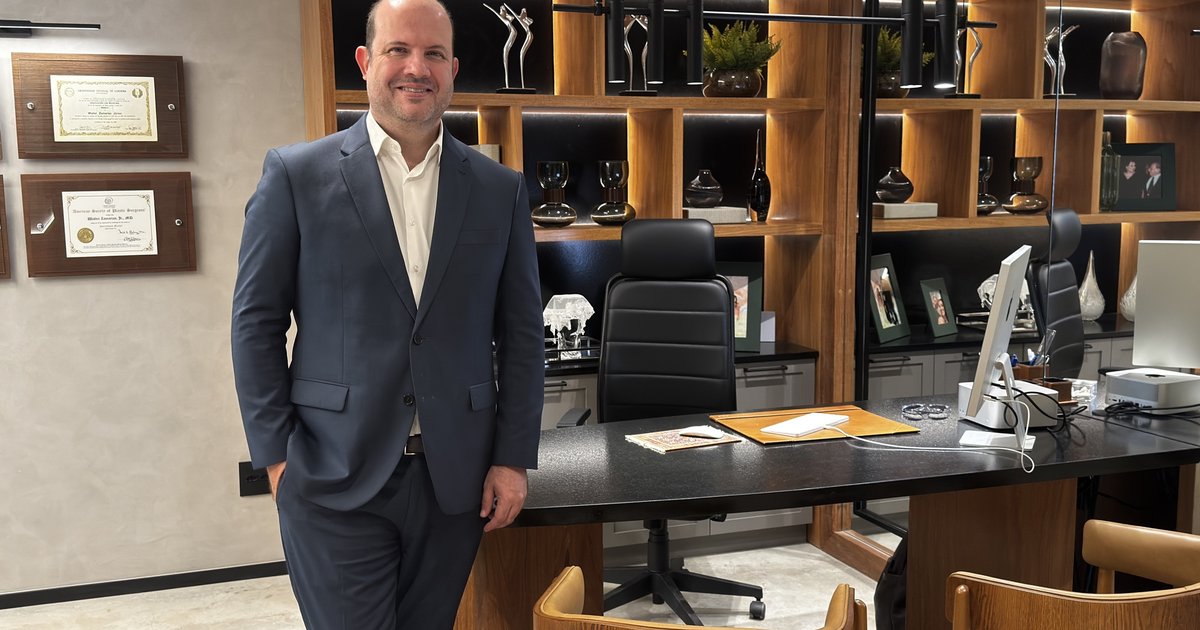
My name is Dr. Walter Zamarian Jr. I’m a board-certified plastic surgeon based in Londrina, in southern Brazil. I’ve performed over 8,000 surgeries across more than 20 years of practice, and I’ve dedicated a significant part of my career to facial rejuvenation surgery, particularly the deep plane facelift. Here’s what you need to know about safety.
Board Certification in Brazil — How It Actually Works
Brazil has one of the most rigorous plastic surgery training systems in the world. To become a board-certified plastic surgeon here, you must complete:
- 6 years of medical school
- 3 years of general surgery residency
- 3 years of plastic surgery residency at an accredited program
- Written and oral board exams administered by the SBCP (Sociedade Brasileira de Cirurgia Plástica — the Brazilian Society of Plastic Surgery)
That’s a minimum of 12 years of training after high school before a surgeon can call themselves board-certified. The SBCP is recognized internationally and is affiliated with the ISAPS (International Society of Aesthetic Plastic Surgery).
Beyond SBCP certification, every surgeon in Brazil must hold a CRM (Conselho Regional de Medicina — the Regional Medical Council registration) and an RQE (Registro de Qualificação de Especialista — the Specialist Qualification Registry number). These are public records you can verify online. My credentials: CRM-PR 17.388, RQE 15.688.
I’m also a member of the ASPS (American Society of Plastic Surgeons) and the AExPI (Associação dos Ex-Alunos do Professor Ivo Pitanguy), the alumni association of the legendary Pitanguy Clinic in Rio de Janeiro, where I completed part of my training.
Hospital and Clinic Standards in Brazil
Brazil is the second-largest market for plastic surgery in the world, with more board-certified plastic surgeons than any country except the United States. This volume has driven the development of world-class facilities, strict regulatory oversight, and a deep culture of surgical excellence.
Brazilian surgical centers are regulated by ANVISA (Agência Nacional de Vigilância Sanitária), the country’s equivalent of the FDA. Clinics and hospitals must meet detailed standards for equipment, sterilization, anesthesia, and emergency protocols. Inspections are regular and mandatory.
The quality of anesthesia in Brazil is also worth noting. Brazilian anesthesiologists undergo 5 years of specialized training (3 years of residency after medical school), and board certification through the SBA (Sociedade Brasileira de Anestesiologia) is the standard at reputable clinics.
My Clinic and Surgical Setup in Londrina
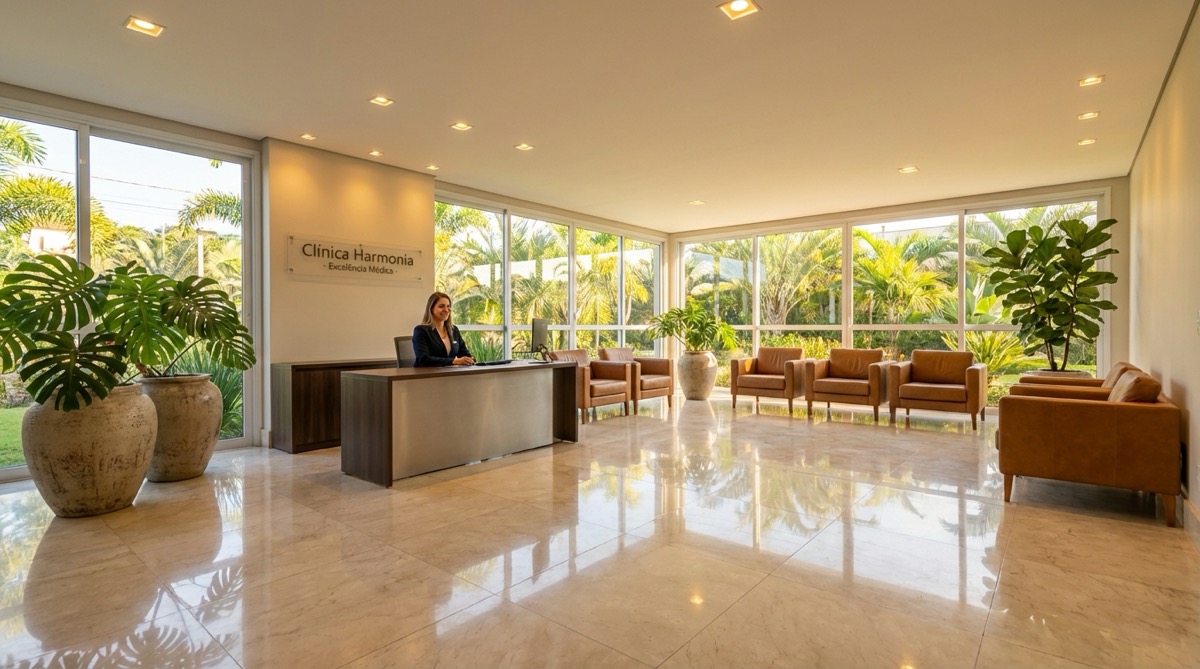
My clinic is located in Londrina, Paraná — a modern, safe city of roughly 600,000 people in southern Brazil. Unlike the chaos sometimes associated with larger Brazilian cities, Londrina offers a calm, organized environment that’s ideal for surgery and recovery.
My private clinic features:
- A fully equipped surgical center that meets ANVISA standards
- A dedicated recovery room where patients are monitored post-operatively
- A small, focused team — I personally oversee every step of your care
- Modern anesthesia equipment with continuous monitoring
I don’t operate in assembly-line fashion. I limit my surgical schedule so that each patient receives my full attention. For international patients, I’m personally available throughout your stay — including by WhatsApp for any questions or concerns.
I’m fluent in English, and I handle all communication with international patients directly. There are no intermediaries or translators between you and your surgeon.
The Deep Plane Procedure — Technical Safety Aspects
The deep plane facelift is a more advanced technique than the traditional SMAS facelift. Instead of simply pulling the skin, the surgeon works beneath the SMAS layer (the muscular layer of the face), releasing and repositioning the deeper facial structures.
This technique requires specific expertise because the surgeon works in close proximity to the facial nerve. However, when performed by a trained surgeon, the deep plane approach actually offers several safety advantages:
- Less tension on the skin, which reduces the risk of visible scarring and skin necrosis
- Better blood supply preservation because the skin flap remains attached to underlying tissue
- More natural, longer-lasting results — the face moves naturally because the deeper structures have been repositioned, not just pulled
- Lower revision rates compared to superficial techniques
I trained in the deep plane technique with Dr. Tim Marten in San Francisco, one of the pioneers of this approach. I also trained at the Pitanguy Clinic in Rio de Janeiro, widely regarded as one of the most prestigious plastic surgery training programs in the world. This combination of Brazilian and American training gives me a comprehensive perspective on facial surgery.
The deep plane facelift is not inherently dangerous — but it does require a surgeon with specific training and significant experience in this technique. Always ask your surgeon how many deep plane facelifts they’ve performed and where they trained.
What to Look for When Choosing a Surgeon in Brazil
Whether you choose me or another surgeon, here are the non-negotiable criteria you should verify:
- SBCP membership: Verify at cirurgiaplastica.org.br. If a surgeon isn’t listed, they are not board-certified in plastic surgery.
- CRM and RQE numbers: Every legitimate surgeon will share these freely. You can verify them on the CRM website of their state.
- Specific experience with your procedure: A board-certified plastic surgeon who primarily does body contouring may not be the best choice for a complex facial procedure.
- Before-and-after photos: Look for consistent, high-quality results in patients with similar concerns to yours.
- Facility accreditation: The clinic or hospital should meet ANVISA standards. Don’t hesitate to ask.
- Direct communication: Can you speak directly with the surgeon? Language barriers can lead to misunderstandings about your goals and expectations.
Be wary of agencies or intermediaries that bundle surgery with tourism packages at suspiciously low prices. Your safety depends on choosing a qualified surgeon, not finding the cheapest deal.
Frequently Asked Questions
Is Brazil really safe for plastic surgery?
Yes — when you choose a board-certified surgeon (SBCP member) operating in an accredited facility. Brazil trains some of the world’s best plastic surgeons, and the regulatory framework is robust. The key is doing your due diligence: verify credentials, review results, and communicate directly with your surgeon before making a decision.
How long should I stay in Brazil after a deep plane facelift?
I recommend a minimum of 10 to 14 days after surgery before flying home. This allows for proper monitoring, suture removal, and management of the initial swelling phase. I see my patients for follow-up appointments during this period to ensure everything is healing well.
Can I have an online consultation before traveling to Brazil?
Absolutely. I offer pre-trip online consultations for international patients. We discuss your goals, I assess your facial anatomy through photos and video, and I explain the procedure in detail. This way, you arrive in Londrina already informed and prepared — and we can use the in-person consultation for a final examination and surgical planning.
What happens if I have a complication after returning home?
Serious complications after a deep plane facelift are rare when the procedure is performed correctly. However, I remain available via WhatsApp and email after you return home. If needed, I can coordinate with a local physician in your area. This is why choosing a surgeon who communicates directly with you — rather than through an agency — matters so much.
How much does a deep plane facelift cost in Brazil compared to the USA?
A deep plane facelift in Brazil typically costs 40–60% less than in the United States, even at the highest-quality clinics. This is due to lower overhead costs, not lower quality. My initial consultation fee is R$800 (approximately US$150). Surgical fees are discussed after your in-person evaluation, as they depend on the complexity of your specific case.
Ready to learn more? I invite you to explore the deep plane facelift procedure on my website, review my before-and-after gallery, and schedule an online consultation to discuss your goals. You can reach my clinic directly — I personally respond to international patient inquiries.
drwalterzamarianjr
Dr. Walter Zamarian Jr. é cirurgião plástico em Londrina-PR (CRM-PR 17.388 | RQE 15.688), membro titular da SBCP e da ASPS. Formado em Medicina pela UEL, com especialização no Instituto Ivo Pitanguy (38a Enfermaria da Santa Casa do Rio de Janeiro) e treinamento nos EUA em lifting facial Deep Plane, rinoplastia estruturada e cirurgia íntima feminina. Com mais de 20 anos de experiência e 8.000+ cirurgias realizadas, é referência em rejuvenescimento facial e cirurgia genital feminina.
Deixe um comentário