What is a bulbous nose?
A nose whose tip is plump, bulbous, wide, or rounded is what we commonly call a "bulbous nose". The term refers to something round and flattened -- and this appearance bothers many people, affecting their self-esteem, because the nose is at the center of the face and any disproportion becomes quite evident. Fortunately, bulbous nose correction through rhinoplasty in Brazil is the surgery capable of correcting this and also improving respiratory function. Also known as nose tip refinement, this procedure is one of the most sought-after by international patients considering medical tourism for rhinoplasty in Brazil.
By performing rhinoplasty, I can reshape the nose and restore a natural balance between it and the rest of the face. The techniques vary according to each patient's needs -- and that is why individual assessment is so important. As a rhinoplasty specialist in Brazil with over 8,000 surgeries, I examine your nose in detail during the consultation and recommend the best approach for your case. It is very common for me to combine aesthetic treatment with functional treatment of the septum and turbinates, improving both appearance and breathing.
My approach follows the principles of structured rhinoplasty, a modern philosophy that prioritizes repositioning and reinforcing the cartilages with autogenous grafts, precise sutures, and cartilage flaps. Instead of simply removing tissue - as was done in the past - I reconstruct the nasal architecture so that the tip remains defined, projected, and with lasting support. This conservative technique offers more natural and stable results over time.
Main characteristics
Excess cartilage at the tip
The alar cartilages are the structures that give shape to the nasal tip. They start from the base of the columella, rise, and curve laterally to the lateral halves of the nose. When the patient has a bulbous nose, these cartilages are often thickened, wide, or excessively angled. This is a very common finding, and I can correct it in different ways:
- Removal of the cephalic third of the alar (McIndoe technique);
- Dome suture to thin and define the tip;
- Autogenous cartilage graft at the tip for projection;
- Interdomal suture bringing the two domes closer;
- Pedicled alar cartilage flap for long-lasting tip support and projection.
The skin is thick
The skin may be thickened, especially at the tip. There is no reliable and risk-free maneuver to thin the skin directly, but in some cases, I can perform careful de-fatting just below the skin, between it and the alar cartilage. This way, I thin the coverage of the tip without leaving external scars or altering pigmentation. Alar base reduction (alarplasty) can also significantly improve the appearance in cases of thick skin or very open nostrils.
Lack of support at the tip
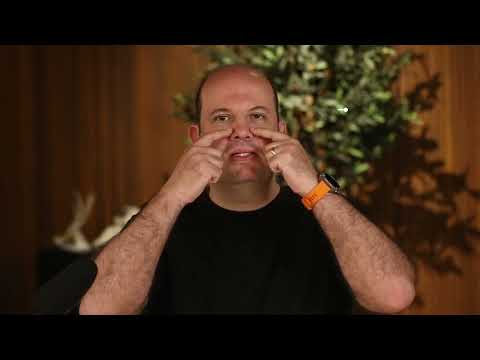
As I show in the video below, the maneuver to test the support of the tip is simple: just try to lower it with a finger. If the tip easily gives way, this indicates a lack of support - and I can correct it by placing a vertical graft (strut) between the alar cartilages. This is the fundamental principle of structured rhinoplasty: to provide support to weakened areas, reconstructing the cartilaginous skeleton so that the tip remains firm, defined, and functional in the long term.
Subscribe to my YouTube channel:
Subscribe on YouTube"I summarized this page for you in this YouTube video:"
The consultation for bulbous nose rhinoplasty
During the consultation, I evaluate all the details of your nose:
- Appearance of the nose:
- Height of the nasal bridge and tip;
- Length;
- Width of the nose, tip, and nostrils;
- Presence or absence of nasal deviations;
- Thickness of the skin on the nose;
- Support of the tip;
- Asymmetry or deformity of the nasal alae;
- All functional aspects of the nose;
- Septal deviation;
- Hypertrophy of turbinates;
- Facial profile, since the nose should be in proportion with the face.
I will perform a thorough evaluation, check for any health concerns, assess your breathing, and explain in detail what can be improved during the surgery. I also show results of surgeries I have already performed, so you have a realistic expectation of what rhinoplasty can offer.
The pre-operative visit
Before the surgery, you will return to my office so I can evaluate your test results and take the photos I will use as a reference during the surgery. If there are any abnormalities in the tests, I will prescribe medications to correct them or request additional tests, ensuring that your surgery is performed with maximum safety.
Understand how rhinoplasty for bulbous nose correction works
I perform rhinoplasty under general anesthesia in a surgical center. The surgical plan outlined during the consultation, as well as the photos taken during the pre-operative visit, are displayed in the operating room and serve as a guide to ensure everything goes as planned.
Incision
I start the open rhinoplasty with a small incision in the columella, which usually becomes practically imperceptible afterward. Then, I carefully dissect the tip and the rest of the nose, exposing the entire cartilaginous structure.
Reshaping the bridge
If the bridge is high, I reshape this area to lower it. In some cases, it may be necessary to remove excess with a scalpel. Reshaping is a very common procedure that I perform early in the surgery, and it helps to reduce the volume of the nose.
Dissection of the septum
If there is a deviation or the need to remove cartilage from the septum to use as a graft, I dissect the septum and remove the necessary part. When the deviation is very large, I can remove up to 95% of the septum to prevent recurrence. In these cases, I reconstruct the structure of the bridge and tip from scratch, shaping the grafts to the ideal size to improve both breathing and nasal support.
Closure of the internal nasal valve
After treating the septum, I close the internal nasal valve, restoring the anatomy that existed before the dissection.
Fracture
When the nose is wide or when I lower the bridge significantly, I usually perform a fracture to narrow it and improve nasal aesthetics. The fracture does not compromise airflow, as it is done in a high part of the nasal bones, while breathing occurs mainly through the lower internal part.
Treatment of the nasal tip
It is at this stage that I provide support for the tip, remove excess alar cartilage, place dome sutures, and graft cartilage to the tip. I correct asymmetries when necessary, and in cases where the lower lateral cartilages are vertically oriented, I perform lateral crural repositioning to improve definition and projection.
Suturing
This is the stage where I suture the skin, carefully closing the surgery to ensure the best possible healing.
Morselization of turbinates
When there is breathing difficulty, it may be necessary to create space for airflow through the morselization of the turbinates. For this, I use a device that laterally separates the turbinates, in a physiological and effective manner, widening the airflow passage.
Alar base reduction
If the nostrils are too wide, I reduce them with a small incision on the inferolateral part. The scar, like that of the columella, usually becomes almost imperceptible post-operatively.
Result of structured rhinoplasty
The recovery is quick and practically painless. I recommend that you sleep on your back for a month, avoid physical exertion, and refrain from wearing glasses for two months. The result of the rhinoplasty is already visible in the first weeks, but the final result appears only after about a year, as the swelling decreases and the tip progressively thins. Patience during this phase is essential — and the result is worth the wait.
Schedule your consultation for bulbous nose rhinoplasty in Brazil
If you are dissatisfied with the appearance of the tip of your nose, I can help you. I specialize in aesthetic and functional rhinoplasty, addressing both the aesthetic and respiratory aspects in a single procedure. Contact the Zamarian Clinic now and speak with one of our receptionists, who will be happy to schedule your evaluation and answer any questions you may have about rhinoplasty.
Also learn about secondary rhinoplasty, ultrasonic rhinoplasty, ethnic rhinoplasty, septorhinoplasty, and male rhinoplasty. Mentoplasty can complement the balance of the facial profile. See information about the first consultation and the investment.
Ready to transform your nose? Schedule your consultation now!

Dr. Walter Zamarian Jr.
Plastic Surgeon - Londrina, Brazil
Rua Engenheiro Omar Rupp, 186
Londrina - Brazil
ZIP 86015-360
Brazil
YouTube Channel: Dr. Walter Zamarian Jr.
Follow on Instagram: @drwalterzamarianjr
Follow on TikTok: @drwalterzamarianjr
Frequently Asked Questions about Rhinoplasty for Bulbous Nose
What is a bulbous nose and why does it bother so many people?
In my practice, a "bulbous nose" is one with a wide, rounded, and poorly defined tip. It bothers because the nose is at the center of the face — any disproportion becomes very evident and can significantly affect the patient's self-esteem. The good news is that structured rhinoplasty corrects this problem with very natural results.
Can rhinoplasty really correct a bulbous nose?
Yes, definitely. I use various techniques to treat the bulbous tip: removal of the cephalic third of the alar cartilages, sutures on the dome to narrow and define the tip, autogenous cartilage grafts, and interdomal suture. Each patient receives an individualized surgical plan because the causes of a bulbous nose vary from person to person.
Is it possible to improve breathing along with aesthetics in the same surgery?
Yes, and in my experience, this is very common. I usually combine aesthetic treatment with functional treatment — I correct septal deviation and turbinate hypertrophy in the same surgery. This way, the patient leaves with a more attractive nose and improved breathing.
Can the thick skin of the nose be thinned during rhinoplasty?
There is no reliable technique to thin the skin directly without risks. However, in some cases, I can perform careful de-fatting between the skin and the alar cartilage, thinning the coverage without leaving external scars. Alarplasty (alar base reduction) also helps significantly when the nostrils are very wide.
What is structured rhinoplasty and why do you use it?
Structured rhinoplasty is my approach of choice because, instead of simply removing cartilage — as was done in the past — I reconstruct the nasal architecture with autogenous grafts, precise sutures, and cartilaginous flaps. This ensures a defined, projected tip with lasting support. The results are more natural and stable over time.
What is the consultation for bulbous nose rhinoplasty like?
In the consultation, I carefully evaluate the patient's nose: height of the dorsum, length, width of the tip and nostrils, skin thickness, support, deviations, septum, turbinates, and the facial profile as a whole. I also show results of surgeries I have already performed so that the patient has realistic expectations.
Does rhinoplasty for bulbous nose leave a visible scar?
I perform open rhinoplasty with a small incision in the columella, which usually becomes practically imperceptible in the postoperative period. If alarplasty is necessary, the scar on the inferolateral part of the nostrils also becomes almost invisible over time.
How long does it take to see the final result?
The result is already visible in the first weeks, but the final result appears only after about a year. The swelling decreases progressively and the tip thins over the months. I always advise my patients that patience during this phase is essential — and the result is worth the wait.
Is the recovery from rhinoplasty painful?
In my experience, recovery is quick and practically painless. I recommend that my patients sleep on their backs for a month, avoid physical exertion, and refrain from wearing glasses for two months. These are simple precautions that make all the difference in the result.
Does breaking the nose during rhinoplasty affect breathing?
No. When the nose is wide or when I lower the dorsum significantly, I perform the fracture to narrow it. It is done in a high part of the nasal bones, while breathing occurs mainly through the lower internal part. Therefore, the fracture does not compromise the airflow.
Search our website:
This page in other languages:
Portuguese (BR) | English (US) | English (UK) | Italian | French | Spanish