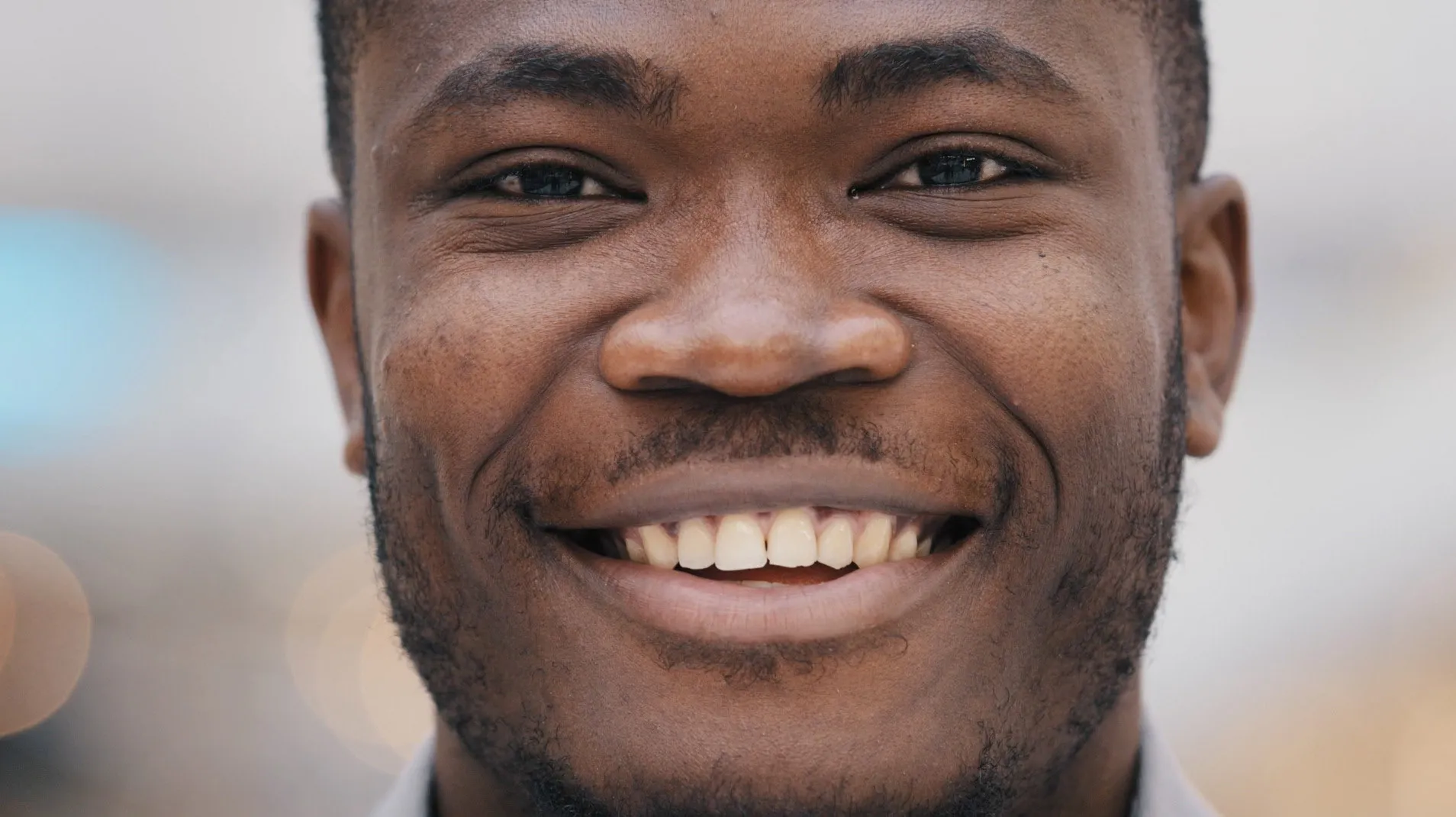
What is an Afro-descendant nose?
As a board-certified plastic surgeon in Brazil (CRM-PR 17,388 | RQE 15,688), I have dedicated over twenty years and more than 8,000 surgeries to facial procedures, with ethnic rhinoplasty being one of my core specialities. I trained at the renowned Pitanguy Institute in Rio de Janeiro and further refined my techniques in the United States, specifically for structured rhinoplasty on Afro-descendant noses. International patients from the United Kingdom seeking ethnic rhinoplasty in Brazil benefit from my expertise and the growing appeal of medical tourism in Brazil for cosmetic surgery.
Afro-descendant noses are a type of nose characteristic of people of African descent. They have a unique bony and cartilaginous structure that differs from the noses of other ethnicities. Generally, the characteristics of this type of nose include: a wider base, a more rounded tip with less projection, wider nostrils (alae), and a shorter nasal floor.
The nasal dorsum may be straight, but is often wide and flat. The columella, the part that separates the two nostrils, is usually short and has little projection due to the lesser cartilaginous support of the tip. The thickness of the skin covering the Afro-descendant nose is also often greater than in other types of noses, which presents an additional technical challenge in achieving a more refined appearance after surgery. Additionally, the alar and septal cartilages tend to be more flexible and delicate, requiring specific structural reinforcement strategies. The nasal bone is often shorter and wider, and the soft tissues are more abundant, factors that directly influence surgical planning.
It is important to remember that the Afro-descendant nose is a natural and beautiful characteristic that is part of the cultural identity of many people. However, when there is a desire to modify the appearance for aesthetic or functional reasons, it is essential to have an experienced and specialised plastic surgeon in ethnic rhinoplasty so the surgical plan can respect the patient's identity — and not impose standards from other ethnicities.
I have over twenty years of experience in nose surgery for Afro-descendant patients and use structured rhinoplasty techniques, including autologous cartilage grafts, with individualised planning for each case. As a board-certified plastic surgeon Brazil (CRM-PR 17,388 | RQE 15,688), I am a member of the Brazilian Society of Plastic Surgery (SBCP) and the American Society of Plastic Surgeons (ASPS), and I lead a medical team dedicated to all types of facial surgery. Patients from the United Kingdom seeking ethnic rhinoplasty abroad benefit from my training at the Ivo Pitanguy Institute combined with techniques learnt in the United States. My approach always prioritises a natural and balanced result, preserving the ethnic traits of the patient and keeping identity at the centre of planning. I use techniques such as alarplasty for refining the alar base, septal extension with graft (*septal extension graft*) for tip projection, and *spreader grafts* for dorsal support — always respecting individual anatomy.
Characteristics of ethnic rhinoplasty in Brazil
Rhinoplasty for an Afro-descendant nose is a highly specialised procedure that requires a specific approach and refined technique. The unique structure of the nose of African origin makes the surgery more complex than a conventional rhinoplasty. I trained in the United States specifically to deepen my aesthetic and functional planning for this surgery. As a member of the SBCP (Brazilian Society of Plastic Surgery) and the ASPS (American Society of Plastic Surgeons), I follow structured surgical planning for every procedure I perform at my clinic in Brazil.
During rhinoplasty in an Afro-descendant nose, I work to create a stronger and more defined nasal structure — this is what we call structured rhinoplasty. This may involve creating nasal supports using cartilage from the patient's own body, such as the nasal septum, or cartilage from other areas, such as the ear or rib. The use of autologous cartilage is often necessary to define and support the nasal tip and create a more refined and stable profile in the long term.
If the nasal septum is not available in sufficient quantity, I usually opt for rib cartilage grafting. Although this procedure is more complex, it may be the best option for patients who need a larger amount of cartilage to achieve the desired result. Rib cartilage allows for the creation of robust grafts such as the *columellar strut*, *cap graft*, and *shield graft*, essential for defining and projecting the nasal tip in a lasting manner. I discuss with each patient all available options so we can together determine the best approach.
As mentioned, the skin covering the Afro-descendant nose is generally thicker and oilier, which can make it more difficult to achieve a refined appearance after rhinoplasty. I use de-greasing techniques with scissors to reduce the subcutaneous tissue and create a more defined appearance. It is important to emphasise that, in thicker skins, post-operative inflammation tends to be more prolonged, and the final result may take up to twelve months to fully consolidate.
Subscribe to my YouTube channel:
Subscribe on YouTube"I summarised this page for you, in this YouTube video:"
The consultation for ethnic rhinoplasty in Brazil
During the consultation, I perform a complete evaluation of the nose and consider all the details that can be improved, which vary according to the characteristics of each case. This includes the appearance of the nose — height of the bridge and tip, length, width of the nose, tip and nostrils, alar base — as well as the presence or absence of nasal deviations and skin thickness.
I also assess the support of the tip, the presence of asymmetries or deformities, and all the functional aspects of the nose, such as septal deviation and turbinate hypertrophy. I also consider the profile of the face to ensure that the enhanced nose naturally complements the patient's face, respecting their ethnic traits.
I discuss with the patient their health conditions, assess their breathing, and present in detail the possibilities for improvement that the surgery can provide. To help visualise the result, I usually show photos of surgeries I have performed on similar cases.
In summary, my consultation for ethnic rhinoplasty is thorough and meticulous, evaluating all the details of the nose and considering functional and aesthetic aspects to plan a balanced, identity-preserving result.
The pre-operative follow-up
Before the surgery, a follow-up consultation is necessary so that I can check the results of the tests and take the photos that will be used during the surgery. If there are any changes in the tests, I prescribe medications to correct them or request additional tests to ensure the maximum safety of the procedure.
This step is essential for the surgery to occur without complications, allowing for a precise and detailed view of the nose before the operation. I prioritise maximum safety and efficacy in all procedures, ensuring that my patients can undergo the surgery with peace of mind.
What are the characteristics of rhinoplasty with rib or septal cartilage graft?
Ethnic rhinoplasty is performed under general anaesthesia in theatre. The surgery can be open or closed, but for noses of African descent, I have preferred the structured open technique, which allows for better visualisation of the nasal structures and greater precision in grafting. During the procedure, the surgical plan drawn up in the consultation and the photos taken during the pre-operative follow-up are displayed in theatre as a reference throughout the operation.
Incision
Open rhinoplasty begins with an incision in the columella, which usually does not leave a very noticeable scar. Next, the tip and the rest of the nose are dissected using scissors.
Bridge augmentation
If the nasal bridge is short and low, this part is usually augmented with cartilage graft. In some cases, fracturing helps to slightly elevate a low bridge. The cartilage is chipped at the end of the surgery in the form of microchips and delicately placed on the bridge to augment it.
Septal dissection
If there is a deviation or the need to remove a portion of the septum for grafting, I dissect the septum and remove the necessary portion. When there is a very large deviation, it may be necessary to remove up to 95% to reduce the risk of recurrent septal deviation. In these cases, the structure for the bridge and tip is rebuilt from scratch, which can be sized to improve breathing when obstruction is present and to support the projection of the nasal tip.
Closure of the internal nasal valve
After treating the deviation, the internal nasal valve is closed, restoring the previous anatomy.
Fracture
A wide nose often requires fracturing to narrow it and improve nasal aesthetics. The fracture does not reduce airflow, as it is performed in a high area, while airflow occurs mainly through the lower internal part.
Cartilage graft
This can be performed to increase the length of the nose, supporting the tip and achieving a natural and balanced result. Septal extension may be necessary depending on the type of case, and it helps in defining the tip.
Treatment of the nasal tip
It is at this stage that the support of the tip is performed, excess alar tissue is removed, the knees are sutured, and alar cartilage is used at the tip. In other words, in the process of rhinoplasty on Afro-descendant noses, a refinement of the tip is performed through sutures and grafts.
Suturing
This is the part where the skin is closed, approaching the end of the surgery.
Morselisation of turbinates
When there is respiratory difficulty, it may be necessary to open space for airflow through the morselisation of the turbinates. For this, I use a device that opens the airway and moves the turbinates laterally, in a physiological and effective manner.
Alar base reduction
If the nostrils are too open, they can be reduced with a small cut on their inferolateral part. The scar, like that of the columella, usually becomes discreet in the post-operative period, although scar quality varies between patients.
Result of ethnic rhinoplasty in Brazil
Recovery after ethnic rhinoplasty is usually manageable with prescribed medication and structured post-operative guidance. I advise my patients to sleep on their backs for a month, avoid physical exertion, and refrain from wearing glasses for two months. The natural and balanced result is usually visible within the first few weeks, but the final result appears only after about a year, as swelling decreases and healing gradually refines the nose. In thicker skins, typical of Afro-descendant noses, this process may take a little longer. Many international patients who travel to Brazil for cosmetic surgery appreciate the comprehensive follow-up I provide, including online consultations during the post-operative period.
Book your ethnic rhinoplasty in Brazil
Book your consultation for ethnic rhinoplasty in Brazil with a board-certified plastic surgeon. I perform aesthetic and functional rhinoplasty at my clinic in Brazil, planning nasal shape and breathing function together when obstruction is identified. International patients choosing medical tourism in Brazil for cosmetic surgery receive comprehensive support throughout their journey, from initial online consultation to post-operative follow-up. Contact the Zamarian Clinic now and speak with one of our receptionists, who will be delighted to book your assessment and answer any questions.
Also learn about ethnic rhinoplasty (dedicated page), revision rhinoplasty, ultrasonic rhinoplasty, septorhinoplasty, and male rhinoplasty. Mentoplasty can complement the balance of the profile. See information about the cost.
Are you ready to have a beautiful nose? Call now and book a consultation!

Dr. Walter Zamarian Jr.
Plastic Surgeon in Brazil
Rua Engenheiro Omar Rupp, 186
Londrina - Brazil
ZIP 86015-360
Brazil
YouTube Channel: Dr. Walter Zamarian Jr.
Follow on Instagram: @drwalterzamarianjr
Follow on TikTok: @drwalterzamarianjr
Frequently asked questions about ethnic rhinoplasty in Brazil
What makes rhinoplasty in Afro-descendant noses more complex than conventional rhinoplasty?
In my experience of over twenty years, Afro-descendant noses present unique challenges: the base is wider, the tip has less projection and support, the cartilages are more flexible and delicate, and the skin is thicker and oilier. All of this requires a structured approach with cartilage grafts to create the support that the nose needs. I trained in the United States specifically to master these specific techniques.
Where does the cartilage used in ethnic rhinoplasty come from?
My first option is always the cartilage from the patient's nasal septum. When the septum does not provide enough quantity, I usually opt for rib cartilage grafts, which allow me to create robust grafts such as the columellar strut, cap graft, and shield graft. I discuss all available options with each patient to define together the best approach.
Does ethnic rhinoplasty eliminate the natural characteristics of my nose?
Ethnic rhinoplasty should not eliminate the natural characteristics of an Afro-descendant nose when it is planned with identity preservation as a priority. My approach always prioritises a natural and balanced result, preserving the ethnic traits of the patient. I do not seek to impose standards from other ethnicities — the goal is to refine and enhance the aesthetics of the nose in balance with each person's face, respecting their identity.
Is it possible to thin the thick skin of Afro-descendant noses during surgery?
I use de-fatting techniques with scissors to reduce the subcutaneous tissue and create a more defined appearance, without external scars or changes in pigmentation. There is no reliable technique to thin the skin directly, but reducing the fat beneath it already produces significant refinement.
How long does it take to see the final result of rhinoplasty in Afro-descendant noses?
The natural and balanced result is usually visible within the first few weeks, but the final result appears only after about a year. In thicker skins, typical of Afro-descendant noses, this process may take a little longer, as the reduction of swelling and improvement in healing gradually refine the nose.
Does ethnic rhinoplasty also improve breathing?
Ethnic rhinoplasty can improve breathing when septal deviation, turbinate hypertrophy or internal nasal valve problems are diagnosed and treated during the same operation. I perform aesthetic and functional rhinoplasty together when medically indicated, so the plan can address nasal shape and airflow in the same surgery.
What is the recovery like after rhinoplasty in Afro-descendant noses?
Recovery after rhinoplasty in Afro-descendant noses is usually manageable with prescribed medication, nasal care and structured post-operative guidance. I advise my patients to sleep on their backs for a month, avoid physical exertion, and refrain from wearing glasses for two months. Many patients return to routine non-strenuous activities in about two weeks, depending on healing and the work they do.
Is it possible to narrow the nostrils during rhinoplasty?
Yes, ethnic rhinoplasty can narrow wide nostrils with alarplasty when alar-base width is part of the surgical indication. I perform a small incision on the inferolateral part of the nostrils to reduce them. The scar usually becomes discreet over time, although scar quality varies between patients.
Is ethnic rhinoplasty performed with an open or closed technique?
For noses of African descent, I have preferred the structured open technique, which allows better visualisation of the nasal structures and greater precision in grafts. The incision is made in the columella and usually becomes discreet after healing, although scar quality depends on individual biology and post-operative care.
How does the consultation for ethnic rhinoplasty with Dr. Zamarian work?
In the consultation, I conduct a complete assessment of the nose — height of the dorsum, projection of the tip, width, thickness of the skin, deviations, support, and respiratory function. I also consider the profile of the face to ensure balance. I show photos of surgeries I have performed in similar cases and discuss in detail the possibilities for improvement that the surgery can provide.
Search our website:
This page in other languages:
Portuguese (BR) | English (US) | English (UK) | Italian | French | Spanish