
“How long will my facelift results last?” — this is by far the most common question I hear in my practice in Londrina, Brazil. And it’s a question that deserves a thorough, honest answer. With over 20 years of experience and more than 8,000 surgeries performed, I have the privilege of following patients long-term and witnessing firsthand how different techniques hold up over time.
The short answer: a Deep Plane facelift lasts significantly longer than traditional techniques — typically 10 to 15 years or more. But the full story is far more interesting than a single number. Let me walk you through the science, the timeline, and what you can do to maximize your results.
Deep Plane vs Traditional SMAS — Why the Duration Differs So Dramatically
Understanding why the Deep Plane lasts longer requires understanding the fundamental difference between techniques. In a traditional SMAS facelift, the surgeon tightens the superficial musculoaponeurotic system (SMAS) and the overlying skin. This creates mechanical tension — essentially pulling tissues taut. The problem? You’re fighting gravity with tension, and gravity always wins eventually. Traditional SMAS results typically last 5 to 7 years before noticeable recurrence.
The Deep Plane technique takes a fundamentally different approach. I dissect beneath the SMAS and platysma muscle, releasing the face’s retaining ligaments — zygomatic, masseteric, and mandibular. This allows me to reposition the deep tissue layers as a single unit: SMAS, platysma, malar fat, and deep fat pads, returning them to their original anatomical position.
The critical distinction is this: we’re not pulling anything. We’re repositioning. The tissues move back to where nature originally placed them, supported by the body’s own anatomy. This is why the results are so stable — there’s no tension working against the repair.
Think of it this way: traditional SMAS is like stretching a rubber band — eventually it snaps back. Deep Plane is like putting furniture back in its rightful place — it stays there.
Results Timeline: What to Expect Month by Month
The evolution of your Deep Plane facelift results follows a predictable timeline:
Month 1: Initial Recovery
Swelling dominates this period. During the first 7 to 10 days, expect significant edema and possible bruising. Most patients are socially presentable within 2 to 3 weeks, though residual swelling persists. Your final result is not yet visible — patience is essential.
Month 3: Results Emerge
With approximately 80% of swelling resolved, facial contours begin defining themselves. The midface gains projection, the nasolabial fold softens, and the jawline sharpens. This is typically when patients start receiving compliments — “you look great” — without anyone pinpointing exactly what changed.
Month 6: Near-Final Result
Residual swelling has virtually disappeared. Tissues have settled into their new position and the skin has adapted to the refreshed contour. Many patients report feeling “10 to 15 years younger.” The hallmark of Deep Plane — natural-looking results with no pulled or windswept appearance — is fully evident.
Year 1: Definitive Result
All healing and tissue settling is complete. Incisions, already discreet by technique, are mature and virtually invisible. This is your reference point — the baseline from which natural aging resumes, but from a significantly younger starting position.
Year 5: Impressive Stability
Here’s where the Deep Plane truly distinguishes itself. While traditional SMAS patients begin noticing recurrence at the five-year mark, Deep Plane patients maintain the vast majority of their result. Malar projection remains, the nasolabial fold stays soft, and the jawline continues to look defined.
Years 10 to 15+: True Longevity
I have patients I operated on over a decade ago who still present remarkable results. They’ve aged, naturally, but they look significantly younger than they would have without surgery. Most report continued satisfaction — something rare in facial plastic surgery at this time frame.
Factors That Influence How Long Your Results Last
While the Deep Plane offers superior durability, several factors can accelerate or slow the aging process after surgery:
- Genetics: Patients with thicker skin and good elasticity tend to maintain results longer. Facial bone structure also matters — strong malar and mandibular projection provides better scaffolding for repositioned tissues.
- Sun exposure: UV radiation is the single greatest accelerator of skin aging. It degrades collagen and elastin, compromising skin quality over the repositioned tissues. Daily sun protection is non-negotiable.
- Smoking: Tobacco damages microcirculation, accelerates collagen breakdown, and impairs healing. Smokers consistently experience shorter-lasting results with any facelift technique.
- Weight fluctuations: Significant weight gains and losses affect facial volume. Maintaining a stable weight is important for preserving your result.
- Lifestyle: Balanced nutrition, adequate hydration, quality sleep, and stress management all contribute to skin health and, consequently, result longevity.
The Regenerative Deep Plane Bonus
In recent years, I’ve evolved my technique into what I call the Regenerative Deep Plane. Beyond the deep tissue repositioning, I combine autologous fat grafting (facial lipofilling) with a concentrate of mesenchymal stem cells derived from the patient’s own adipose tissue.
This regenerative component brings significant benefits to longevity:
- Volume restoration: Grafted fat replaces volume lost to aging, particularly in the malar, temporal, and periorbital regions.
- Tissue regeneration: Mesenchymal stem cells promote neocollagenesis, neovascularization, and regeneration of surrounding tissues, improving skin quality from the inside out.
- Synergistic effect: The combination of deep repositioning + volume + regeneration creates a result that not only lasts longer but actually improves over the first several months as growth factors take effect.
In my experience, patients who choose the Regenerative Deep Plane report even greater long-term satisfaction, with visibly superior skin quality compared to standard Deep Plane alone.
Will I Need a Revision in the Future?
This is another frequent concern — and the answer is reassuring. The vast majority of my Deep Plane patients do not require revision surgery. Unlike more superficial techniques where recurrence can be significant, the deep tissue repositioning of the Deep Plane is structurally stable.
Some patients, after 10 to 15 years, opt for smaller complementary procedures — a mini neck lift, blepharoplasty, or targeted filler — but rarely a complete facelift revision. This represents a significant advantage in terms of long-term value.
It’s important to understand: even the best facelift doesn’t stop the biological clock. Aging continues, but from a much more favorable starting point. If the Deep Plane rejuvenated your appearance by 12 years, even with natural aging, you’ll always be “ahead” of where you’d be without the surgery.
How to Maximize Your Facelift Longevity
Based on my clinical experience of over two decades, here are my recommendations for preserving your result as long as possible:
- Rigorous sun protection: SPF 50+ daily, reapply every 2-3 hours during exposure. Hats and sunglasses provide essential additional coverage.
- Don’t smoke: If you smoke, your facelift is excellent motivation to quit. The benefits to your skin become visible within weeks.
- Medical-grade skincare: Retinoids (tretinoin or retinol), topical vitamin C, hyaluronic acid, and peptides. Work with your dermatologist on a personalized protocol.
- Maintain stable weight: Avoid fluctuations greater than 5 kg (about 10 lbs). If you plan to lose significant weight, do so before surgery.
- Hydration and nutrition: Prioritize protein, antioxidants (colorful fruits and vegetables), and healthy fats (omega-3). Adequate water intake supports skin elasticity.
- Quality sleep: During sleep, your body performs its most critical regenerative processes. Seven to eight hours per night makes a real difference.
- Maintenance procedures: Laser treatments, chemical peels, radiofrequency, and collagen biostimulators can complement and extend your surgical result over time.
Frequently Asked Questions
Does a Deep Plane facelift last forever?
No surgical procedure permanently stops aging. The Deep Plane typically lasts 10 to 15 years or more, but natural aging continues. The good news is that you’ll always look younger than you would have without surgery — the benefit is cumulative and permanent in that sense.
At what age does a Deep Plane facelift last the longest?
Patients between 45 and 60 generally achieve the most durable results, combining tissues with good remaining quality and sufficient aging for the repositioning to produce a dramatic improvement. However, patients in their 60s and 70s also achieve excellent results — the evaluation is always individual.
What is the difference in duration between Deep Plane and SMAS?
In the literature and in my clinical experience, the Deep Plane consistently lasts roughly twice as long: 10 to 15 years compared to 5 to 7 years for traditional SMAS. The reason is anatomical — deep tissue repositioning is inherently more stable than superficial tension.
Does the Regenerative Deep Plane last longer than standard Deep Plane?
Yes. The regenerative component — fat grafting with stem cells — adds permanent autologous volume and promotes active tissue regeneration. Regenerative Deep Plane patients demonstrate superior skin quality and greater satisfaction in long-term follow-ups.
Can I combine other procedures with my facelift to improve longevity?
Absolutely, and I frequently recommend it. Blepharoplasty (for the eyelids), rhinoplasty (if indicated), and skin treatments (laser, chemical peels) can be performed simultaneously. A combined approach tends to produce more harmonious, complete results with the advantage of a single recovery period.
If you’re considering a facelift and want to know which technique offers the best long-term result for your specific case, schedule a consultation. Every face is unique, and an in-person evaluation is essential for personalized surgical planning. Reach out via WhatsApp or through the contact form on this website — I’ll be happy to answer all your questions.
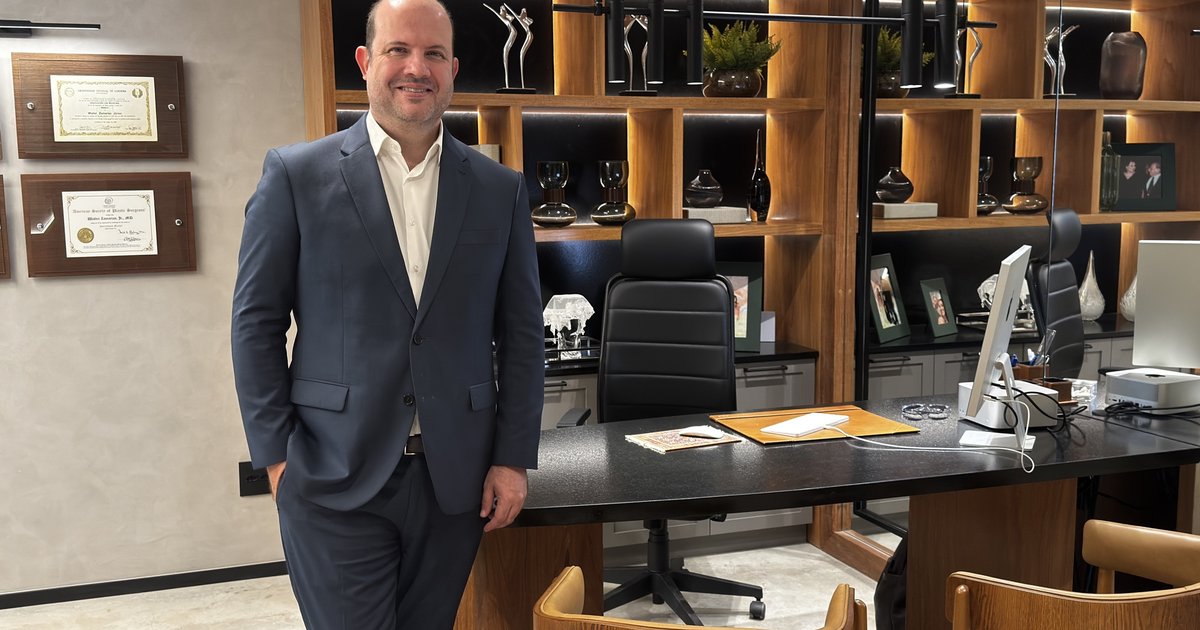
drwalterzamarianjr
Dr. Walter Zamarian Jr. é cirurgião plástico em Londrina-PR (CRM-PR 17.388 | RQE 15.688), membro titular da SBCP e da ASPS. Formado em Medicina pela UEL, com especialização no Instituto Ivo Pitanguy (38a Enfermaria da Santa Casa do Rio de Janeiro) e treinamento nos EUA em lifting facial Deep Plane, rinoplastia estruturada e cirurgia íntima feminina. Com mais de 20 anos de experiência e 8.000+ cirurgias realizadas, é referência em rejuvenescimento facial e cirurgia genital feminina.
Deixe um comentário