Consultations and follow-up
I see you at my office to hear your expectations, examine your face, take photographs and follow your progress. The address and ways to book are on the contact page.
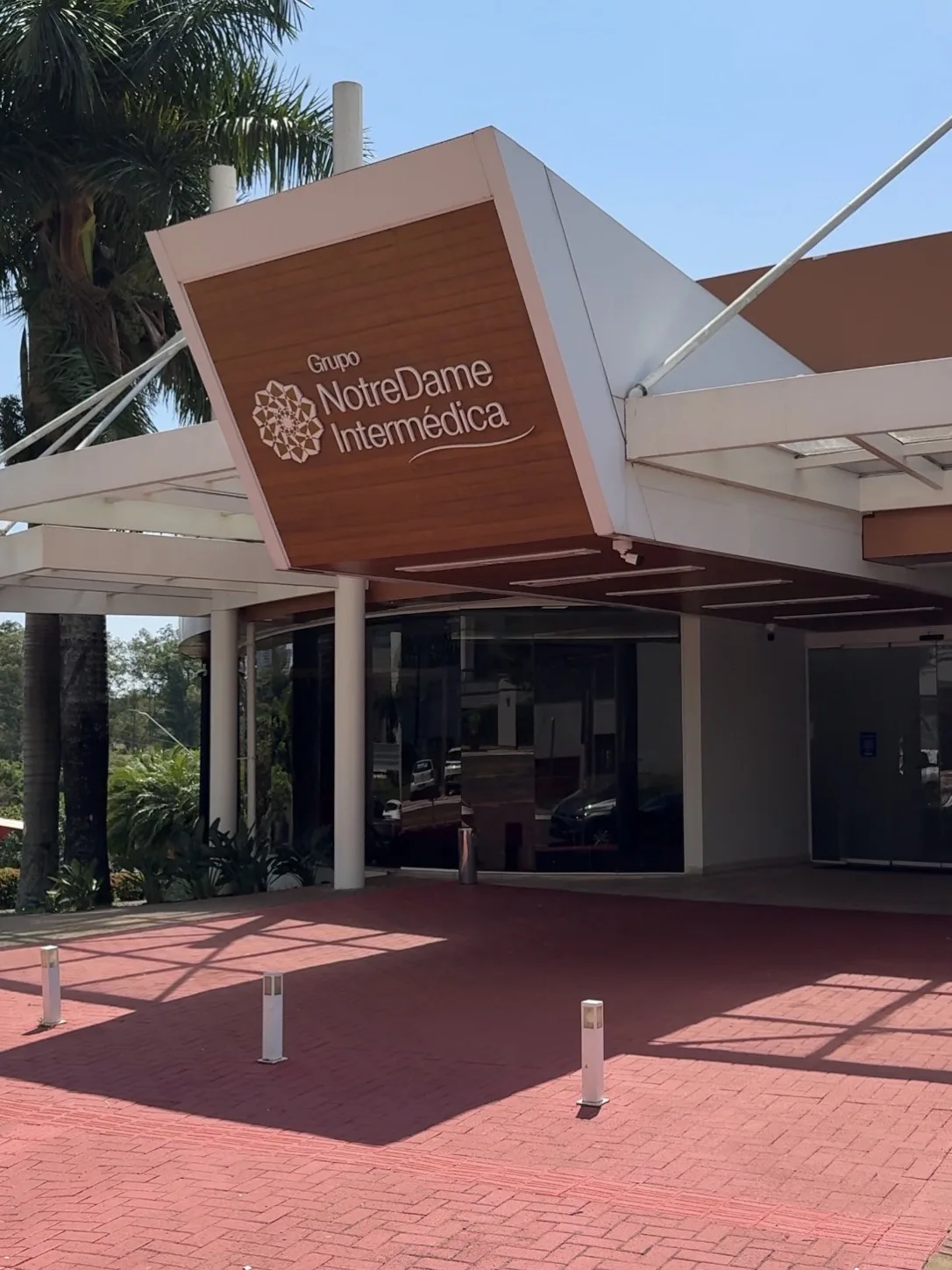
Entrance to the Bela Suíça unit, where I perform surgery.
At a glance
I perform facelifts at Hospital do Coração, Bela Suíça unit, in Londrina, under total intravenous anesthesia (TIVA). The routine includes one night in the hospital and discharge the next morning, after my assessment. Consultations and follow-up visits take place at my office, at a different address.
Addresses
I see you at my office to hear your expectations, examine your face, take photographs and follow your progress. The address and ways to book are on the contact page.
The hospital is at Adhemar Pereira de Barros, 1199, Bela Suíça, Londrina. Check with João which entrance to use for admission before you leave. There are other units with similar names; look for the Bela Suíça name.
The address is listed on the unit's official page. The office reception is not where you are admitted, even if you came there for an assessment in the days before.
Admission
Once we have discussed the surgical plan, João presents the quote and the administrative details. I want you to know what has been arranged and what still needs confirming before the date, including what the quote covers and the terms of the hospital stay.
He explains the documents, tests, companion and timing. Keep this information with your prescription and fasting instructions. If the schedule changes, check the instructions again; do not go by an old time from an earlier message.
ID, the tests requested, your current medication list and the admission documents requested by the team. Even if you have already sent results, confirm what you need to bring.
Decide who will pick you up and how you will get home or to your accommodation. Being discharged does not mean you are cleared to drive.
Fever, respiratory symptoms, a new medication or any other health problem should be reported before you go to the hospital. The team will assess whether the plan can go ahead.
Operating room
As a rule, I ask you to arrive two hours before the scheduled time of surgery. This leaves time for admission and preparation without rushing through each step. The team confirms the time that applies to you.
Flávia, my scrub nurse, welcomes you in the operating room. I mark the facial details to be treated and, when the plan includes fat grafting, the donor area as well. This is when we put into practice what we examined and discussed together.
The anesthesiologist takes part in planning based on your history, tests and anesthesia assessment. Tell us about past experiences, allergies and the medications you take.
I use total intravenous anesthesia (TIVA), the same for almost all my surgeries. In my hands, a facelift takes about 3 hours; when I add a deep neck, about 50 minutes more. Other combined procedures change this estimate, and I explain how long to expect in your case. I use tranexamic acid only if bleeding is heavier than expected. For every patient with high blood pressure, I give clonidine by continuous intravenous infusion through an infusion pump, because high systolic blood pressure is the main risk factor for a hematoma after a facelift. In my experience, it has also greatly reduced swelling and bruising after surgery. No measure eliminates the risk of a hematoma.
The ASPS preparation guidance stresses the importance of a medical evaluation, a medication review and arranging transport.
You may hear the team confirm your name and the procedure more than once. These checks are part of how care is organized: the WHO Safe Surgery initiative emphasizes checks and communication among the care team. Answer them, and let us know if anything does not match what we agreed.
Tell Bruna, my AI assistant, where you are coming from. Whenever you'd like to speak with a person, she connects you with Isanna. Once the plan is set, my team helps clarify the hospital stay and the next steps.
First night
You usually stay about two hours in the recovery unit of the surgical center. Going to your room depends on the team's assessment, not just on the clock.
I usually assess the patients I have operated on between 11 p.m. and 2 a.m. During your stay, the nursing team looks after you, and you should call them if you notice any discomfort or change.
Around 5 a.m., the nursing staff help you shower and wash your hair, when your condition allows. Discharge is expected around 7:30 a.m., after my assessment.
These times describe my usual facelift routine. If you need to be observed for longer, your care comes before the schedule. Other procedures may follow a different schedule.
Discharge
Before you leave, check your prescriptions, medication times, care for the operated areas and the date of your first follow-up visit. Ask for help if any instruction is unclear. I would rather answer a question twice than have you leave trying to work out on your own what to do.
The day after discharge, the visit to the office usually includes removing the hemostatic net, with Amanda, who is also a nurse. The following visits are part of the postoperative plan.
If you live outside Londrina, decide how long you will stay in the city before buying your return ticket. Isanna can recommend accommodation, a driver and a caregiver; availability and hiring are arranged separately. My priority is making sure that getting between the hospital, your accommodation and the office actually works.
Fasting and costs
My protocol requires no food or liquids, including water, for the 8 hours before surgery. The exception is blood pressure or thyroid medication, which you take when you arrive at the hospital, 2 hours before, with about a small coffee cup of water. If you have anything outside these instructions, let the team know.
You don't need a companion at the hospital. Arrange for someone to pick you up at discharge, because you shouldn't drive. If you'd like someone in your room overnight, check the hospital's rules with João.
I only see self-pay patients: surgery and the hospital stay are not covered by health insurance or by Brazil's public health system (SUS). João goes over the expected items, and the factors that make up the quote are on the pricing page.
Discharge doesn't happen just because one night was planned. I depart from the usual plan whenever your recovery calls for more observation.
Questions
No. The consultation takes place at the office. The hospital is where surgery and the hospital stay take place. Confirm the step and the address in your booking message.
Leaving depends on my assessment and on your clinical condition. The expected time the next morning helps you arrange a companion and transport, but it does not replace being cleared to go.
You don't need a companion at the hospital. If you'd like someone with you, check with João about the hospital's rules for your type of room. Also arrange for someone to pick you up at discharge, because you shouldn't drive.
João presents the expected items and payments. Ask for an itemized breakdown and ask about the room before reserving; this page does not define contractual coverage.
Isanna can help with scheduling and João with the hospital stay details. Confirm your plan with the team before arranging your arrival at the hospital.
References
The sources below support the general information on this page. When I describe how I work, I am describing my team's routine; the guidance for your surgery will be individual.
This page in other languages: Português (BR) | Español | Français | Italiano