Tag: rinoplastia

  • Rinoplastia sin Cirugía vs Rinoplastia Quirúrgica: ¿Cuál Es la Mejor Opción?

    Rinoplastia sin Cirugía vs Rinoplastia Quirúrgica: ¿Cuál Es la Mejor Opción?

    Soy el Dr. Walter Zamarian Jr., cirujano plástico especialista en rinoplastia estructurada, con más de 20 años de experiencia y más de 8.000 cirugías realizadas en Londrina, Brasil. Una de las preguntas más frecuentes que recibo es: ¿puedo mejorar mi nariz sin cirugía?

    La respuesta corta es: depende. Pero la respuesta completa — la que realmente te ayudará a tomar la decisión correcta — requiere entender las diferencias reales entre la rinoplastia sin cirugía (relleno nasal con ácido hialurónico) y la rinoplastia quirúrgica estructurada. En este artículo, te explico todo con honestidad profesional.

    ¿Qué Es la Rinoplastia sin Cirugía?

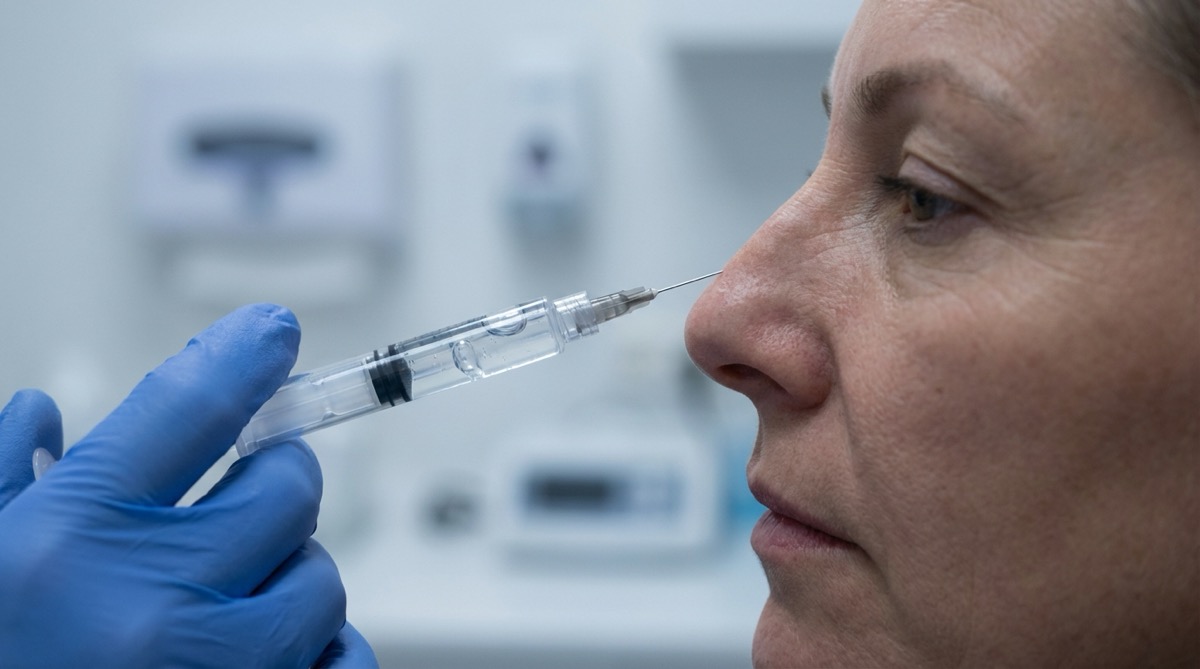
    La llamada “rinoplastia sin cirugía” — también conocida como rinomodelación — consiste en la aplicación de rellenos dérmicos, generalmente ácido hialurónico, para modificar el contorno nasal. Se realiza en consultorio, sin anestesia general, en aproximadamente 15 a 30 minutos.

    El procedimiento puede:

    • Disimular una giba (“joroba”) leve en el dorso nasal
    • Levantar sutilmente la punta de la nariz
    • Corregir pequeñas asimetrías visibles
    • Mejorar el perfil de manera sutil

    Sin embargo, tiene limitaciones fundamentales que todo paciente debe conocer antes de decidir.

    ¿Qué Es la Rinoplastia Estructurada?

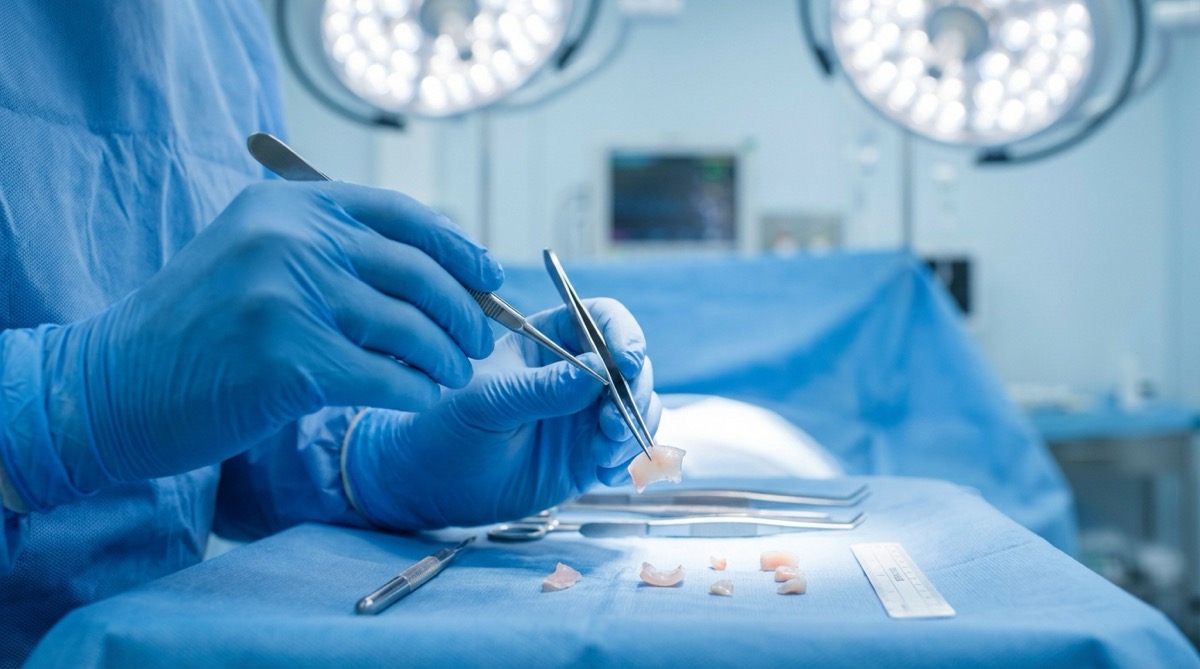
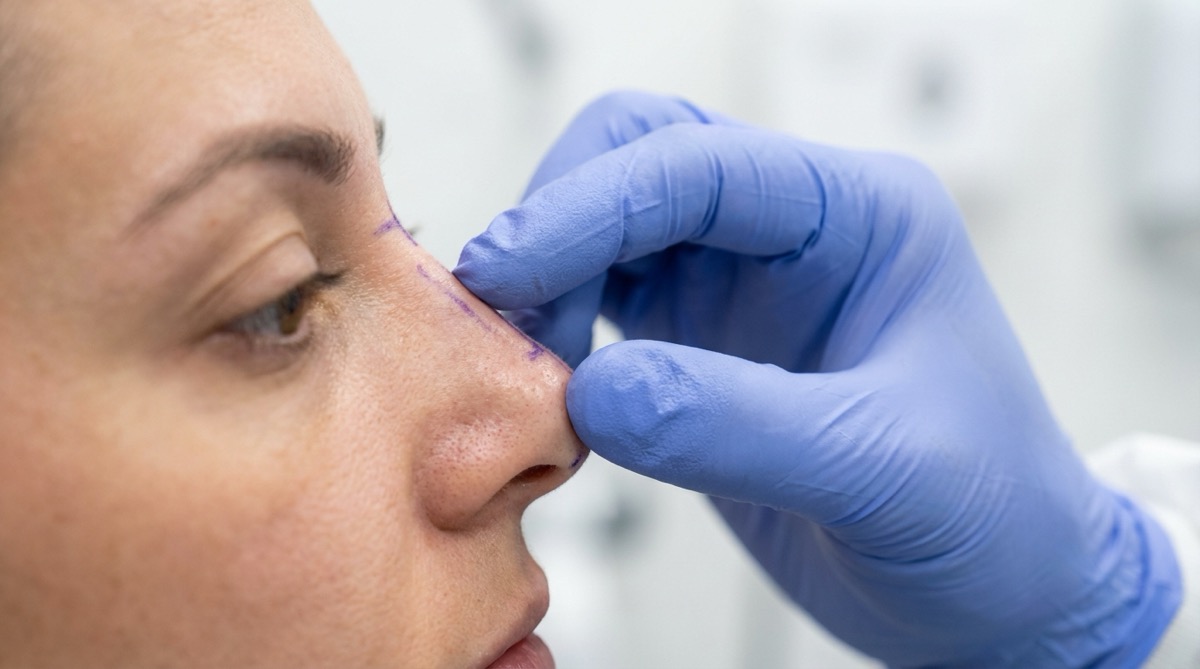
    La rinoplastia estructurada es mi técnica de elección para la corrección nasal definitiva. A diferencia de las técnicas antiguas que simplemente retiraban cartílago (debilitando la nariz), la rinoplastia estructurada utiliza injertos de cartílago del propio paciente para reconstruir y reforzar la arquitectura nasal.

    Esto significa que puedo:

    • Reducir o aumentar el dorso nasal
    • Refinar, proyectar o rotar la punta
    • Corregir desvíos del septum y mejorar la respiración
    • Estrechar una nariz ancha
    • Corregir asimetrías significativas
    • Reparar rinoplastias previas mal realizadas

    La cirugía dura entre 2 y 4 horas, se realiza bajo anestesia general, y los resultados son permanentes.

    Comparativa Detallada: Relleno Nasal vs Rinoplastia Quirúrgica

    Criterio Relleno Nasal (sin cirugía) Rinoplastia Estructurada
    Duración del procedimiento 15–30 minutos 2–4 horas
    Anestesia Local o tópica General
    Recuperación Inmediata (1–3 días) 7–14 días (férula)
    Duración del resultado 8–18 meses Permanente
    Puede reducir la nariz No — solo agrega volumen
    Corrige problemas respiratorios No
    Corrige desvío septal No
    Costo Menor (pero repetitivo) Mayor (pero único)
    Riesgo de complicaciones graves Presente (vascular) Bajo con cirujano experto
    Resultado natural Limitado Excelente

    Cuándo Es Suficiente el Relleno Nasal

    Soy honesto con mis pacientes: hay casos donde el relleno nasal puede ser una opción razonable. Son situaciones muy específicas:

    • Imperfección mínima: una pequeña irregularidad en el dorso que molesta solo en ciertas angulaciones
    • Pacientes que quieren “probar” un cambio: antes de comprometerse con cirugía, quieren ver una aproximación del resultado
    • Corrección temporal post-rinoplastia: pequeños ajustes tras una cirugía previa, mientras se espera la maduración completa del resultado
    • Contraindicación médica para cirugía: pacientes que por motivos de salud no pueden someterse a anestesia general

    Incluso en estos casos, siempre informo sobre las limitaciones y riesgos. El relleno nasal no reduce, no corrige la respiración y necesita repetirse cada 8 a 18 meses.

    Cuándo Realmente Necesitas Cirugía

    En mi experiencia de más de 20 años, la gran mayoría de los pacientes que buscan mejorar su nariz necesita — y se beneficia mucho más de — la rinoplastia quirúrgica. Estas son las indicaciones claras:

    • Giba dorsal significativa: el relleno no puede “aplanar” una giba — solo la disimula agregando más volumen, lo que puede hacer la nariz parecer más grande
    • Punta bulbosa o caída: requiere remodelación del cartílago, imposible con relleno
    • Nariz ancha: la reducción de anchura solo se logra quirúrgicamente (osteotomías)
    • Dificultad respiratoria: desvío de septum, hipertrofia de cornetes — solo se corrige con cirugía
    • Asimetría importante: las asimetrías estructurales requieren corrección quirúrgica
    • Resultado permanente deseado: si quieres resolver el problema una sola vez, la cirugía es la respuesta
    • Rinoplastia revisional: corregir una cirugía previa insatisfactoria

    Mi filosofía es clara: si el relleno puede resolver tu caso, te lo diré. Pero si necesitas cirugía, también te lo diré con honestidad. Prefiero que un paciente tome la decisión correcta desde el inicio a que gaste dinero en tratamientos temporales que no resuelven el problema.

    Riesgos del Relleno Nasal que Pocos Mencionan

    Este es un tema que me preocupa profundamente como cirujano. El relleno nasal se presenta como un procedimiento “simple y sin riesgos”, pero la realidad es diferente:

    • Necrosis cutánea: la nariz tiene una vascularización terminal. Si el relleno comprime o obstruye una arteria, puede causar muerte del tejido (necrosis). Hay casos documentados de pérdida de tejido nasal.
    • Ceguera: es raro, pero existen casos reportados de ceguera por inyección inadvertida de relleno en la arteria angular, que se comunica con la arteria oftálmica.
    • Migración del producto: el ácido hialurónico puede migrar con el tiempo, creando irregularidades y deformidades.
    • Acumulación: aplicaciones repetidas pueden causar acumulación de producto, distorsionando la anatomía natural.
    • Complicación de cirugía futura: rellenos previos pueden dificultar una rinoplastia posterior, creando fibrosis y alterando planos quirúrgicos.

    No quiero alarmar, pero sí informar. Estos riesgos son reales y todo paciente merece conocerlos antes de decidir.

    Preguntas Frecuentes

    ¿El relleno nasal puede sustituir la rinoplastia?

    No en la mayoría de los casos. El relleno solo agrega volumen — no reduce, no corrige la respiración y no es permanente. Para cambios estructurales, funcionales o significativos, la rinoplastia quirúrgica es la única opción real.

    ¿Cuánto dura el resultado del relleno nasal?

    Entre 8 y 18 meses, dependiendo del tipo de ácido hialurónico utilizado, el metabolismo del paciente y la zona tratada. Después, necesita reaplicación para mantener el resultado.

    ¿El relleno nasal es realmente seguro?

    Tiene riesgos significativos que no deben subestimarse — incluyendo necrosis y, en casos raros, ceguera. La nariz es una de las áreas de mayor riesgo para inyección de rellenos por su anatomía vascular. Siempre debe ser realizado por un médico altamente cualificado.

    ¿Cuánto cuesta la rinoplastia estructurada en Brasil?

    El costo depende de la complejidad del caso — si es primaria o revisional, si incluye corrección funcional, entre otros factores. Brasil ofrece precios 40–60% menores que Estados Unidos y Europa, con la misma calidad técnica. El valor exacto se define tras la consulta de evaluación (R$ 800, ~US$ 150).

    ¿Puedo hacer relleno nasal si ya tuve rinoplastia?

    En algunos casos sí, para pequeños ajustes. Sin embargo, recomiendo esperar al menos 12 meses después de la cirugía para que el resultado madure completamente. Muchas “imperfecciones” percibidas tempranamente se resuelven naturalmente con la cicatrización.

    ¿Tienes dudas sobre cuál opción es la mejor para tu nariz? La respuesta correcta solo se puede dar tras una evaluación profesional. Conoce más sobre la rinoplastia estructurada o contacta nuestro equipo por WhatsApp para agendar tu consulta — presencial o por video.


  • Rhinoplastie au Brésil pour Patients Internationaux : Guide Complet

    Rhinoplastie au Brésil pour Patients Internationaux : Guide Complet

    Chaque année, des milliers de patients internationaux se rendent au Brésil pour une rhinoplastie — et pour de très bonnes raisons. En tant que spécialiste de la rhinoplastie structurelle avec plus de 20 ans d’expérience et plus de 8 000 chirurgies réalisées, j’ai eu le privilège d’aider des patients des États-Unis, du Canada, d’Europe et du Moyen-Orient à obtenir le nez qu’ils ont toujours souhaité. Dans ce guide complet, je vous explique tout ce que vous devez savoir sur la rhinoplastie au Brésil en tant que patient international — du choix du bon chirurgien au calendrier de récupération et aux économies réalisées.

    Le Brésil est largement reconnu comme l’une des principales destinations mondiales pour la chirurgie plastique. Nous réalisons plus de rhinoplasties que presque tout autre pays, et notre formation chirurgicale est parmi les plus rigoureuses au monde. Lorsque vous combinez cette expertise avec des coûts nettement inférieurs et une culture chaleureuse et accueillante, il devient évident pourquoi la chirurgie du nez au Brésil est un choix de plus en plus prisé par les patients exigeants du monde entier.

    Pourquoi choisir le Brésil pour votre rhinoplastie

    La réputation du Brésil en chirurgie plastique n’est pas le fruit du hasard — elle est le résultat de décennies d’innovation, de programmes de formation de calibre mondial et d’une culture qui valorise l’excellence esthétique. Voici les raisons principales pour lesquelles les patients internationaux choisissent le Brésil pour leur rhinoplastie internationale :

    • Volume chirurgical et expertise : Les chirurgiens brésiliens spécialisés en rhinoplastie opèrent à un volume exceptionnellement élevé, ce qui se traduit par des compétences affinées et des résultats constants. Je réalise personnellement des centaines de rhinoplasties chaque année, ce qui me confère une compréhension approfondie des anatomies nasales variées.
    • Formation de renommée mondiale : J’ai été formé à la Clínica Pitanguy à Rio de Janeiro — le centre de formation en chirurgie plastique le plus prestigieux d’Amérique latine — et j’ai complété ma formation aux États-Unis. Cette double perspective me donne accès à l’innovation brésilienne et à la précision nord-américaine.
    • Rapport qualité-prix : Les patients économisent généralement 40 à 60 % par rapport à des procédures équivalentes aux États-Unis ou en Europe, sans aucun compromis sur la qualité, les normes de sécurité ou les matériaux chirurgicaux.
    • Installations de pointe : Mon centre chirurgical à Londrina, Paraná, est équipé des technologies les plus récentes, respecte les normes internationales de sécurité et offre un environnement privé et confortable pour votre intervention.
    • Cadre de récupération agréable : Le climat et l’hospitalité du Brésil rendent la convalescence agréable, loin du stress de la vie quotidienne.

    Rhinoplastie structurelle vs. rhinoplastie de préservation — mon approche

    En recherchant une rhinoplastie au Brésil pour patients internationaux, vous rencontrerez probablement deux philosophies principales : la rhinoplastie structurelle et la rhinoplastie de préservation. Comprendre la différence est essentiel pour prendre une décision éclairée.

    La rhinoplastie structurelle est mon approche principale. Elle consiste à remodeler soigneusement la charpente nasale à l’aide de greffons cartilagineux — prélevés sur le septum, l’oreille ou, dans les cas de reprise, sur la côte. Cette technique me permet de construire une structure nasale solide et bien définie qui maintient sa forme dans le temps. Elle est particulièrement efficace pour :

    • Corriger à la fois les préoccupations esthétiques et les problèmes fonctionnels (déviation septale, collapsus valvulaire nasal)
    • Obtenir une définition et une projection précises de la pointe nasale
    • Fournir des résultats durables et d’aspect naturel qui ne se détériorent pas avec le vieillissement
    • La rhinoplastie de reprise, lorsqu’une chirurgie précédente a affaibli la charpente nasale

    La rhinoplastie de préservation se concentre sur le maintien des structures existantes plutôt que leur reconstruction. Bien qu’elle ait sa place pour des raffinements mineurs chez des patients présentant un cartilage natif solide, j’estime que la rhinoplastie structurelle offre un contrôle et une prévisibilité supérieurs pour la grande majorité de mes patients — en particulier ceux qui voyagent depuis l’étranger et ont besoin de résultats fiables en une seule chirurgie.

    « Ma philosophie est simple : construire un nez qui paraît naturel, respire bien et résiste à l’épreuve du temps. La rhinoplastie structurelle me donne les outils pour tenir ces trois promesses. »

    Le parcours du patient international — étape par étape

    J’ai perfectionné un processus fluide spécialement conçu pour les patients internationaux souhaitant une rhinoplastie au Brésil. Voici ce à quoi vous pouvez vous attendre :

    • Étape 1 — Pré-consultation en ligne : Nous commençons par une consultation vidéo détaillée. Vous m’enverrez des photos selon mes directives spécifiques, et je vous fournirai une évaluation honnête de ce que la rhinoplastie peut accomplir pour votre anatomie unique. Cette consultation est approfondie — je veux que vous vous sentiez en confiance avant de réserver tout voyage.
    • Étape 2 — Planification du voyage : Mon équipe vous assiste pour la logistique, y compris des recommandations d’hôtels près de ma clinique à Londrina, les transferts aéroport et l’orientation locale. Londrina est facilement accessible depuis São Paulo (1 heure de vol ou 4 heures de route).
    • Étape 3 — Consultation en personne : À votre arrivée, nous nous rencontrons pour un examen détaillé. J’utilise la simulation informatique pour vous montrer les résultats projetés et nous finalisons ensemble le plan chirurgical.
    • Étape 4 — Jour de la chirurgie : La rhinoplastie dure généralement 2 à 3 heures sous anesthésie générale. Vous resterez une nuit pour surveillance et confort.
    • Étape 5 — Récupération à Londrina : Vous aurez des consultations de suivi les jours 1, 3 et 7. L’attelle nasale est retirée entre les jours 7 et 10.
    • Étape 6 — Retour chez vous : Je recommande de rester 14 jours avant de prendre l’avion pour assurer une cicatrisation sûre. Avant votre départ, nous effectuons un contrôle final et je vous remets des instructions écrites détaillées pour vos soins à domicile.
    • Étape 7 — Suivi à distance : Après votre retour, nous continuons à surveiller votre cicatrisation par des appels vidéo à 1 mois, 3 mois, 6 mois et 1 an après la chirurgie.

    Calendrier de récupération pour les patients voyageurs

    Comprendre le calendrier de récupération est crucial lorsque vous planifiez une rhinoplastie au Brésil. Voici un aperçu réaliste jour par jour :

    • Jours 1 à 3 : Gonflement modéré et ecchymoses autour des yeux. Le repos est essentiel. Vous respirerez par la bouche initialement en raison des attelles internes. La marche légère est encouragée.
    • Jours 4 à 7 : Le gonflement commence à diminuer. La plupart des ecchymoses s’estompent. Vous pouvez profiter de promenades douces et de repas légers dans les restaurants locaux.
    • Jours 7 à 10 : L’attelle nasale et les sutures externes sont retirées. C’est une étape passionnante — vous verrez la forme initiale de votre nouveau nez. La plupart des patients se sentent à l’aise pour sortir en public.
    • Jours 10 à 14 : Le gonflement résiduel continue de diminuer. Vers le jour 14, vous êtes généralement autorisé à prendre l’avion. Évitez le port de charges lourdes et l’exercice intense pendant 4 à 6 semaines.
    • Mois 1 à 12 : Le nez continue de s’affiner à mesure que le gonflement profond se résorbe. Les résultats définitifs sont généralement visibles à 12–18 mois, bien que vous aimerez votre nez bien avant cela.

    Ma recommandation : Prévoyez un séjour minimum de 14 jours à Londrina. Cela nous laisse le temps pour un suivi approprié et garantit que vous êtes médicalement autorisé pour votre vol retour. De nombreux patients profitent de la deuxième semaine pour explorer la ville et profiter de la convalescence dans un cadre détendu.

    Comparaison des coûts : Brésil vs. États-Unis vs. Europe

    L’une des raisons les plus convaincantes de choisir une rhinoplastie au Brésil est l’avantage économique significatif. Voici une comparaison générale :

    • États-Unis : 8 000 à 15 000 $ USD (honoraires du chirurgien uniquement ; le total avec anesthésie, établissement et suivi peut atteindre 12 000 à 20 000 $)
    • Europe (Royaume-Uni, Allemagne, France) : 6 000 à 12 000 € (des coûts supplémentaires similaires s’appliquent)
    • Brésil (ma pratique) : Généralement 40 à 60 % de moins que les prix américains pour un niveau de soins équivalent ou supérieur

    Cette différence de coût n’est pas due à une qualité inférieure. Elle reflète le coût de la vie moins élevé au Brésil, des taux de change favorables et un système de santé où les meilleurs chirurgiens peuvent proposer des tarifs compétitifs tout en maintenant les plus hauts standards. Mes matériaux chirurgicaux, implants et protocoles d’anesthésie sont identiques à ceux utilisés dans les meilleures cliniques de New York ou de Paris.

    Lorsque vous calculez votre investissement total, prenez en compte le billet d’avion aller-retour, 14 nuits d’hébergement, les repas et le transport local. Même avec ces frais de voyage, la plupart des patients internationaux économisent 30 à 50 % par rapport à la même intervention dans leur pays d’origine.

    Choisir le bon chirurgien pour votre rhinoplastie au Brésil

    Tous les chirurgiens ne se valent pas, et choisir le bon est la décision la plus importante que vous prendrez. Voici ce qu’il faut rechercher lors du choix d’un chirurgien pour votre chirurgie du nez au Brésil :

    • Certification : Assurez-vous que votre chirurgien est certifié par la Sociedade Brasileira de Cirurgia Plástica (SBCP). C’est l’équivalent brésilien de l’American Board of Plastic Surgery et garantit une formation et une évaluation rigoureuses.
    • Spécialisation en rhinoplastie : La chirurgie plastique est un domaine vaste. Recherchez un chirurgien qui se concentre fortement sur la rhinoplastie et la pratique régulièrement — pas occasionnellement.
    • Galerie avant/après : Examinez une documentation photographique extensive. Recherchez la constance des résultats, l’esthétique naturelle et des cas similaires à votre anatomie.
    • Parcours de formation : Où le chirurgien s’est-il formé ? Des fellowships avancés et une formation internationale témoignent d’un engagement envers l’excellence.
    • Communication : Le chirurgien peut-il expliquer clairement son approche ? Écoute-t-il vos objectifs ? Un chirurgien qui précipite les consultations est un signal d’alerte.
    • Expérience avec les patients internationaux : Le chirurgien a-t-il déjà traité des patients de votre pays ? Un cabinet organisé pour les patients internationaux disposera d’une logistique optimisée et de protocoles de suivi à distance.

    Questions fréquemment posées

    Est-il sûr de se faire opérer du nez au Brésil ?

    Absolument. Le Brésil possède l’une des infrastructures de chirurgie plastique les plus développées au monde. Mon centre chirurgical suit des protocoles de sécurité stricts, et j’opère avec un anesthésiste certifié présent tout au long de chaque intervention. La clé est de choisir un chirurgien qualifié et expérimenté — le même principe qui s’applique partout dans le monde.

    Comment me préparer pour mon voyage au Brésil pour une rhinoplastie ?

    Après la confirmation de votre consultation en ligne et de votre plan chirurgical, mon équipe vous fournira un guide de préparation détaillé. Celui-ci comprend les analyses de sang préopératoires (que vous pouvez faire chez vous), les directives médicamenteuses, les recommandations d’assurance voyage et une liste de ce qu’il faut emporter. Nous nous occupons des réservations d’hôtel et des transferts aéroport pour que votre arrivée se passe le plus sereinement possible.

    Pouvez-vous corriger mes problèmes respiratoires pendant la rhinoplastie ?

    Oui. La rhinoplastie structurelle est particulièrement adaptée pour traiter simultanément les préoccupations esthétiques et fonctionnelles. Je corrige couramment les déviations septales, les collapsus valvulaires nasaux et l’hypertrophie des cornets au cours de la même intervention. En fait, beaucoup de mes patients internationaux viennent spécifiquement parce que je peux améliorer à la fois la forme et la fonction en une seule chirurgie.

    Que se passe-t-il si j’ai besoin d’une reprise après mon retour ?

    Les taux de reprise dans ma pratique sont très faibles — bien en dessous de la moyenne nationale — car la rhinoplastie structurelle crée une charpente stable et durable. Cependant, si une reprise s’avère nécessaire, nous en discutons lors de vos consultations vidéo de suivi et planifions en conséquence. Les retouches mineures, si nécessaires, sont généralement réalisées 12 à 18 mois après la chirurgie initiale.

    Parlez-vous français pendant les consultations ?

    Oui. Je parle couramment anglais, espagnol et français, et mon équipe comprend des coordinateurs bilingues qui accompagnent les patients internationaux tout au long de leur parcours. La communication n’est jamais un obstacle dans ma pratique.

    Si vous envisagez une rhinoplastie au Brésil et souhaitez en savoir plus sur la façon dont je peux vous aider à atteindre vos objectifs, je vous invite à planifier une pré-consultation en ligne. Ensemble, nous créerons un plan chirurgical personnalisé adapté à votre anatomie unique et à votre vision esthétique.

  • Rinoplastia en Brasil para Pacientes Internacionales: Guía Completa

    Rinoplastia en Brasil para Pacientes Internacionales: Guía Completa

    Cada año, miles de pacientes internacionales viajan a Brasil para realizarse una rinoplastia, y con muy buenas razones. Como especialista en rinoplastia estructurada con más de 20 años de experiencia y más de 8.000 cirugías realizadas, he tenido el privilegio de ayudar a pacientes de Estados Unidos, Canadá, Europa y Medio Oriente a conseguir la nariz que siempre desearon. En esta guía completa, te explico todo lo que necesitas saber sobre realizarte una rinoplastia en Brasil como paciente internacional — desde cómo elegir al cirujano adecuado hasta los tiempos de recuperación y el ahorro económico.

    Brasil es ampliamente reconocido como uno de los principales destinos mundiales para la cirugía plástica. Realizamos más rinoplastias que casi cualquier otro país, y nuestra formación quirúrgica es de las más rigurosas del planeta. Cuando combinas esa experiencia con costos significativamente menores y una cultura cálida y acogedora, queda claro por qué una operación de nariz en Brasil es una opción cada vez más popular entre pacientes exigentes de todo el mundo.

    Por qué elegir Brasil para tu rinoplastia

    La reputación de Brasil en cirugía plástica no es casualidad — es el resultado de décadas de innovación, programas de formación de nivel mundial y una cultura que valora la excelencia estética. Estas son las razones principales por las que los pacientes internacionales eligen Brasil para su rinoplastia internacional:

    • Volumen quirúrgico y experiencia: Los cirujanos brasileños de rinoplastia operan con un volumen excepcionalmente alto, lo que se traduce en habilidades refinadas y resultados consistentes. Personalmente realizo cientos de rinoplastias cada año, lo que me brinda un entendimiento profundo de anatomías nasales diversas.
    • Formación de renombre mundial: Me formé en la Clínica Pitanguy en Río de Janeiro — el centro de formación en cirugía plástica más prestigioso de América Latina — y complementé mi educación con entrenamiento en Estados Unidos. Esta doble perspectiva me da acceso tanto a la innovación brasileña como a la precisión norteamericana.
    • Eficiencia en costos: Los pacientes típicamente ahorran entre un 40–60% comparado con procedimientos equivalentes en EE.UU. o Europa, sin comprometer la calidad, los estándares de seguridad ni los materiales quirúrgicos.
    • Instalaciones avanzadas: Mi centro quirúrgico en Londrina, Paraná, cuenta con tecnología de última generación, cumple con estándares internacionales de seguridad y ofrece un ambiente privado y confortable para tu procedimiento.
    • Ambiente de recuperación acogedor: El clima y la hospitalidad de Brasil hacen que la recuperación sea una experiencia agradable, lejos del estrés de la vida cotidiana.

    Rinoplastia estructurada vs. rinoplastia de preservación — mi enfoque

    Al investigar sobre rinoplastia en Brasil para pacientes internacionales, probablemente encontrarás dos filosofías principales: rinoplastia estructurada y rinoplastia de preservación. Comprender la diferencia es fundamental para tomar una decisión informada.

    La rinoplastia estructurada es mi enfoque principal. Consiste en remodelar cuidadosamente el esqueleto nasal utilizando injertos de cartílago — obtenidos del septum, la oreja o, en casos de revisión, de la costilla. Esta técnica me permite construir una estructura nasal sólida y bien definida que mantiene su forma con el tiempo. Es particularmente efectiva para:

    • Corregir tanto preocupaciones estéticas como problemas funcionales (septum desviado, colapso de válvula nasal)
    • Lograr una definición y proyección precisa de la punta nasal
    • Proporcionar resultados duraderos y de aspecto natural que no se deterioran con el envejecimiento
    • Rinoplastia de revisión, cuando una cirugía previa ha debilitado el esqueleto nasal

    La rinoplastia de preservación se enfoca en mantener las estructuras existentes en lugar de reconstruirlas. Si bien tiene su lugar para refinamientos menores en pacientes con cartílago nativo fuerte, considero que la rinoplastia estructurada ofrece un control y una predictibilidad superiores para la gran mayoría de mis pacientes — especialmente aquellos que viajan desde el exterior y necesitan resultados confiables en una sola cirugía.

    “Mi filosofía es simple: construir una nariz que luzca natural, respire bien y resista el paso del tiempo. La rinoplastia estructurada me da las herramientas para cumplir estas tres promesas.”

    El viaje del paciente internacional — paso a paso

    He perfeccionado un proceso fluido específicamente para pacientes internacionales que buscan una rinoplastia en Brasil. Esto es lo que puedes esperar:

    • Paso 1 — Pre-consulta online: Comenzamos con una consulta detallada por video. Me enviarás fotos siguiendo mis pautas específicas, y te proporcionaré una evaluación honesta de lo que la rinoplastia puede lograr para tu anatomía particular. Esta consulta es exhaustiva — quiero que te sientas seguro antes de reservar cualquier viaje.
    • Paso 2 — Planificación del viaje: Mi equipo te asiste con la logística, incluyendo recomendaciones de hoteles cerca de mi clínica en Londrina, traslados desde el aeropuerto y orientación local. Londrina es fácilmente accesible desde São Paulo (1 hora de vuelo o 4 horas en auto).
    • Paso 3 — Consulta presencial: Al llegar, nos reunimos en persona para un examen detallado. Utilizo simulación por computadora para mostrarte los resultados proyectados y finalizamos juntos el plan quirúrgico.
    • Paso 4 — Día de la cirugía: La rinoplastia suele durar 2–3 horas bajo anestesia general. Permanecerás una noche para monitoreo y comodidad.
    • Paso 5 — Recuperación en Londrina: Tendrás consultas de seguimiento los días 1, 3 y 7. La férula nasal se retira entre los días 7 y 10.
    • Paso 6 — Regreso a casa: Recomiendo permanecer 14 días antes de volar para asegurar una cicatrización segura. Antes de partir, realizamos un control final y te entrego instrucciones escritas detalladas para tu cuidado en casa.
    • Paso 7 — Seguimiento remoto: Después de regresar a casa, continuamos monitoreando tu cicatrización mediante videollamadas al 1 mes, 3 meses, 6 meses y 1 año post-cirugía.

    Cronograma de recuperación para pacientes viajeros

    Comprender el cronograma de recuperación es crucial al planificar una operación de nariz en Brasil. Aquí tienes una descripción realista día a día:

    • Días 1–3: Hinchazón moderada y moretones alrededor de los ojos. El descanso es esencial. Respirarás por la boca inicialmente debido a las férulas internas. Se recomienda caminar suavemente.
    • Días 4–7: La hinchazón comienza a disminuir. La mayoría de los moretones se desvanecen. Puedes disfrutar de caminatas suaves y comidas ligeras en restaurantes locales.
    • Días 7–10: Se retiran la férula nasal y las suturas externas. Este es un hito emocionante — verás la forma inicial de tu nueva nariz. La mayoría de los pacientes se sienten cómodos siendo vistos en público.
    • Días 10–14: La hinchazón residual continúa disminuyendo. Hacia el día 14, generalmente estás autorizado para volar a casa. Evita levantar peso y ejercicio intenso durante 4–6 semanas.
    • Meses 1–12: La nariz continúa refinándose a medida que la hinchazón profunda se resuelve. Los resultados finales son típicamente visibles a los 12–18 meses, aunque amarás tu nariz mucho antes.

    Mi recomendación: Planifica una estadía mínima de 14 días en Londrina. Esto nos da tiempo para un seguimiento adecuado y asegura que estés médicamente autorizado para tu vuelo de regreso. Muchos pacientes aprovechan la segunda semana para explorar la ciudad y disfrutar de la recuperación en un ambiente relajado.

    Comparación de costos: Brasil vs. EE.UU. vs. Europa

    Una de las razones más convincentes para elegir una rinoplastia en Brasil es la significativa ventaja en costos. Aquí tienes una comparación general:

    • Estados Unidos: $8.000–$15.000 USD (honorarios del cirujano únicamente; el total con anestesia, instalación y seguimiento puede alcanzar $12.000–$20.000)
    • Europa (Reino Unido, Alemania, Francia): €6.000–€12.000 (costos adicionales similares aplican)
    • Brasil (mi práctica): Típicamente un 40–60% menos que los precios de EE.UU. para un nivel de atención equivalente o superior

    Esta diferencia de costo no se debe a menor calidad. Refleja el menor costo de vida en Brasil, tipos de cambio favorables y un sistema de salud donde los mejores cirujanos pueden ofrecer precios competitivos manteniendo los más altos estándares. Mis materiales quirúrgicos, implantes y protocolos de anestesia son idénticos a los utilizados en las mejores clínicas de Nueva York o París.

    Al calcular tu inversión total, considera el pasaje aéreo de ida y vuelta, 14 noches de alojamiento, comidas y transporte local. Incluso con estos gastos de viaje, la mayoría de los pacientes internacionales ahorran entre un 30–50% comparado con realizarse el procedimiento en su país.

    Cómo elegir al cirujano adecuado para tu rinoplastia en Brasil

    No todos los cirujanos son iguales, y elegir al correcto es la decisión más importante que tomarás. Esto es lo que debes buscar al seleccionar un cirujano para tu rinoplastia en Brasil:

    • Certificación: Asegúrate de que tu cirujano esté certificado por la Sociedade Brasileira de Cirurgia Plástica (SBCP). Este es el equivalente brasileño del American Board of Plastic Surgery y garantiza una formación y evaluación rigurosa.
    • Especialización en rinoplastia: La cirugía plástica es amplia. Busca un cirujano que se enfoque fuertemente en rinoplastia y la realice regularmente — no ocasionalmente.
    • Galería de antes y después: Revisa documentación fotográfica extensa. Busca consistencia en los resultados, estética natural y casos similares a tu anatomía.
    • Formación: ¿Dónde se formó el cirujano? Fellowships avanzados y formación internacional indican un compromiso con la excelencia.
    • Comunicación: ¿Puede el cirujano explicar claramente su enfoque? ¿Escucha tus objetivos? Un cirujano que se apresura en las consultas es una señal de alerta.
    • Experiencia con pacientes internacionales: ¿Ha tratado el cirujano a pacientes de tu país antes? Una práctica preparada para pacientes internacionales tendrá logística optimizada y protocolos de seguimiento remoto.

    Preguntas frecuentes

    ¿Es seguro hacerse una rinoplastia en Brasil?

    Absolutamente. Brasil cuenta con una de las infraestructuras de cirugía plástica más desarrolladas del mundo. Mi centro quirúrgico sigue estrictos protocolos de seguridad, y opero con un anestesiólogo certificado presente durante todo el procedimiento. La clave es elegir un cirujano calificado y experimentado — el mismo principio que aplica en cualquier parte del mundo.

    ¿Cómo me preparo para mi viaje a Brasil para la rinoplastia?

    Después de confirmar tu consulta online y plan quirúrgico, mi equipo te proporcionará una guía de preparación detallada. Esto incluye análisis de sangre preoperatorios (que puedes realizarte en tu país), pautas de medicación, recomendaciones de seguro de viaje y una lista de lo que empacar. Nos encargamos de las reservas de hotel y traslados del aeropuerto para que tu llegada sea lo más fluida posible.

    ¿Pueden corregir mis problemas respiratorios durante la rinoplastia?

    Sí. La rinoplastia estructurada es especialmente adecuada para abordar tanto preocupaciones estéticas como funcionales simultáneamente. Corrijo rutinariamente septum desviado, colapso de válvula nasal e hipertrofia de cornetes durante el mismo procedimiento. De hecho, muchos de mis pacientes internacionales vienen específicamente porque puedo mejorar tanto la forma como la función en una sola cirugía.

    ¿Qué pasa si necesito una revisión después de regresar a casa?

    Las tasas de revisión en mi práctica son muy bajas — muy por debajo del promedio nacional — porque la rinoplastia estructurada crea un marco estable y duradero. Sin embargo, si alguna vez se necesita una revisión, lo discutimos durante tus videollamadas de seguimiento y planificamos en consecuencia. Los retoques menores, si son necesarios, típicamente se realizan 12–18 meses después de la cirugía inicial.

    ¿Habla español durante las consultas?

    Sí. Hablo inglés, español y francés con fluidez, y mi equipo incluye coordinadores bilingües que asisten a los pacientes internacionales durante todo su recorrido. La comunicación nunca es una barrera en mi práctica.

    Si estás considerando una rinoplastia en Brasil y te gustaría saber más sobre cómo puedo ayudarte a alcanzar tus objetivos, te invito a agendar una pre-consulta online. Juntos, crearemos un plan quirúrgico personalizado adaptado a tu anatomía única y tu visión estética.

  • Rhinoplasty in Brazil for International Patients: Your Complete Guide

    Rhinoplasty in Brazil for International Patients: Your Complete Guide

    Every year, thousands of international patients travel to Brazil for rhinoplasty — and for good reason. As a structural rhinoplasty specialist with over 20 years of experience and more than 8,000 surgeries performed, I have had the privilege of helping patients from the United States, Canada, Europe, and the Middle East achieve the nose they have always envisioned. In this comprehensive guide, I will walk you through everything you need to know about getting a rhinoplasty in Brazil as an international patient — from choosing the right surgeon to your recovery timeline and cost savings.

    Brazil is widely recognized as one of the world’s leading destinations for plastic surgery. We perform more rhinoplasties than almost any other country, and our surgical training is among the most rigorous on the planet. When you combine that expertise with significantly lower costs and a warm, welcoming culture, it becomes clear why a nose job in Brazil is an increasingly popular choice for discerning patients worldwide.

    Why Choose Brazil for Your Rhinoplasty

    Brazil’s reputation in plastic surgery is not accidental — it is the result of decades of innovation, world-class training programs, and a culture that values aesthetic excellence. Here are the key reasons international patients choose Brazil for their rhinoplasty abroad:

    • Surgical volume and expertise: Brazilian rhinoplasty surgeons operate at an exceptionally high volume, which translates into refined skills and consistent results. I personally perform hundreds of rhinoplasties each year, giving me a deep understanding of diverse nasal anatomies.
    • World-renowned training: I trained at Clínica Pitanguy in Rio de Janeiro — the most prestigious plastic surgery training center in Latin America — and complemented my education with training in the United States. This dual perspective gives me access to both Brazilian innovation and North American precision.
    • Cost efficiency: Patients typically save 40–60% compared to equivalent procedures in the US or Europe, without any compromise in quality, safety standards, or surgical materials.
    • Advanced facilities: My surgical center in Londrina, Paraná, is equipped with the latest technology, meets international safety standards, and provides a private, comfortable environment for your procedure.
    • Warm recovery environment: Brazil’s climate and hospitality make for a pleasant recovery experience, far from the stress of daily life back home.

    Structural vs. Preservation Rhinoplasty — My Approach

    When researching rhinoplasty in Brazil for international patients, you will likely encounter two main philosophies: structural rhinoplasty and preservation rhinoplasty. Understanding the difference is essential for making an informed decision.

    Structural rhinoplasty is my primary approach. It involves carefully reshaping the nasal framework using cartilage grafts — harvested from the septum, ear, or, in revision cases, the rib. This technique allows me to build a strong, well-defined nasal structure that maintains its shape over time. It is particularly effective for:

    • Correcting both aesthetic concerns and functional issues (deviated septum, nasal valve collapse)
    • Achieving precise tip definition and projection
    • Providing long-lasting, natural-looking results that do not deteriorate with aging
    • Revision rhinoplasty, where previous surgery has weakened the nasal framework

    Preservation rhinoplasty focuses on maintaining existing structures rather than rebuilding them. While it has its place for minor refinements in patients with strong native cartilage, I find that structural rhinoplasty offers superior control and predictability for the vast majority of my patients — especially those traveling from abroad who need reliable, one-surgery results.

    “My philosophy is simple: build a nose that looks natural, breathes well, and stands the test of time. Structural rhinoplasty gives me the tools to deliver on all three promises.”

    The International Patient Journey — Step by Step

    I have refined a seamless process specifically for international patients seeking a nose job in Brazil. Here is what to expect:

    • Step 1 — Online pre-consultation: We begin with a detailed video consultation. You will send me photos following my specific guidelines, and I will provide an honest assessment of what rhinoplasty can achieve for your unique anatomy. This consultation is thorough — I want you to feel confident before booking any travel.
    • Step 2 — Travel planning: My team assists with logistics, including hotel recommendations near my clinic in Londrina, airport transfers, and local orientation. Londrina is easily accessible from São Paulo (1-hour flight or 4-hour drive).
    • Step 3 — In-person consultation: Upon arrival, we meet in person for a detailed examination. I use computer imaging to show you projected results and we finalize the surgical plan together.
    • Step 4 — Surgery day: Rhinoplasty typically takes 2–3 hours under general anesthesia. You will stay overnight for monitoring and comfort.
    • Step 5 — Recovery in Londrina: You will have follow-up visits on days 1, 3, and 7. The nasal cast is removed at day 7–10.
    • Step 6 — Return home: I recommend staying 14 days before flying to ensure safe healing. Before departure, we do a final check and I provide detailed written instructions for your care at home.
    • Step 7 — Remote follow-up: After returning home, we continue monitoring your healing via video calls at 1 month, 3 months, 6 months, and 1 year post-surgery.

    Recovery Timeline for Traveling Patients

    Understanding the recovery timeline is crucial when planning rhinoplasty abroad in Brazil. Here is a realistic day-by-day overview:

    • Days 1–3: Moderate swelling and bruising around the eyes. Rest is essential. You will breathe through your mouth initially due to internal splints. Light walking is encouraged.
    • Days 4–7: Swelling begins to subside. Most bruising fades. You can enjoy gentle walks and light meals at local restaurants.
    • Days 7–10: Nasal cast and external sutures are removed. This is an exciting milestone — you will see the initial shape of your new nose. Most patients feel comfortable being seen in public.
    • Days 10–14: Residual swelling continues to decrease. By day 14, you are typically cleared to fly home. Avoid heavy lifting and strenuous exercise for 4–6 weeks.
    • Months 1–12: The nose continues to refine as deeper swelling resolves. Final results are typically visible at 12–18 months, though you will love your nose long before that.

    My recommendation: Plan a minimum 14-day stay in Londrina. This gives us time for proper follow-up and ensures you are medically cleared for your flight home. Many patients use the second week to explore the city and enjoy the recovery in a relaxed setting.

    Cost Comparison: Brazil vs. US vs. Europe

    One of the most compelling reasons for choosing rhinoplasty in Brazil is the significant cost advantage. Here is a general comparison:

    • United States: $8,000–$15,000 USD (surgeon fee only; total with anesthesia, facility, and follow-up can reach $12,000–$20,000)
    • Europe (UK, Germany, France): €6,000–€12,000 (similar additional costs apply)
    • Brazil (my practice): Typically 40–60% less than US pricing for an equivalent or superior level of care

    This cost difference is not due to lower quality. It reflects Brazil’s lower cost of living, favorable exchange rates, and a healthcare system where top surgeons can offer competitive pricing while maintaining the highest standards. My surgical materials, implants, and anesthesia protocols are identical to those used at the best clinics in New York or Paris.

    When calculating your total investment, factor in round-trip airfare, 14 nights of accommodation, meals, and local transportation. Even with these travel expenses, most international patients save 30–50% compared to having the procedure at home.

    Choosing the Right Surgeon for Your Rhinoplasty in Brazil

    Not all surgeons are equal, and choosing the right one is the single most important decision you will make. Here is what to look for when selecting a surgeon for your nose job in Brazil:

    • Board certification: Ensure your surgeon is certified by the Sociedade Brasileira de Cirurgia Plástica (SBCP). This is the Brazilian equivalent of the American Board of Plastic Surgery and guarantees rigorous training and examination.
    • Rhinoplasty specialization: Plastic surgery is broad. Look for a surgeon who focuses heavily on rhinoplasty and performs it regularly — not occasionally.
    • Before-and-after gallery: Review extensive photo documentation. Look for consistency in results, natural aesthetics, and cases similar to your anatomy.
    • Training pedigree: Where did the surgeon train? Advanced fellowships and international training indicate a commitment to excellence.
    • Communication: Can the surgeon clearly explain their approach? Do they listen to your goals? A surgeon who rushes through consultations is a red flag.
    • International patient experience: Has the surgeon treated patients from your country before? A practice set up for international patients will have streamlined logistics and remote follow-up protocols.

    Frequently Asked Questions

    Is it safe to have rhinoplasty in Brazil?

    Absolutely. Brazil has one of the most developed plastic surgery infrastructures in the world. My surgical center follows strict safety protocols, and I operate with a board-certified anesthesiologist present throughout every procedure. The key is choosing a qualified, experienced surgeon — the same principle that applies anywhere in the world.

    How do I prepare for my trip to Brazil for rhinoplasty?

    After your online consultation and surgical plan are confirmed, my team will provide a detailed preparation guide. This includes pre-operative blood tests (which you can do at home), medication guidelines, travel insurance recommendations, and a packing list. We handle hotel reservations and airport transfers to make your arrival as smooth as possible.

    Can you fix my breathing problems during rhinoplasty?

    Yes. Structural rhinoplasty is uniquely suited to address both aesthetic and functional concerns simultaneously. I routinely correct deviated septums, nasal valve collapse, and turbinate hypertrophy during the same procedure. In fact, many of my international patients come specifically because I can improve both form and function in a single surgery.

    What if I need a revision after returning home?

    Revision rates in my practice are very low — well below the national average — because structural rhinoplasty creates a stable, lasting framework. However, if a revision is ever needed, we discuss this during your follow-up video calls and plan accordingly. Minor touch-ups, if necessary, are typically performed 12–18 months after the initial surgery.

    Do you speak English during consultations?

    Yes. I am fluent in English, Spanish, and French, and my team includes bilingual coordinators who assist international patients throughout their entire journey. Communication is never a barrier in my practice.

    If you are considering rhinoplasty in Brazil and would like to learn more about how I can help you achieve your goals, I invite you to schedule an online pre-consultation. Together, we will create a personalized surgical plan tailored to your unique anatomy and aesthetic vision.

  • Rinoplastia ou Preenchimento Nasal: Como Saber Qual É o Melhor Para Você

    Rinoplastia ou Preenchimento Nasal: Como Saber Qual É o Melhor Para Você

    Se existe uma dúvida que eu escuto praticamente todos os dias no consultório, é esta: “Doutor, meu caso é de rinoplastia ou preenchimento nasal?” É uma pergunta excelente — e a resposta honesta é que depende de uma série de fatores que vão muito além da estética. Com mais de 20 anos de experiência e mais de 8.000 cirurgias realizadas, posso dizer que a escolha certa depende do que o seu nariz realmente precisa, não do que parece mais fácil ou mais rápido.

    Neste artigo, vou explicar com clareza o que cada procedimento pode — e não pode — fazer, para que você chegue à consulta já com uma boa noção do caminho mais indicado para o seu caso.

    O Que o Preenchimento Nasal Pode Fazer

    O preenchimento nasal com ácido hialurônico é um procedimento não cirúrgico, realizado em consultório, que leva cerca de 15 a 30 minutos. Não exige anestesia geral — apenas anestesia tópica ou bloqueio local — e o paciente sai andando, sem necessidade de repouso.

    Ele funciona bem para casos específicos e leves:

    • Disfarçar uma pequena giba (calombo) no dorso — o ácido hialurônico é aplicado acima e abaixo da elevação, criando uma linha mais reta. Tecnicamente, o nariz fica maior, mas visualmente parece mais harmonioso.
    • Levantar sutilmente a ponta do nariz — com técnica adequada, é possível projetar a ponta em 1–2 mm, melhorando o perfil.
    • Corrigir pequenas assimetrias — irregularidades discretas no dorso ou na ponta podem ser suavizadas.
    • Melhorar o resultado de uma rinoplastia prévia — em alguns casos de rinoplastia secundária, o preenchimento pode complementar o resultado cirúrgico de forma não invasiva.

    O resultado é imediato, mas temporário: dura entre 6 e 18 meses, dependendo do produto e do metabolismo do paciente. Após esse período, o procedimento precisa ser repetido.

    O Que o Preenchimento Nasal NÃO Pode Fazer

    É aqui que muitos pacientes se frustram quando não recebem uma orientação honesta. O preenchimento nasal não substitui a rinoplastia na grande maioria dos casos. Ele não é capaz de:

    • Reduzir o tamanho do nariz — o preenchimento só adiciona volume. Se o seu nariz é grande, o preenchimento vai torná-lo maior, não menor.
    • Estreitar a base nasal ou as asas — alterações na largura do nariz exigem técnicas cirúrgicas específicas.
    • Corrigir desvio de septo — problemas respiratórios são funcionais e exigem abordagem cirúrgica.
    • Refinar uma ponta bulbosa ou grossa — a ponta do nariz é formada por cartilagens que precisam ser esculpidas cirurgicamente.
    • Projetar significativamente a ponta — projeções maiores que 2 mm necessitam de enxertos estruturais.
    • Oferecer resultado permanente — o corpo absorve o ácido hialurônico gradualmente.

    Além disso, existe um risco importante que precisa ser mencionado: o nariz é uma região com vascularização complexa e delicada. A injeção de preenchimento pode comprimir ou obstruir vasos sanguíneos, levando à necrose de pele (morte do tecido) ou, em casos raríssimos, à cegueira. São complicações raras, mas reais — e é por isso que sou criterioso na indicação.

    O Que a Rinoplastia Pode Fazer

    A rinoplastia estruturada é uma cirurgia que permite modificar o nariz de forma definitiva e completa. É o procedimento indicado quando o paciente deseja mudanças reais e permanentes na forma, no tamanho ou na função nasal.

    Na técnica que utilizo — a rinoplastia estruturada — trabalho com enxertos de cartilagem (geralmente do próprio septo do paciente) para reconstruir e remodelar a arquitetura nasal. Isso permite:

    • Reduzir o tamanho do nariz — remoção de giba, encurtamento, afinamento.
    • Refinar a ponta — tornando-a mais definida, projetada e elegante.
    • Estreitar dorso e base — osteotomias controladas e suturas de asas.
    • Corrigir desvio de septo e melhorar a respiração — aspecto funcional que o preenchimento jamais resolve.
    • Corrigir assimetrias significativas — incluindo narizes tortos pós-trauma.
    • Resultado permanente — o resultado final é para a vida toda.

    A recuperação envolve uso de aquaplast (“gessinho”) por 7 dias, inchaço moderado por 2–3 semanas e resultado final visível entre 6 e 12 meses, à medida que o edema residual se resolve.

    Comparativo Prático: Rinoplastia vs Preenchimento Nasal

    Fator Preenchimento Nasal Rinoplastia
    Tipo de procedimento Não cirúrgico (consultório) Cirúrgico (centro cirúrgico)
    Anestesia Tópica ou local Geral ou sedação + local
    Duração 15–30 minutos 2–4 horas
    Dor/Desconforto Mínimo Leve a moderado (controlado com medicação)
    Recuperação Imediata (0–2 dias de leve inchaço) 7 dias de aquaplast, 2–3 semanas de inchaço
    Resultado Imediato Final em 6–12 meses
    Duração do resultado 6–18 meses Permanente
    Pode reduzir o nariz? Não — só adiciona volume Sim — reduz, afina e remodela
    Corrige respiração? Não Sim (septoplastia associada)
    Custo a longo prazo Alto (repetições a cada 6–18 meses) Investimento único
    Risco vascular Presente (necrose, cegueira em casos raros) Muito baixo

    Casos Reais de Indicação

    Para ilustrar como penso na indicação, vou compartilhar perfis de pacientes que atendo com frequência:

    Caso 1: Preenchimento indicado

    Paciente de 28 anos, mulher, com nariz de formato geral harmonioso, mas com uma pequena giba no dorso que a incomoda no perfil. Respiração normal, ponta bem definida, sem assimetrias relevantes. Nesse caso, uma sessão de preenchimento com ácido hialurônico pode camuflar a giba de forma elegante, sem cirurgia. Resultado imediato, custo acessível, zero downtime.

    Caso 2: Rinoplastia indicada

    Paciente de 32 anos, mulher, com nariz largo, ponta bulbosa, giba moderada e queixa de obstrução nasal. Quer um nariz menor, mais fino e que permita respirar melhor. Esse é um caso clássico de rinoplastia estruturada — não existe preenchimento que reduza, afine ou corrija a respiração. Tentar resolver com preenchimento seria adicionar volume a um nariz que a paciente já considera grande.

    Caso 3: Preenchimento como complemento pós-rinoplastia

    Paciente de 40 anos que realizou rinoplastia há 5 anos e está satisfeita com o resultado geral, mas nota uma discreta irregularidade no dorso. Em vez de uma cirurgia de revisão, um toque sutil de preenchimento corrige a irregularidade em minutos. Resultado imediato, sem necessidade de novo procedimento cirúrgico.

    Caso 4: Paciente que pensa que quer preenchimento, mas precisa de rinoplastia

    Esse é o caso mais comum na minha prática. Paciente de 25 anos que viu no Instagram que preenchimento nasal “muda completamente o nariz” e chega ao consultório querendo reduzir o nariz com preenchimento. Após a avaliação, fica claro que as mudanças desejadas — nariz menor, ponta mais fina, dorso mais estreito — só são possíveis com rinoplastia. Meu papel é ser honesto e orientar adequadamente, mesmo que a resposta não seja a que o paciente esperava ouvir.

    Perguntas Frequentes

    O preenchimento nasal pode substituir a rinoplastia?

    Na maioria dos casos, não. O preenchimento é excelente para ajustes sutis — camuflar uma pequena giba, levantar levemente a ponta ou suavizar irregularidades. Mas se você deseja reduzir o nariz, afinar a ponta, corrigir assimetrias significativas ou melhorar a respiração, a rinoplastia é o único caminho. São procedimentos com indicações diferentes, não substitutos um do outro.

    O preenchimento nasal é perigoso?

    Todo procedimento médico tem riscos. No caso do preenchimento nasal, o risco mais sério é a oclusão vascular — quando o produto comprime ou entra em um vaso sanguíneo. Isso pode causar necrose de pele e, em casos extremamente raros, comprometimento visual. O risco é baixo quando realizado por profissional experiente e com conhecimento detalhado da anatomia vascular nasal, mas existe. É por isso que sou seletivo na indicação.

    Quanto tempo dura o preenchimento nasal?

    Em geral, o resultado dura entre 6 e 18 meses, dependendo do tipo de ácido hialurônico utilizado e do metabolismo do paciente. Após esse período, o corpo absorve gradualmente o produto e o procedimento precisa ser repetido para manter o resultado. Com o tempo, o custo acumulado pode se equiparar ou superar o de uma rinoplastia definitiva.

    Posso fazer preenchimento primeiro e rinoplastia depois?

    Sim, mas com ressalvas. O ideal é que o ácido hialurônico do preenchimento seja completamente absorvido — ou dissolvido com hialuronidase — antes da rinoplastia. A presença de preenchimento nos tecidos pode alterar a anatomia cirúrgica e dificultar o planejamento. Se está considerando rinoplastia no futuro, converse comigo antes de fazer preenchimento nasal.

    Como saber qual é o melhor para mim?

    A resposta honesta: somente uma avaliação presencial pode determinar com segurança. Durante a consulta, analiso a estrutura óssea e cartilaginosa do nariz, a espessura da pele, a função respiratória, as proporções faciais e, claro, as expectativas do paciente. Com base nessa análise completa é que indico o procedimento mais adequado — ou a combinação deles. Não existe atalho para essa avaliação.

    Quer saber qual é o melhor caminho para o seu nariz? Agende sua consulta e terei prazer em fazer uma avaliação completa — analisando sua anatomia, sua respiração e seus objetivos para indicar o procedimento ideal para o seu caso. Saiba mais sobre a rinoplastia estruturada que realizo na minha clínica em Londrina.

  • The Limits of Non-Surgical Rhinoplasty: What Fillers Can and Cannot Do

    The Limits of Non-Surgical Rhinoplasty: What Fillers Can and Cannot Do

    The idea of reshaping your nose without surgery sounds almost too good to be true — and in many ways, it is. Non-surgical rhinoplasty, often marketed as a “liquid nose job” or “5-minute nose job,” uses injectable hyaluronic acid fillers to alter the nose’s appearance. It is fast, requires no anesthesia, and has virtually no downtime. I understand the appeal.

    But as a rhinoplasty specialist with over 20 years of experience and more than 8,000 nasal surgeries, I have also seen the consequences of this procedure gone wrong — and I have operated on patients whose non-surgical rhinoplasty created problems that were far more complex than the original concern they wanted to address. In this article, I want to give you an honest, evidence-based perspective on what non-surgical rhinoplasty can realistically achieve, what it absolutely cannot do, and the serious risks that are often minimized in marketing materials.

    What Non-Surgical Rhinoplasty Can Do

    Non-surgical rhinoplasty does have legitimate applications. When performed by an experienced injector who understands nasal anatomy deeply, fillers can achieve modest improvements in specific situations:

    • Camouflage a dorsal bump: By injecting filler above and below a bony hump, the injector creates a smoother profile line. The bump is not removed — it is disguised by filling the areas around it.
    • Improve minor asymmetries: Small depressions or irregularities on the nasal bridge can be smoothed with precise filler placement.
    • Subtle tip refinement: A small amount of filler at the nasal tip can create a slight lifting effect or improve tip definition in carefully selected patients.
    • Correct post-surgical irregularities: In some rhinoplasty patients, minor contour irregularities after surgery can be camouflaged with a touch of filler rather than a revision procedure.

    These are real, valid uses. The key word in every case is “subtle.” Non-surgical rhinoplasty works by adding volume, and the nose is a small structure where even 0.1 ml of filler makes a visible difference.

    What Non-Surgical Rhinoplasty Cannot Do

    Here is where honest communication becomes critical, because the limitations are substantial:

    It cannot make your nose smaller. This is the single most important limitation, and the one most frequently misunderstood. Fillers add volume. They can create optical illusions that make certain features less prominent, but the overall size of the nose either stays the same or increases. If your primary concern is that your nose is too large, non-surgical rhinoplasty is not the answer — it will make it bigger.

    It cannot fix breathing problems. Nasal obstruction caused by a deviated septum, turbinate hypertrophy, or internal valve collapse requires surgical correction. Fillers placed externally have no effect on the internal airway. In fact, poorly placed fillers can worsen breathing by compressing the nasal passages from outside.

    It is not permanent. Hyaluronic acid fillers are absorbed by the body over 6 to 18 months. This means the patient commits to repeat injections indefinitely to maintain the result. Over years, the cumulative cost can exceed the one-time cost of surgical rhinoplasty — with none of the permanence.

    It cannot reshape bone or cartilage. The fundamental architecture of the nose — the nasal bones, the upper lateral cartilages, the lower lateral cartilages, the septum — remains completely unchanged. Fillers sit on top of these structures as a soft-tissue layer. They cannot narrow wide nasal bones, rotate a drooping tip, or correct a twisted nose.

    It cannot address complex deformities. Saddle nose deformity, significant post-traumatic deviation, cleft lip nasal deformity, and other structural problems require cartilage grafting and precise surgical reconstruction — not filler injections.

    The Serious Risks Nobody Talks About

    The nose is one of the highest-risk areas for filler injection in the entire face. This is not opinion — it is vascular anatomy. The nose has a complex, highly variable blood supply with multiple anastomoses (connections between arteries). When filler is inadvertently injected into or around these vessels, the consequences can be devastating:

    Vascular compromise and skin necrosis: If filler compresses or enters the blood vessels supplying the nasal skin, the tissue loses its blood supply. The skin turns white, then blue, then black as it dies. This can result in permanent scarring and tissue loss on the most visible part of the face. Treatment with hyaluronidase (the filler-dissolving enzyme) must begin within minutes to hours — and even then, outcomes are unpredictable.

    Blindness: The nasal arteries communicate with the ophthalmic artery system that supplies the retina. Filler injected into the dorsal nasal artery can travel retrograde into the retinal vasculature, causing permanent, irreversible blindness. This is not a theoretical risk — it has been documented in peer-reviewed medical literature multiple times. The nose and glabella (area between the eyebrows) are the two highest-risk zones for filler-related blindness.

    Stroke: In rare but documented cases, filler material reaching the cerebral vasculature has caused stroke. The interconnected arterial system of the face makes this anatomically possible whenever fillers are injected in the central face.

    “The nose is a danger zone for fillers. Its blood supply is complex, variable between patients, and directly connected to the arteries that supply the eyes and brain. No amount of marketing can change vascular anatomy.”

    When Fillers Become a Problem: The Filler Nose Syndrome

    There is another risk that develops slowly over time, one that I see increasingly in my practice: filler nose syndrome. This occurs in patients who receive repeated filler injections over months or years. The cumulative effect creates a characteristic appearance:

    • Progressive widening: The nose gradually becomes broader and more amorphous as filler spreads through the soft tissues. What started as a “quick fix” for a bump has made the nose wider and less defined.
    • Loss of definition: The natural contours of the nasal tip and bridge become obscured under layers of accumulated filler. The nose takes on a smooth, puffy, unnatural appearance.
    • Skin changes: Chronic filler presence can thin the nasal skin over time, making it more translucent and prone to showing irregularities. In some cases, the skin develops a bluish discoloration (Tyndall effect) from superficially placed hyaluronic acid.
    • Fibrosis and granulomas: The body’s inflammatory response to repeated filler injections can create scar tissue (fibrosis) and granulomas — firm nodules that are difficult to treat and can distort the nose permanently.

    The tragedy of filler nose syndrome is that it creates a problem that is harder to correct surgically than the original complaint. Rhinoplasty on a nose with extensive filler history involves working through scar tissue, fibrotic capsules, and unpredictable tissue planes. The surgical complexity — and risk — increases significantly.

    When Surgical Rhinoplasty Is the Better Choice

    For the vast majority of patients who are unhappy with the shape or function of their nose, structural rhinoplasty remains the gold standard. Here is why:

    • Permanent results: A single surgery produces results that last a lifetime. No repeat treatments, no ongoing costs, no gradual loss of correction.
    • True size reduction: Surgical rhinoplasty can actually make the nose smaller — narrowing the bridge, refining the tip, reducing alar flare — something fillers fundamentally cannot do.
    • Functional improvement: Surgery can simultaneously correct breathing problems by addressing the septum, turbinates, and internal valves.
    • Structural integrity: Cartilage grafts create a strong, lasting framework that supports the nose through decades of aging, rather than a temporary filler layer that will be absorbed.
    • Natural aging: A well-structured nose ages gracefully with the face. A filler-dependent nose requires constant maintenance, and the appearance changes unpredictably as filler migrates and degrades.

    Surgical rhinoplasty requires downtime — typically 7 to 10 days of social recovery and 3 to 6 months for swelling to fully resolve. But this investment of time yields a permanent transformation, whereas non-surgical rhinoplasty offers a temporary illusion that must be repeated indefinitely.

    Frequently Asked Questions

    Can non-surgical rhinoplasty make my nose smaller?

    No. This is the most common misconception. Fillers add volume to the nose — they cannot remove tissue, narrow bone, or reduce cartilage. Strategic placement can create the illusion of a smoother profile by camouflaging a bump, but the nose becomes slightly larger overall. If reducing nose size is your goal, surgical rhinoplasty is the only effective option.

    How dangerous are nose fillers really?

    The nose is classified as a high-risk zone for filler injections due to its complex vascular anatomy. Documented complications include skin necrosis (tissue death), permanent blindness, and stroke. While these severe complications are rare, they are not theoretical — they occur in real clinical practice. The risk is higher with inexperienced injectors, but even experts have reported vascular events because of the unpredictable anatomical variations in nasal blood supply.

    I had filler in my nose and want surgery now. Is that possible?

    Yes, but there are important considerations. I recommend dissolving all filler with hyaluronidase and waiting at least 3 to 6 months before surgical rhinoplasty. This allows the tissues to return to their natural state and gives me the most accurate assessment of your nasal anatomy. Surgery on a nose with residual filler is more complex due to altered tissue planes and potential fibrosis.

    Is non-surgical rhinoplasty a good “test run” before committing to surgery?

    This is a common marketing claim, but it is misleading. Non-surgical rhinoplasty and surgical rhinoplasty achieve fundamentally different things. Filler adds volume and camouflages; surgery reshapes, reduces, and restructures. What you see after filler is not a preview of what surgery would achieve. A proper surgical consultation with computer imaging provides a far more accurate preview of potential surgical outcomes.

    How much does non-surgical rhinoplasty cost over time compared to surgery?

    A single non-surgical rhinoplasty session typically costs $600 to $1,500. Since results last 6 to 18 months, patients need 1 to 2 treatments per year indefinitely. Over 10 years, the cumulative cost ranges from $6,000 to $30,000 — often exceeding the one-time cost of a permanent surgical rhinoplasty. Add the ongoing time commitment, the cumulative risks of repeated injections, and the possibility of developing filler nose syndrome, and the cost-benefit analysis strongly favors surgery for most patients.

    Making the Right Decision for Your Nose

    I am not against non-surgical rhinoplasty categorically. In the right patient, with the right expectations, performed by the right hands, it can be a reasonable option for minor, temporary corrections. But I believe every patient deserves complete, honest information before making this decision — including the limitations and risks that are too often glossed over.

    If you are considering any form of rhinoplasty — surgical or non-surgical — I encourage you to schedule a consultation so we can evaluate your anatomy, discuss your goals, and determine which approach will truly serve you best in the long term.

    Learn more about structural rhinoplasty or explore other facial procedures like the regenerative deep plane facelift.

    Dr. Walter Zamarian Jr.
    CRM-PR 17.388 | RQE 15.688
    Board-Certified Plastic Surgeon — Londrina, PR, Brazil

  • Structural Rhinoplasty in Brazil: Why International Patients Choose Brazilian Surgeons

    Structural Rhinoplasty in Brazil: Why International Patients Choose Brazilian Surgeons

    Every year, thousands of patients from the United States, Canada, Europe, and the Middle East travel to Brazil for rhinoplasty. They come not because surgery is simply cheaper here — although the cost advantage is significant — but because Brazil has developed one of the most sophisticated rhinoplasty training ecosystems in the world. As a structural rhinoplasty specialist with over 20 years of experience and more than 8,000 surgeries performed, I have operated on patients from dozens of countries, and I understand exactly why they make this journey.

    Brazil is the second-largest market for plastic surgery worldwide, trailing only the United States. This volume means Brazilian surgeons train with an intensity and case diversity that few countries can match. When you combine world-class surgical training, the structural rhinoplasty philosophy, and a fraction of the cost, the decision becomes clear for many international patients.

    What Is Structural Rhinoplasty?

    Structural rhinoplasty is a philosophy of nasal surgery that focuses on building and supporting the nose rather than simply removing tissue. Traditional rhinoplasty — the approach that dominated the 20th century — relied heavily on resection: cutting away cartilage and bone to make the nose smaller. The problem? Over time, without structural support, noses would collapse, pinch, or develop breathing problems.

    Structural rhinoplasty reverses this logic entirely. Instead of weakening the nose by removing its framework, we strengthen it with precisely shaped cartilage grafts. These grafts come from three possible sources:

    • Septal cartilage — harvested from the nasal septum itself; the first choice when available in sufficient quantity
    • Auricular cartilage — taken from behind the ear through a hidden incision; ideal for softer, more flexible grafts
    • Costal cartilage — harvested from a rib; reserved for revision cases or when large amounts of structural material are needed

    By using these grafts strategically, I can refine the nasal tip, straighten a deviated nose, project or de-project the profile, narrow the bridge, and improve breathing — all while creating a nose that will maintain its shape for decades, not just for the first few years after surgery.

    Why Brazil for Rhinoplasty: Training, Volume, Cost, and Quality

    There are four reasons international patients consistently choose Brazil — and specifically Brazilian board-certified plastic surgeons — for rhinoplasty.

    World-Class Surgical Training

    Brazilian plastic surgery residency programs are among the most rigorous in the world. I trained at Clínica Pitanguy, founded by the legendary Professor Ivo Pitanguy, widely considered the father of modern plastic surgery. This training, combined with further specialization in the United States, gave me exposure to techniques and case volumes that shaped my structural approach to rhinoplasty.

    In Brazil, plastic surgery is a full medical specialty requiring 3 years of general surgery residency followed by 3 years of plastic surgery fellowship — 6 years of postgraduate training minimum. This is more rigorous than many countries where rhinoplasty is performed by ENT surgeons or general practitioners with weekend courses.

    Unmatched Surgical Volume

    Brazil performs over 1.5 million plastic surgery procedures annually. This volume creates an environment where surgeons develop refined judgment and technical skill through sheer experience. A Brazilian rhinoplasty specialist may perform 200-400 rhinoplasties per year — a volume that would take decades to accumulate in countries with smaller markets.

    Significant Cost Advantage

    International patients typically save 40% to 60% compared to equivalent procedures in the United States. A structural rhinoplasty that costs $8,000-$15,000 in the US may cost $4,000-$7,000 in Brazil, including surgeon fees, anesthesia, and facility costs. This is not because of lower quality — it reflects differences in operating costs, currency exchange, and healthcare economics.

    Quality That Matches or Exceeds International Standards

    Brazilian plastic surgeons publish extensively in international peer-reviewed journals, present at global conferences, and many hold dual board certifications. The Brazilian Society of Plastic Surgery (SBCP) maintains strict standards for member certification. When you choose a SBCP-certified surgeon, you are choosing a professional held to the highest international standards.

    My Approach to Structural Rhinoplasty

    After more than 8,000 surgeries, I have developed a systematic approach to rhinoplasty that prioritizes three pillars: structure, function, and aesthetics — in that order.

    Structure comes first because without a solid framework, no aesthetic result will last. I begin every rhinoplasty by assessing the existing cartilaginous and bony architecture. Where is it weak? Where does it need reinforcement? Only after establishing a strong foundation do I refine the aesthetic details.

    Function is non-negotiable. A beautiful nose that cannot breathe is a failed rhinoplasty. I routinely correct septal deviations, turbinate hypertrophy, and internal valve collapse as integral parts of every procedure — not as afterthoughts.

    Aesthetics are the final layer, built upon the structural and functional foundation. Tip refinement, dorsal profiling, alar base adjustment, and radix grafting are all performed with precision, always respecting the patient’s ethnic features and facial proportions.

    “I never aim to give a patient someone else’s nose. My goal is to give them the best version of their own nose — one that fits their face, breathes well, and lasts a lifetime.”

    The International Patient Experience: Logistics, Follow-Up, and Language

    I understand that traveling to another country for surgery requires trust and careful planning. Over the years, I have refined the international patient journey to make it as seamless as possible.

    Initial consultation: We begin with a detailed virtual consultation. Patients send photographs and describe their concerns. I provide an honest assessment, a preliminary surgical plan, and a transparent cost estimate — all before the patient books a flight.

    Language: My team and I communicate fluently in English and Portuguese. All pre-operative instructions, consent forms, and post-operative guidelines are provided in English.

    Logistics: Londrina is a modern city in southern Brazil with an airport served by direct flights from São Paulo and other major hubs. We assist international patients with hotel recommendations near the clinic, ground transportation, and local orientation.

    Follow-up: Patients typically stay in Londrina for 7 to 10 days after surgery for in-person follow-up. After returning home, we continue monitoring recovery through video consultations at scheduled intervals for up to one year.

    Recovery Timeline for International Patients

    Understanding the recovery timeline is critical for international patients planning their trip. Here is what to expect:

    • Day 1-3: Swelling and bruising peak. Rest at the hotel with head elevated. Light walking is encouraged.
    • Day 5-7: External splint removed. Most bruising has faded. Patients begin to see the early shape of their new nose.
    • Day 7-10: Final in-person appointment. Clearance to fly home (most airlines allow flying after day 7-10).
    • Week 2-4: Swelling continues to decrease. Return to desk work and light activities.
    • Month 1-3: 70-80% of swelling resolved. The nose begins to look more defined.
    • Month 6-12: Final refinement of the nasal tip as residual swelling resolves. The structural grafts integrate fully with native tissue.

    I recommend international patients plan a minimum 10-day stay in Brazil — ideally 14 days for maximum comfort and peace of mind.

    Frequently Asked Questions

    Is it safe to have rhinoplasty in Brazil?

    Yes, when performed by a board-certified plastic surgeon (SBCP member) in an accredited surgical facility. Brazil’s plastic surgery infrastructure is world-class, and complication rates among qualified surgeons are comparable to — or lower than — those in the United States and Europe. I operate in a fully equipped hospital with dedicated anesthesiology teams.

    How much does structural rhinoplasty cost in Brazil compared to the US?

    Structural rhinoplasty in Brazil typically costs 40-60% less than in the United States. While prices vary depending on case complexity (primary vs. revision, need for rib cartilage grafts), most international patients find the total cost — including travel and accommodation — is still significantly lower than surgery at home.

    Can I combine rhinoplasty with other procedures during my trip to Brazil?

    Yes, many international patients combine rhinoplasty with complementary facial procedures such as deep plane facelift, chin augmentation (mentoplasty), or eyelid surgery (blepharoplasty). Combining procedures reduces overall recovery time and travel logistics compared to separate trips.

    What if I need a revision after returning to my home country?

    Revisions after structural rhinoplasty are uncommon — around 5-8% of cases — because the technique creates a stable, long-lasting framework. If a revision is needed, we discuss it during virtual follow-up and plan accordingly. In my experience, most minor concerns resolve with time as swelling subsides over 12 months.

    How do I choose a qualified rhinoplasty surgeon in Brazil?

    Look for three things: board certification by the SBCP (Sociedade Brasileira de Cirurgia Plástica), specialization in rhinoplasty (not just general plastic surgery), and before-and-after photos of real patients with similar nasal anatomy to yours. A qualified surgeon will also offer a thorough virtual consultation before you commit to traveling.

    Ready to Explore Structural Rhinoplasty in Brazil?

    If you are considering rhinoplasty and want the precision of structural technique combined with the experience and value that Brazil offers, I invite you to schedule a virtual consultation. We will discuss your goals, evaluate your anatomy, and create a personalized surgical plan — all before you book your flight.

    Learn more about my approach to structural rhinoplasty or explore other facial procedures like the regenerative deep plane facelift.

    Dr. Walter Zamarian Jr.
    CRM-PR 17.388 | RQE 15.688
    Board-Certified Plastic Surgeon — Londrina, PR, Brazil

  • Non-Surgical Rhinoplasty vs Surgical Rhinoplasty: Which Is Right for You?

    Non-Surgical Rhinoplasty vs Surgical Rhinoplasty: Which Is Right for You?

    Every week, patients walk into my office in Londrina, Brazil, asking the same question: “Doctor, can you fix my nose without surgery?” I completely understand the appeal. The idea of reshaping your nose in 15 minutes — no anesthesia, no downtime, instant results — sounds almost too good to be true. And in many ways, it is.

    With over 20 years of experience and more than 8,000 surgeries performed, including hundreds of rhinoplasties, I can tell you that both non-surgical rhinoplasty (nose fillers) and surgical rhinoplasty have their place in modern facial aesthetics. But choosing between them requires understanding not just what each procedure can do, but what it cannot — and the risks that are often glossed over in social media before-and-after photos.

    In this article, I will compare both approaches with complete honesty — no fearmongering, no overselling, just the facts you need to make the right decision for your nose.

    What Is Non-Surgical Rhinoplasty (Liquid Nose Job)?

    A non-surgical rhinoplasty, also known as a liquid nose job or nose filler, involves injecting hyaluronic acid (HA) into specific areas of the nose to smooth out bumps, lift the tip, or correct minor asymmetries. It is performed in-office with topical anesthesia and takes about 15 to 30 minutes.

    The key concept to understand is that fillers work by adding volume. They camouflage imperfections by filling in depressions — they do not remove bone, reshape cartilage, or address structural issues. Think of it as contouring with makeup, but under the skin.

    Common uses include:

    • Smoothing a small dorsal hump
    • Subtly lifting a drooping nasal tip
    • Correcting mild asymmetries
    • Improving the nose profile without changing the overall shape

    Results are visible immediately but temporary, lasting 6 to 12 months before the filler is naturally absorbed. Maintenance sessions are required to preserve the result.

    What Is Structural Rhinoplasty?

    Structural rhinoplasty is the gold standard surgical technique I use in my practice. Unlike older methods that simply shaved down cartilage and bone — often leading to collapse and breathing problems years later — structural rhinoplasty rebuilds the nose using cartilage grafts harvested from the patient’s own septum (or ear/rib in revision cases).

    This approach allows me to:

    • Refine the tip with millimeter precision
    • Correct the dorsum (remove a hump or build up a flat bridge)
    • Improve breathing simultaneously (deviated septum, nasal valve collapse)
    • Achieve permanent results that age naturally with the patient
    • Reduce or increase the overall nose size — something fillers simply cannot do

    The surgery is performed under general anesthesia, takes 2 to 3 hours, and initial recovery requires 7 to 10 days away from social activities. The final result stabilizes over 6 to 12 months but lasts a lifetime.

    Detailed Comparison: Nose Filler vs Surgical Rhinoplasty

    Criteria Non-Surgical (Filler) Structural Rhinoplasty
    Procedure time 15–30 minutes 2–3 hours
    Anesthesia Topical (numbing cream) General
    Result duration 6–12 months (temporary) Permanent
    Pain and discomfort Minimal Moderate (managed with medication)
    Recovery time Immediate return to activities 7–10 days of social downtime
    Initial cost Lower (but recurring every 6–12 months) Higher (one-time investment)
    Long-term cost High (accumulates with repeat sessions) Lower (single payment)
    Functional correction (breathing) No Yes (septum, nasal valves)
    Nose reduction No (only adds volume) Yes
    Serious risks Vascular necrosis, blindness (rare but real) Standard surgical risks (infection, bleeding, revision)
    Reversibility Yes (hyaluronidase dissolves HA) Revision surgery if needed

    When Is a Nose Filler Enough?

    I perform nose fillers in my practice and genuinely believe they are an excellent option for the right patient. I recommend fillers when:

    • The concern is purely cosmetic and minor in scope
    • The patient wants to smooth a subtle dorsal irregularity
    • There is a mild asymmetry that bothers the patient
    • The patient wants to “preview” a change before committing to surgery
    • There is a temporary contraindication for surgery (pregnancy, transient medical issues)

    Fillers can also be a good choice for patients who have already undergone rhinoplasty and need a minor refinement without reoperation.

    “I tell my patients: filler is like makeup — it can disguise, but it doesn’t transform. If your concern is structural, the solution needs to be structural too.”

    When You Truly Need Surgery

    Surgical rhinoplasty becomes the best — and often the only — option when:

    • The nose is too large and needs reduction (fillers can only add volume)
    • There is a deviated septum or breathing difficulty
    • The tip is bulbous, drooping, or too wide
    • There is a significant bony hump that needs removal (not just camouflage)
    • The patient wants a permanent result
    • Multiple filler sessions have yielded unsatisfactory outcomes
    • The nose has functional problems (valve collapse, turbinate hypertrophy)

    In my experience, the vast majority of patients seeking meaningful improvement in their nose will benefit more from structural rhinoplasty than from filler. Filler treats the symptom; surgery addresses the cause.

    The Risks Nobody Talks About with Nose Fillers

    This is the section that motivated me to write this article. The nose is one of the most dangerous areas for filler injection, and this risk is frequently downplayed in patient communication.

    Vascular necrosis

    The nose has a terminal vascular network — meaning its arteries lack sufficient collateral circulation. If hyaluronic acid is injected into or around a vessel, it can obstruct blood flow, leading to tissue death (necrosis). The nasal skin can turn black, ulcerate, and leave permanent scarring. Systematic reviews published in journals such as Otolaryngology–Head and Neck Surgery have documented that vascular complication rates, while low, are disproportionately high compared to filler injections in other facial areas.

    Blindness

    The most feared complication: hyaluronic acid can migrate retrogradely through the angular artery to the ophthalmic artery, causing retinal artery occlusion. Although rare, cases of permanent vision loss following nasal filler have been documented in the medical literature. This is not theoretical — it has happened.

    Product accumulation with repeated injections

    Since fillers last 6 to 12 months, patients tend to repeat the procedure multiple times. Over time, hyaluronic acid can accumulate irregularly, creating nodules, fibrosis, and distortion — a nose that looked good initially gradually becomes artificial-looking.

    False sense of safety

    Perhaps the greatest risk is psychological: many patients believe that because it is “non-surgical,” filler is risk-free. This leads to procedures being done in inadequate settings (aesthetic clinics without emergency support) by practitioners without proper anatomical training.

    “If you choose a nose filler, please: have it done by a surgeon who understands the deep nasal anatomy and who has hyaluronidase immediately available in case of complications.”

    Frequently Asked Questions

    Can a nose filler replace rhinoplasty?

    Not in most cases. Fillers camouflage minor imperfections by adding volume, but they cannot reduce the nose, correct a deviated septum, or significantly reshape the tip. For structural, permanent changes, surgical rhinoplasty remains the gold standard.

    Does non-surgical rhinoplasty hurt?

    Discomfort is mild — most patients describe a brief pressure sensation during injection. I use topical numbing cream, which makes the procedure quite tolerable. Surgical rhinoplasty is performed under general anesthesia, so you feel nothing during the procedure. Post-operative discomfort is moderate for the first few days and well-controlled with medication.

    How many times can I repeat nose filler?

    Technically, it can be repeated as long as there is an indication, but I advise caution. After 2 to 3 sessions, hyaluronic acid accumulation can distort the nasal anatomy and create nodules or fibrosis. If you find yourself repeating filler continuously, it may be time to consider a permanent rhinoplasty.

    Can filler make a future rhinoplasty more difficult?

    Yes. Residual hyaluronic acid can alter tissue planes, create fibrosis, and complicate surgical dissection. I always recommend waiting for complete filler absorption — or dissolving it with hyaluronidase — before proceeding with rhinoplasty.

    What is the cost comparison: filler vs surgery?

    Filler has a lower upfront cost but is recurring. If you have one session every 8 months over 5 years, the total cost can easily exceed that of a rhinoplasty. Surgery is a one-time investment with permanent results. I provide detailed pricing during the in-person consultation.

    My Recommendation as a Surgeon

    After two decades of operating on noses, my advice is straightforward: start with the consultation, not the procedure. Come to my office, understand what is truly causing your dissatisfaction, and together we will determine whether the best solution is a 15-minute filler or a rhinoplasty that will change your face forever.

    I perform both procedures — and I will never recommend surgery when filler is sufficient, nor recommend filler when only surgery can deliver the result you truly want.

    Schedule your consultation and find out which option is right for your nose. My practice is located in Londrina, Brazil, and I welcome patients from around the world seeking excellence in structural rhinoplasty and facial procedures.

  • Revision Rhinoplasty: When and Why You May Need a Second Nose Surgery

    Revision Rhinoplasty: When and Why You May Need a Second Nose Surgery

    Over the course of more than 20 years and over 8,000 surgeries, one of the most common situations I encounter in my practice in Londrina, Brazil, is patients who come to me dissatisfied with the results of a rhinoplasty performed by another surgeon. These are individuals who had legitimate expectations for their procedure and, for various reasons, did not achieve the desired outcome — whether aesthetic, functional, or both.

    Revision rhinoplasty — also known as secondary rhinoplasty — now represents a significant portion of my surgical practice. I can say with confidence: it is one of the most complex and challenging surgeries in all of facial plastic surgery. It is not simply about “fixing” something that did not turn out well. It involves reconstructing structures in an anatomical field that has already been modified, where internal scarring exists, cartilage has been removed or altered, and tissues behave unpredictably.

    In this article, I want to explain transparently when it makes sense to consider a revision, what makes this procedure different from a primary surgery, and how my approach using structural rhinoplasty technique aims to deliver lasting and predictable results — even in the most difficult cases.

    What Is Revision Rhinoplasty

    Revision rhinoplasty is any surgical procedure performed on the nose after a primary rhinoplasty. Its goal may be to correct aesthetic problems, functional issues, or both that arose — or persisted — after the first surgery.

    It is important to understand that not every dissatisfaction after a rhinoplasty means something went wrong technically. Sometimes the result is within what was surgically expected, but it does not match the patient’s expectations. That is why, before recommending a revision, I conduct a thorough evaluation to distinguish between:

    • A real problem that can be surgically corrected
    • Misaligned expectations that require an honest conversation about limitations
    • A result still in evolution that needs more time to mature

    This distinction is critical. Operating on a nose that does not need revision can worsen the result, and this is a responsibility I take very seriously.

    When It Is Time to Consider a Revision

    Throughout my experience, I have identified the most common scenarios that lead patients to seek me out for a redo nose job:

    Signs that a revision may be necessary:

    • Breathing difficulties that appeared or worsened after the first surgery — frequently caused by nasal valve collapse, residual septal deviation, or synechiae (internal adhesions)
    • Visible asymmetries that do not improve over time — a crooked tip, irregular dorsum, or uneven nostrils
    • An obviously “operated” appearance — an overly upturned tip, excessively narrow nostrils, an overly lowered dorsum, or the so-called “inverted-V deformity”
    • Progressive deformities — when the nose changes shape over months or years, usually due to inadequate structural support in the first surgery
    • Alar retraction — when the nostril rim rides up excessively, exposing the interior of the nose from the front view

    It is crucial to respect the minimum waiting period. I recommend waiting at least 12 to 18 months after the primary rhinoplasty before considering a revision. This period is necessary for the edema (swelling) to resolve completely and for the tissues to reach their definitive shape. Operating before this time frame risks correcting something that would have resolved on its own.

    Why Revision Is More Difficult Than the First Surgery

    This is a question I hear frequently: “Doctor, if it was done once before, why would it be harder to do again?” The answer involves several factors:

    1. Internal scarring: Every surgery generates scar tissue. The second time around, the surgeon works in a field where normal anatomical planes have been altered by fibrosis. The tissues are stiffer, less predictable, and more prone to bleeding.

    2. Missing or modified cartilage: In primary rhinoplasty, many surgeons remove cartilage — from the septum, upper laterals, or alar cartilages. In a revision, that cartilage simply is no longer available. It is like trying to rebuild a house when some of the original materials have been discarded.

    3. Compromised structural support: If the first surgery weakened the nose’s support without adequately rebuilding it, the revision needs to not only correct the shape but also reconstruct the foundation upon which the entire nose rests.

    4. Unpredictable tissue behavior: The skin and soft tissues of a previously operated nose respond differently. Their capacity for retraction and accommodation is reduced, and the final result may take longer to stabilize.

    Statistically, while the revision rate after a well-executed primary rhinoplasty ranges from 10% to 15%, with the structural technique I use, this rate drops to 3% to 5%. This is because the structural technique preserves and rebuilds nasal support, significantly reducing the chance of progressive deformities.

    My Approach to Revision Rhinoplasty

    Over the years, I have developed a rigorous protocol for patients who seek me for secondary rhinoplasty. Each case is unique, but certain principles guide my practice:

    Detailed evaluation: Before anything else, I need to understand exactly what was done in the first surgery. I request operative reports when available, perform a thorough physical examination, and in many cases order a CT scan to assess the condition of the septum and internal structures.

    Three-dimensional planning: Revision rhinoplasty leaves no room for improvisation. Every surgical maneuver must be planned in advance, taking into account the limitations imposed by the previous surgery.

    Structural technique with grafts: My philosophy is to always rebuild support before refining shape. I use strategically placed cartilage grafts to restore nasal architecture. The most common grafts include:

    • Residual septal graft — when septal cartilage is still available (not always the case in revisions)
    • Auricular cartilage graft — from the ear, useful for minor refinements
    • Costal cartilage graft — from the rib, reserved for more complex cases where there is significant material deficiency

    Open approach (external approach): In the vast majority of revisions, I choose the open rhinoplasty approach. It provides direct visualization of all structures, allowing me to identify and correct problems that would be invisible through a closed approach.

    Honesty about limitations: It is not always possible to achieve the “dream nose” in a revision. The previous surgery imposes real constraints. I prefer to be transparent about what I can and cannot do rather than create false expectations.

    Rib Cartilage Graft — When It Is Necessary

    The costal cartilage graft is one of the most powerful tools in revision rhinoplasty, yet also one of the most feared by patients. Let me demystify this topic.

    When I recommend a rib graft:

    • When the nasal septum has already been used or is insufficient
    • When major reconstructions are needed (dorsum, tip, and sidewalls simultaneously)
    • When the nose has undergone multiple previous surgeries and requires abundant material for reconstruction
    • When significant structural collapse is compromising the airway

    How the harvest is performed: The cartilage is harvested through an incision of approximately 3 cm in the inframammary region (below the breast or pectoral area), resulting in a discreet scar. I remove only the cartilaginous portion of the rib, without compromising the periosteum or the bony structure. Pain at the donor site is generally moderate and well controlled with standard analgesics.

    Advantages of rib cartilage:

    • Abundance of material — enables extensive reconstructions
    • Firm, resilient cartilage — ideal for structural support
    • Can be precisely sculpted for different purposes
    • Long-lasting, durable results

    A critical consideration is cartilage warping. I employ sculpting techniques that minimize this risk, such as balanced strip cutting and proper graft fixation.

    What to Expect During Recovery

    Recovery from revision rhinoplasty is generally similar to that of primary rhinoplasty, with a few notable differences:

    First 7 to 10 days: Nasal splint in place, possible periorbital bruising (“black eyes”), and moderate to significant swelling. This is the period of greatest discomfort, especially if a rib graft was harvested.

    2 to 4 weeks: Gradual return to daily activities. The most visible swelling has already decreased significantly, but the nose is still far from its final shape.

    3 to 6 months: Progressive resolution of edema. The nasal tip is always the last area to lose its swelling. During this period, the patient can already get a good sense of the result, although subtle refinements continue.

    12 to 18 months: The result is considered definitive. In revisions, swelling tends to be more prolonged than after a first surgery, because the tissues already carry scars and respond differently.

    Special care after revision:

    • Avoid intense physical activity for 6 weeks
    • Strict sun protection on scars for 6 months
    • Do not wear glasses resting on the nasal dorsum for at least 8 weeks
    • Patience — the final result takes longer to consolidate than after a primary surgery

    Frequently Asked Questions

    How many times can a rhinoplasty be redone?

    Technically, there is no absolute limit, but each additional surgery increases complexity and reduces the predictability of the result. In my experience, most patients achieve a satisfactory outcome after one well-planned revision. In rare cases, a third procedure may be necessary, but this should be the exception, not the rule.

    Is revision rhinoplasty more painful than the first?

    The discomfort is comparable. If a rib graft is involved, the patient will have an additional area of soreness (the chest region), but this is well managed with medication. The nasal discomfort itself is similar to that of the first surgery.

    How long do I need to wait before having a revision?

    I recommend a minimum of 12 to 18 months after the previous surgery. The nose needs to be fully healed and free of swelling so that I can accurately assess what truly needs correction and so the tissues are in optimal condition for a new procedure.

    Can a revision make things worse?

    Like any surgery, revision carries risks. However, when performed by an experienced surgeon with proper planning and structural technique, the chances of improvement are significantly greater than those of worsening. My commitment is to always be honest: if I assess that surgery carries more risk of worsening than improving, I will not recommend the procedure.

    What is the success rate of revision rhinoplasty?

    Success rates vary depending on the complexity of the case and the definition of “success.” In the literature, patient satisfaction after revision rhinoplasty performed by experienced surgeons ranges from 75% to 90%. In my practice, using structural technique with cartilage grafts and meticulous planning, I achieve high satisfaction rates. The key is honest preoperative communication about realistic goals.

    If you are considering revision rhinoplasty, the first step is a thorough evaluation. During a consultation at my clinic in Londrina, Brazil, I examine your nose, analyze what was previously done, and with complete transparency, explain what can realistically be achieved. I welcome patients from around the world seeking expert revision rhinoplasty care. Learn more about my rhinoplasty practice.

  • Rinoplastia de Revisão: Quando e Por Que Refazer o Nariz

    Rinoplastia de Revisão: Quando e Por Que Refazer o Nariz

    Ao longo de mais de 20 anos de carreira e mais de 8.000 cirurgias realizadas, uma das situações que mais encontro no meu consultório em Londrina é a de pacientes que chegam insatisfeitos com o resultado de uma rinoplastia feita por outro cirurgião. São pessoas que depositaram expectativas legítimas em um procedimento e, por diferentes razões, não obtiveram o resultado desejado — seja estético, funcional ou ambos.

    A rinoplastia de revisão — também chamada de rinoplastia secundária — representa hoje uma parte significativa da minha prática cirúrgica. E posso afirmar com segurança: ela é uma das cirurgias mais complexas e desafiadoras de toda a cirurgia plástica facial. Não se trata apenas de “consertar” algo que não ficou bom. Trata-se de reconstruir estruturas em um terreno anatômico que já foi modificado, onde existem cicatrizes internas, cartilagens ausentes ou alteradas e tecidos com comportamento imprevisível.

    Neste artigo, quero explicar de forma transparente quando faz sentido considerar uma revisão, o que torna esse procedimento diferente da primeira cirurgia e como a minha abordagem com técnica estruturada busca oferecer resultados duradouros e previsíveis — mesmo nos casos mais difíceis.

    O Que É a Rinoplastia de Revisão

    A rinoplastia de revisão é qualquer procedimento cirúrgico realizado no nariz após uma rinoplastia primária. Ela pode ter o objetivo de corrigir problemas estéticos, funcionais ou ambos que surgiram — ou persistiram — após a primeira cirurgia.

    É importante entender que nem toda insatisfação após uma rinoplastia significa que algo deu errado tecnicamente. Às vezes, o resultado está dentro do esperado cirurgicamente, mas não corresponde à expectativa que o paciente tinha. Por isso, antes de indicar uma revisão, faço uma avaliação criteriosa para distinguir entre:

    • Problema real que pode ser corrigido cirurgicamente
    • Expectativa não alinhada que requer uma conversa honesta sobre limites
    • Resultado que ainda está em evolução e precisa de mais tempo de maturação

    Essa distinção é fundamental. Operar um nariz que não precisa de revisão pode piorar o resultado, e essa é uma responsabilidade que levo muito a sério.

    Quando É Hora de Considerar uma Revisão

    Ao longo da minha experiência, identifiquei os cenários mais comuns que levam pacientes a me procurarem para refazer a rinoplastia:

    Sinais de que uma revisão pode ser necessária:

    • Dificuldade para respirar que surgiu ou piorou após a primeira cirurgia — frequentemente causada por colapso da válvula nasal, desvio septal residual ou sinéquias (aderências internas)
    • Assimetrias visíveis que não melhoram com o tempo — ponta torta, dorso irregular, narinas desiguais
    • Nariz com aparência operada — ponta muito arrebitada, narinas muito estreitas, dorso excessivamente baixo ou o chamado “nariz em V invertido”
    • Deformidades progressivas — quando o nariz muda de forma com o passar dos meses ou anos, geralmente por falta de suporte estrutural adequado na primeira cirurgia
    • Retração alar — quando a borda da narina sobe excessivamente, mostrando o interior do nariz de frente

    É crucial respeitar o tempo mínimo de espera. Recomendo aguardar pelo menos 12 a 18 meses após a rinoplastia primária antes de considerar uma revisão. Esse período é necessário para que o edema (inchaço) se resolva completamente e os tecidos alcancem sua forma definitiva. Operar antes desse prazo é correr o risco de corrigir algo que se resolveria sozinho.

    Por Que a Revisão É Mais Difícil Que a Primeira Cirurgia

    Essa é uma pergunta que ouço com frequência: “Doutor, se já fez uma vez, por que seria mais difícil fazer de novo?” A resposta envolve vários fatores:

    1. Cicatrizes internas: Toda cirurgia gera cicatrização. Na segunda vez, o cirurgião trabalha em um campo operatório onde os planos anatômicos normais foram alterados por fibrose. Os tecidos são mais rígidos, menos previsíveis e mais propensos a sangramento.

    2. Cartilagem ausente ou modificada: Na rinoplastia primária, muitos cirurgiões removem cartilagem — seja do septo, das laterais superiores ou das cartilagens alares. Na revisão, essa cartilagem simplesmente não está mais disponível. É como tentar reconstruir uma casa quando parte dos materiais originais já foi descartada.

    3. Suporte estrutural comprometido: Se a primeira cirurgia enfraqueceu o suporte do nariz sem reconstruí-lo adequadamente, a revisão precisa não apenas corrigir a forma, mas reconstruir a fundação sobre a qual todo o nariz se sustenta.

    4. Comportamento imprevisível dos tecidos: A pele e os tecidos moles de um nariz já operado respondem de maneira diferente. A capacidade de retração e acomodação é menor, e o resultado final pode levar mais tempo para se estabilizar.

    Estatisticamente, enquanto a taxa de revisão após uma rinoplastia primária bem executada varia entre 10% e 15%, com a técnica estruturada que utilizo, essa taxa cai para 3% a 5%. Isso porque a técnica estruturada preserva e reconstrói o suporte nasal, reduzindo significativamente a chance de deformidades progressivas.

    Minha Abordagem Para a Rinoplastia de Revisão

    Ao longo dos anos, desenvolvi um protocolo rigoroso para pacientes que me procuram para rinoplastia secundária. Cada caso é único, mas alguns princípios norteiam minha conduta:

    Avaliação detalhada: Antes de qualquer coisa, preciso entender exatamente o que foi feito na primeira cirurgia. Solicito relatórios operatórios quando disponíveis, realizo exame físico minucioso e, em muitos casos, tomografia computadorizada para avaliar o estado do septo e das estruturas internas.

    Planejamento tridimensional: A rinoplastia de revisão não permite improvisação. Cada movimento cirúrgico precisa ser planejado com antecedência, considerando as limitações impostas pela cirurgia anterior.

    Técnica estruturada com enxertos: Minha filosofia é sempre reconstruir o suporte antes de refinar a forma. Utilizo enxertos de cartilagem posicionados estrategicamente para restaurar a arquitetura nasal. Os enxertos mais comuns incluem:

    • Enxerto de septo residual — quando ainda há cartilagem septal disponível (nem sempre o caso em revisões)
    • Enxerto de cartilagem auricular — da orelha, útil para refinamentos menores
    • Enxerto de cartilagem costal — da costela, reservado para casos mais complexos onde há deficiência significativa de material

    Abordagem aberta (external approach): Na grande maioria das revisões, opto pela rinoplastia aberta. Ela oferece visão direta de todas as estruturas, permitindo identificar e corrigir problemas que seriam invisíveis por via fechada.

    Honestidade sobre limitações: Nem sempre é possível alcançar o “nariz dos sonhos” em uma revisão. A cirurgia prévia impõe limitações reais. Prefiro ser transparente sobre o que posso e o que não posso fazer do que criar falsas expectativas.

    Enxerto de Costela — Quando É Necessário

    O enxerto de cartilagem costal é um dos recursos mais poderosos na rinoplastia de revisão, mas também um dos mais temidos pelos pacientes. Vou desmistificar esse tema.

    Quando indico o enxerto de costela:

    • Quando o septo nasal já foi utilizado ou está insuficiente
    • Quando há necessidade de grandes reconstruções (dorso, ponta e laterais simultaneamente)
    • Quando o nariz sofreu múltiplas cirurgias anteriores e precisa de material abundante para reconstrução
    • Quando há colapso estrutural significativo comprometendo a via aérea

    Como é feita a retirada: A cartilagem é colhida através de uma incisão de aproximadamente 3 cm na região inframamária (abaixo da mama ou do peitoral), o que resulta em uma cicatriz discreta. Retiro apenas a porção cartilaginosa da costela, sem comprometer o periósteo nem a estrutura óssea. A dor no local da retirada é geralmente moderada e bem controlada com analgésicos comuns.

    Vantagens do enxerto costal:

    • Abundância de material — permite reconstruções amplas
    • Cartilagem firme e resistente — ideal para suporte estrutural
    • Pode ser esculpida com precisão para diferentes finalidades
    • Resultados duradouros a longo prazo

    Um cuidado fundamental é com o empenamento da cartilagem costal (warping). Utilizo técnicas de escultura que minimizam esse risco, como o corte em tiras balanceadas e a fixação adequada dos enxertos.

    O Que Esperar da Recuperação

    A recuperação da rinoplastia de revisão é, em geral, semelhante à da rinoplastia primária, com algumas particularidades:

    Primeiros 7 a 10 dias: Uso de splint nasal (tala), possíveis hematomas periorbitários (“olhos roxos”) e edema moderado a importante. É o período de maior desconforto, especialmente se houve enxerto de costela.

    2 a 4 semanas: Retorno gradual às atividades habituais. O inchaço mais evidente já reduziu significativamente, mas o nariz ainda está longe da sua forma final.

    3 a 6 meses: Resolução progressiva do edema. A ponta do nariz é sempre a última região a desinchar. Neste período, o paciente já consegue ter uma boa ideia do resultado, embora refinamentos sutis continuem ocorrendo.

    12 a 18 meses: Resultado considerado definitivo. Em revisões, o edema tende a ser mais prolongado que na primeira cirurgia, pois os tecidos já carregam cicatrizes e respondem de forma diferente.

    Cuidados especiais na revisão:

    • Evitar atividades físicas intensas por 6 semanas
    • Proteção solar rigorosa nas cicatrizes por 6 meses
    • Não usar óculos apoiados no dorso nasal por pelo menos 8 semanas
    • Paciência — o resultado final demora mais para se consolidar do que na primeira cirurgia

    Perguntas Frequentes

    Quantas vezes é possível refazer uma rinoplastia?

    Tecnicamente, não há um limite absoluto, mas cada cirurgia adicional aumenta a complexidade e reduz a previsibilidade do resultado. Na minha experiência, a maioria dos pacientes obtém um resultado satisfatório após uma revisão bem planejada. Em casos raros, pode ser necessária uma terceira intervenção, mas isso deve ser a exceção, não a regra.

    A rinoplastia de revisão é mais dolorosa que a primeira?

    O desconforto é comparável. Se houver enxerto de costela, o paciente terá uma área adicional de dor (região torácica), mas que é bem controlada com medicação. O incômodo nasal em si é semelhante ao da primeira cirurgia.

    Quanto tempo preciso esperar para fazer a revisão?

    Recomendo um mínimo de 12 a 18 meses após a cirurgia anterior. O nariz precisa estar completamente cicatrizado e desinchado para que eu possa avaliar com precisão o que realmente precisa ser corrigido e para que os tecidos estejam em condições ideais para uma nova intervenção.

    A revisão pode piorar o resultado?

    Como toda cirurgia, a revisão tem riscos. Porém, quando realizada por um cirurgião experiente, com planejamento adequado e técnica estruturada, as chances de melhora são significativamente maiores do que as de piora. Meu compromisso é sempre ser honesto: se avaliar que a cirurgia tem mais risco de piorar do que de melhorar, não indico o procedimento.

    O convênio cobre rinoplastia de revisão?

    Em geral, os planos de saúde cobrem a parte funcional da rinoplastia (correção de desvio de septo, hipertrofia de cornetos) quando há indicação clínica documentada. A parte estética, no entanto, costuma ser de responsabilidade do paciente. Na revisão, quando há componente funcional comprovado — como obstrução nasal decorrente da primeira cirurgia — há argumentos para solicitar cobertura ao convênio.

    Se você está considerando uma rinoplastia de revisão, o primeiro passo é uma avaliação criteriosa. Em uma consulta, examino seu nariz, analiso o que foi feito anteriormente e, com total transparência, explico o que é possível alcançar. Para agendar sua consulta na minha clínica em Londrina-PR, entre em contato. Será um prazer ajudá-lo(a) nessa jornada.