
Every year, thousands of international patients travel to Brazil for rhinoplasty — and for good reason. As a structural rhinoplasty specialist with over 20 years of experience and more than 8,000 surgeries performed, I have had the privilege of helping patients from the United States, Canada, Europe, and the Middle East achieve the nose they have always envisioned. In this comprehensive guide, I will walk you through everything you need to know about getting a rhinoplasty in Brazil as an international patient — from choosing the right surgeon to your recovery timeline and cost savings.
Brazil is widely recognized as one of the world’s leading destinations for plastic surgery. We perform more rhinoplasties than almost any other country, and our surgical training is among the most rigorous on the planet. When you combine that expertise with significantly lower costs and a warm, welcoming culture, it becomes clear why a nose job in Brazil is an increasingly popular choice for discerning patients worldwide.
Why Choose Brazil for Your Rhinoplasty
Brazil’s reputation in plastic surgery is not accidental — it is the result of decades of innovation, world-class training programs, and a culture that values aesthetic excellence. Here are the key reasons international patients choose Brazil for their rhinoplasty abroad:
- Surgical volume and expertise: Brazilian rhinoplasty surgeons operate at an exceptionally high volume, which translates into refined skills and consistent results. I personally perform hundreds of rhinoplasties each year, giving me a deep understanding of diverse nasal anatomies.
- World-renowned training: I trained at Clínica Pitanguy in Rio de Janeiro — the most prestigious plastic surgery training center in Latin America — and complemented my education with training in the United States. This dual perspective gives me access to both Brazilian innovation and North American precision.
- Cost efficiency: Patients typically save 40–60% compared to equivalent procedures in the US or Europe, without any compromise in quality, safety standards, or surgical materials.
- Advanced facilities: My surgical center in Londrina, Paraná, is equipped with the latest technology, meets international safety standards, and provides a private, comfortable environment for your procedure.
- Warm recovery environment: Brazil’s climate and hospitality make for a pleasant recovery experience, far from the stress of daily life back home.
Structural vs. Preservation Rhinoplasty — My Approach
When researching rhinoplasty in Brazil for international patients, you will likely encounter two main philosophies: structural rhinoplasty and preservation rhinoplasty. Understanding the difference is essential for making an informed decision.
Structural rhinoplasty is my primary approach. It involves carefully reshaping the nasal framework using cartilage grafts — harvested from the septum, ear, or, in revision cases, the rib. This technique allows me to build a strong, well-defined nasal structure that maintains its shape over time. It is particularly effective for:
- Correcting both aesthetic concerns and functional issues (deviated septum, nasal valve collapse)
- Achieving precise tip definition and projection
- Providing long-lasting, natural-looking results that do not deteriorate with aging
- Revision rhinoplasty, where previous surgery has weakened the nasal framework
Preservation rhinoplasty focuses on maintaining existing structures rather than rebuilding them. While it has its place for minor refinements in patients with strong native cartilage, I find that structural rhinoplasty offers superior control and predictability for the vast majority of my patients — especially those traveling from abroad who need reliable, one-surgery results.
“My philosophy is simple: build a nose that looks natural, breathes well, and stands the test of time. Structural rhinoplasty gives me the tools to deliver on all three promises.”
The International Patient Journey — Step by Step
I have refined a seamless process specifically for international patients seeking a nose job in Brazil. Here is what to expect:
- Step 1 — Online pre-consultation: We begin with a detailed video consultation. You will send me photos following my specific guidelines, and I will provide an honest assessment of what rhinoplasty can achieve for your unique anatomy. This consultation is thorough — I want you to feel confident before booking any travel.
- Step 2 — Travel planning: My team assists with logistics, including hotel recommendations near my clinic in Londrina, airport transfers, and local orientation. Londrina is easily accessible from São Paulo (1-hour flight or 4-hour drive).
- Step 3 — In-person consultation: Upon arrival, we meet in person for a detailed examination. I use computer imaging to show you projected results and we finalize the surgical plan together.
- Step 4 — Surgery day: Rhinoplasty typically takes 2–3 hours under general anesthesia. You will stay overnight for monitoring and comfort.
- Step 5 — Recovery in Londrina: You will have follow-up visits on days 1, 3, and 7. The nasal cast is removed at day 7–10.
- Step 6 — Return home: I recommend staying 14 days before flying to ensure safe healing. Before departure, we do a final check and I provide detailed written instructions for your care at home.
- Step 7 — Remote follow-up: After returning home, we continue monitoring your healing via video calls at 1 month, 3 months, 6 months, and 1 year post-surgery.
Recovery Timeline for Traveling Patients
Understanding the recovery timeline is crucial when planning rhinoplasty abroad in Brazil. Here is a realistic day-by-day overview:
- Days 1–3: Moderate swelling and bruising around the eyes. Rest is essential. You will breathe through your mouth initially due to internal splints. Light walking is encouraged.
- Days 4–7: Swelling begins to subside. Most bruising fades. You can enjoy gentle walks and light meals at local restaurants.
- Days 7–10: Nasal cast and external sutures are removed. This is an exciting milestone — you will see the initial shape of your new nose. Most patients feel comfortable being seen in public.
- Days 10–14: Residual swelling continues to decrease. By day 14, you are typically cleared to fly home. Avoid heavy lifting and strenuous exercise for 4–6 weeks.
- Months 1–12: The nose continues to refine as deeper swelling resolves. Final results are typically visible at 12–18 months, though you will love your nose long before that.
My recommendation: Plan a minimum 14-day stay in Londrina. This gives us time for proper follow-up and ensures you are medically cleared for your flight home. Many patients use the second week to explore the city and enjoy the recovery in a relaxed setting.
Cost Comparison: Brazil vs. US vs. Europe
One of the most compelling reasons for choosing rhinoplasty in Brazil is the significant cost advantage. Here is a general comparison:
- United States: $8,000–$15,000 USD (surgeon fee only; total with anesthesia, facility, and follow-up can reach $12,000–$20,000)
- Europe (UK, Germany, France): €6,000–€12,000 (similar additional costs apply)
- Brazil (my practice): Typically 40–60% less than US pricing for an equivalent or superior level of care
This cost difference is not due to lower quality. It reflects Brazil’s lower cost of living, favorable exchange rates, and a healthcare system where top surgeons can offer competitive pricing while maintaining the highest standards. My surgical materials, implants, and anesthesia protocols are identical to those used at the best clinics in New York or Paris.
When calculating your total investment, factor in round-trip airfare, 14 nights of accommodation, meals, and local transportation. Even with these travel expenses, most international patients save 30–50% compared to having the procedure at home.
Choosing the Right Surgeon for Your Rhinoplasty in Brazil
Not all surgeons are equal, and choosing the right one is the single most important decision you will make. Here is what to look for when selecting a surgeon for your nose job in Brazil:
- Board certification: Ensure your surgeon is certified by the Sociedade Brasileira de Cirurgia Plástica (SBCP). This is the Brazilian equivalent of the American Board of Plastic Surgery and guarantees rigorous training and examination.
- Rhinoplasty specialization: Plastic surgery is broad. Look for a surgeon who focuses heavily on rhinoplasty and performs it regularly — not occasionally.
- Before-and-after gallery: Review extensive photo documentation. Look for consistency in results, natural aesthetics, and cases similar to your anatomy.
- Training pedigree: Where did the surgeon train? Advanced fellowships and international training indicate a commitment to excellence.
- Communication: Can the surgeon clearly explain their approach? Do they listen to your goals? A surgeon who rushes through consultations is a red flag.
- International patient experience: Has the surgeon treated patients from your country before? A practice set up for international patients will have streamlined logistics and remote follow-up protocols.
Frequently Asked Questions
Is it safe to have rhinoplasty in Brazil?
Absolutely. Brazil has one of the most developed plastic surgery infrastructures in the world. My surgical center follows strict safety protocols, and I operate with a board-certified anesthesiologist present throughout every procedure. The key is choosing a qualified, experienced surgeon — the same principle that applies anywhere in the world.
How do I prepare for my trip to Brazil for rhinoplasty?
After your online consultation and surgical plan are confirmed, my team will provide a detailed preparation guide. This includes pre-operative blood tests (which you can do at home), medication guidelines, travel insurance recommendations, and a packing list. We handle hotel reservations and airport transfers to make your arrival as smooth as possible.
Can you fix my breathing problems during rhinoplasty?
Yes. Structural rhinoplasty is uniquely suited to address both aesthetic and functional concerns simultaneously. I routinely correct deviated septums, nasal valve collapse, and turbinate hypertrophy during the same procedure. In fact, many of my international patients come specifically because I can improve both form and function in a single surgery.
What if I need a revision after returning home?
Revision rates in my practice are very low — well below the national average — because structural rhinoplasty creates a stable, lasting framework. However, if a revision is ever needed, we discuss this during your follow-up video calls and plan accordingly. Minor touch-ups, if necessary, are typically performed 12–18 months after the initial surgery.
Do you speak English during consultations?
Yes. I am fluent in English, Spanish, and French, and my team includes bilingual coordinators who assist international patients throughout their entire journey. Communication is never a barrier in my practice.
If you are considering rhinoplasty in Brazil and would like to learn more about how I can help you achieve your goals, I invite you to schedule an online pre-consultation. Together, we will create a personalized surgical plan tailored to your unique anatomy and aesthetic vision.
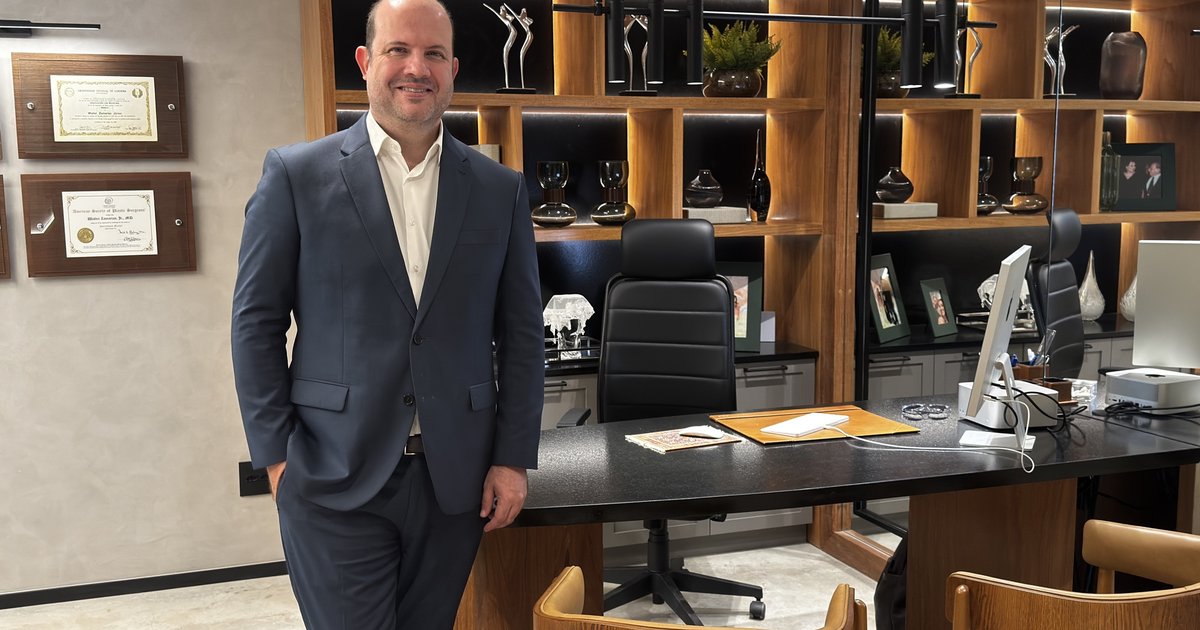
drwalterzamarianjr
Dr. Walter Zamarian Jr. é cirurgião plástico em Londrina-PR (CRM-PR 17.388 | RQE 15.688), membro titular da SBCP e da ASPS. Formado em Medicina pela UEL, com especialização no Instituto Ivo Pitanguy (38a Enfermaria da Santa Casa do Rio de Janeiro) e treinamento nos EUA em lifting facial Deep Plane, rinoplastia estruturada e cirurgia íntima feminina. Com mais de 20 anos de experiência e 8.000+ cirurgias realizadas, é referência em rejuvenescimento facial e cirurgia genital feminina.
Deixe um comentário