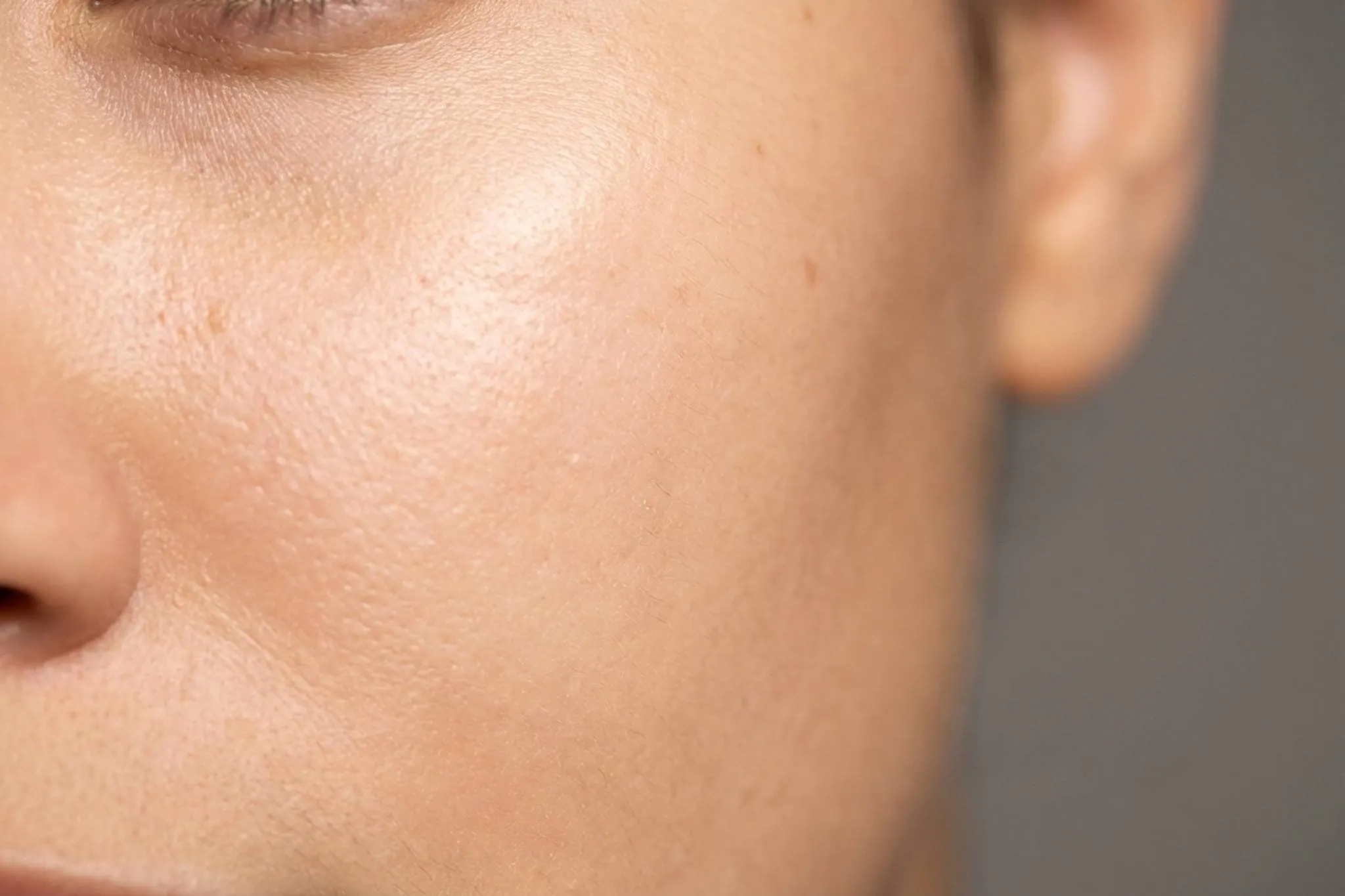
Dermabrasion in Brazil: refined technique for facial scar revision
Dermabrasion -- also known as skin resurfacing -- is a surgical technique that I have used for over fifteen years to improve facial scars during revision procedures. It consists of controlled sanding of the skin with a high-speed diamond instrument, removing the superficial layers and stimulating the regeneration of new, more even skin. As a board-certified plastic surgeon in Brazil, I perform this scar treatment at my clinic in Londrina, Parana, Brazil.
With over twenty years of experience in facial plastic surgery and more than eight thousand procedures performed, I have learned that each technique has its precise indications. Dermabrasion is a valuable tool in the plastic surgeon's arsenal, but its use has evolved significantly over the years. Today, I use it very specifically: for the revision of facial scars, where it consistently demonstrates excellent results.
Why I limited the indications for dermabrasion
For many years, dermabrasion was widely used to treat acne scars and perioral wrinkles (the so-called "barcode" on the lips). I myself performed many of these procedures in the past. Over time and with advances in medicine, however, I came to better understand the associated risks and decided to discontinue these indications.
The main reason is hypochromia, or hypopigmentation: the treated area may become permanently lighter than the surrounding skin. This occurs because dermabrasion, when applied to large areas or too deeply, can damage the melanocytes, the cells responsible for producing melanin. Medical literature reports an incidence of hypopigmentation between one and twenty percent of cases, especially in patients with darker skin.
In light of this knowledge, I made an ethical decision: I stopped recommending dermabrasion for acne scars and perioral wrinkles. For these conditions, there are now safer alternatives, such as fractional CO₂ or erbium lasers, microneedling with radiofrequency, and controlled chemical peels, which offer comparable results with a lower risk of permanent pigmentary changes.
Where dermabrasion still shines: facial scar revision
Although I have abandoned some indications, I maintain dermabrasion as a fundamental technique for the revision of surgical or traumatic scars on the face. In this specific context, the results are consistently excellent, and I have been applying this technique for over fifteen years with great patient satisfaction.
The principle is simple, yet elegant: when we sand the surface of the scar and the surrounding skin, the skin regeneration that occurs during healing tends to "grow over" the original scar, significantly disguising it. The new skin that forms is more even, smoother, and has a more homogeneous color than the previous scar.
I perform dermabrasion during the surgical revision procedure of the scar. First, I surgically treat the scar itself (redoing the suture, correcting asymmetries, changing the direction if necessary), and then I apply dermabrasion to the edges and surface to even out the result. This combination of techniques provides a much greater improvement than we could achieve with either one of them alone.
Current indications
- Surgical scars that are wide, raised, or have an unsightly appearance;
- Traumatic scars on the face (accidents, falls, animal bites);
- Localized burn scars;
- Hypertrophic scars (raised) in specific areas;
- Contour irregularities after previous procedures.
Are you a good candidate for scar revision with dermabrasion?
Dermabrasion for scar revision can benefit you if:
- You have a facial scar that bothers you aesthetically;
- The scar is raised, wide, or has an irregular contour;
- You have waited at least six months since the original injury (time needed for scar maturation);
- You have realistic expectations about the result (significant improvement, not complete disappearance);
- You have fair to moderately pigmented skin (Fitzpatrick types I to III).
Patients with very dark skin (Fitzpatrick types V and VI) have a higher risk of pigmentary changes and need careful evaluation. In these cases, I discuss alternatives that may offer improvement with lower risk.
Subscribe to my YouTube channel:
Subscribe on YouTubePre-operative preparation for dermabrasion
The consultation: scar assessment
Each scar is unique, and the consultation is the time to understand its history and characteristics. During our meeting, I assess various factors that influence the planning:
Type of scar
I classify the scar based on its appearance: raised (hypertrophic), depressed (atrophic), wide, linear, or with contour irregularities. Each type requires a specific approach.
Location
The location on the face influences both the technique and the expected result. Scars in areas of thicker skin, such as the forehead, respond differently than those located in thinner skin, such as the eyelids.
Maturation time
Recent scars (less than six months) are still in the maturation process and may improve spontaneously. I prefer to wait this period before recommending any revision procedure.
Skin type
I assess your phototype (Fitzpatrick classification) to estimate the risk of pigmentary changes. Patients with fair skin have a lower risk of hypochromia.
Healing history
I ask about previous scars: did any become very raised? Did it form a keloid? This information is crucial to predict how you will heal after the revision.
Skin preparation
Before dermabrasion, I recommend a specific skin preparation that optimizes the result:
- Avoid sun exposure for one to two months before the procedure;
- Use sunscreen daily (SPF 30 or higher);
- In some cases, I prescribe depigmenting creams to even out skin tone;
- Discontinue medications that increase bleeding (aspirin, anti-inflammatories) for fifteen days.
This preparation is especially important to minimize the risk of pigmentary changes after the procedure.
Pre-operative tests
I request the following tests before dermabrasion:
- Complete blood count;
- PT with INR + aPTT;
- Creatinine;
- BUN;
- Fasting blood glucose;
- Total proteins and fractions;
- Urinalysis.
Anesthesia
For revisions of small, localized scars, I perform the procedure with local anesthesia and light sedation. The comfort is complete, and you wake up shortly after it ends, able to go home the same day.
In cases of larger scars or when I combine dermabrasion with other facial procedures, I opt for general anesthesia, which offers greater control and comfort throughout the procedure.
How I perform dermabrasion for scar revision
The technique I use has been refined over more than fifteen years of experience. The procedure combines dermabrasion with the surgical revision of the scar, always in this specific order. The sequence is fundamental to the success of the result.
Step 1: Dermabrasion
I begin the procedure with the dermabrasion of the scar and the surrounding skin. Why this order? Because it would be impossible to perform the sanding properly over newly placed sutures or with the edges of the skin already loose from surgical excision.
The procedure starts with the infiltration of anesthetic solution with epinephrine, which minimizes bleeding and provides complete analgesia. Next, I use the dermabrader, an instrument with a diamond tip that spins at high speed, to carefully sand the surface of the scar and the adjacent skin.
I control the depth by observing the pattern of small blood vessels that appear during sanding — a visual guide known as "punctate bleeding" in the medical literature. When the bleeding points appear regularly and uniformly, I know I have reached the papillary dermis, the ideal depth to stimulate neocollagenesis without exceeding the mid reticular dermis, which would increase the risk of scarring and hypopigmentation.
Step 2: Surgical revision
After completing the dermabrasion, I perform the surgical revision of the scar itself. This may include:
- Excision of the old scar and new suture with refined technique;
- Correction of the scar direction (to follow the tension lines of the skin);
- Z or W plasties to break the linearity and make the scar less noticeable;
- Treatment of deep adhesions that pull the skin.
At the end, the treated area is protected with 1% silver sulfadiazine. This cream, widely used in burn treatment centers, accelerates healing, reduces pain, and prevents infections.
Procedure time
Isolated dermabrasion for a small scar takes about twenty to thirty minutes. When combined with surgical revision or in larger scars, the procedure can last from one to two hours.
Why the combination of techniques is superior
Dermabrasion evens out the surface and prepares the ground for new healing. Surgical revision corrects structural problems of the scar (width, elevation, incorrect direction). The skin that regenerates after dermabrasion tends to grow over the line of the new suture, significantly concealing it.
This synergy between the techniques, performed in the correct sequence, is the secret to results that truly impress patients.
Dermabrasion recovery and aftercare
The care after dermabrasion is fundamental to the final result. I follow a specific protocol that I have developed over the years:
First week: healing phase
In the first few days, the treated area remains covered with silver sulfadiazine, which is reapplied two to three times a day. This covering protects the regenerating skin, reduces discomfort (by avoiding contact with air), and prevents infections.
Around the fifth to seventh day, the skin stops being moist, signaling that epithelialization (formation of the superficial layer) is complete. From this moment on, we discontinue the sulfadiazine.
Second to fourth week: new skin
The skin that appears after the first week is new, pink, still a bit thin, but completely epithelialized and painless. At this stage, you can resume normal activities, but with specific care:
- Strict sun protection (sunscreen SPF 30 or higher, twice a day);
- Avoid direct sun exposure;
- Proper hydration of the skin;
- Use of mineral makeup, if you wish to camouflage the redness.
Around the fourteenth day, I introduce the depigmenting cream, which helps prevent discoloration and evens out the color of the regenerating skin.
Second month onward: maturation
The redness gradually decreases over the weeks. After two months, the skin already shows a color closer to normal and adequate thickness. The result continues to improve for up to six months as the scar matures.
Sun protection: essential
I recommend avoiding tanning for at least six months after dermabrasion. This does not mean staying indoors at all times, but rather using sunscreen daily and avoiding prolonged sun exposure. The skin in maturation is more susceptible to discoloration, and this care is essential for a uniform result.
What to expect from the result
Dermabrasion for scar revision does not make the scar disappear completely, but it can significantly improve it. In my experience of more than fifteen years with this technique, most patients report that the scar has become much less noticeable, often going unnoticed in normal conversations.
The result is permanent. The skin that regenerates after dermabrasion is your definitive skin, and it ages naturally along with the rest of the face.
You may not be a good candidate for dermabrasion if:
- You have used isotretinoin (Accutane) in the last twelve months, as the skin may heal abnormally;
- You have a history of keloids or severe hypertrophic scars;
- You have an active skin infection in the area to be treated;
- You have active herpes on the face (the procedure may spread the virus);
- You have conditions that compromise healing (decompensated diabetes, autoimmune diseases, use of corticosteroids);
- You have very dark skin (Fitzpatrick types V and VI) without prior discussion of the risks of hypopigmentation.
If you are taking isotretinoin, we need to wait twelve months after stopping the medication before performing any dermabrasion procedure. If you have a history of cold sores, I prescribe preventive antiviral medication before and after the procedure.
Frequently Asked Questions about Dermabrasion
Does dermabrasion hurt?
In my practice, I perform dermabrasion with local anesthesia and sedation, which provides total comfort throughout the procedure. In the postoperative period, my patients report minimal discomfort while silver sulfadiazine protects the treated area. When there is any burning sensation in the first few days, I can easily control it with over-the-counter pain medication.
How long does it take to heal after dermabrasion?
In my experience, epithelialization — the formation of the superficial layer of skin — occurs in five to seven days. Redness persists for a few weeks and gradually decreases. I advise my patients that the final result is visible in four to six months, when the scar reaches its full maturation.
Can I have dermabrasion in the summer?
I do not recommend it. I prefer to schedule dermabrasion in the fall or winter when sun exposure is naturally lower. Performing the procedure in the summer significantly increases the risk of discoloration during the recovery phase, and I consider this care essential for the best result.
Is the result of dermabrasion permanent?
Yes. In my experience of over fifteen years with this technique, I can confirm that the result is permanent. The skin that regenerates after dermabrasion does not "go back." However, I always explain to my patients that new lesions in the area or the natural aging of the skin can, over time, create new imperfections.
How many sessions of dermabrasion are needed?
In most cases of scar revision that I perform, a single session is sufficient. In very extensive or deep scars, I may recommend a second stage after six months to complement the result, but this is the exception, not the rule.
Why do you no longer perform dermabrasion for acne scars?
I made this decision based on my experience and the medical literature. The risk of permanent hypopigmentation — the skin becoming lighter than its natural tone — can reach twenty percent of cases when dermabrasion is applied to extensive areas. For acne scars, I now recommend alternatives that I consider safer, such as fractional CO₂ lasers and microneedling with radiofrequency, which offer comparable results with a lower risk of pigmentation.
What is the difference between dermabrasion and microdermabrasion?
They are completely different procedures, and I usually explain this in detail to my patients. Microdermabrasion is a superficial aesthetic treatment that only removes the stratum corneum using a jet of microcrystals or a low-speed diamond tip. Surgical dermabrasion, which I perform, uses high-speed diamond burs that reach the superficial papillary and reticular dermis — much deeper layers, where true collagen remodeling occurs. Dermabrasion requires anesthesia, a surgical environment, and specialized training.
Can dermabrasion be combined with other procedures?
Yes, and in fact, this is how I use it most. I combine dermabrasion with surgical scar revision, performing the sanding first and then the surgical correction. In my experience, this combination of techniques provides results far superior to what we could achieve with either one alone.
Who cannot have dermabrasion?
I do not recommend dermabrasion for patients who have used isotretinoin (Accutane) in the last twelve months, who have a history of severe keloids, active skin infection, or active herpes on the face. Patients with very dark skin (Fitzpatrick types V and VI) require careful evaluation, and in these cases, I discuss alternatives that may offer improvement with a lower risk of pigment changes.
What preparation is needed before dermabrasion?
I recommend that my patients avoid sun exposure for one to two months before the procedure and use sunscreen daily. In some cases, I prescribe depigmenting creams to even out skin tone. I also advise discontinuing medications that increase bleeding, such as aspirin and anti-inflammatories, for fifteen days before surgery.
How much does dermabrasion cost in Brazil?
The cost of dermabrasion for facial scar revision in Brazil depends on the size and complexity of the scar and whether it is combined with other procedures. As a leading destination for cosmetic surgery, Brazil offers world-class scar treatment at a fraction of the cost in North America or Europe. I discuss all fees transparently during the consultation. International patients can contact our clinic for details.
Do you have a facial scar that bothers you?
If you have a scar on your face that affects your self-esteem, know that there are options to significantly improve it. During the consultation, I evaluate your scar, discuss treatment possibilities, and honestly explain what you can expect as a result.
Each scar is unique, and the approach needs to be personalized. Sometimes, dermabrasion is the best option. In other cases, other techniques may be more appropriate. My commitment is to always recommend the most suitable treatment for you, not the one I like to perform the most.
Schedule via WhatsApp
To learn more about dermabrasion for facial scar revision or other types of plastic surgery that I perform in Brazil, please contact Clinica Zamarian and schedule a consultation.
Dermabrasion is often combined with facial rejuvenation procedures such as facelift, blepharoplasty, and facial fat graft for complete results. Complementary treatments such as facial fillers and botulinum toxin can also enhance skin rejuvenation. See information about pricing and post-surgical recovery.
Are you ready for this new change? Schedule now!

Dr. Walter Zamarian Jr.
Plastic Surgeon in Brazil
Rua Engenheiro Omar Rupp, 186
Londrina, PR 86015-360
Brazil
YouTube Channel: Dr. Walter Zamarian Jr.
Follow on Instagram: @drwalterzamarianjr
Follow on TikTok: @drwalterzamarianjr
Search on our website:
This page in other languages:
Portuguese (BR) | English (US) | English (UK) | Italian | French | Spanish